 English
 Español
 Inquiry
The rotational speed of a rotary tool is one of the critical parameters affecting cutting quality, surface finish, safety, and tool life. For a Precision Rotary Tool, adjustable speed is not just a convenience but a functional necessity. Different materials respond very differently to friction, heat, and cutting force, and an inappropriate speed can quickly cause material damage, excessive wear, or even safety hazards. Speed control allows operators to adapt the tool’s performance to the specific task and material, achieving consistent and professional results.
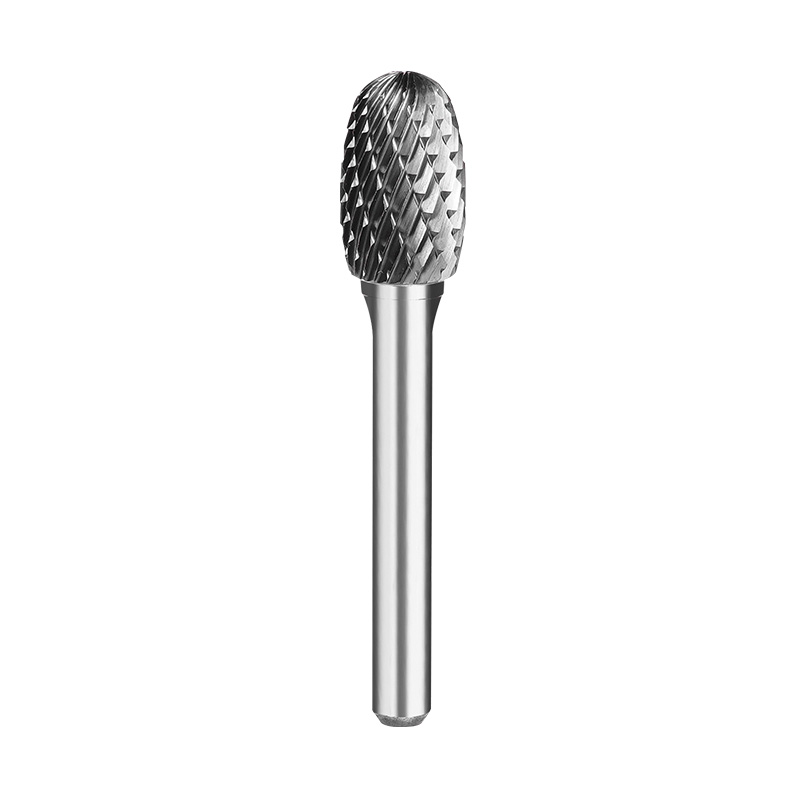
Precision work requires controlled material removal rather than aggressive cutting. Speed adjustment directly influences how much material is removed per contact and how stable the tool feels during operation. If the speed is too high, the tool may chatter, overheat, or burn the surface. If it is too low, the tool may grab, stall, or leave rough edges. Adjustable speed ensures a balanced interaction between the accessory and the workpiece, which is especially important in detailed or finishing operations.
Key reasons speed control improves accuracy include:
Heat is a major concern when using rotary tools. Friction at high speeds can generate significant heat, which may warp plastics, discolor metals, or burn wood surfaces. By adjusting the rotational speed, operators can reduce unnecessary heat buildup and protect both the material and the accessory. Controlled speed also helps prevent melting, glazing, or micro-cracking, which are common problems when tools run too fast for sensitive materials.
Speed management helps with heat control by:
Different materials require different speed ranges to achieve suitable results. While exact RPM values depend on tool design and accessory type, general guidelines help operators choose suitable settings.
For soft materials such as wood and plastic:
For metals such as aluminum, brass, or mild steel:
For hard or brittle materials like stainless steel, ceramics, or glass:
These guidelines highlight why adjustable speed is a defining feature of a Precision Rotary Tool, especially in multi-material environments.
Rotary tool accessories such as cutting discs, grinding stones, and polishing bits are designed to operate within specific speed ranges. Using the wrong speed can dramatically shorten their lifespan. High speed on a grinding stone may cause premature wear or breakage, while low speed on a polishing pad may reduce effectiveness. Speed adjustment ensures that each accessory performs as intended and maintains its structural integrity.
Proper speed selection contributes to:
Speed control also plays a major role in operational safety. High speeds increase the risk of kickback, accessory failure, and loss of control, particularly during delicate work. Being able to start at a low speed and gradually increase allows the operator to assess tool behavior and material response before committing to full operation. This controlled approach reduces accidents and improves confidence during precision tasks.
Safety benefits of speed regulation include:
Beyond material type, the nature of the task also influences speed choice. Cutting, grinding, sanding, polishing, and engraving each require different speed characteristics. Cutting often benefits from moderate speed and steady pressure, while polishing usually requires lower speeds to avoid surface damage. Engraving and detailing demand precise speed control to maintain line clarity and depth consistency.
Application-based speed selection helps achieve:
The importance of speed adjustment cannot be overstated when working with a Precision Rotary Tool. From protecting materials and extending accessory life to improving accuracy and safety, adjustable speed transforms the tool into a highly adaptable and reliable solution. By understanding how different materials and applications respond to rotational speed, operators can optimize performance, reduce errors, and achieve good results across a wide range of precision tasks.
Cooperate with us now
contact Us
Characteristic Industrial Park, Furong Town, Yueqing City, Zhejiang Province, China.
+86-13757799073
+86-13587713956

Wholesale Carbide Rotary Burs Factory