 English
 Español
 Inquiry
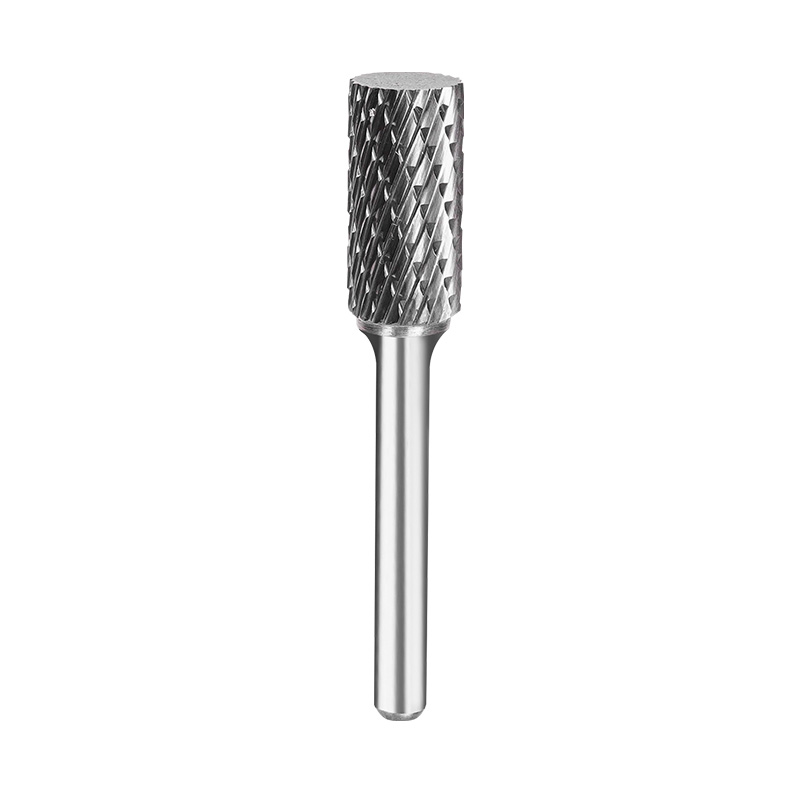
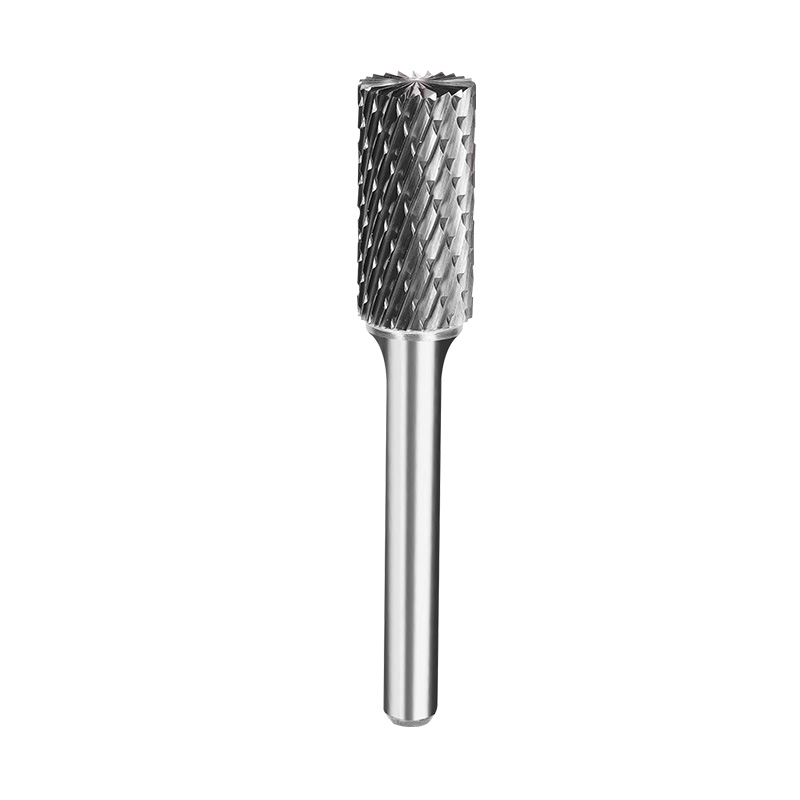
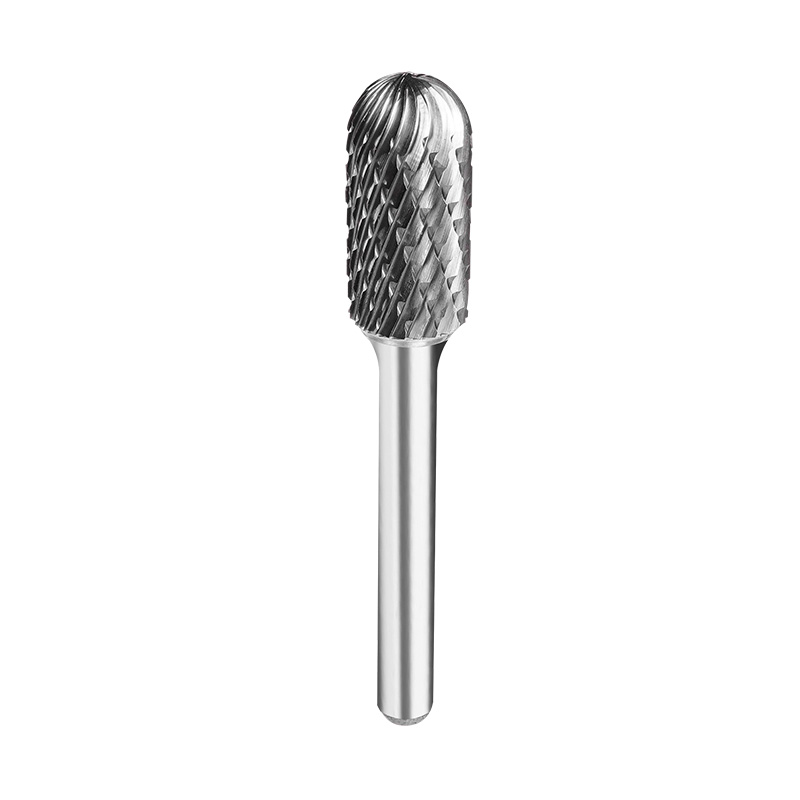
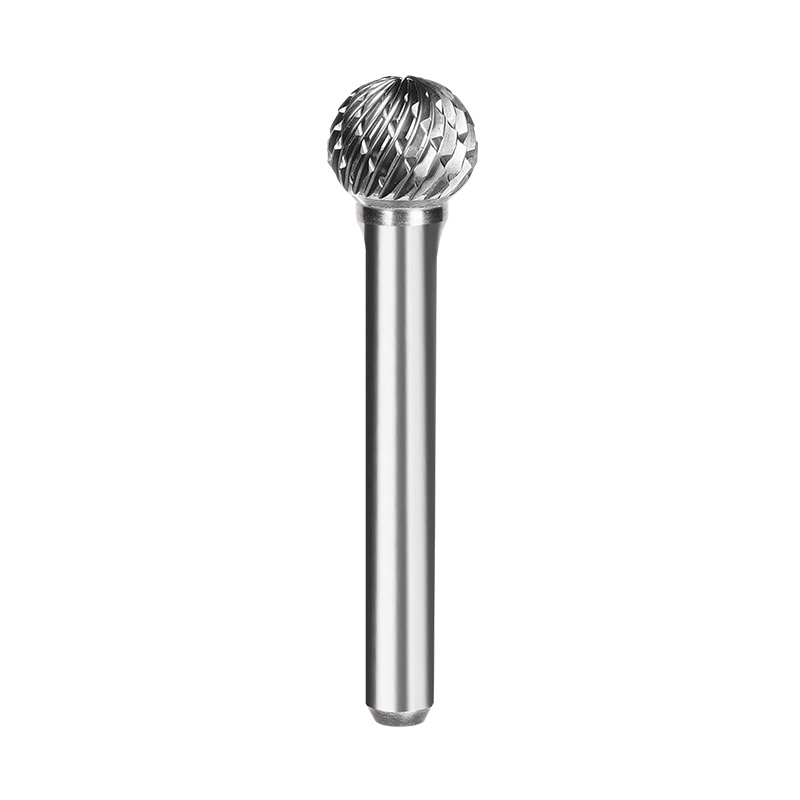
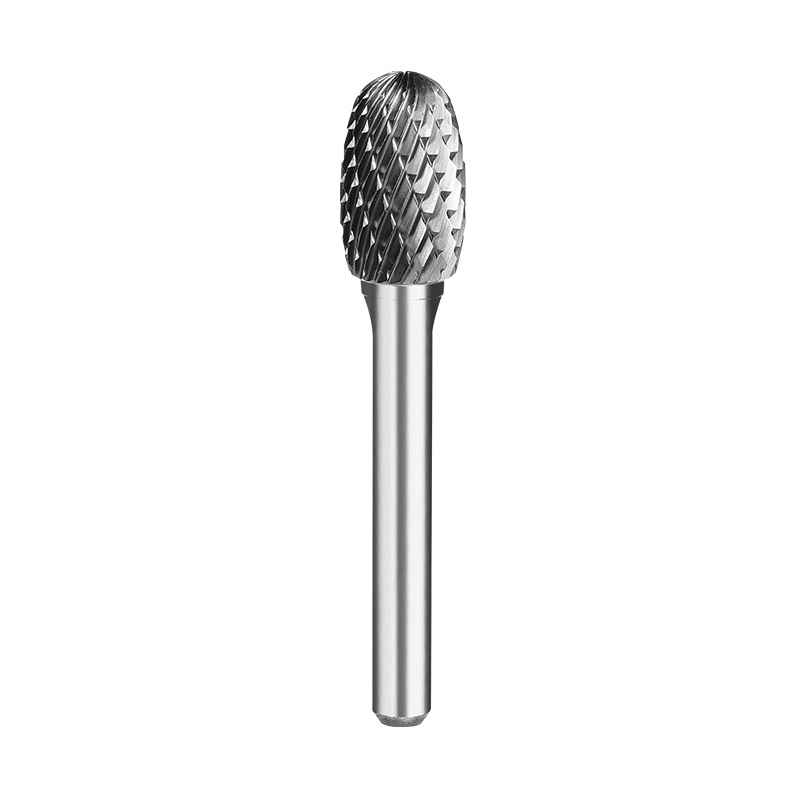
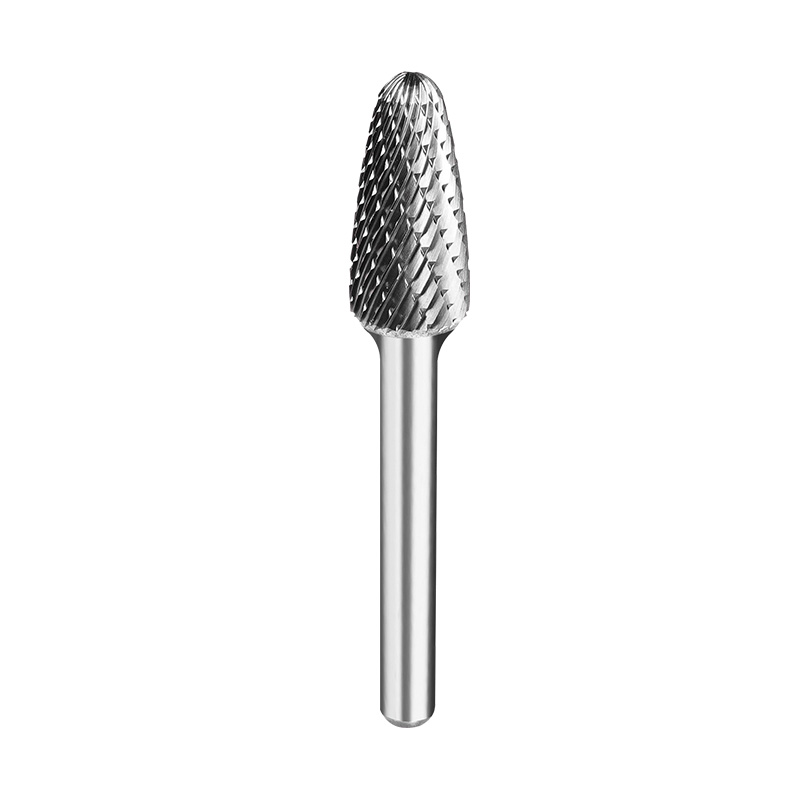
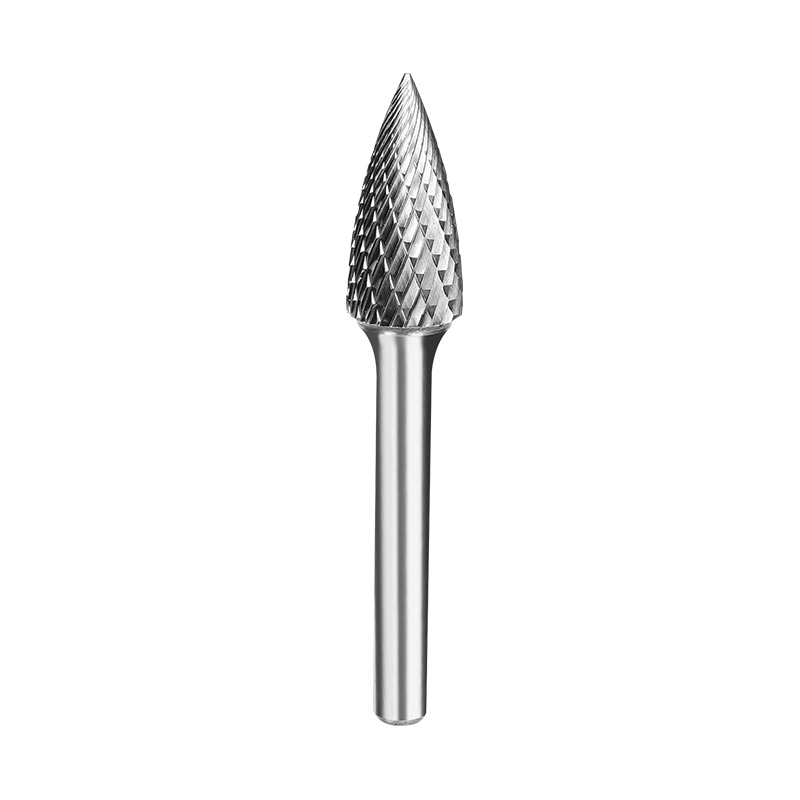
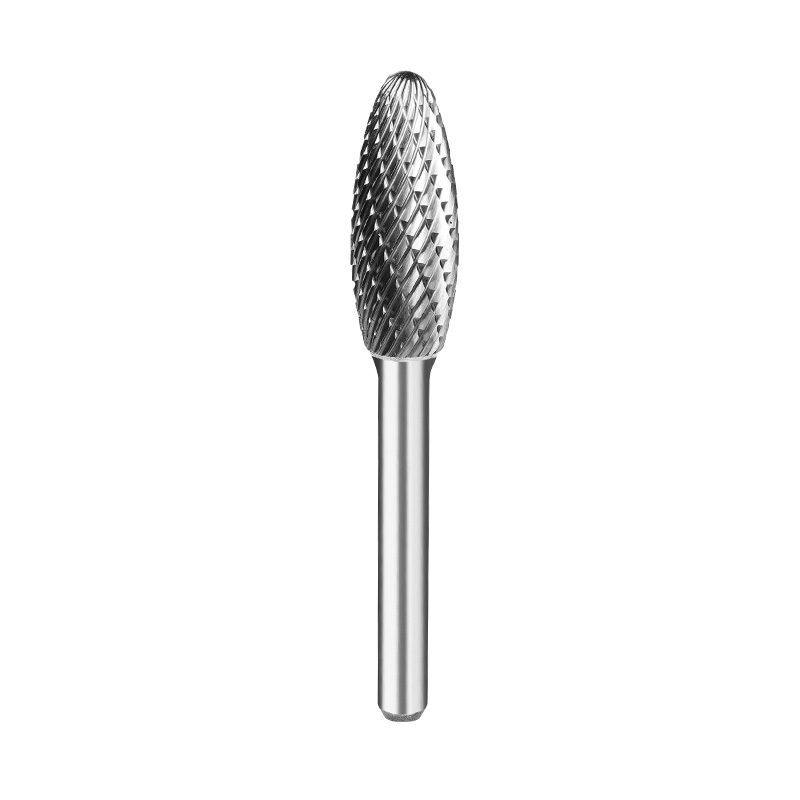
Industrial workshops and production sites often expose cutting tools to demanding conditions such as elevated temperatures or high humidity. These environments can accelerate wear, reduce cutting accuracy, and shorten tool life if the tools are not designed to withstand them. When evaluating Solid Carbide Burs, users frequently ask how well these tools perform under such harsh conditions and whether they remain reliable over long periods of use. Understanding their behavior in heat and moisture helps operators make informed decisions and maintain stable machining quality.
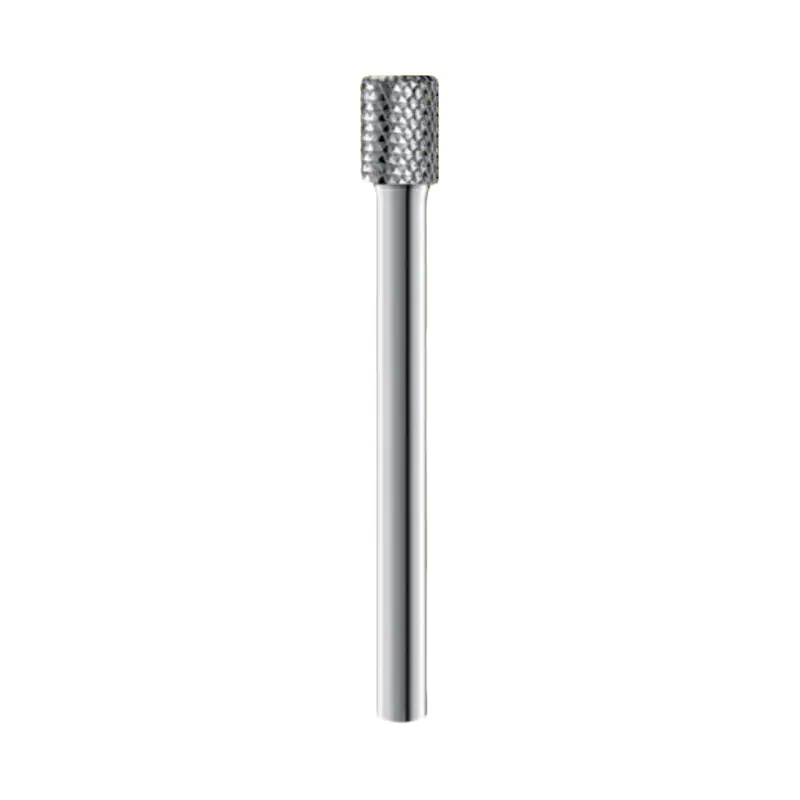
Solid carbide burs are manufactured from tungsten carbide particles bonded with a cobalt matrix. This structure provides good hardness and thermal resistance compared with conventional steel tools. In high-temperature environments, these properties become particularly valuable.
Key thermal performance advantages include:
These characteristics allow carbide burs to operate efficiently in workshops where ambient temperatures are high or where cutting generates significant frictional heat.
During prolonged machining, heat accumulation is often unavoidable, especially when working with hard or abrasive materials. Solid carbide burs are well-suited to such applications because their cutting edges remain stable under thermal stress.
Performance benefits during continuous heat exposure include:
While excessive heat should still be controlled through proper speed selection or cooling methods, carbide burs tolerate these conditions far better than many alternatives.
High humidity introduces challenges related to corrosion, surface contamination, and storage conditions. Tungsten carbide itself is highly resistant to corrosion, making solid carbide burs suitable for use in damp or coastal environments. However, the cobalt binder can be affected over long-term exposure to moisture if tools are neglected.
In humid environments, typical performance characteristics include:
Both high temperature and humidity can accelerate tool wear if materials are not adequately protected. Solid carbide burs demonstrate good wear resistance, which helps offset these environmental stresses.
Environmental durability advantages include:
This durability translates directly into lower replacement frequency and more predictable maintenance schedules.
Maintaining dimensional accuracy and surface finish is critical in precision machining. Environmental instability can affect tool behavior, but carbide burs offer reliable performance due to their rigidity and thermal stability.
Precision-related benefits include:
These features are especially important in mold finishing, aerospace maintenance, and precision metalworking applications.
Even though solid carbide burs are highly resilient, proper operational practices further enhance their performance in high-temperature or humid settings.
Recommended practices include:
Overall, solid carbide burs offer good performance in both high-temperature and humid environments. Their inherent material strength, thermal stability, and corrosion resistance allow them to maintain cutting efficiency, precision, and durability under conditions that quickly degrade less robust tools. When combined with proper handling and maintenance, Solid Carbide Burs remain a dependable solution for demanding industrial applications where environmental challenges are unavoidable.
Cooperate with us now
contact Us
Characteristic Industrial Park, Furong Town, Yueqing City, Zhejiang Province, China.
+86-13757799073
+86-13587713956

Wholesale Carbide Rotary Burs Factory