 English
 Español
 Inquiry
Cutting hard materials such as stainless steel and titanium alloys presents unique challenges compared with machining softer metals. These materials are known for high strength, toughness, and poor thermal conductivity, which means heat tends to concentrate at the cutting edge. When using Carbide Endmills, understanding these material characteristics is essential to avoid premature tool wear, poor surface finish, or unexpected tool failure. Proper setup and parameter selection are the foundation of successful machining in such demanding applications.
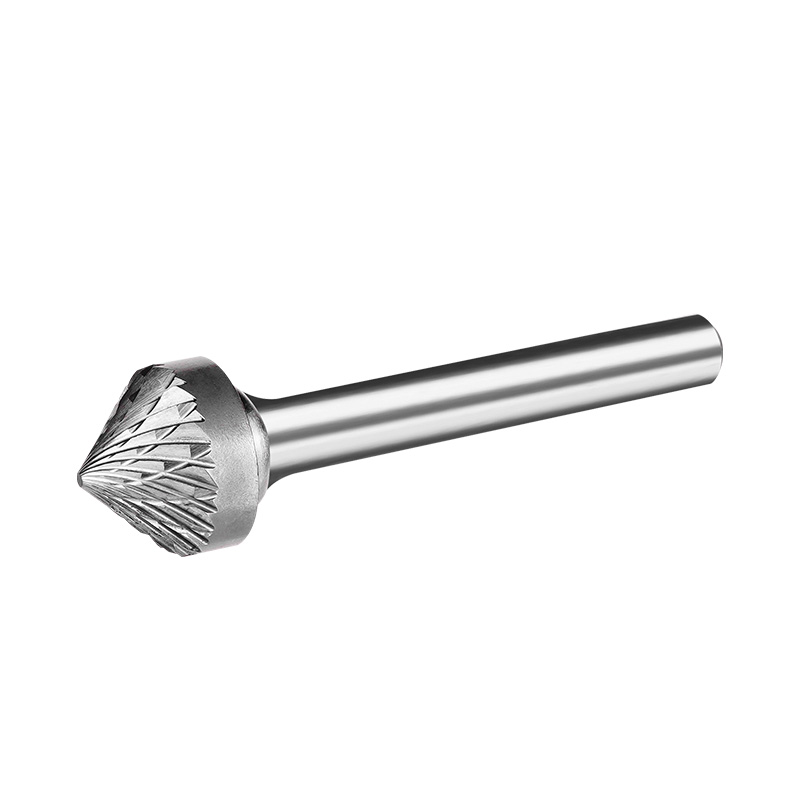
Tool geometry plays a decisive role when machining hard materials. The number of flutes, helix angle, and edge preparation directly affect chip evacuation and cutting stability. Hard materials generate tough, stringy chips that can easily re-cut and damage the tool if not properly cleared.
Key geometry considerations include:
One of the critical factors in machining stainless steel and titanium is controlling cutting speed and feed rate. Excessive speed can cause rapid heat buildup, while feeds that are too light may cause rubbing instead of cutting, accelerating edge wear.
Important speed and feed guidelines include:
Heat management is especially important when machining titanium alloys, which retain heat near the cutting zone. Carbide tools tolerate high temperatures, but excessive heat still shortens tool life and degrades surface quality.
Effective heat control strategies include:
Hard materials amplify vibration and cutting forces, making rigidity a top priority. Any instability in the tool holder, spindle, or fixture can result in chatter, edge chipping, or tool breakage.
Stability-related considerations include:
Effective chip evacuation is essential when machining stainless steel and titanium. Poor chip control can cause chips to weld to the cutting edge, causing built-up edge and surface defects.
Practices for chip control include:
Hard materials accelerate tool wear, even with optimized parameters. Regular inspection of cutting edges helps prevent unexpected tool failure that could damage the workpiece or machine.
Indicators to watch for include:
When cutting hard materials like stainless steel and titanium alloys, success depends on careful planning and disciplined execution. From selecting the correct tool geometry and managing cutting parameters to controlling heat and ensuring machine rigidity, every detail matters. By following these principles, Carbide Endmills can deliver reliable performance, high accuracy, and extended tool life even in demanding machining environments.
Cooperate with us now
contact Us
Characteristic Industrial Park, Furong Town, Yueqing City, Zhejiang Province, China.
+86-13757799073
+86-13587713956

Wholesale Carbide Rotary Burs Factory