 English
 Español
 Inquiry
Metalworking requires tools that can remove material efficiently while maintaining precision and surface quality.
Rotary burs are commonly used for grinding, shaping, deburring, and finishing metal components.
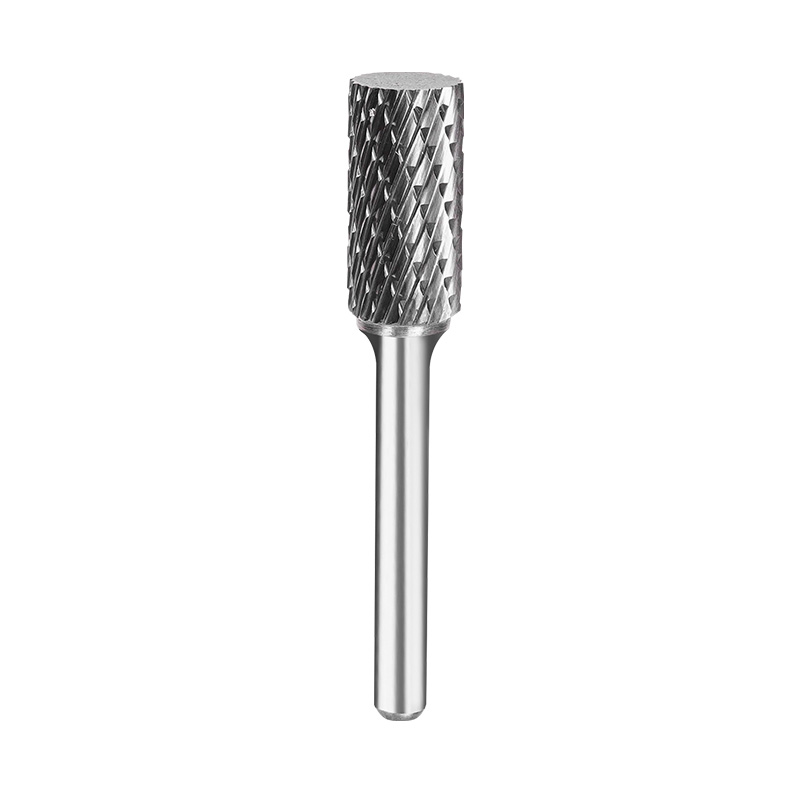
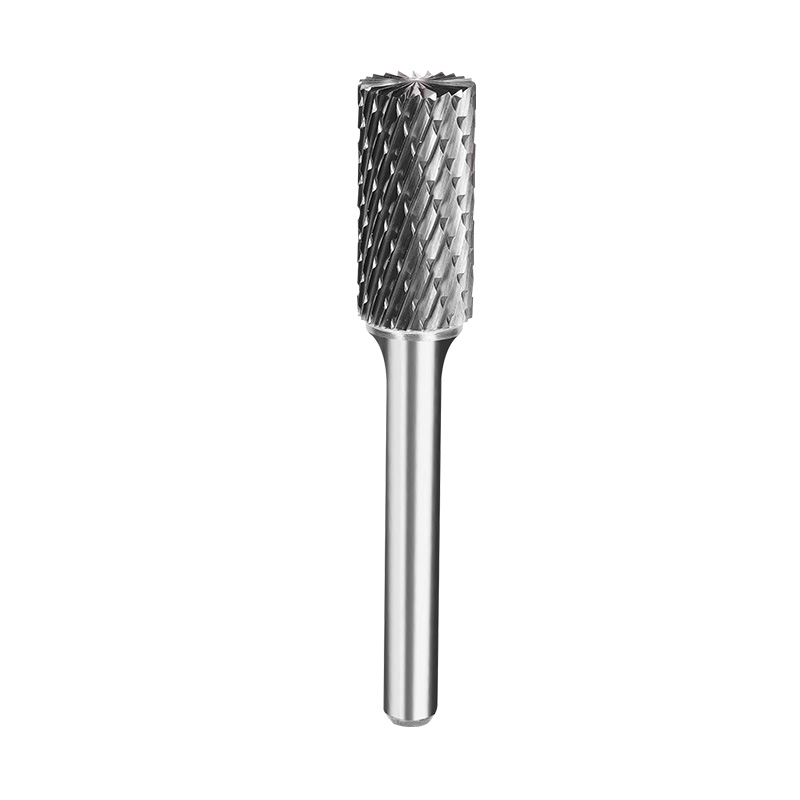
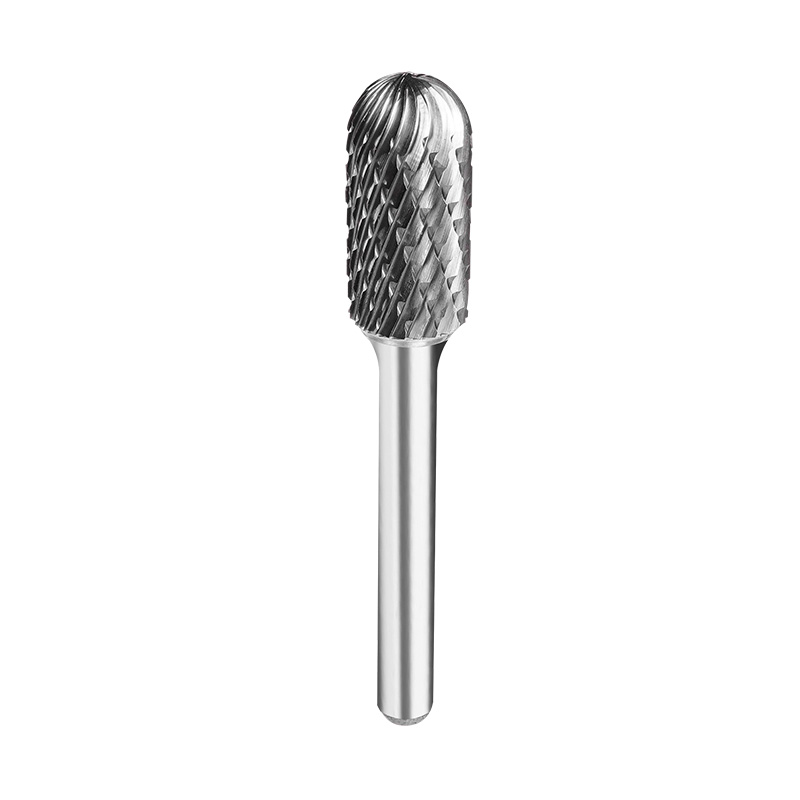
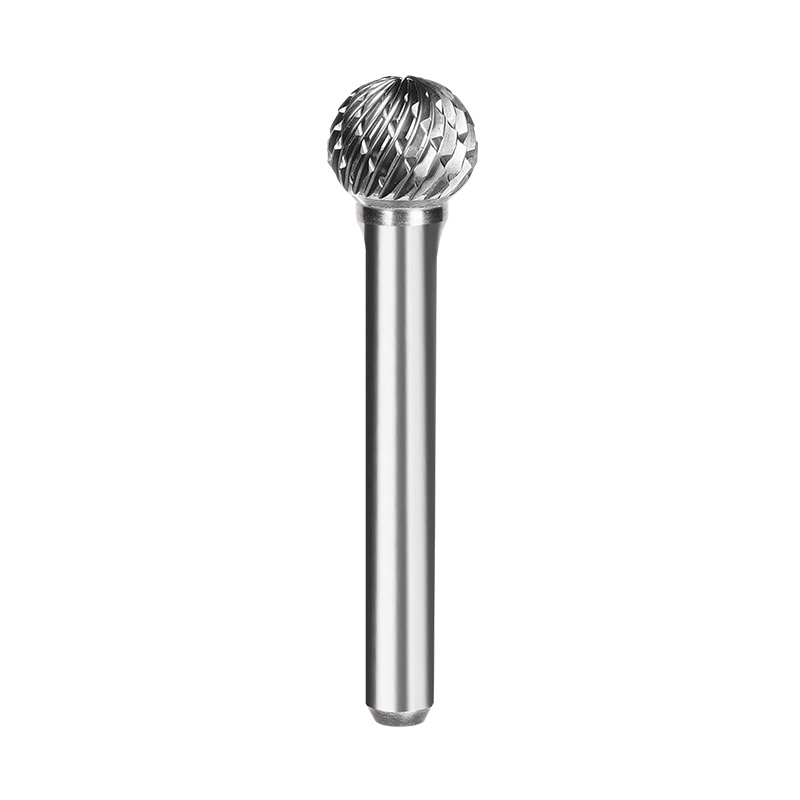
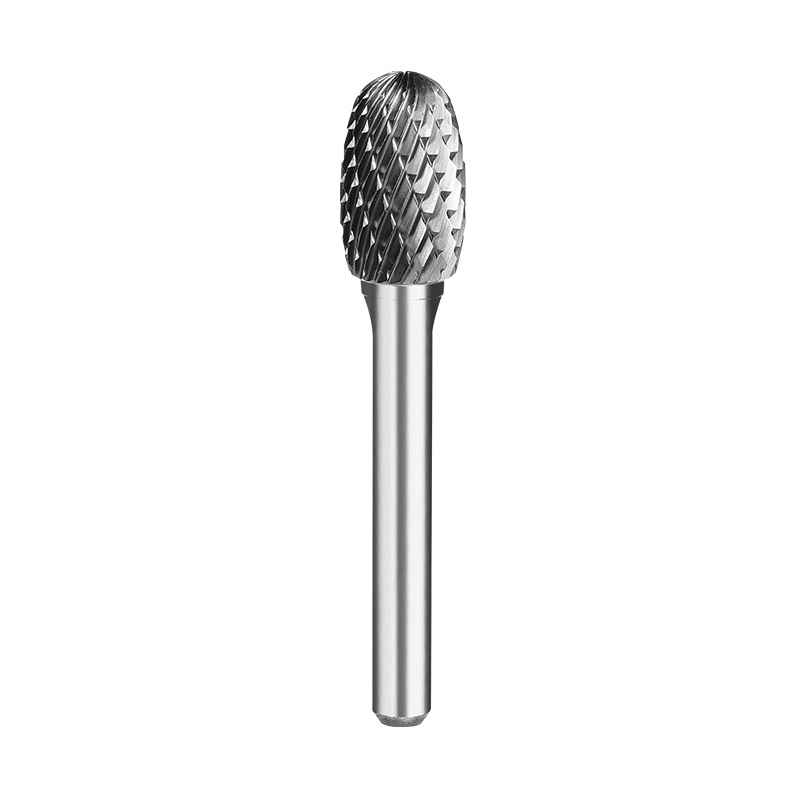
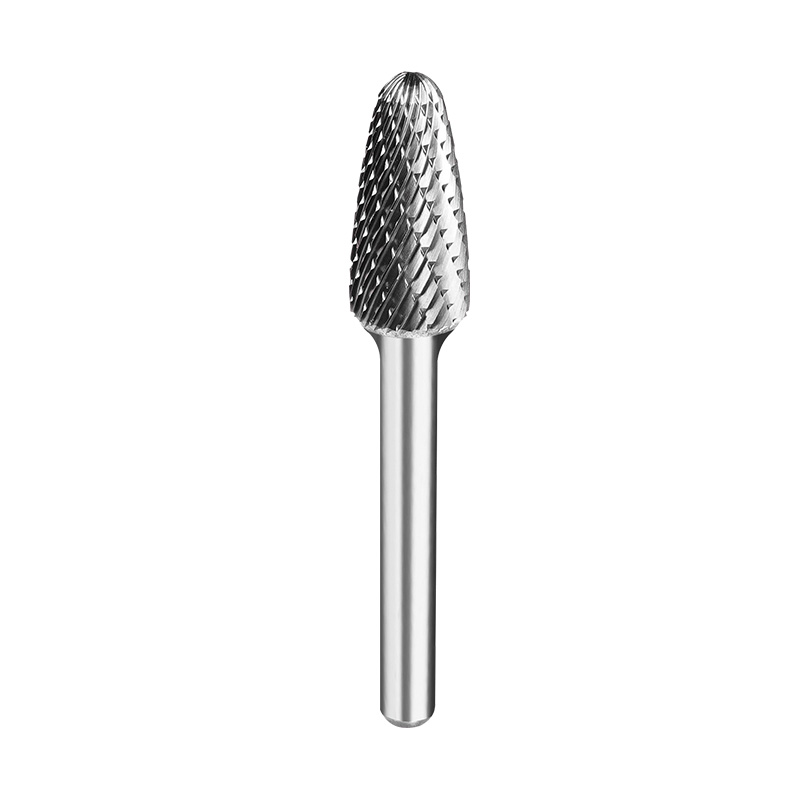
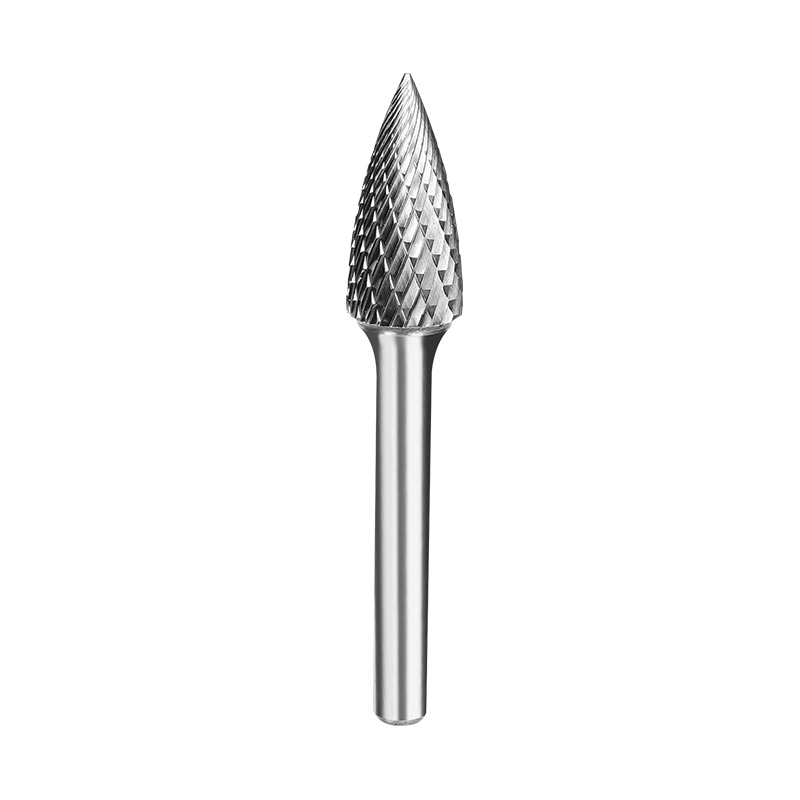
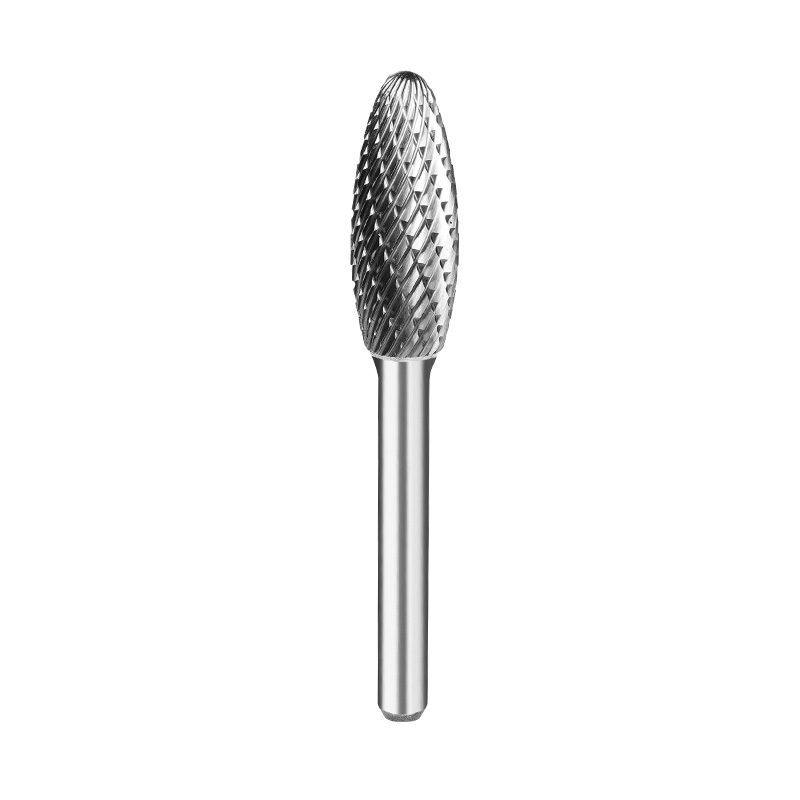
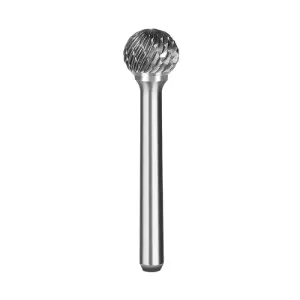
Among the available options, Carbide Rotary Burs are widely recognized for their performance in demanding applications.
Their unique material properties and cutting design make them suitable for both manual and automated metalworking operations.
Solid carbide construction:
One-piece structure:
Consistent quality:
Good hardness:
High abrasion resistance:
Reduced tool replacement:
Sharp cutting edges allow aggressive cutting action.
Removes excess metal quickly without excessive pressure.
Maintains accuracy at high rotational speeds.
Reduces vibration and tool chatter during operation.
Produces uniform results across repeated machining cycles.
Reduces rework and improves overall productivity.
Wide material compatibility:
Effective on steel, stainless steel, aluminum, copper, and alloys.
Handles both soft and hard metals with stable performance.
Controlled cutting action:
Reduces edge chipping when working on hardened materials.
Allows smooth transitions during shaping and contouring.
Precision machining:
Maintains dimensional accuracy under high cutting loads.
Supports detailed and intricate metalworking applications.
Clean cutting results:
Reduced secondary processing:
Efficient chip evacuation:
High-temperature tolerance:
Thermal stability:
Improved operational safety:
Deburring and edge finishing:
Removes sharp edges and surface imperfections effectively.
Weld seam cleaning:
Smooths welded joints and transition areas.
Surface shaping and profiling:
Enables precise contouring and shaping of metal components.
Industry usage:
Commonly applied in automotive, aerospace, mold making, and maintenance work.
Extended tool lifespan:
Reduces the frequency of tool replacement.
Lower downtime:
Fewer tool changes improve workflow continuity.
Better return on investment:
Higher initial cost is offset by durability and performance.
Inventory simplification:
One tool type can serve multiple metalworking tasks.
High-speed rotary tools:
Performs reliably in electric and pneumatic grinders.
CNC and automated systems:
Carbide rotary burs offer significant advantages in metalworking, including good hardness, cutting efficiency, and durability.
Their ability to handle a wide range of metals while delivering consistent surface quality makes them indispensable in modern manufacturing.
By understanding their strengths and applying them correctly, manufacturers and machinists can improve productivity, reduce costs, and achieve reliable machining results.
Cooperate with us now
contact Us
Characteristic Industrial Park, Furong Town, Yueqing City, Zhejiang Province, China.
+86-13757799073
+86-13587713956

Wholesale Carbide Rotary Burs Factory