 English
 Español
 Inquiry
Walk into different workshops and you may notice something interesting. The same type of tool sits on different benches, yet the way people talk about it is not the same. Some treat it as a simple accessory. Others handle it with more care. The tool itself does not change much in appearance, but its role does.
Rotary files belong to this kind of product. They are often grouped together under one name, though their real use can be very different. This difference is where pricing begins to shift. It is not only about what the tool is, but about where it is used, how often it works, and what is expected from it during that time.
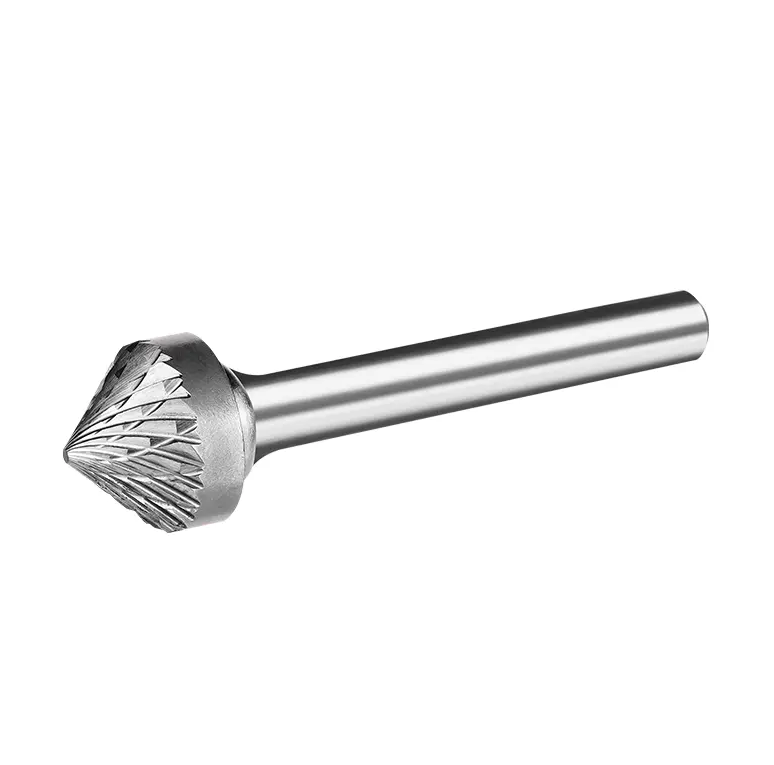
In recent years, buyers have become more aware of these differences. Instead of choosing based only on appearance or general description, they pay attention to how a tool fits into their daily work. This has quietly reshaped the way prices are formed across the market.
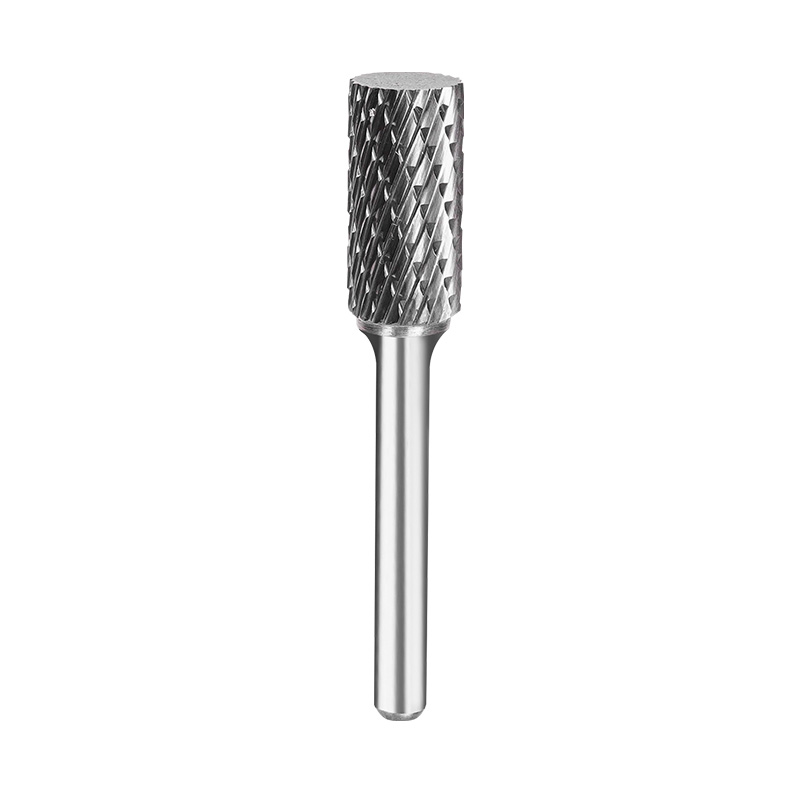
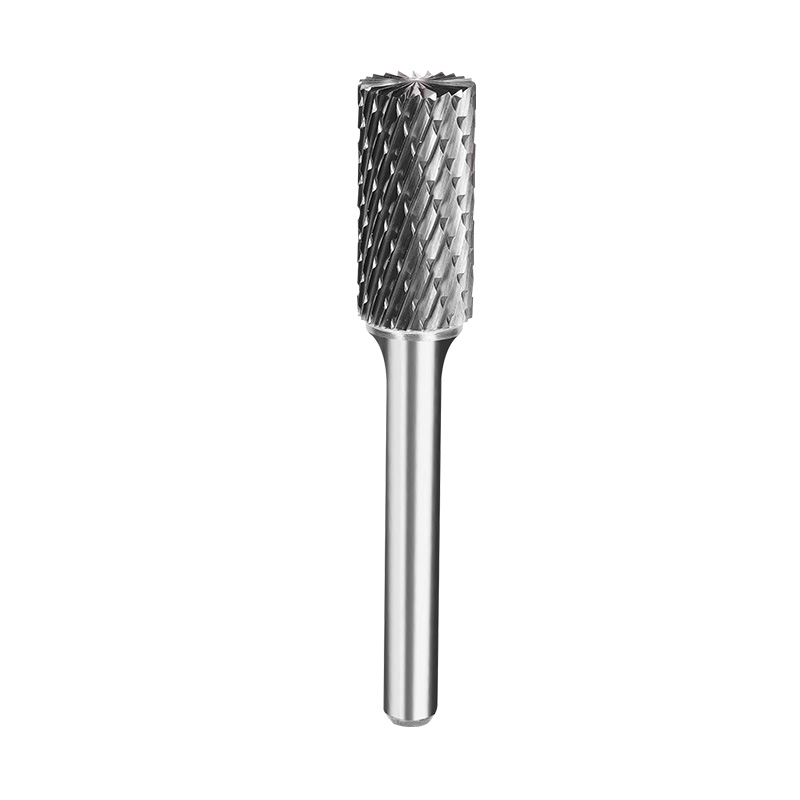
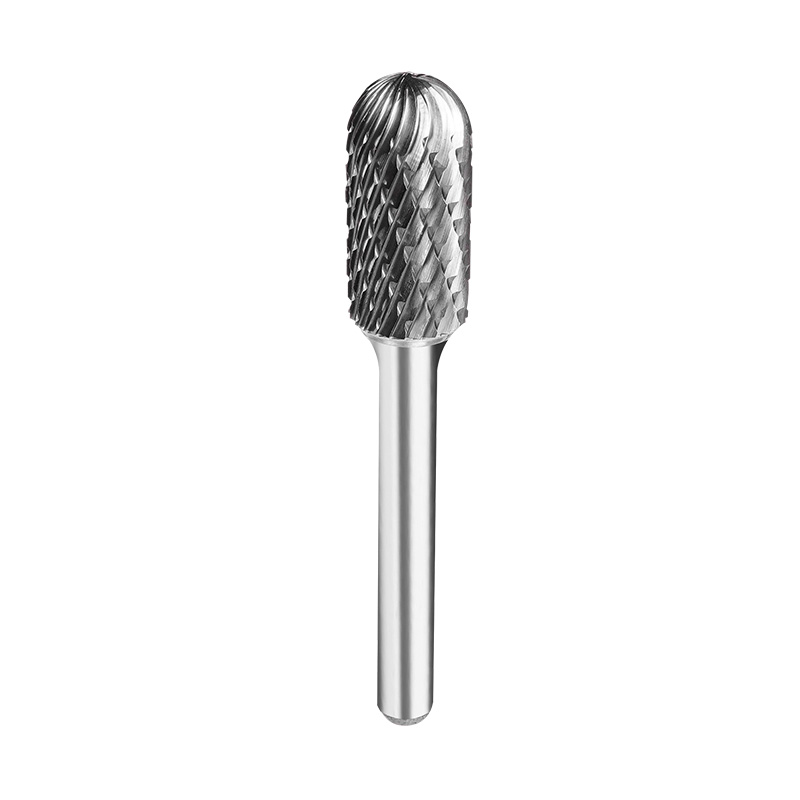
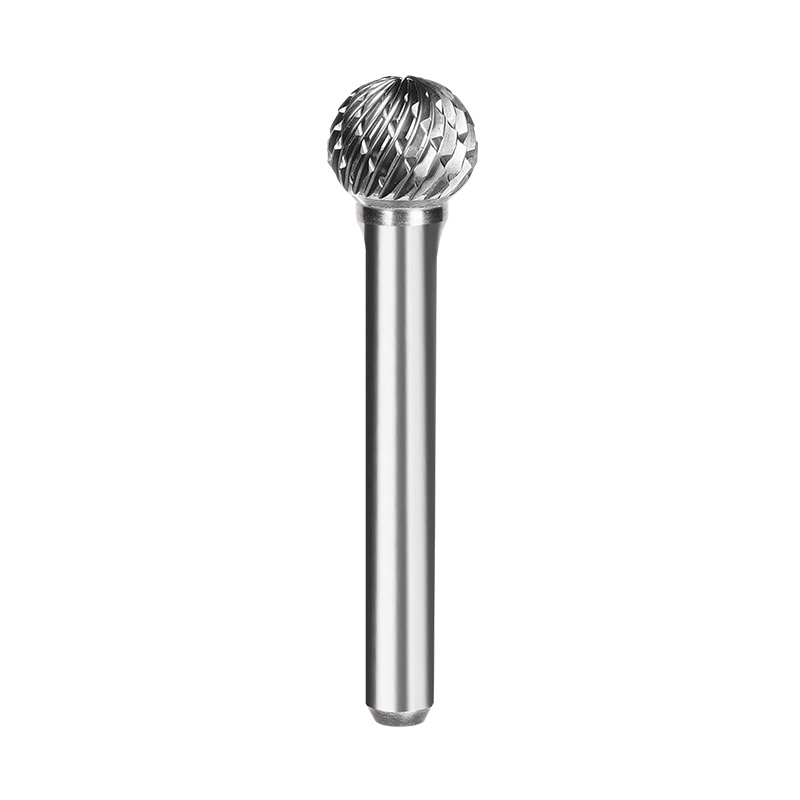
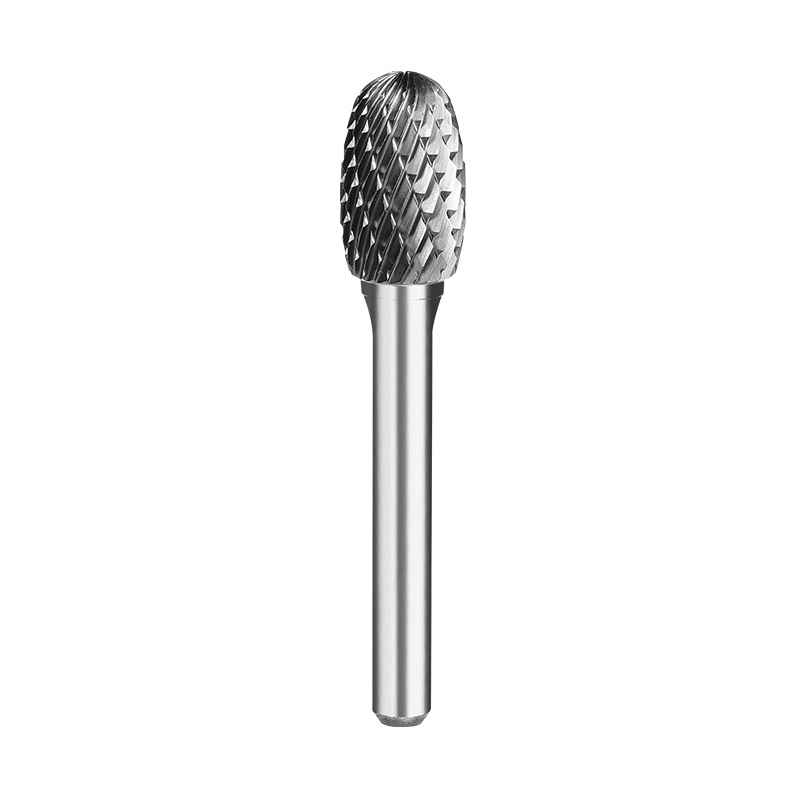
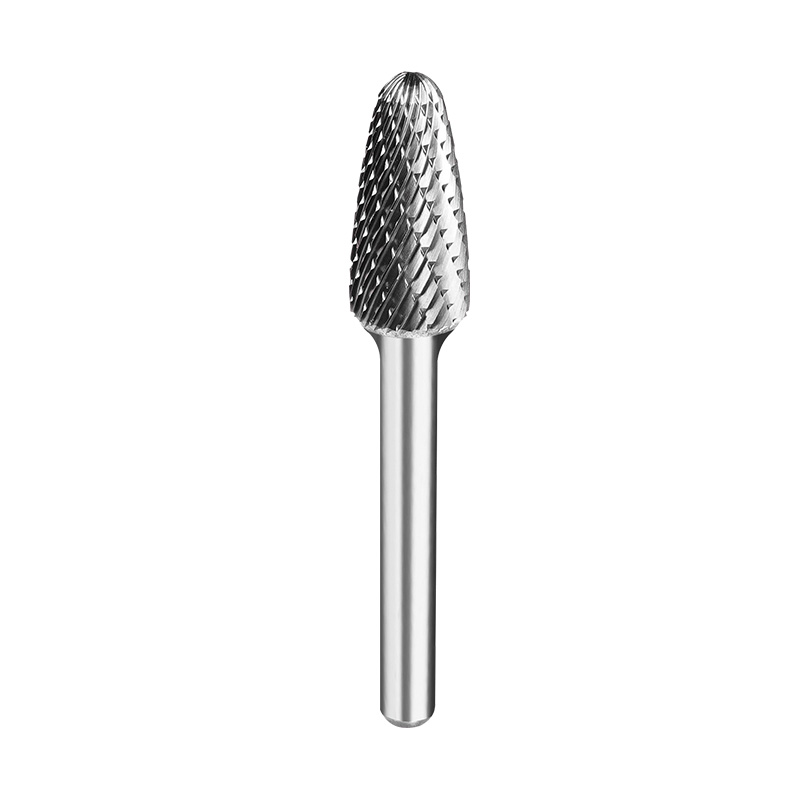
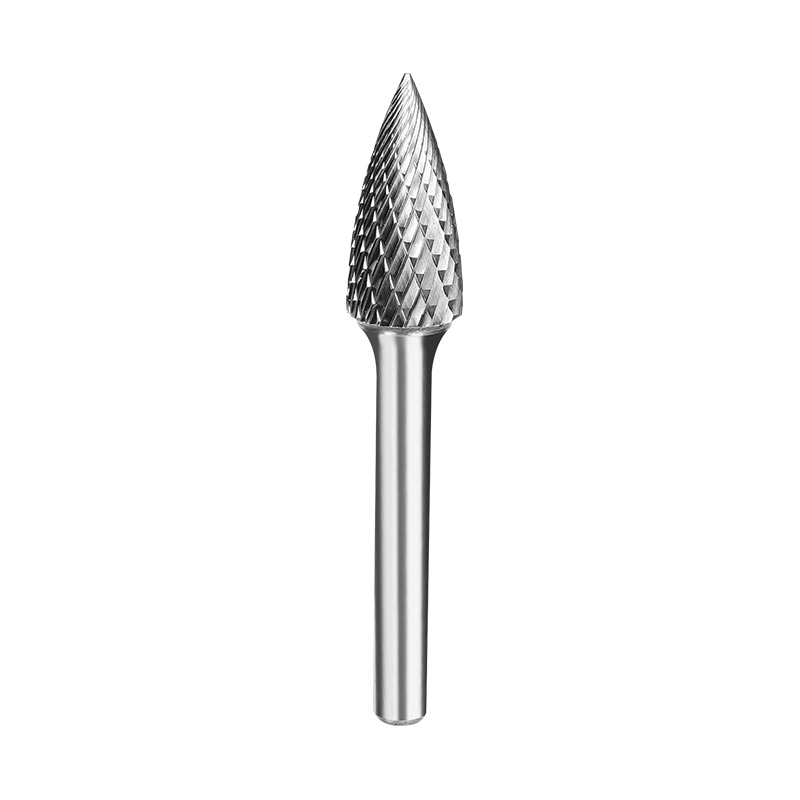
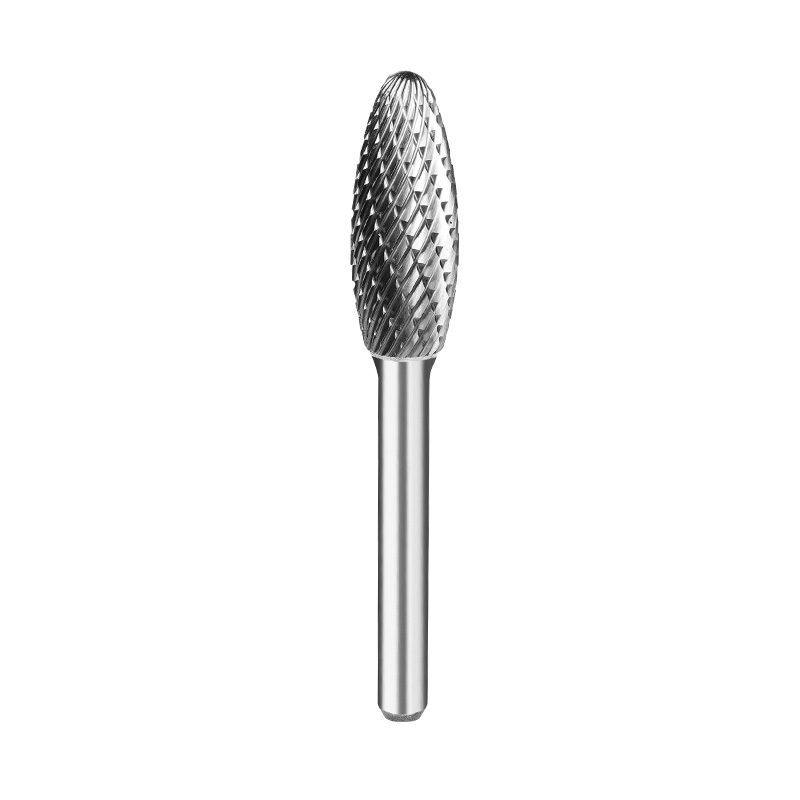
At a glance, many rotary files look alike. The size may be close. The surface pattern may appear similar. For someone new to the tool, the Rotary Files Price gap can feel confusing.
The difference often starts with purpose. A tool made for light surface work does not need to perform in the same way as one used for repeated shaping. The internal structure, even if not visible, is often adjusted to match that purpose.
There is also a difference in how long the tool is expected to stay in use. Some are designed for occasional tasks. Others are expected to keep working through long sessions. This expectation influences how the tool is made.
Even small details matter. Slight changes in edge form or balance can affect how the tool feels during use. These details take time to refine, and that effort is reflected in the price.
Each application creates its own set of demands. A tool used on softer surfaces behaves differently from one used on harder materials. The resistance it meets, the heat it builds, and the pressure it faces all vary.
In lighter applications, the focus is often on ease of handling. The tool needs to respond quickly and feel comfortable in hand. In more demanding environments, stability becomes more important. The tool must hold its shape and remain steady during longer use.
These differences shape how the product is prepared. A tool for steady, repeated work may go through more careful processing. One for occasional use may follow a simpler path. This contrast is one of the reasons prices vary across applications.
Material choice is not always visible, yet it has a clear influence on how a rotary file behaves. A softer material may feel smoother during light use, while a stronger one may hold its form under pressure.
Choosing a material is not only about strength. It is also about balance. A material that is too rigid may feel difficult to control. One that is too soft may wear out faster. Finding the right balance requires adjustment during production.
This process affects cost. Materials that support longer use or more stable performance often require more careful handling. On the other hand, materials suited for lighter tasks may allow for simpler production.
Because of this, two tools with a similar look can behave differently over time. The price reflects that hidden difference.
Design is often noticed through shape, but its deeper role is in how the tool interacts with the working surface. A slight curve, a small angle, or a subtle change in pattern can alter the way material is removed.
Some designs are made for wider contact. Others focus on narrow spaces. A tool used for detailed work often requires more refined shaping. This level of detail adds complexity during production.
Balance is another part of design. A tool that feels steady during movement is easier to control. Achieving this balance is not always simple. It requires attention during shaping and finishing.
Below is a general comparison of how design differences can affect pricing:
| Design Element | Practical Effect | Influence on Price |
|---|---|---|
| Contact Shape | Matches different surface areas | More variation may increase cost |
| Edge Form | Changes how material is removed | Requires careful finishing |
| Structural Balance | Affects handling stability | Adds production attention |
| Surface Pattern | Influences interaction feel | Impacts manufacturing effort |
These details may not stand out at first glance, yet they shape how the tool performs in real use.
The way a tool is made often remains behind the scenes. Still, it plays a strong role in the final cost. Some products are made in large batches with a focus on consistency. Others are produced in smaller quantities with more attention to detail.
When production is aimed at general use, the process can be more streamlined. This helps reduce cost. When the tool is meant for a specific task, the process may involve additional steps.
Consistency is also a factor. A tool expected to deliver similar results over time needs a more controlled process. This adds effort, even if the difference is not visible from the outside.
Production is not only about making the tool. It is about shaping how the tool behaves once it is in use.
The environment in which a rotary file is used can change how it is valued. A tool used in short, occasional tasks does not face the same conditions as one used throughout the day.
In continuous use, stability becomes more important. The tool must keep its form and feel reliable over time. This expectation often leads to a higher level of preparation during production.
In lighter use, the demands are lower. The tool does not need to perform under constant pressure. This allows for a simpler structure and a different price level.
Working conditions also include the level of control required. Some tasks demand precision, while others focus on speed. Each condition shapes how the tool is designed and priced.
Price is only one part of the decision. Buyers often think about how a tool fits into their work. A lower cost may seem appealing, but it does not always match the needs of a specific task.
Several practical points guide the decision:
Fit for Purpose
Whether the tool matches the type of work being done.
Ease of Use
How comfortable it feels during handling.
Consistency
Whether it performs in a predictable way over time.
Replacement Frequency
How often it needs to be changed during normal use.
These points help buyers understand value in a broader sense. The right choice depends on the situation, not only on the number shown on a price list.
The market has become more varied in response to changing demand. Instead of offering a narrow range, manufacturers now explore different directions based on application.
Some focus on tools for detailed work. Others develop products for general use. This diversity allows buyers to choose based on their own conditions.
Production methods are also becoming more flexible. Smaller runs make it possible to adjust design and material without committing to large volumes. At the same time, standard products remain available for everyday use.
This balance between flexibility and consistency continues to shape pricing. It reflects a market that is no longer built around a single type of user.
In many cases, the difference between two rotary files is not obvious at first glance. The shape may look the same. The size may match. Yet the experience of using them can be quite different.
A tool prepared for repeated use may hold its structure longer. Another may wear more quickly under the same conditions. This difference often comes from small adjustments made during production.
These adjustments require time and attention. Even if they are not visible, they influence how the tool performs. Over time, this performance difference becomes more noticeable.
That is why price gaps exist. They reflect not only the object itself, but the way it is shaped for its intended role.
Cooperate with us now
contact Us
Characteristic Industrial Park, Furong Town, Yueqing City, Zhejiang Province, China.
+86-13757799073
+86-13587713956

Wholesale Carbide Rotary Burs Factory