 English
 Español
 Inquiry
Walk into a workshop and you will often find rotary files sitting quietly among other tools. They are not large, and they do not draw much attention. Still, when a surface needs a small adjustment, they are usually within reach.
These tools are used in moments where detail matters. A corner feels slightly off. An edge looks uneven. Something small needs to be corrected before the work can move on. China Rotary Files step in at that point, not to reshape everything, but to refine what is already there.
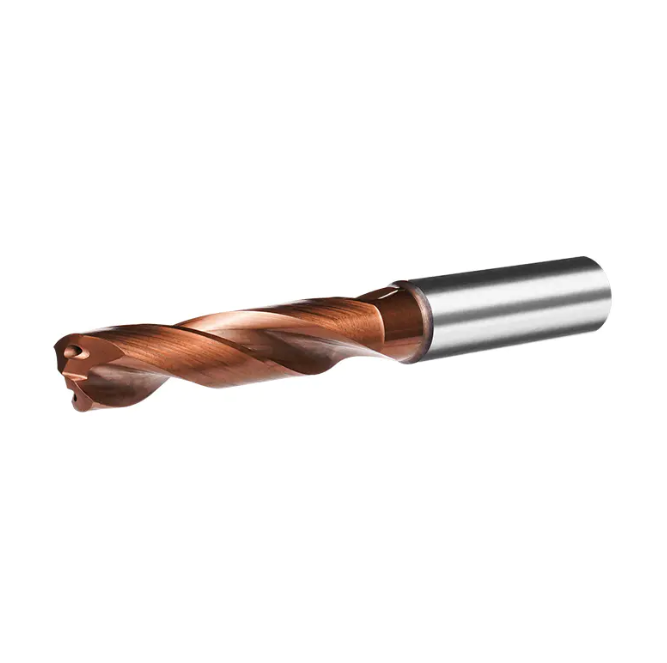
China has become a familiar source for these tools. Production is spread out, not concentrated in a single place. Different workshops focus on different styles, and this creates a wide mix of options. For buyers, that means more room to choose, but also more to think about.
The market itself does not move in dramatic ways. It grows through daily use. Small orders, repeat purchases, quiet demand. Over time, that adds up.
In many cases, rotary files appear near the end of a process. A piece has already been cut or shaped. It looks complete at first glance. Then someone notices a detail that needs attention.
In metalworking, that detail might be a rough edge left behind after cutting. The main machine does most of the work, but it cannot always leave a clean finish. A few passes with a rotary file can soften that edge and make the part easier to handle.
Woodworking feels a bit different. Here, the tool is not only for fixing things. It is also part of shaping and design. Small curves, patterns, or slight adjustments in form often rely on hand control, and rotary files provide that control without much setup.
Repair work tells another story. Sometimes parts do not fit together the way they should. Replacing them may not be practical. A small adjustment can solve the problem. Rotary files are often used in these situations because they allow gradual changes rather than sudden ones.
There are also cases in mold preparation. A mold might need a slight correction before it can be used again. These changes are not large, but they matter over repeated production.
| Work Setting | How Rotary Files Are Used |
|---|---|
| Metalwork | Smoothing and edge adjustment |
| Woodwork | Shaping details and light carving |
| Repairs | Fine fitting between parts |
| Mold work | Minor corrections before use |
| Small crafts | Surface texture and detail work |
It is not the kind of tool that dominates a process. It supports it.
Materials are not always discussed, yet they shape how a rotary file behaves from the moment it touches a surface.
Some tools feel smooth right away. They move without much resistance. This can be helpful when working on softer materials or when the task requires a steady hand.
Others feel more rigid. They do not give as easily, but they hold their form over time. This can make them more suitable for tougher surfaces where wear becomes an issue.
Heat is part of the experience too, even if it is not always mentioned. Friction builds up during use. Some materials handle that better than others. When heat is managed well, the process feels more stable and predictable.
There is no clear line that separates one material from another in terms of use. It often comes down to habit. What a user is comfortable with, what they have used before, and what feels right during the task.
Suppliers tend to offer a range because of this. Limiting options would not match the variety of real working conditions.
The mention of China in this market is not surprising. Over time, it has become part of the supply conversation.
One reason is the spread of production. Instead of relying on a single large facility, there are many smaller and mid-sized workshops. Each contributes to the overall supply. This creates a steady flow rather than a single point of output.
Flexibility also plays a part. Orders are not always the same. Some buyers need smaller quantities. Others require more volume. Being able to respond to both without too much delay makes a difference.
Communication has changed as well. It is more direct now. Questions can be answered quickly, and details can be confirmed before production begins. This reduces confusion later on.
Shipping and logistics support the process. Established routes make delivery more predictable. Buyers can plan ahead without constant uncertainty.
None of these factors stand alone. Together, they shape how buyers view the source.
At a glance, rotary files may look similar. A closer look shows that shape makes a real difference.
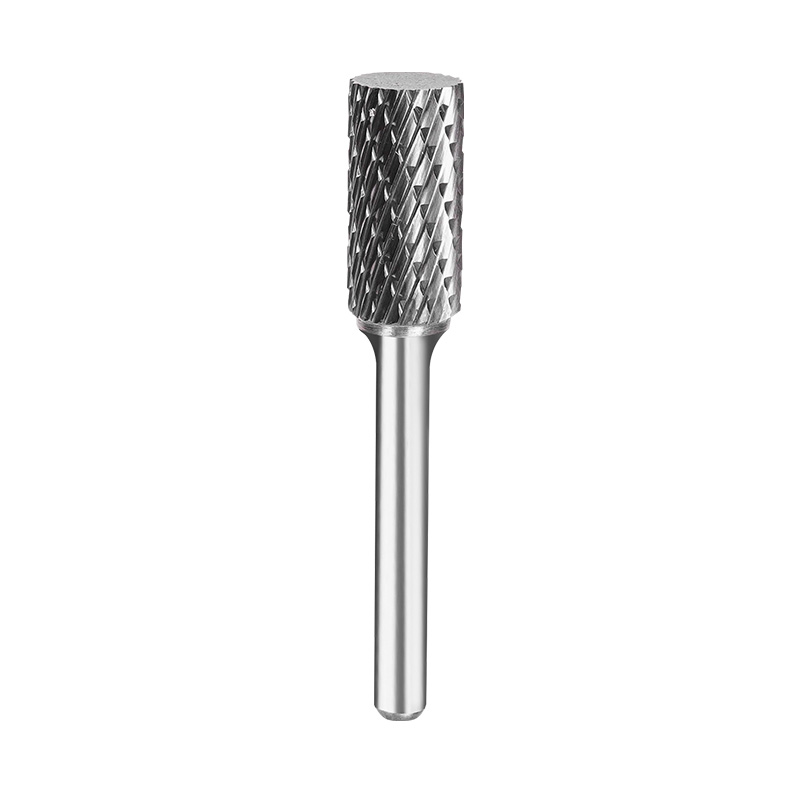
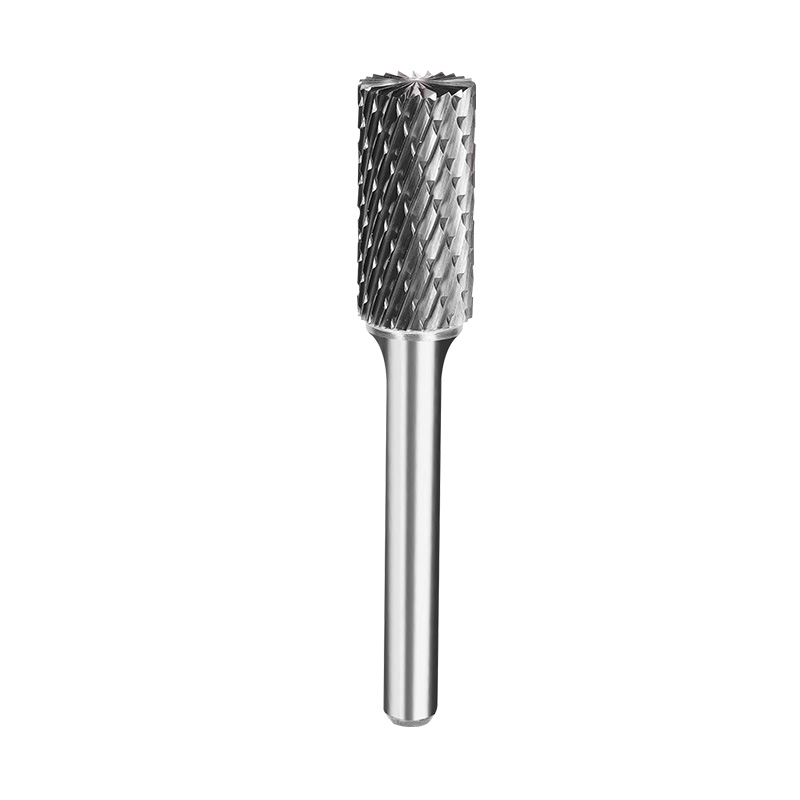
Straight forms are often used on flat areas. They allow even contact across a surface. This helps keep the finish consistent.
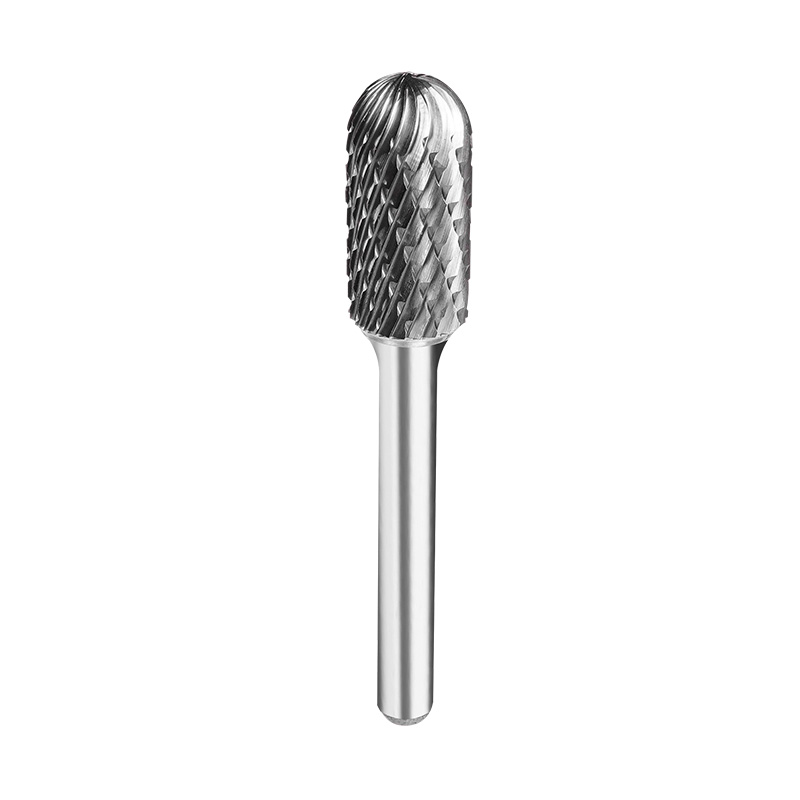
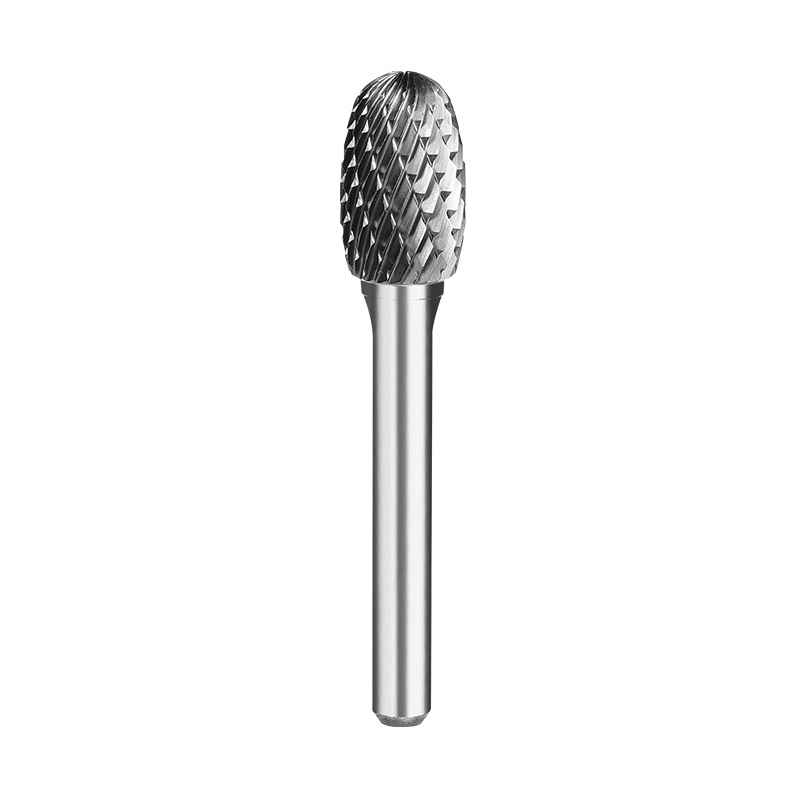
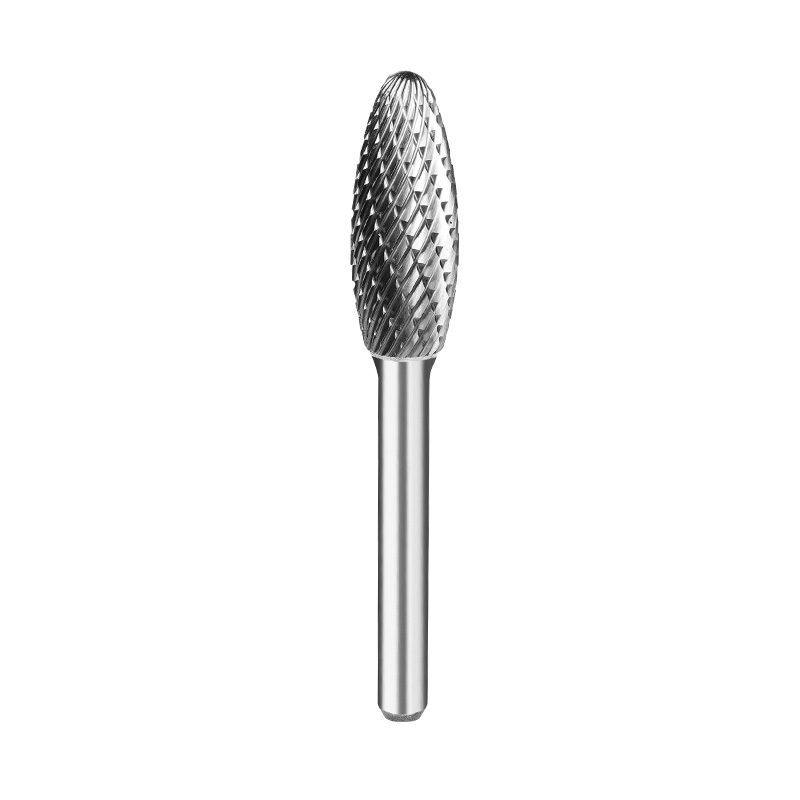
Rounded forms fit better into curved sections. They follow the shape naturally, which reduces the need for repositioning.
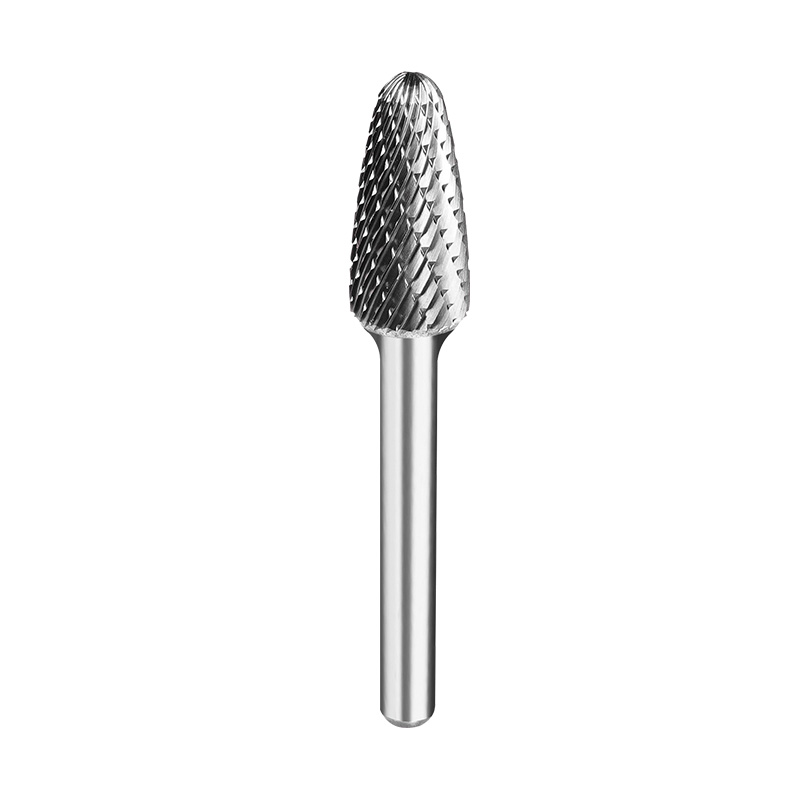
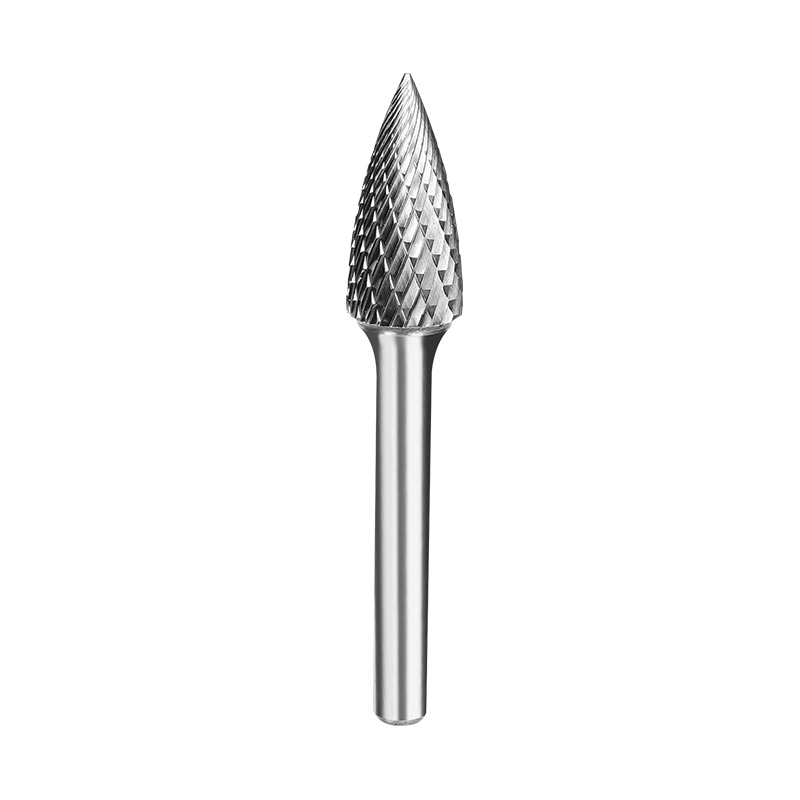
Tapered designs are useful when space is limited. They can reach areas that wider shapes cannot access easily.
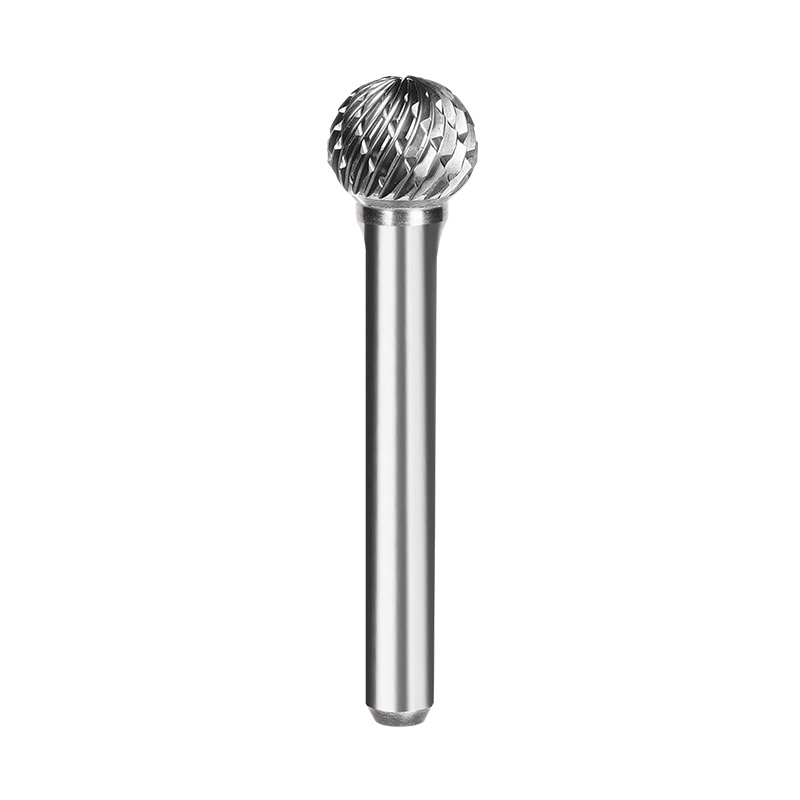
Ball-shaped forms are often used inside deeper curves. They allow movement in multiple directions without catching on edges.
| Shape Type | Practical Use |
|---|---|
| Straight | Flat surfaces and edges |
| Rounded | Curved transitions |
| Tapered | Narrow or tight spaces |
| Ball | Inner curves and recessed areas |
In daily work, users rarely rely on one shape alone. A small set usually covers more situations and reduces interruptions.
Demand for rotary files does not usually make headlines. It changes quietly.
When production activity increases, demand rises with it. More parts need finishing. More adjustments are required. The tools follow that need.
Even when activity slows, there is still replacement demand. Tools wear down over time. They are used again and again until they no longer perform as expected.
Smaller workshops have added another layer to this demand. Many independent makers rely on simple tools that do not require complex setups. Rotary files fit easily into that environment.
There is also a subtle shift toward smoother workflows. Users want tools that do not interrupt the process. Not faster in a dramatic sense, but easier to work with.
Demand comes from many directions at once. It does not depend on a single industry.
When selecting rotary files, buyers tend to focus on practical concerns rather than abstract ideas.
Consistency matters. A tool should behave in a similar way each time it is used. This helps avoid surprises during work.
Clear communication is another point. Buyers prefer straightforward answers. Complicated descriptions do not help when decisions need to be made quickly.
Packaging can influence storage and handling. Tools that are packed in an organized way are easier to manage once they arrive.
Delivery timing also enters the picture. Buyers often work with schedules. Delays can create small problems that grow over time.
| Consideration | What It Means in Practice |
|---|---|
| Consistency | Reliable use across batches |
| Clarity | Easy understanding of product details |
| Packaging | Safe and simple storage |
| Delivery | Predictable arrival time |
| Response | Practical handling of issues |
These are not unusual expectations. They reflect how work is carried out on a daily basis.
Some details only become clear after repeated use.
Balance is one of them. A tool that feels steady in hand allows more controlled movement. This is noticeable during longer tasks.
Surface feel also matters. If the interaction between tool and material is smooth, the process becomes easier to manage.
Vibration can affect comfort. Less vibration often means less strain, especially when the tool is used for extended periods.
These are not features that stand out immediately. They reveal themselves over time.
Work conditions are not fixed. Buyers adjust their needs based on their own projects and customers.
Some look for slight changes in design or packaging. Others need flexibility in order size. Being able to respond to these differences helps suppliers stay relevant.
Production methods also adapt. Handling both small and large orders without disruption becomes part of the process.
Adaptability does not mean constant change. It means being ready to adjust when needed.
Availability often shapes choice more than expected.
A tool that arrives on time can keep work moving. A delay, even a small one, can interrupt a schedule.
Distribution networks help reduce that risk. Regular shipping paths and organized handling make delivery more predictable.
China's export structure supports this flow. Products move through different channels and reach a wide range of markets.
Buyers often look for suppliers who can maintain that steady supply rather than those who offer irregular shipments.
Cost is always present in decision-making, but it is rarely the only concern.
A tool that works smoothly may reduce effort over time. This can balance out its cost during repeated use.
At the same time, some users prefer simpler options for occasional tasks. Not every situation requires long-term durability.
The choice often depends on how the tool fits into the user's routine.
This balance can shift. As experience grows, preferences may change.
The future of rotary files does not rely on sudden shifts. It follows gradual changes in how people work.
There is a steady move toward more detailed work. Small adjustments continue to matter in many industries.
Smaller production setups are becoming more common. These environments often rely on tools that are easy to use and adapt.
There is also more awareness around material use. Users think about how long tools last and how often they need to be replaced.
Digital platforms make it easier to compare options. Buyers can explore without relying on a single source.
These changes do not happen all at once. They build over time, shaping the way the market moves.
Cooperate with us now
contact Us
Characteristic Industrial Park, Furong Town, Yueqing City, Zhejiang Province, China.
+86-13757799073
+86-13587713956

Wholesale Carbide Rotary Burs Factory