 English
 Español
 Inquiry
Manufacturing floors have changed in tone and pace. Orders are no longer steady streams of identical parts. Shapes vary. Materials shift. Tolerances feel tighter, even when they are not written down in exact terms. In this setting, cutting tools carry more responsibility than before.
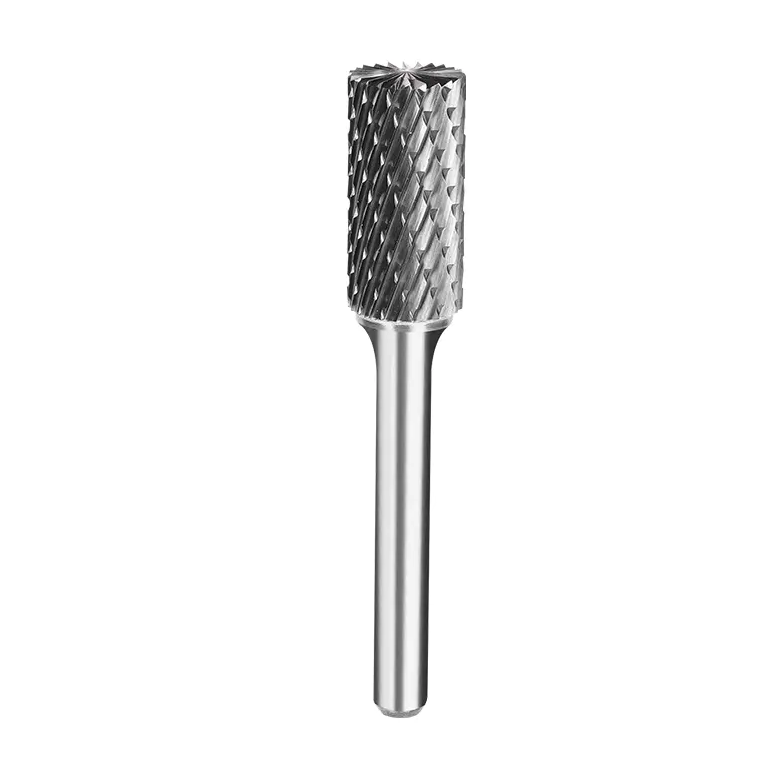
Among these tools, solid carbide milling cutters hold a steady place. They are not new to the industry. Yet their role keeps expanding as production demands become more varied. They move through different tasks without drawing attention, but their influence shows up in surface quality, process stability, and how often machines need to pause.
Their suitability for complex work does not come from a single feature. It comes from how material, structure, and use conditions interact during real production.
Complex machining is not only about difficult shapes. It also involves changing conditions during the cutting process. A tool may move from a flat surface into a curved path. It may cut through areas with different resistance. It may need to maintain a steady finish while the path keeps shifting.
These changes create small moments of stress. Each moment may not be dramatic. Yet over time, they affect tool behavior.
A cutting tool used in such conditions must remain stable. It must keep its edge shape for a longer period. It must respond smoothly when the path changes. If it reacts too sharply or too slowly, the result can show on the workpiece.
This is why material choice and structural balance become more important in complex tasks.
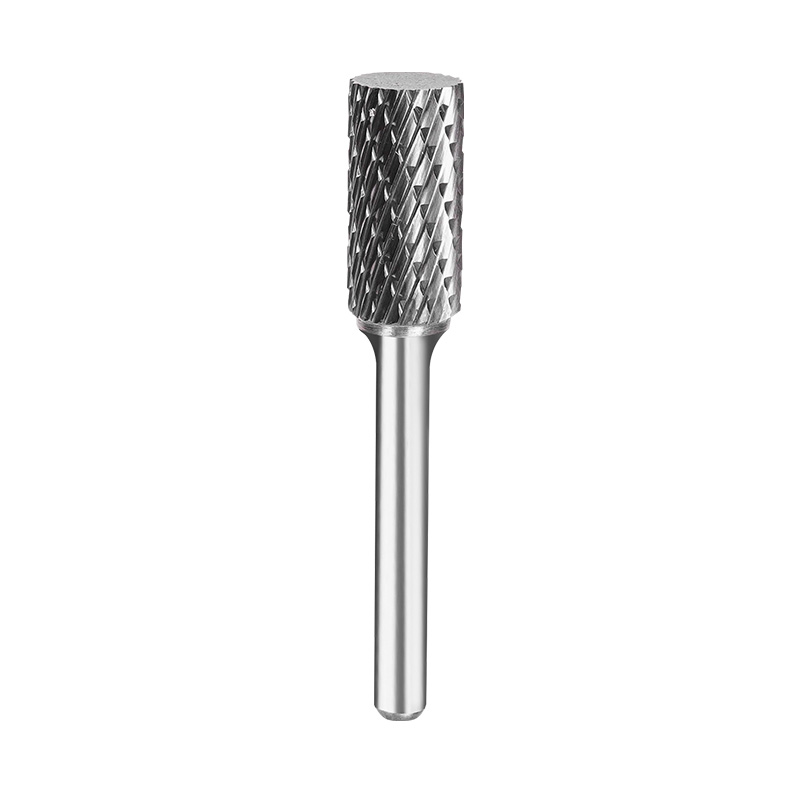
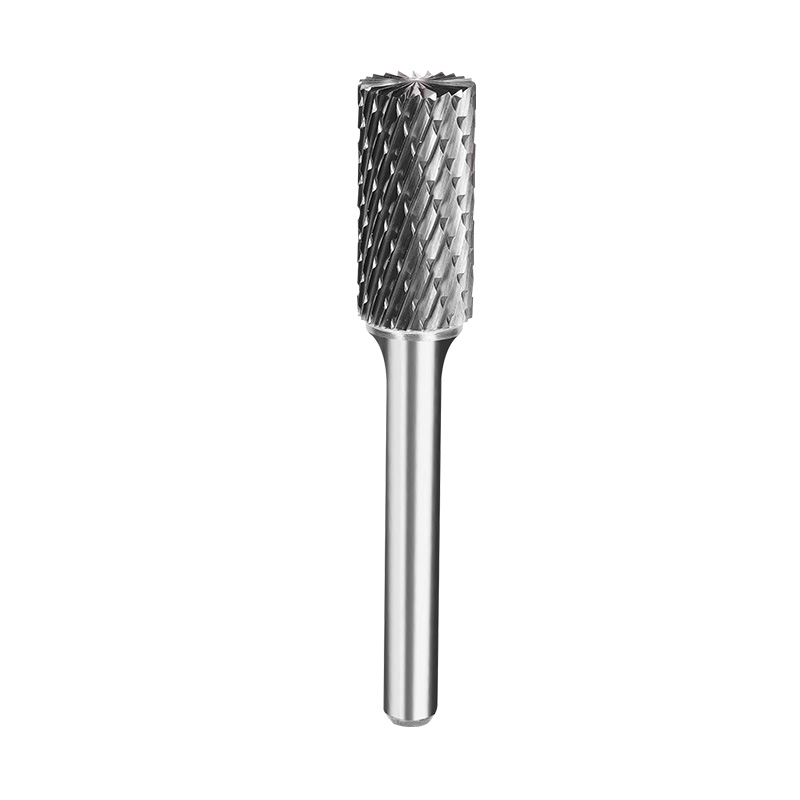
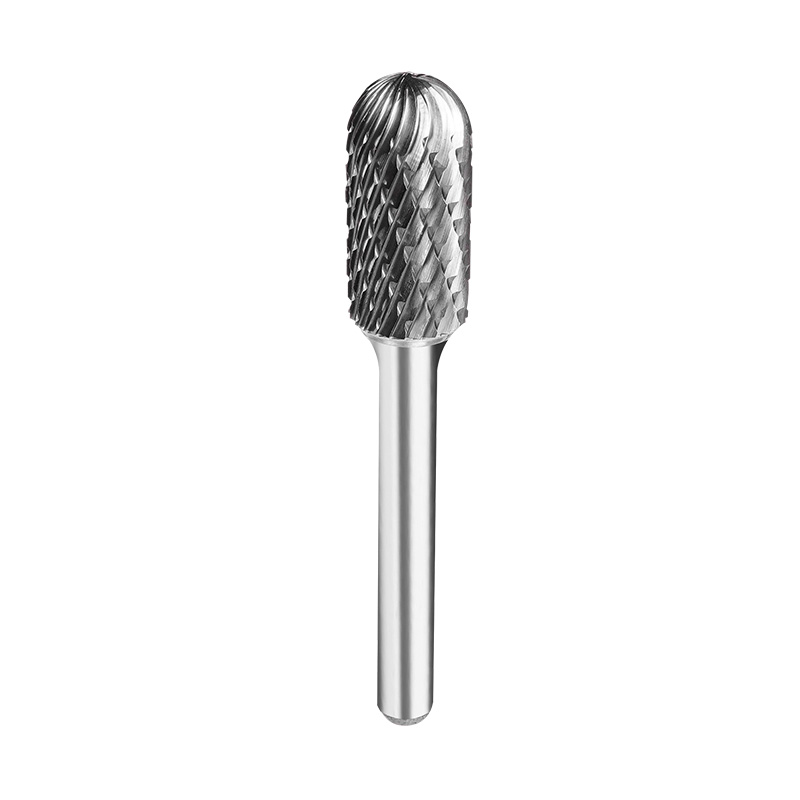
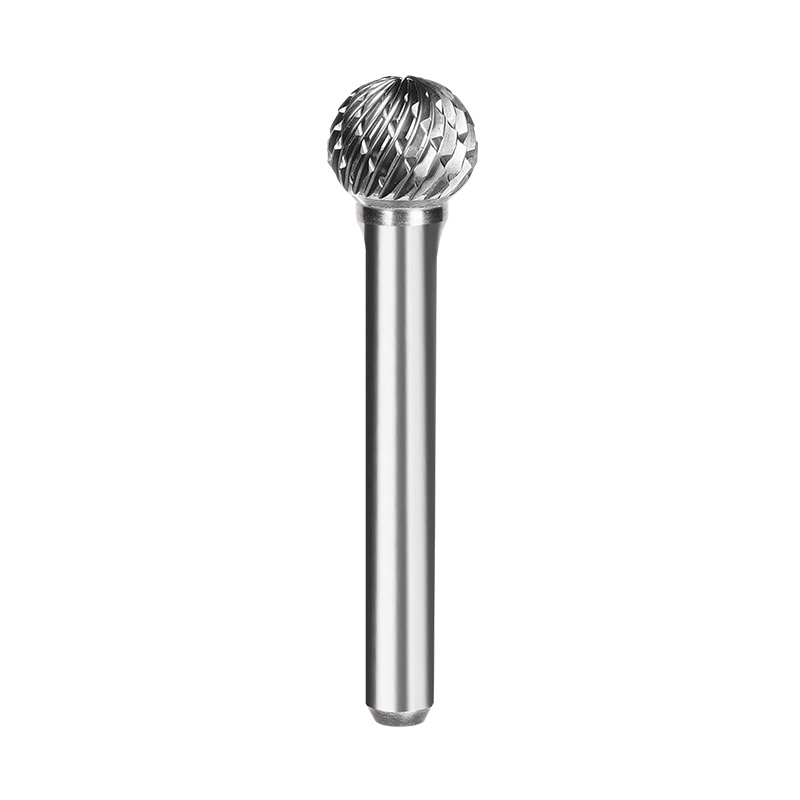
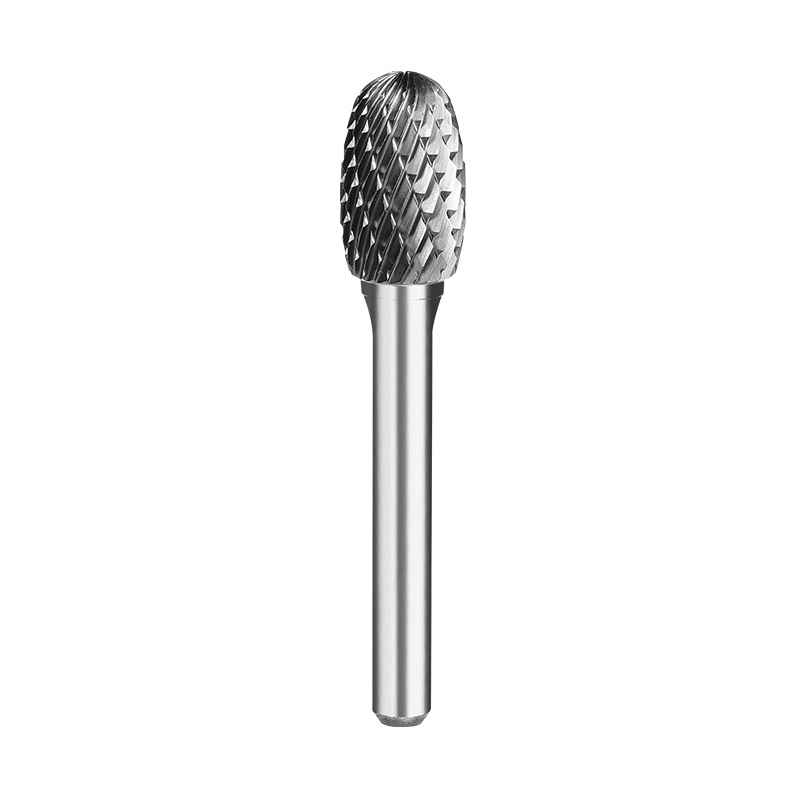
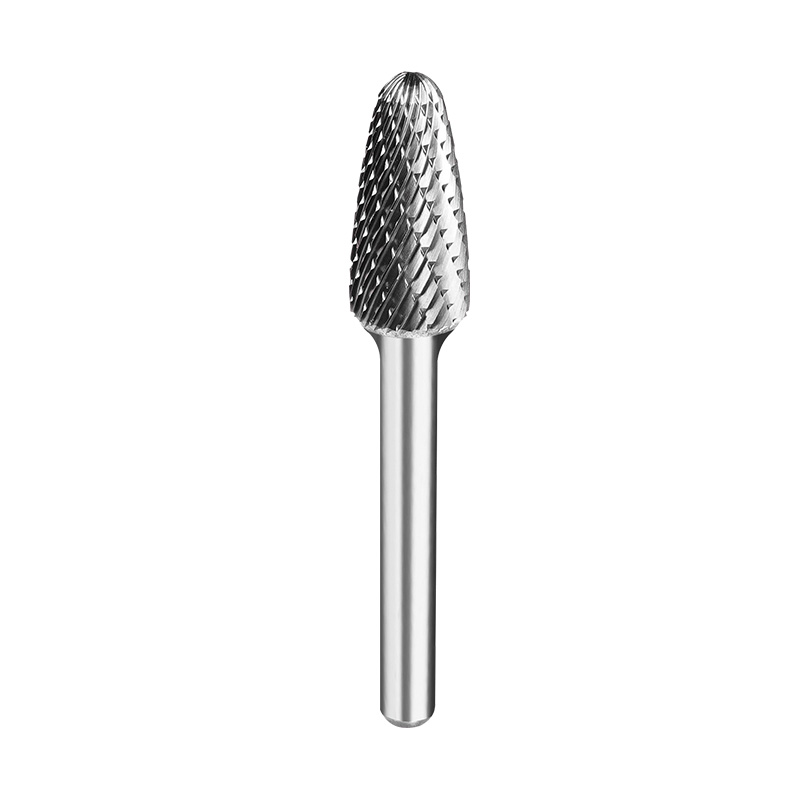
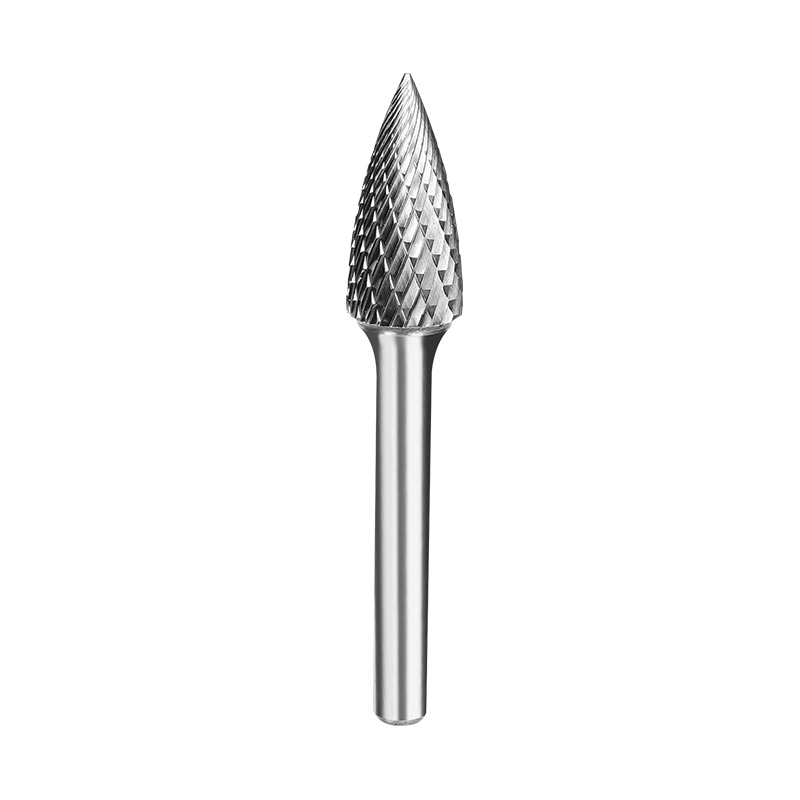
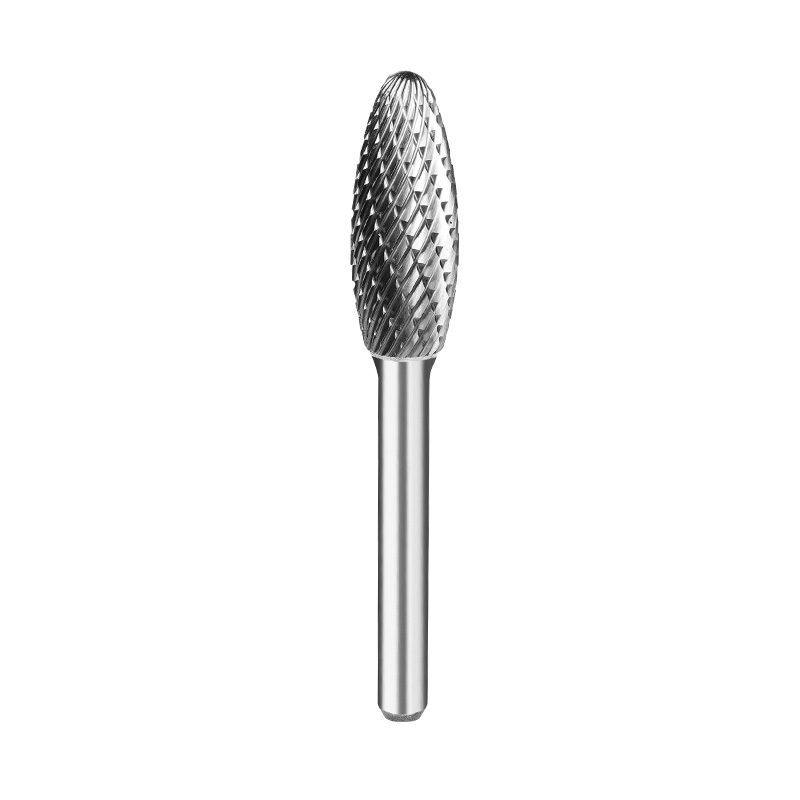
A solid carbide milling cutter is made from a single piece of hard material. It does not rely on separate cutting tips or replaceable parts. The cutting edges are part of the same body.
This unified structure creates a direct connection between the cutting edge and the rest of the tool. When the tool rotates and engages with material, the force moves through one continuous piece.
This design helps reduce small shifts that may happen in assembled tools. It supports a more stable cutting motion, especially when the path is not simple.
In practical use, the tool becomes an extension of the machine. Its response reflects both its own structure and the conditions around it.
Material toughness makes a subtle yet big difference during machining. Cutting tools keep rubbing against workpieces nonstop, generating constant heat and pressure each time they make contact.
Tough tool material holds its original cutting edge well under these harsh conditions. It stops the blade from warping easily, and lets operators run longer cutting sessions without swapping tools constantly.
Machining work rarely only involves straight cuts. Tools dive into and pull out of stock from all angles, which builds up uneven stress across the tool.
Materials that stand up to this shifting stress deliver steadier cutting. The tool runs smoothly without sudden shifts in cutting quality mid-process.
The cutting edge is where the tool meets the workpiece. Its condition directly affects the final result.
In simple tasks, the edge follows a predictable route. In complex tasks, the path may curve, change depth, or shift direction.
These changes require the edge to remain consistent. If the edge wears unevenly or loses its shape, the effect appears on the surface of the part.
Edge stability helps maintain a uniform cut. It supports consistent texture and reduces visible marks.
This stability is not only about durability. It is also about how the edge interacts with material during changing conditions.
Structure refers to how the tool is shaped and balanced. It includes the body, the cutting edges, and the way they are arranged.
A balanced structure helps distribute force evenly during rotation. When force is uneven, vibration may occur. Even small vibrations can affect the quality of the cut.
In complex machining, vibration risk increases. The tool may engage with material at different angles. It may cut deeper in some areas and lighter in others.
A well-structured tool helps reduce these effects. It supports smoother motion and allows the machine to maintain a steady rhythm.
Heat is always present in cutting operations. It forms where the tool meets the material.
In simple operations, heat may remain relatively stable. In complex tasks, heat can change quickly. Different areas of the workpiece may react differently.
A tool must handle these changes without losing its edge condition. If heat builds up unevenly, it can affect both the tool and the workpiece.
Solid carbide tools tend to handle heat in a steady way. Their material allows them to operate under varying conditions without sudden loss of performance.
This helps maintain a consistent process, even when the path changes.
Surface quality reflects how smoothly the tool interacts with the material. It is one of the visible outcomes of the machining process.
In complex parts, surface areas may include curves, edges, and transitions. Each area requires the tool to adapt without leaving marks.
A stable cutting tool supports a cleaner surface. It reduces irregular patterns that may appear due to vibration or uneven cutting.
This does not mean the surface becomes uniform by default. It means the tool helps maintain consistency across different sections of the part.
Even in complex machining, tool life remains important. Frequent tool changes interrupt production flow. They also increase handling time.
A tool that lasts longer supports a smoother workflow. It allows machines to operate without frequent pauses.
In complex tasks, wear may not be even. Some parts of the edge may face more stress than others.
A material that resists this uneven wear helps extend usable life. It also supports consistent performance over time.
This balance between durability and cutting ability is one reason solid carbide tools are often used.
Cutting conditions are rarely constant in complex work. The tool may move through different depths and angles. It may encounter varying resistance.
These changes require the tool to adjust continuously. It must remain stable even when the conditions shift.
A tool that reacts too strongly may cause uneven cutting. A tool that reacts too slowly may lose efficiency.
Solid carbide cutters tend to provide a balanced response. Their structure allows them to adapt without sudden changes in behavior.
When tools are not stable, several issues may appear:
These issues do not always stop production. Yet they make it harder to maintain a steady process.
Over time, they can affect both quality and efficiency.
Tool choice is often part of early planning. It affects how a process is set up and how it runs over time.
A stable tool allows for more predictable planning. Operators can expect similar results across multiple cycles.
In complex machining, this predictability becomes valuable. It reduces uncertainty and helps maintain a steady workflow.
Tool selection is not only about immediate performance. It also shapes how the entire process behaves.
Different materials respond differently during cutting. Some are softer and easier to shape. Others offer more resistance.
A cutting tool must handle these differences without constant adjustment.
Solid carbide tools are often used because they can operate across a range of materials. Their strength and structure support this flexibility.
This does not mean they behave the same in every case. It means they can adapt without losing stability.
A tool does not work alone. It is part of a larger system that includes the machine and the setup.
Compatibility between tool and machine affects overall performance. A stable tool supports smoother interaction with the machine.
In complex tasks, this interaction becomes more visible. Small differences in response can affect the outcome.
A well-matched tool helps maintain balance in the system. It allows the machine to operate with fewer interruptions.
Consistency is not created in one step. It comes from how different parts of the process work together.
Tool design influences how the tool behaves during cutting. It affects stability, response, and wear patterns.
In complex machining, consistent behavior becomes more important. The process involves many small changes. A stable tool helps keep these changes under control.
This supports a more uniform result across different parts and production cycles.
Manufacturing demand continues to evolve. Products become more varied. Designs include more detailed features.
This pushes tool development forward. Tools must handle more complex tasks without increasing process difficulty.
Solid carbide milling cutters reflect this shift. Their design supports both precision and stability in changing conditions.
They are not a solution on their own. They are part of a system that adapts to new production needs.
Efficiency is no longer defined only by speed. It includes stability, consistency, and reduced need for correction.
A process that runs smoothly without frequent interruption feels efficient, even if it is not the fastest.
Cutting tools play a role in this balance. A stable tool reduces variation and supports a steady workflow.
Solid carbide milling cutters contribute to this by maintaining their shape and behavior over time.
Operators often notice changes in how the machine feels. A stable tool creates a smoother cutting sound and a more predictable response.
There are fewer sudden changes. Adjustments become less frequent.
This does not remove the need for monitoring. It shifts the focus from correction to observation.
A stable tool supports confidence in the process. It allows operators to maintain control without constant intervention.
Cooperate with us now
contact Us
Characteristic Industrial Park, Furong Town, Yueqing City, Zhejiang Province, China.
+86-13757799073
+86-13587713956

Wholesale Carbide Rotary Burs Factory