 English
 Español

A milling cutter may look like a small part of a machining system, but its material can influence how it behaves during everyday cutting. The cutter has to interact with the workpiece repeatedly. It needs to maintain its cutting shape while dealing with friction, heat, pressure, and changing working conditions.
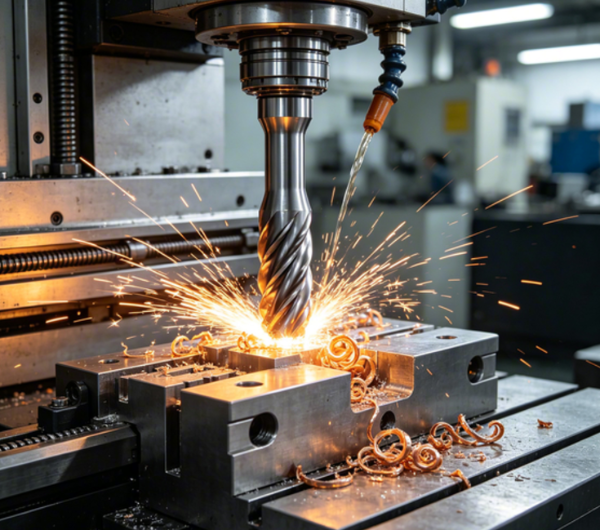
This is why material selection matters when choosing a Solid Milling Cutter. The cutter material is not simply a manufacturing detail. It is closely connected with the type of workpiece, the cutting conditions, the expected surface quality, and the way the tool will be used.
Different materials have different characteristics. Some are suited to applications where hardness is important. Others may offer a useful balance between toughness and resistance to wear. The right choice depends on the relationship between the cutter and the material being processed.
For manufacturers and buyers, understanding this relationship can make tool selection more practical. Instead of looking at the cutter as a single product, it becomes easier to consider what the tool needs to do throughout the machining process.
What Role Does Material Play in a Solid Milling Cutter?
Material shapes how a Solid Milling Cutter's edges hold up during actual cutting work. Every pass against the workpiece brings repeated contact, and that contact generates forces and friction that slowly reshape the edge over time.
Get the material right, and the cutter holds its intended shape for a reasonable stretch of working time. It also shapes how the tool reacts when cutting conditions shift mid-process — a harder workpiece, for instance, tends to demand a different cutter material than something softer would.
Material also determines the overall balance the tool strikes. A very hard cutter resists wear beautifully, sure, but plenty of applications still need enough toughness to survive interruptions or sudden shifts in cutting load. Chasing the hardest available option isn't really the goal here — balance is.
The main factors can be viewed in this way:
| Material Consideration | Why It Matters |
|---|---|
| Hardness | Helps the cutting edge resist gradual wear |
| Toughness | Helps the tool handle changing cutting conditions |
| Wear resistance | Influences how long the cutting edge can remain useful |
| Heat resistance | Helps the tool maintain its properties during cutting |
| Edge stability | Supports consistent cutting action |
| Compatibility | Determines whether the cutter suits the workpiece |
These characteristics work together. A cutter material should match the demands of the application rather than be selected based on one property alone.
Why Does the Workpiece Material Matter?
Whatever's being machined has a direct, unavoidable relationship with which cutter material makes sense. Different workpieces respond in wildly different ways once a cutting edge passes through them — some cut easily, others fight back hard the whole way.
A harder workpiece throws up more resistance during cutting and tends to chew through cutter life faster. That's the scenario where hardness and wear resistance on the cutter side really start to matter.
Softer materials bring their own headaches, though. The cutter needs to produce clean cuts while avoiding unwanted buildup clinging to the edge as it works. Surface finish requirements on the final part can shift tool selection here too.
All of which is exactly why buyers shouldn't pick a Solid Milling Cutter in a vacuum, ignoring what's actually being cut. A tool that shines in one application can fall flat entirely in another.
A practical matching process can begin with these questions:
- What material is being machined?
- Is the workpiece relatively soft or hard?
- Is the material easy to cut or does it create greater resistance?
- Does the application require a clean surface finish?
- Will the machining process involve continuous or interrupted contact?
- Is tool wear a major concern for the application?
These questions give manufacturers and buyers a clearer starting point before comparing specific cutter materials.
How Does Hardness Influence Cutter Selection?
Hardness is an important characteristic because the cutting edge needs to maintain its shape while removing material. If the edge changes too quickly, cutting quality can become less consistent and the tool may need to be replaced more often.
However, hardness should not be considered on its own. A very hard material may resist wear effectively, but an application with sudden changes in cutting conditions may place greater importance on toughness. The cutter needs to remain stable rather than simply resist surface wear.
This creates a balance between hardness and toughness. The right combination depends on the workpiece and the machining environment. Manufacturers often consider the expected contact between the cutter and the workpiece before selecting the material.
For example, a stable machining process may allow greater attention to wear resistance. An application with interruptions or changing contact may require a material that can better handle mechanical stress.
The selection can therefore be viewed as a balance:
Workpiece condition → Cutting demand → Material characteristics → Cutter selection
This simple relationship explains why there is no single cutter material that suits every machining task.
Can Cutter Material Affect Tool Life?
Tool life is closely connected with the condition of the cutting edge. Every cutting operation gradually changes the tool. The rate of this change depends on several factors, including the workpiece, cutting method, tool design, and cutter material.
A suitable material can help slow unwanted edge wear. When the cutting edge remains stable, the cutter can continue producing more consistent results. This may also make tool replacement easier to manage within a production process.
Still, material alone does not determine tool life. Even a suitable cutter material can wear quickly when it is used in an unsuitable application. Incorrect tool selection, poor cutting conditions, or an unsuitable tool design can all influence the result.
For this reason, manufacturers should consider tool life as part of a wider system rather than treating it as an isolated feature.
| Factor | Possible Influence on Tool Life |
|---|---|
| Cutter material | Affects resistance to wear and stress |
| Workpiece material | Determines the demands placed on the cutting edge |
| Cutter geometry | Influences how the edge contacts the workpiece |
| Cutting conditions | Affect heat, friction, and mechanical load |
| Machine stability | Can influence unwanted movement during machining |
| Tool handling | Poor handling can damage the cutting edge before use |
The material choice provides an important foundation, but the rest of the machining process needs to support it.
How Does Material Influence Surface Quality?
The condition of the cutting edge can affect the surface left behind on the workpiece. When an edge remains stable, the cutter can maintain a more consistent interaction with the material.
If the edge becomes worn or damaged, the cutting action may change. The resulting surface may show unwanted marks or variations. This can become more noticeable when the finished part has visible surfaces or needs to fit with another component.
Material selection can therefore have an indirect relationship with surface quality. A cutter material that matches the workpiece and application can help the edge remain in a useful condition during machining.
The design of the cutter still matters. Edge shape, cutter form, and the overall tool structure work together with the material. A suitable material cannot compensate for every design problem.
For manufacturers, this means that surface quality should be considered during the complete selection process. The question is not simply whether a material is durable. It is whether that material can support the required cutting behavior for the intended application.
What Types of Materials Are Commonly Considered for Solid Milling Cutters?
Solid milling cutters can be produced from different tool materials, with each option offering a different balance of characteristics. The choice depends on the workpiece and the type of machining required.
Cemented carbide is widely associated with solid cutting tools because it combines hardness with useful resistance to wear. It can be suitable for many machining applications where the cutting edge needs to remain stable during repeated contact.
High-speed steel is another material that has been used for cutting tools. It offers a different balance of toughness and hardness and can be considered for applications where these characteristics fit the machining process.
Other material choices and surface treatments may also be used depending on the intended application. The purpose is generally to improve how the cutting edge interacts with the workpiece and responds to the surrounding conditions.
| Cutter Material Type | General Character |
|---|---|
| Cemented carbide | Hard and wear-resistant, suitable for many machining applications |
| High-speed steel | Balanced hardness and toughness |
| Specialized tool materials | Selected for particular machining requirements |
| Treated or coated surfaces | Used to modify surface behavior and cutting characteristics |
The key point is that material names alone do not determine suitability. Buyers should look at how the material characteristics correspond with the workpiece and machining task.
How Should Manufacturers Match Cutter Material With Different Applications?
Manufacturers need to look beyond the cutter itself when selecting material. The application provides the context. A cutter used for general metal machining may face different demands from one used for a harder workpiece or a more detailed machining operation.
The machine, workpiece shape, cutting method, and expected production process can all influence the selection. If the machining process is stable and continuous, wear resistance may receive more attention. If the process involves changing contact, toughness may become more important.
Application matching can be organized around several areas:
- Workpiece characteristics
Identify the material and understand how it behaves during cutting. - Machining purpose
Consider whether the cutter is intended for material removal, shaping, finishing, or another operation. - Tool design
Review the relationship between cutter shape and material choice. - Working environment
Consider heat, friction, machine stability, and other conditions that may affect the cutting edge. - Expected service pattern
Think about how frequently the cutter will be used and how tool replacement fits into production.
This approach can help prevent a common purchasing mistake: choosing a cutter based only on its material name. Two cutters made from similar material can still behave differently because their designs and intended applications are different.
What Should Buyers Consider When Choosing Solid Milling Cutter Material?
Buyers often need to balance cutting performance, application requirements, maintenance, and purchasing considerations. Material is an important part of this process, but it should be evaluated alongside the complete cutter design.
A useful discussion with a manufacturer should include the workpiece material and intended application. Buyers can also explain the type of machining process, the desired surface condition, and any concerns about tool wear. This information gives the manufacturer a clearer picture of what the cutter needs to handle.
Before making a purchasing decision, buyers can review the following points:
- Workpiece compatibility: Does the cutter material suit the material being machined?
- Wear resistance: Can the cutting edge maintain its useful condition during the intended application?
- Toughness: Can the material handle the expected cutting environment?
- Surface requirements: Is the cutter suitable for the desired appearance of the finished part?
- Tool design: Does the cutter shape support the selected material?
- Application range: Can the cutter be used for the intended machining tasks?
- Maintenance needs: Is inspection and replacement easy to manage?
- Manufacturer communication: Can the supplier explain why the selected material matches the application?
The growing variety of machining applications has made material selection an important part of Solid Milling Cutter purchasing. Buyers are not simply choosing a piece of cutting equipment. They are selecting a material and tool combination that needs to work with a specific workpiece and production process.
A thoughtful choice starts with the material being machined, then moves toward the cutter's required characteristics. Hardness, toughness, wear resistance, surface behavior, and tool design all have a place in that decision. When these factors are considered together, cutter selection becomes less about choosing a material in isolation and more about finding a practical match for the machining task.