 English
 Español
 Inquiry
Modern manufacturing rarely depends on a single type of cutting task.
One production line may involve shaping a surface, creating an opening, cutting a slot, or producing a detailed feature. Different materials may also appear in the same workshop. This variety has made cutting tool selection an important part of everyday production planning.
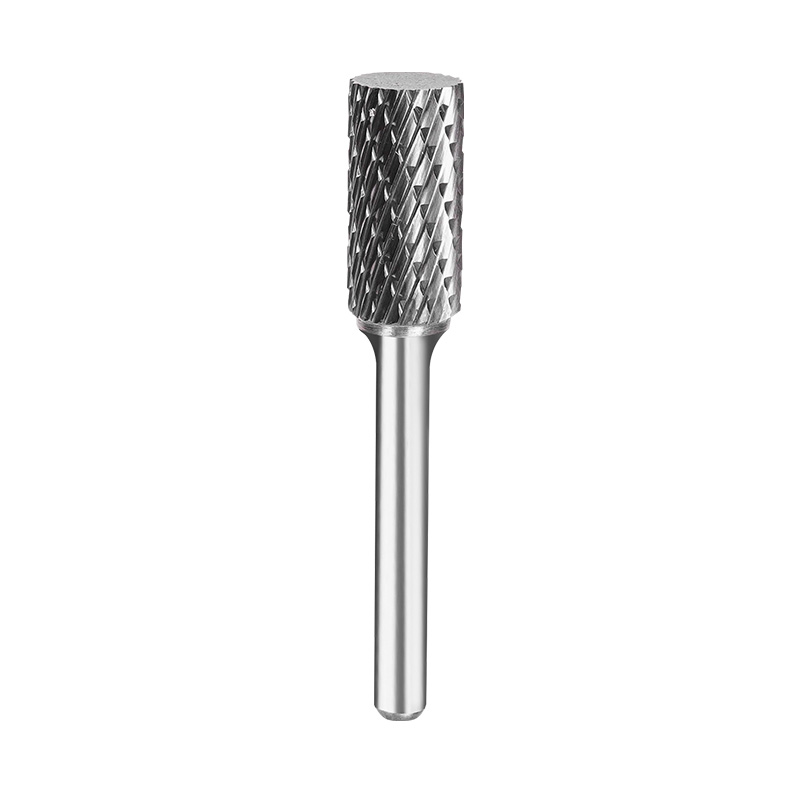
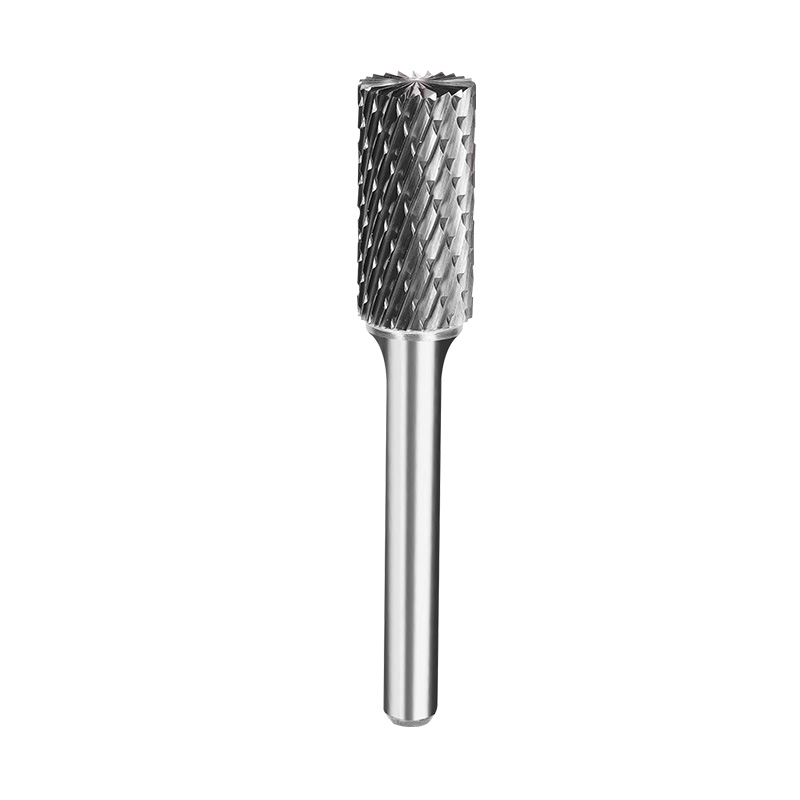
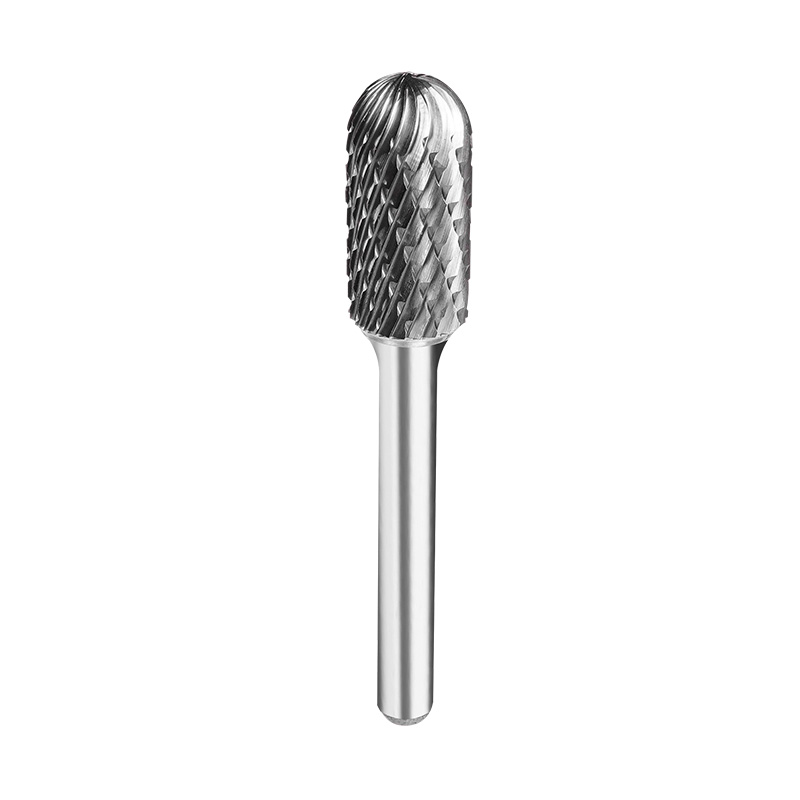
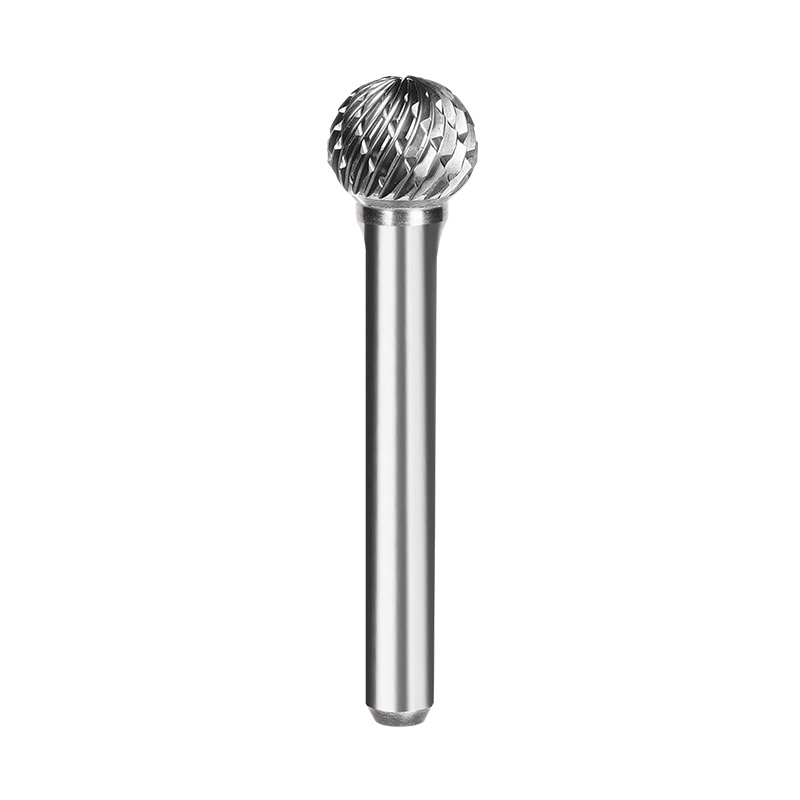
Solid carbide cutters are often considered when manufacturers need a cutting tool that can work across different machining situations.

The term describes a cutter made from carbide material as a solid body rather than simply using a carbide cutting section attached to another material. This construction gives the tool a distinct combination of hardness, rigidity, and resistance to wear.
Yet the role of a solid carbide cutter is not simply about being made from a particular material.
Its performance depends on the relationship between the cutter, the workpiece, the machine, and the cutting task. A tool designed for one type of work may not be the right choice for another.
This has encouraged manufacturers to pay more attention to cutter design and application matching. Instead of asking whether a carbide cutter can perform a task in general, users are increasingly asking which type of cutter is suitable for the specific work they need to complete.
A machining task places several demands on a cutting tool.
The cutter needs to interact with the workpiece while maintaining its shape. It also needs to handle repeated contact during production. The cutting edges must remain useful as the tool moves through the material.
Solid carbide provides a hard material base for this type of work.
Because the cutter is formed from carbide rather than relying on a separate body and cutting insert, it can provide a rigid structure. This can be useful when machining operations require controlled movement and consistent contact with the workpiece.
Tool geometry also matters.
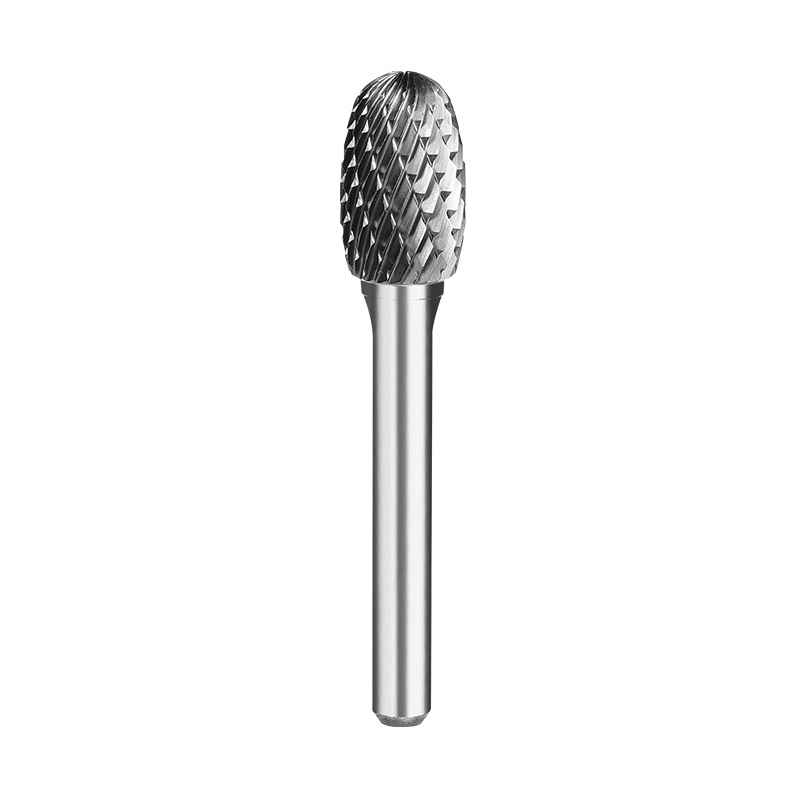
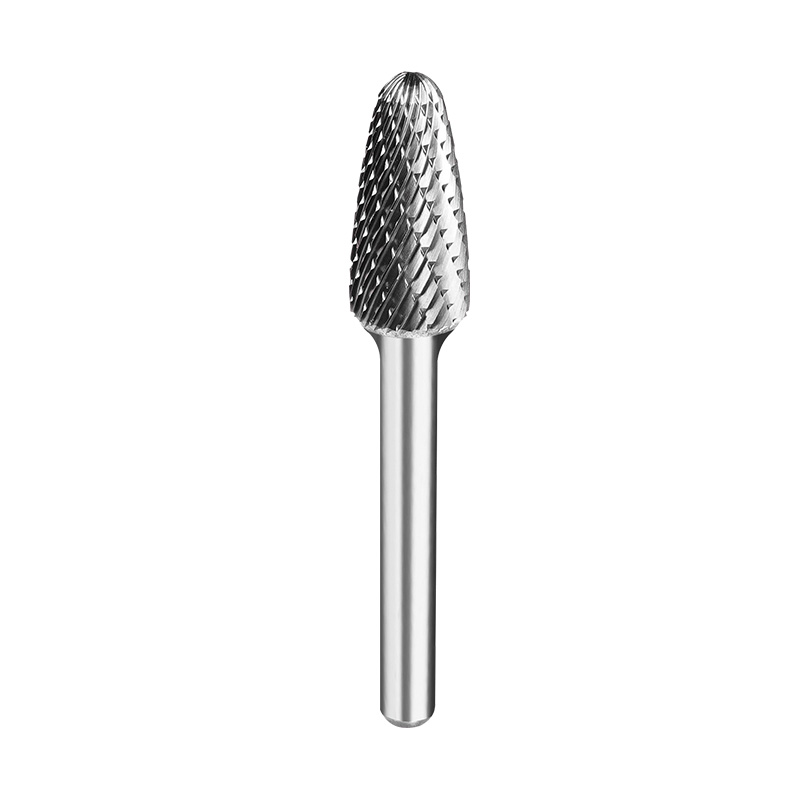
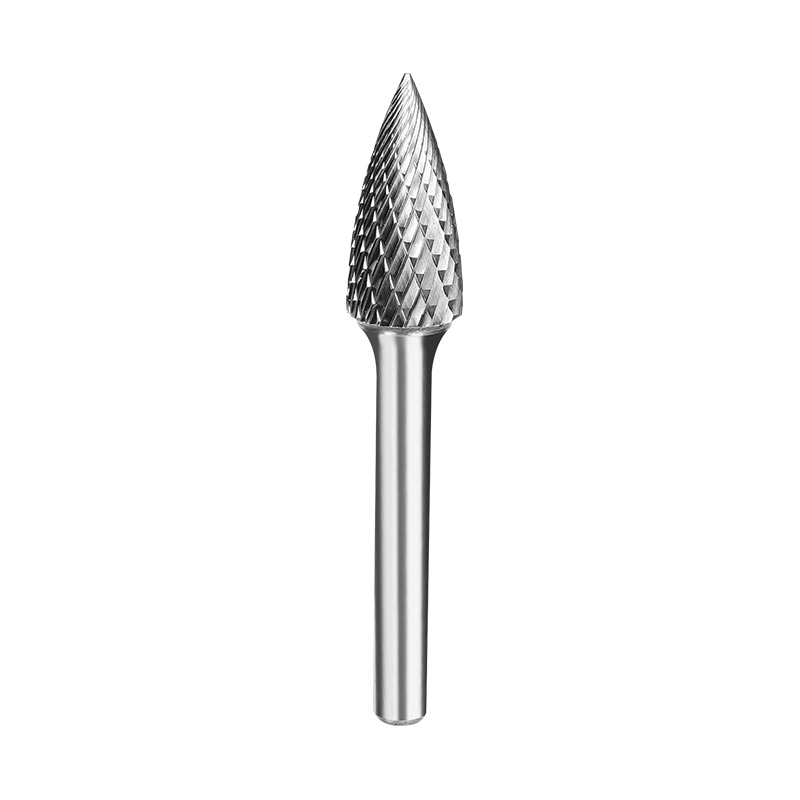
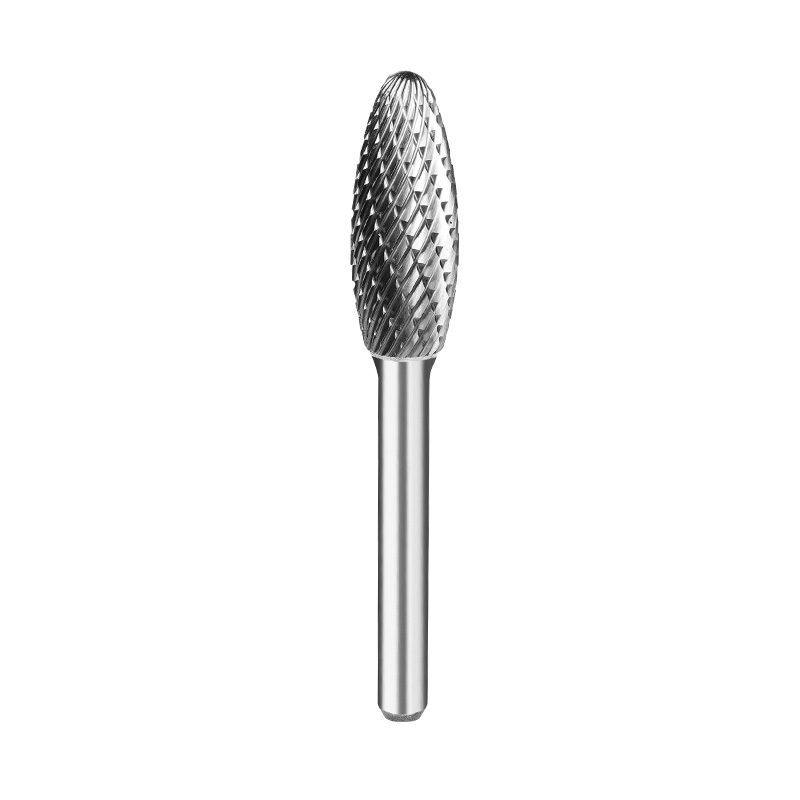
A cutter can have different shapes, cutting edge arrangements, and surface designs. These features influence how it interacts with the material.
This is why carbide cutters are available for a range of machining purposes.
| Machining Task | Possible Role of a Solid Carbide Cutter |
|---|---|
| Surface Machining | Removes material to create a planned surface |
| Slot Cutting | Creates or shapes narrow openings |
| Contour Work | Follows a selected path around a workpiece |
| Hole-Related Machining | Supports selected cutting and shaping tasks |
| Detail Machining | Handles smaller or more defined features |
| General Material Removal | Supports routine machining work |
The cutter itself is only part of the process.
Machine condition, workpiece stability, tool selection, and operating practices all influence the result.
This means that a carbide cutter should be viewed as part of a machining system rather than as an isolated product.
Different materials behave differently during cutting.
Some materials are relatively easy to shape. Others place greater demands on the cutting edge. The amount of resistance created during machining can also vary according to the workpiece.
Carbide cutters are used across a range of material applications because carbide provides a hard cutting surface that can support repeated machining work.
However, this does not mean that one cutter design can handle every material in the same way.
A cutter intended for one material may have a different geometry from one intended for another. The design can influence how material is removed and how the cutting edge interacts with the workpiece.
This is where application knowledge becomes important.
Manufacturers may select a cutter according to:
The material and cutting tool need to work as a pair.
Choosing a cutter only because it is made from carbide can lead to an unsuitable match. The design needs to correspond with the actual machining task.
This principle applies whether the work involves routine production or more detailed machining.
The flexibility of carbide cutters comes partly from the variety of cutter designs available.
Different shapes can be used for different jobs.
Some cutters are intended to work across surfaces. Others are designed around slots, contours, edges, or detailed features. A manufacturer may therefore use several cutter types within the same production environment.
This approach allows the tool to match the work rather than forcing one cutter to perform every operation.
For example, a broad surface may require a different cutting approach from a narrow slot. A simple shape may also require a different tool from a complex contour.
It can be designed around these differences.
This is particularly useful in production environments where workpieces change regularly.
Flexible manufacturing does not necessarily mean using fewer tools. It can mean having a suitable selection of tools available and knowing when to use each one.
Tool organization can therefore become part of production planning.
When cutters are clearly identified by their intended applications, operators can spend less time trying to determine which tool should be used for a particular task.
The result is a more structured machining process.
The material of the cutter receives considerable attention, but geometry can be just as important.
The shape of the cutting edges influences how the tool meets the workpiece.
A cutter with a geometry suited to surface work may not behave in the same way when used for a narrow slot. A design intended for detailed machining may also have different requirements from a tool used for general material removal.
Geometry affects the cutting path and the way material leaves the work area.
It also influences how the tool fits into a particular machine operation.
This makes cutter selection more specific than simply choosing between carbide and other materials.
Manufacturers can consider the shape of the workpiece and the type of movement required. The cutter then needs to support that movement in a practical way.
For complex production, this relationship becomes even more important.
A small change in the shape of a feature can change the type of cutter needed. A different approach may also be required when the production process moves from rough shaping to more detailed finishing work.
The cutter should follow the task.
This simple idea explains why modern cutting tool ranges often include many different solid carbide designs.
CNC machining depends on controlled movement.
The machine follows a planned path while the cutting tool removes material from the workpiece. The cutter therefore needs to work with the machine's movement and the intended shape of the final component.
Solid carbide cutters are commonly used in CNC machining because they can be produced in many forms suited to different cutting operations.
The cutter can be selected according to the shape being produced.
A flat surface, curved contour, narrow channel, or detailed feature may each require a different tool approach.
This creates a close connection between tool selection and digital production planning.
The machine may follow a highly organized cutting path, but the result still depends on the physical interaction between the cutter and the material.
Tool condition also becomes important.
A cutter that has been used repeatedly may gradually change in condition. Operators may need to inspect the cutting edges and determine whether the tool remains appropriate for the work.
Regular inspection can help prevent a worn cutter from being used beyond its useful application.
For manufacturers, this makes tool management part of CNC production rather than a separate maintenance task.
Usually, manufacturers should not approach carbide cutters as universal tools.
A cutter can be highly suitable for one application while being unsuitable for another.
The reason is simple.
Machining tasks are different.
A tool designed for a particular surface, material, or cutting path may not provide the same result when used outside its intended application.
Using one cutter for everything may seem convenient, but it can make production planning more difficult. It can also place unnecessary demands on the tool.
A better approach is to connect each cutter with a clear purpose.
| Production Situation | Tool Selection Consideration |
|---|---|
| Different Workpiece Materials | Match cutter design with the material |
| Changing Component Shapes | Consider cutter geometry and cutting path |
| Detailed Features | Choose a tool suited to smaller cutting areas |
| Routine Surface Work | Use a cutter designed for the intended surface task |
| Mixed Production | Keep several suitable cutter types available |
| Repeated Machining | Monitor cutter condition during use |
This approach does not reduce flexibility.
It can actually increase it.
A workshop with a well-organized selection of cutters may respond more easily when production changes. Operators can choose the tool that fits the new task instead of adapting an unsuitable tool to the job.
Tool selection begins with the workpiece.
Manufacturers need to understand what material is being machined and what shape needs to be produced. The intended cutting operation also matters.
The machine should be considered as part of the decision.
A cutter needs to fit the equipment and the planned production method. The way the tool is held and guided can influence how well it performs.
Workholding is another consideration.
If the workpiece moves during cutting, even a suitable cutter may struggle to produce the intended result. Stable positioning allows the cutting tool to follow its planned path more consistently.
Production habits matter as well.
A workshop that handles many different components may value tool flexibility. A production line focused on repeated parts may place more attention on consistent tool use and easy replacement.
Users can also consider the following questions:
These questions create a more practical basis for selection.
They also help prevent the common mistake of choosing a cutting tool based on material alone.
Even a suitable solid carbide cutter needs proper handling.
Carbide is hard, but that does not mean the tool can be treated carelessly. Cutting edges can be damaged through improper handling, unsuitable use, or contact with other hard surfaces.
Storage is therefore important.
Cutters should be protected from unnecessary contact with other tools. Keeping different cutter types organized can also make tool selection easier.
Inspection is another useful habit.
Operators can look for visible changes around the cutting edges and surfaces. A cutter that shows signs of damage may need to be removed from regular use.
Cleaning can also help maintain a clear view of the tool.
When chips, dust, or other material remain on a cutter, small changes may be harder to notice.
Tool care should match the production environment.
A workshop handling many different materials may need a more organized inspection routine than a small operation using a limited selection of tools.
This does not have to be complicated.
Simple habits can make tool management more consistent.
Production needs are changing in many manufacturing environments.
Companies may handle more product variations while still trying to maintain an organized workflow. Smaller production runs, changing component designs, and different material requirements can all increase the need for flexible machining practices.
It can support this flexibility when they are selected according to specific tasks.
Their value comes from the combination of material, geometry, and application.
A workshop can keep different cutter designs available and select them as the work changes. This approach allows the same machining environment to handle different operations without treating every job in exactly the same way.
The broader trend is toward more deliberate tool selection.
Instead of asking whether a cutter can simply cut a material, manufacturers can consider how the tool fits the entire machining process.
That includes the workpiece, machine, cutting path, production routine, inspection process, and maintenance habits.
This way of thinking turns the solid carbide cutter from a simple consumable into a planned part of production.
As machining tasks become more varied, that connection between tool design and practical application becomes increasingly important.
Cooperate with us now
contact Us
Characteristic Industrial Park, Furong Town, Yueqing City, Zhejiang Province, China.
+86-13757799073
+86-13587713956

Wholesale Carbide Rotary Burs Factory