 English
 Español
 Inquiry
Choosing a solid milling cutter often starts with a simple question: Which cutter should be used for the job?
The answer is not always found in the cutter shape alone.
Material is also an important part of the decision. A solid milling cutter can be made from different material types, and each choice can affect how the tool fits a particular machining task. The workpiece, cutting conditions, machine setup, production expectations, and purchasing plans can all influence that decision.
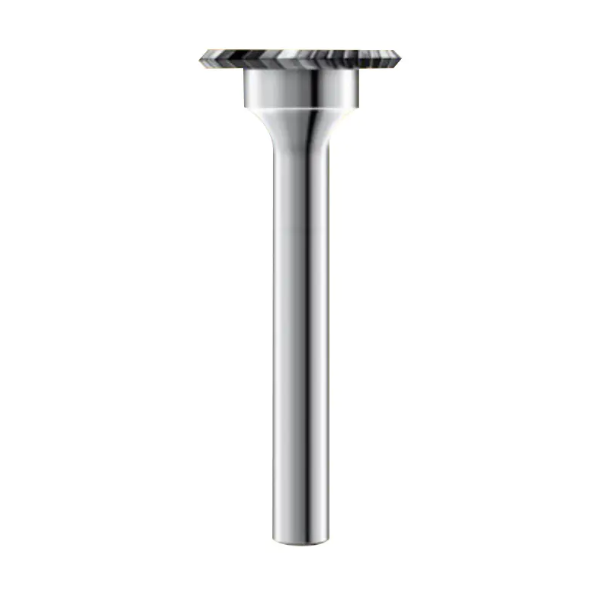
For buyers, this creates a challenge.A cutter may look similar to another product but behave differently during actual use. A material that suits one application may not make sense for another. A lower purchase price may also become less attractive if the tool needs to be replaced more often.
The market is therefore moving toward a more application-focused approach to solid milling cutter material . Buyers are looking beyond simple product descriptions and asking how material choice connects with practical machining needs.
Material forms part of the cutter's working characteristics.
A solid milling cutter needs to interact with the workpiece while maintaining its shape during use. The material influences how the cutter responds to cutting pressure, heat, friction, and repeated contact with the workpiece.
This does not mean that one material is suitable for every machining task.
Different workpieces create different demands. A cutter used for a relatively easy machining operation may not face the same conditions as one used for a harder or more demanding application.
Buyers should therefore avoid looking at material as an isolated specification.
A more useful question is:
Does this material fit the actual machining task?
That question can lead to better purchasing decisions.
For example, a buyer may compare several solid milling cutters that appear similar in size and shape. If the material choices differ, their practical use may also differ.
The material becomes part of the overall product design.
| Buying Consideration | Why It Matters |
|---|---|
| Workpiece material | Different materials can create different cutting demands |
| Machining task | The cutter needs to suit the intended operation |
| Machine condition | The tool should fit the available equipment |
| Production frequency | Repeated use may change purchasing priorities |
| Tool replacement | Replacement frequency can influence overall cost |
| Cutter design | Material needs to work with the cutter's shape |
| Budget | Purchase price should be considered alongside practical use |
This broader view can help buyers avoid choosing a cutter simply because it appears inexpensive or familiar.
Several material categories can be found in solid milling cutter production.
Carbide is widely associated with solid milling cutters because it offers a combination of hardness and wear resistance that can suit many machining applications.
Other material choices may also be considered depending on the intended use.
The important point for buyers is not to memorize every material category.
Instead, buyers should understand why different materials exist.
A material is selected because it provides certain characteristics that can support a particular application. A manufacturer may choose one material when resistance to wear is important and another when a different balance of strength, flexibility, or cost is needed.
This is why product selection should begin with the machining task.
A buyer who starts with the material alone may miss other important factors.
The cutter shape, workpiece, machine, cutting approach, and production environment all need to be considered together.
Think of the cutter as a complete tool rather than a piece of material.
The material provides the foundation.
The shape determines how that material is used.
The machining application determines what the tool needs to handle.
The manufacturing process brings these elements together.
This relationship explains why the same material may appear in cutters designed for very different purposes.
The workpiece is one of the most useful starting points for cutter selection.
Different materials can react differently during machining. Some may be easier to cut. Others may create more resistance or heat. Some may require greater attention to tool wear.
A solid milling cutter should therefore be selected with the workpiece in mind.
Buyers can begin by asking:
These questions can help narrow down the material choice.
It also helps explain why recommendations from another machining project should not automatically be copied.
Two workshops may use similar-looking cutters but machine different workpieces. Their material requirements may therefore be different.
Application context matters.
For manufacturers, this is also why communication with buyers can be useful. When the supplier understands the workpiece and machining task, the material discussion becomes more practical.
Tool life is an important purchasing concern.
Nobody wants a tool that becomes unsuitable shortly after entering production. At the same time, buyers should be careful with simple claims about how long a cutter will last.
Actual service life can depend on many conditions.
The workpiece matters.
The machining method matters.
The machine matters.
The way the tool is handled matters.
Even storage and maintenance can influence practical use.
Material can contribute to how well the cutter handles repeated machining, but it does not work alone.
This is an important point for buyers.
A cutter made from a suitable material may still perform poorly if it is used in an unsuitable application. Likewise, a cutter that is appropriate for one task may not be the right choice for another.
Rather than asking only, "Which material lasts longer?", buyers can ask:
Which material is appropriate for the way this cutter will actually be used?
That question provides a more realistic basis for comparison.
Price is naturally part of purchasing decisions.
However, the lowest purchase price does not always represent the lowest overall cost.
A solid milling cutter is part of a working process. If a tool needs frequent replacement, causes interruptions, or does not match the application, the original purchase price may become less meaningful.
Buyers may therefore want to consider the wider picture.
| Cost Consideration | Practical Question |
|---|---|
| Purchase price | How much does the cutter cost to obtain? |
| Replacement | How often may another cutter be needed? |
| Downtime | Could frequent tool changes interrupt production? |
| Application fit | Does the material suit the workpiece? |
| Consistency | Can the tool support a stable machining routine? |
| Inventory | Is it practical to keep the required cutters available? |
This does not mean buyers should automatically choose a more expensive material.
The goal is balance.
A more costly material may not provide useful value if the application does not require its particular characteristics. A lower-cost material may also create unnecessary problems if it is not suitable for the machining task.
The practical choice depends on the relationship between material, application, and use.
Material cannot be separated completely from cutter design.
A solid milling cutter has a particular shape because it needs to perform a particular cutting task. The material needs to support that design.
This relationship can influence the cutter's overall behavior.
A manufacturer may select a material based on the cutter's intended role. The geometry, edge design, and overall structure can then be developed around that material.
For buyers, this means that comparing material names alone may not provide enough information.
Two cutters may use a similar material but have different designs.
They may therefore be intended for different applications.
This is especially important when buyers are replacing an existing cutter.
Simply matching the material may not be enough. The new cutter also needs to match the application and machine arrangement.
A better purchasing process considers the complete product.
A practical comparison can include:
Material
Does it suit the workpiece and machining task?
Cutter design
Does the shape match the intended operation?
Machine compatibility
Can the cutter be used with the available equipment?
Production needs
Is the tool intended for occasional or repeated use?
Replacement planning
Is the product easy to reorder when needed?
This approach reduces the chance of making a decision based on one feature alone.
The manufacturer can be an important source of practical information.
A buyer may know the workpiece and machining task but may not know which material category fits that application. A manufacturer with experience in cutter production can help connect those requirements with an appropriate product design.
The conversation should not need to be complicated.
Buyers can explain what they are machining, how the cutter will be used, and what problems they have experienced with previous tools.
This information gives the manufacturer a clearer picture.
A manufacturer may then suggest different material or design options.
The value is not simply in receiving a product recommendation.
It is in making the selection process more application-specific.
This can also become important when a buyer has unusual requirements.
Standard cutters may work well for common machining tasks. Specialized work may require a closer match between material and cutter design.
In those situations, communication becomes part of the purchasing process.
Using one cutter material for every task can seem convenient.
It simplifies inventory.
It may also make purchasing easier.
However, machining applications are rarely identical.
A workshop may handle different workpieces during the same production period. One task may involve a relatively easy material, while another may create greater demands on the cutter.
Using different cutter options can sometimes make more sense.
This does not mean that buyers need a large inventory.
The goal is to create a practical selection based on actual work.
A useful purchasing plan can group machining tasks according to their general requirements.
| Machining Situation | Material Selection Focus |
|---|---|
| Routine machining | Practical balance between use and cost |
| More demanding work | Greater attention to cutter durability |
| Different workpiece materials | Match the cutter to each application |
| Repeated production | Consider consistency and replacement planning |
| Specialized machining | Discuss material and design with the manufacturer |
This approach can make inventory management more organized.
It also helps buyers understand why a single "universal" cutter may not always be the most practical answer.
Material selection does not have to become complicated.
A simple process can make the decision clearer.
Start with the workpiece.
Identify what material will be machined and how the workpiece behaves during cutting.
Look at the machining task.
Determine what the cutter needs to do. A simple cutting task may have different requirements from a more demanding operation.
Consider the machine.
The cutter needs to fit the equipment already available.
Review the cutter design.
Material and shape should work together.
Think about repeated use.
If the cutter will be used regularly, replacement and consistency may matter more than the initial purchase price alone.
Talk with the manufacturer.
Provide practical information about the application rather than asking only for a material name.
Compare complete solutions.
Consider material, design, application, handling, and purchasing needs together.
This method can make buyer-supplier communication more efficient.
It also gives buyers a clearer reason for choosing one solid milling cutter over another.
Manufacturing requirements can change.
A workshop may begin working with a new workpiece material. A production line may move toward more repeated machining. A new machine may also change the available cutting options.
When this happens, the existing cutter choice may need to be reviewed.
Material selection should therefore not be treated as a permanent decision.
A cutter that works well today may not necessarily be suitable for every future application.
This is especially relevant for businesses that handle several types of machining work.
Instead of building purchasing habits around one familiar product, buyers can periodically review whether their cutter materials still match their actual needs.
The review does not have to involve replacing everything.
It can simply identify where a different material or cutter design might make practical sense.
That makes material selection part of ongoing tool planning rather than a one-time purchasing decision.
As buyers become more application-focused, the discussion around solid milling cutter materials is moving beyond simple material names. The more useful question is how the material works together with the workpiece, cutter design, machine, production routine, replacement needs, and overall purchasing strategy.
Cooperate with us now
contact Us
Characteristic Industrial Park, Furong Town, Yueqing City, Zhejiang Province, China.
+86-13757799073
+86-13587713956

Wholesale Carbide Rotary Burs Factory