 English
 Español
 Inquiry
Access can become a major challenge when a workpiece has a deep opening, narrow passage, recessed surface, or difficult internal area. A standard cutting or finishing tool may reach the general location but still leave part of the surface difficult to process. This is where extra long carbide burrs can offer a practical alternative.
The extended length gives the operator more reach between the handpiece and the working area. This can make it easier to approach surfaces that are positioned away from the outer edge of a workpiece.
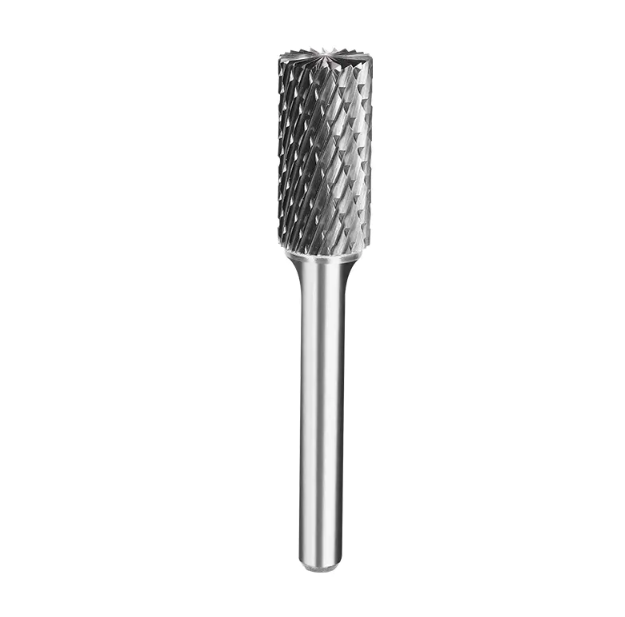
Carbide burrs are used for tasks such as shaping, material removal, edge treatment, and surface finishing. Their value is not simply related to length. The additional reach can change how a tool approaches a workpiece and how an operator manages a difficult area.
This has made extended-reach tools relevant to workshops and production environments where ordinary tool access is not always enough.
The main benefit of extended reach is access.
A workpiece may have a surface that is physically separated from the tool holder. A recessed cavity can create a similar problem. The operator may be able to see the area but cannot position a standard burr comfortably.
An extra long carbide burr creates more distance between the operator and the cutting head. This can help the tool reach deeper areas without requiring the entire handpiece to enter the opening.
That difference can be useful in several situations.
A long burr may allow the operator to work through an opening while keeping the larger part of the tool outside the workpiece. It can also provide more room for positioning when the surrounding structure limits movement.
The practical value can be seen in the following areas:
| Work Area | How Extended Reach Can Help |
|---|---|
| Deep recesses | Allows the burr to reach surfaces farther inside |
| Narrow openings | Provides access without placing the entire tool inside |
| Internal edges | Helps approach areas that are difficult to reach directly |
| Large workpieces | Creates more distance between the operator and the working surface |
| Complex shapes | Supports access around parts of the workpiece that block a shorter tool |
The exact benefit depends on the workpiece and the tool being used.
Extended reach should therefore be viewed as an access feature rather than a guarantee of faster or more productive work.
Difficult access appears in many forms.
A deep cavity is an obvious example. The opening may be large enough for a tool, but the surface requiring attention can be located much farther inside.
A standard burr may not reach the area comfortably. Even when it can, the operator may need to position the handpiece at an awkward angle.
An extra long carbide burr can change this arrangement.
The burr can extend into the work area while the handpiece remains outside the most restricted section. This can make the approach easier to control.
Narrow channels create another challenge.
A workpiece may contain two surfaces close together. A short tool may have difficulty reaching the area between them. The extended working length can provide additional access without requiring a large amount of movement from the operator.
Internal edges are also common.
When an edge is located inside a structure, direct access may be limited. The operator needs to approach the area without allowing the body of the tool to interfere with nearby surfaces.
Carbide burrs can provide another way to reach these areas.
The tool does not remove the need for careful positioning. It simply gives the operator more room to work with.
A longer burr changes more than the physical distance between the operator and the cutting area.
It can change the angle from which the surface is approached.
This matters when the surrounding material blocks a direct path. A shorter burr may require the handpiece to be positioned very close to the workpiece. A longer burr can sometimes reach the same area while allowing the handpiece to remain in a more open position.
Consider a recessed surface.
With a short burr, the operator may need to move the handpiece closer to the opening. The body of the equipment could come into contact with the workpiece or restrict the available movement.
With an extra long carbide burr, the cutting head can extend farther into the recess. The operator can maintain more space around the handpiece.
This can make the working process feel less restricted.
However, longer reach also calls for careful handling.
A longer tool can respond differently to pressure and movement than a shorter tool. Excessive force or unsuitable handling can make control more difficult.
The tool should therefore be used according to its intended application and the instructions provided by the manufacturer.
The usefulness of an extra long carbide burr depends heavily on workpiece geometry.
Simple outer surfaces may not require additional reach. A standard burr may already provide convenient access.
More complicated workpieces are different.
They may contain:
These features can create areas where tool access becomes more important than tool size alone.
Metalworking applications can involve cast parts, fabricated components, molds, machinery parts, and other shaped workpieces. Each piece can present different access conditions.
A burr that works well for an exposed edge may not be suitable for an internal recess.
This is why tool selection often begins with the shape of the workpiece rather than the tool itself.
The operator can examine the target area and ask a simple question: Can the working head reach the surface without the rest of the tool interfering with the workpiece?
If the answer is no, an extended-reach design may be worth considering.
Access and control are closely connected.
When a work area is difficult to reach, an operator may naturally adjust the position of the handpiece to compensate. This can create awkward working angles.
An extended burr may allow the operator to maintain a more comfortable position while placing the working head at the required location.
This can be especially useful when working around complex shapes.
The operator can keep the handpiece away from the immediate work area while guiding the burr toward the target surface. This separation can provide more freedom around the workpiece.
Still, extended reach does not automatically mean easier control.
A longer working section can require greater attention to movement. The operator should avoid pushing aggressively into the material. A controlled approach is generally more appropriate for detailed finishing work.
The purpose of the extra length is to improve access.
It should not be treated as an invitation to apply excessive pressure.
| Working Consideration | Shorter Burr | Extra Long Carbide Burr |
|---|---|---|
| Open outer surface | Often suitable | May provide more reach than needed |
| Deep recess | Access may be limited | Can provide additional reach |
| Narrow internal area | Positioning may be restricted | Can help place the cutting head farther inside |
| Large workpiece | Handpiece may need to move closer | Handpiece can remain farther away |
| Detailed internal work | Depends on workpiece shape | Extended access can support positioning |
The table is not a universal rule. Actual suitability depends on the tool, equipment, material, and workpiece.
Length is only one part of the selection process.
The shape of the carbide burr head also influences how it interacts with the workpiece.
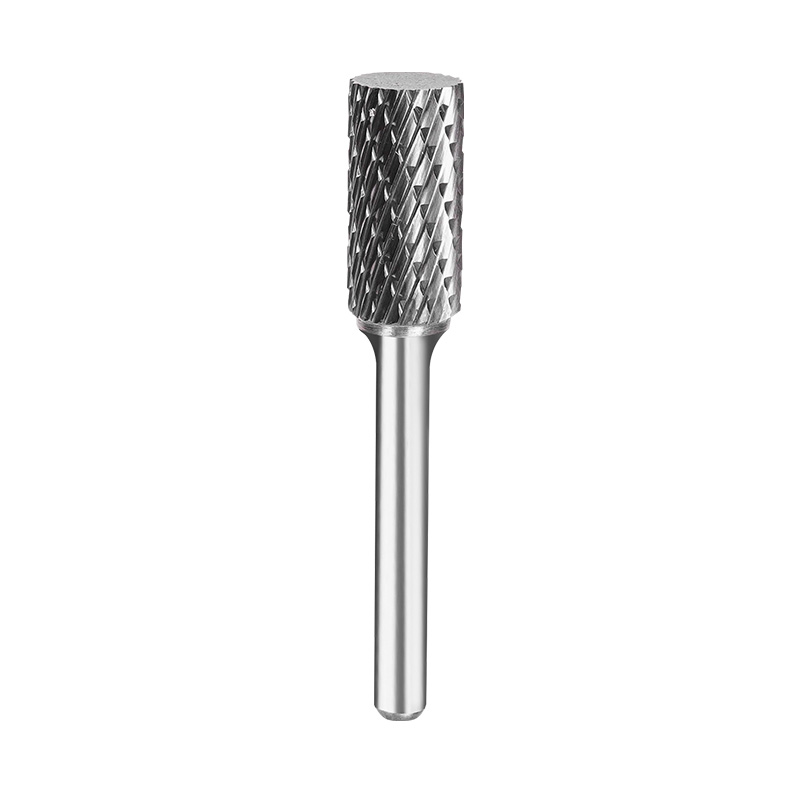
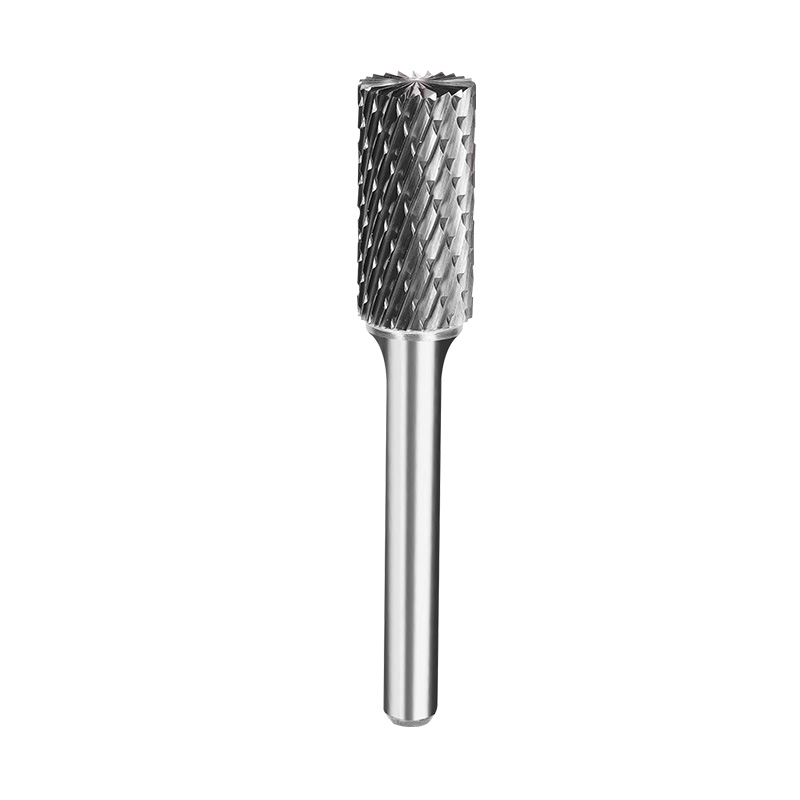
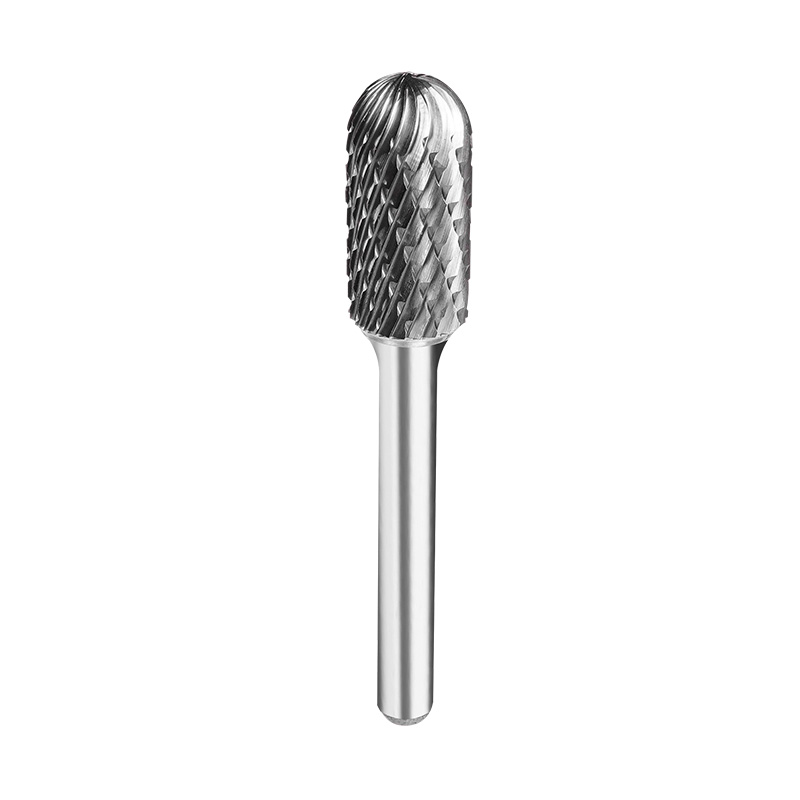
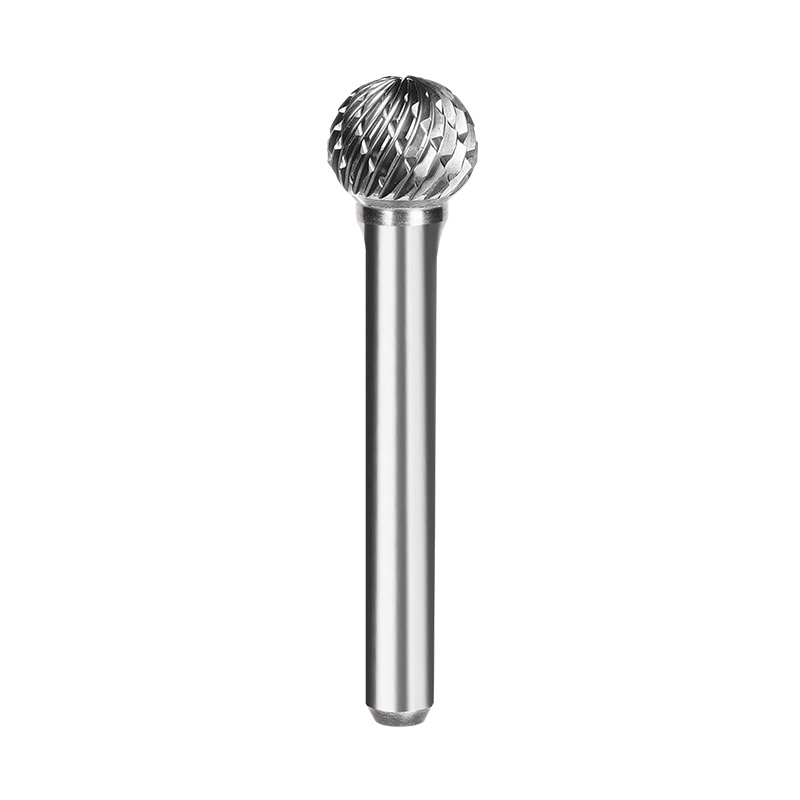
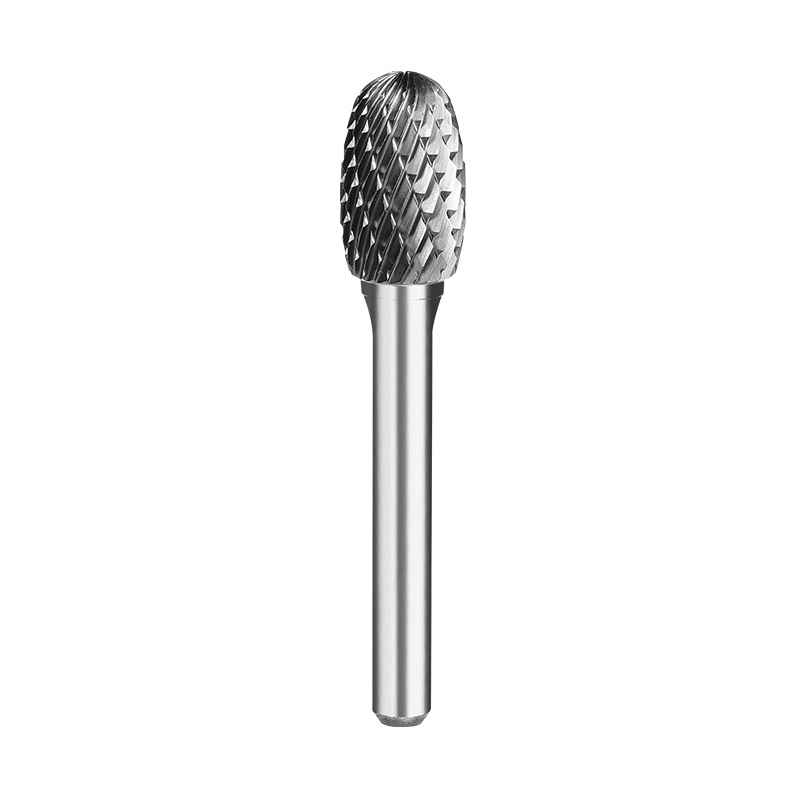
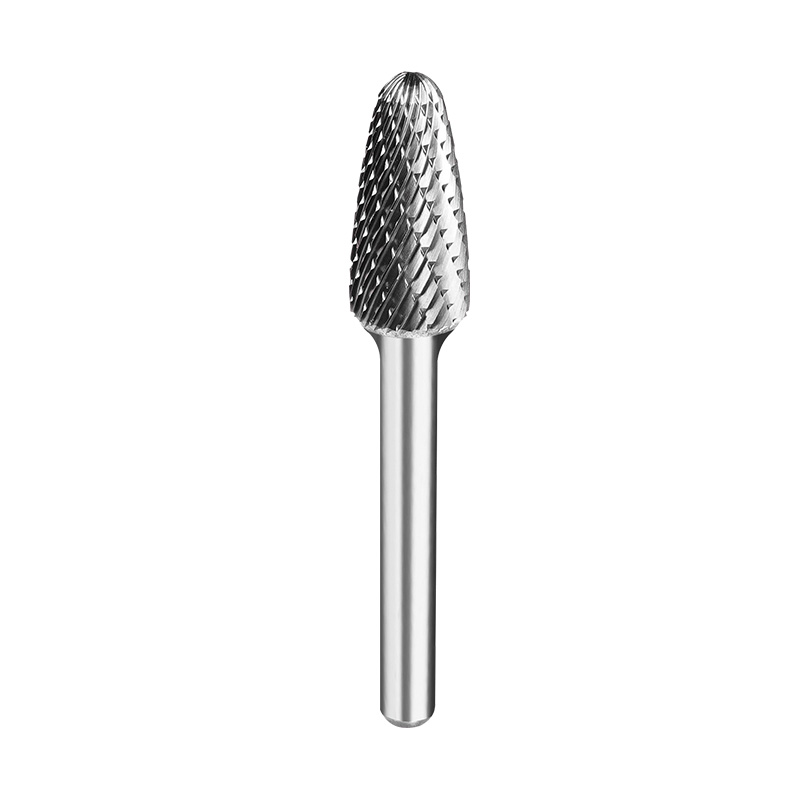
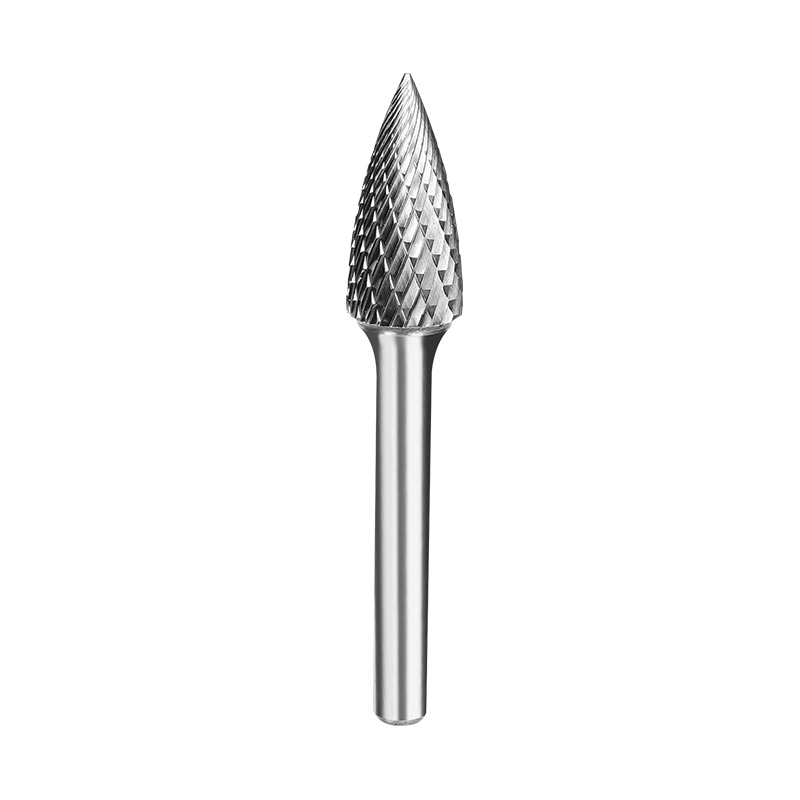
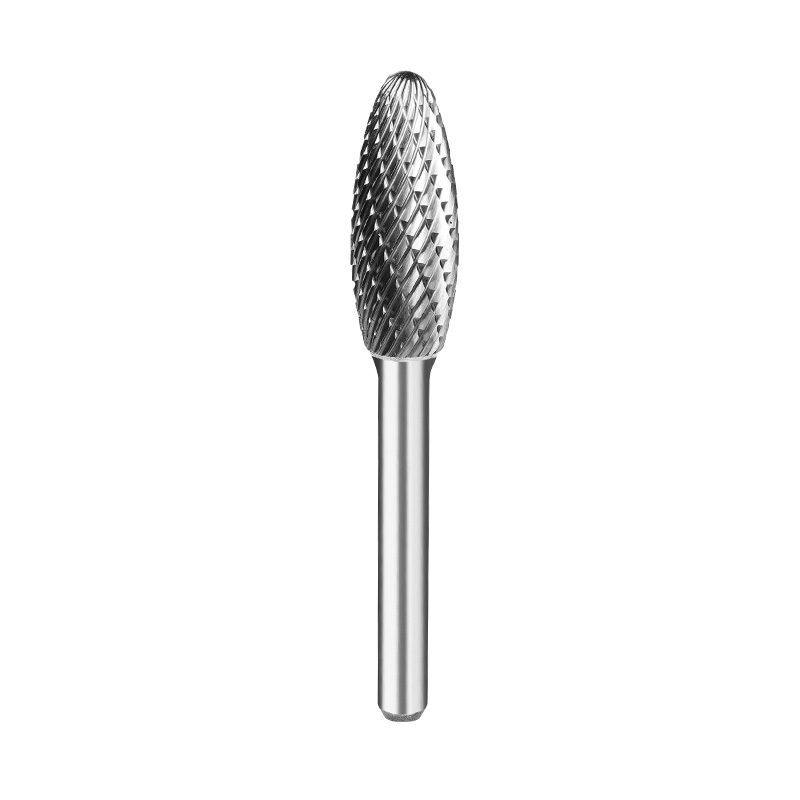
Different head shapes can support different types of work. A rounded profile may be useful for curved surfaces. A cylindrical shape may suit certain flat or recessed areas. A pointed form can help reach smaller sections.
An extra long burr with an unsuitable head shape may still be difficult to use.
For example, a long tool may successfully reach a deep cavity, but its head shape may not match the surface that needs to be shaped. The result can be limited control or unnecessary work.
The operator should therefore consider both reach and working profile.
Other factors may include the material being processed, the available equipment, the size and shape of the working area, and the type of finish required.
This approach helps avoid choosing a tool based only on its extended length.
A useful selection process can involve three simple questions:
These questions can make tool selection more practical.
Carbide burrs can be useful in a range of material-working applications where access is a concern.
Internal Surface Work
Internal surfaces can be difficult to reach because the surrounding material blocks direct movement. Extended burrs can provide additional access into these areas.
Recess Finishing
Recessed areas often sit below the main surface of a workpiece. A longer burr can help reach these sections without bringing the handpiece too close.
Edge Treatment
Edges inside a component may need shaping or cleanup. Extended reach can help position the burr around the edge.
Cast Part Finishing
Cast components can contain irregular surfaces and internal areas. An extra long carbide burr may help operators reach sections that are not easily accessible with shorter tools.
Mold and Tool Work
Molds and shaped tools can contain cavities, corners, and narrow sections. Tool access can become an important part of the finishing process.
Complex Component Work
Components with irregular geometry can create unusual working angles. An extended burr can give the operator another way to approach these areas.
The specific application should always match the tool's intended use.
Buying decisions should begin with the actual work rather than the product name.
A longer burr is not automatically more suitable for every task. If the working area is open and easy to reach, extra length may provide little practical benefit.
For difficult areas, several points deserve attention.
Workpiece Geometry
Look at the depth, opening, corners, curves, and surrounding surfaces.
The shape of the workpiece often determines how much reach is actually needed.
Working Area
Identify the exact surface that needs to be processed.
A tool may reach the general area but still struggle to approach the target surface correctly.
Burr Shape
Choose a head shape that fits the intended task. Reach is useful only when the working end can interact with the material in a suitable way.
Material
Different materials can respond differently to cutting and shaping. The burr should be appropriate for the material being processed.
Equipment Compatibility
The burr should be suitable for the handpiece or equipment with which it will be used.
Handling Conditions
An extended tool requires controlled movement. The operator should have enough working space to guide it safely and comfortably.
Storage and Maintenance
The burr should be kept clean and protected from unnecessary damage between uses. A damaged cutting tool should be inspected before being returned to service.
These considerations can help buyers focus on practical requirements instead of selecting a tool simply because it has a longer body.
Extra long carbide burrs are most useful when their additional reach solves a real access problem. A deep cavity, recessed surface, narrow opening, or complex workpiece can turn tool access into a significant part of the job.
In such cases, the extended working length can create more space between the operator and the target area. It can allow the burr to enter places that a shorter tool may struggle to reach. The right head shape and suitable handling remain important, but added reach can provide another practical option for material shaping and finishing work.
Cooperate with us now
contact Us
Characteristic Industrial Park, Furong Town, Yueqing City, Zhejiang Province, China.
+86-13757799073
+86-13587713956

Wholesale Carbide Rotary Burs Factory