 English
 Español
 Inquiry
Surface processing plays an important role in many manufacturing and repair activities. The appearance, shape, and condition of a material surface can influence the final quality of a product or component.
As industries continue to develop, more attention is being placed on precision work and flexible processing methods. Many tasks require tools that can reach narrow areas, handle complex shapes, and support careful surface improvement.
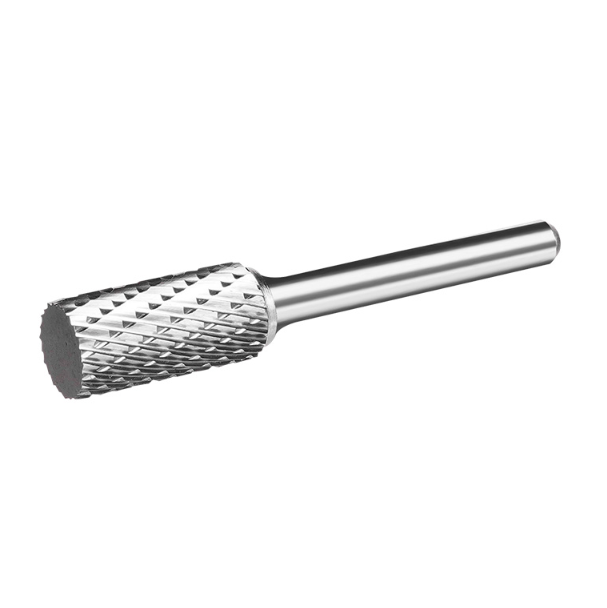
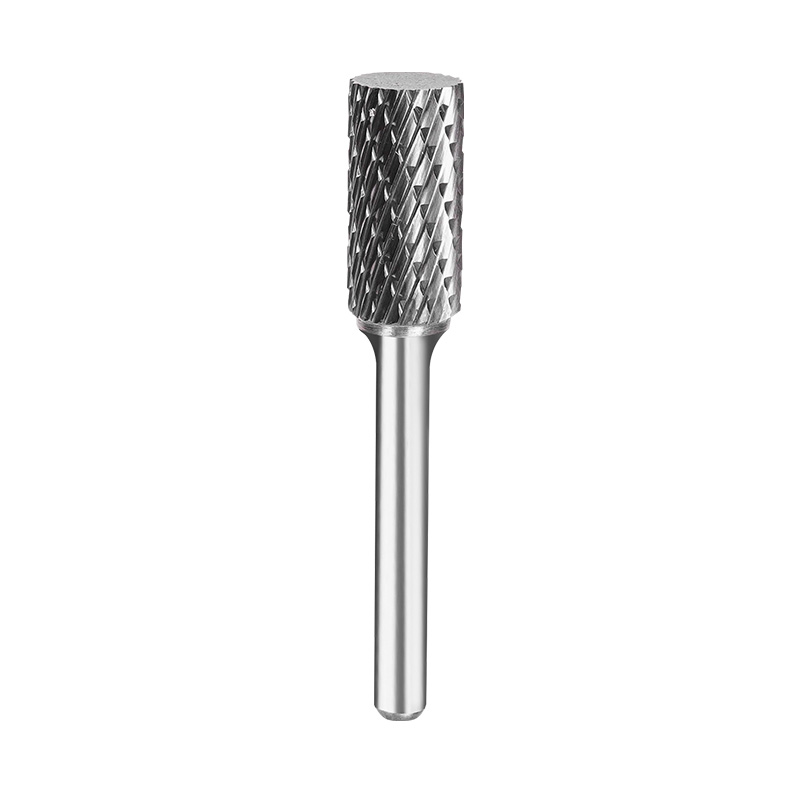
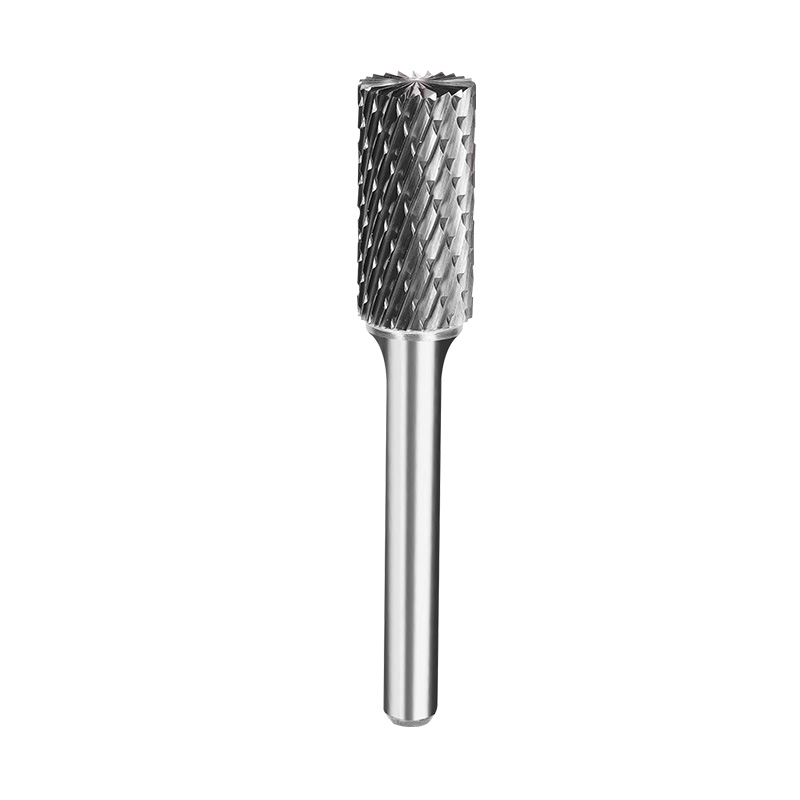
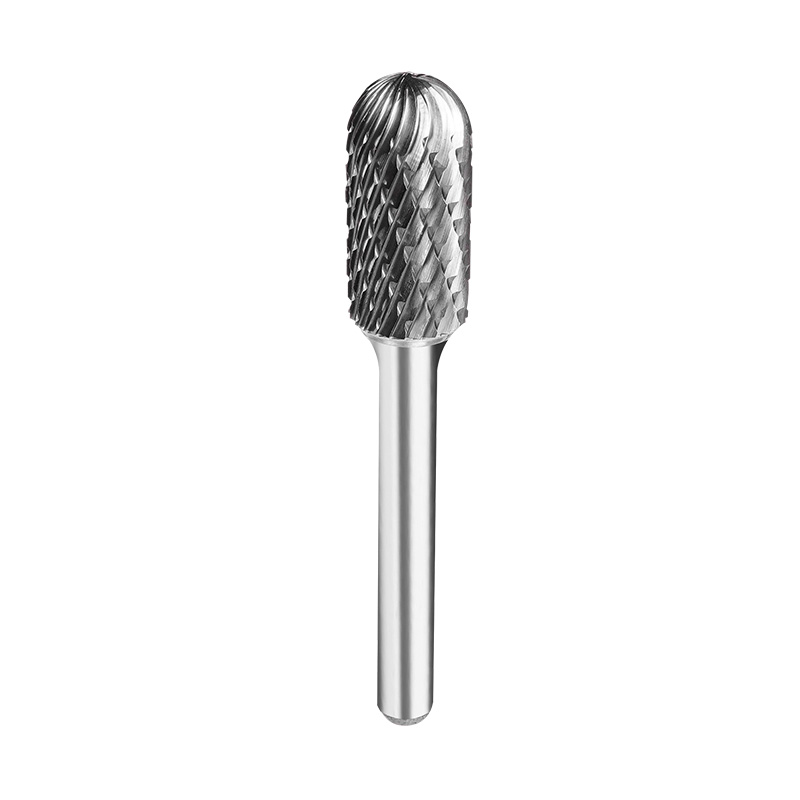
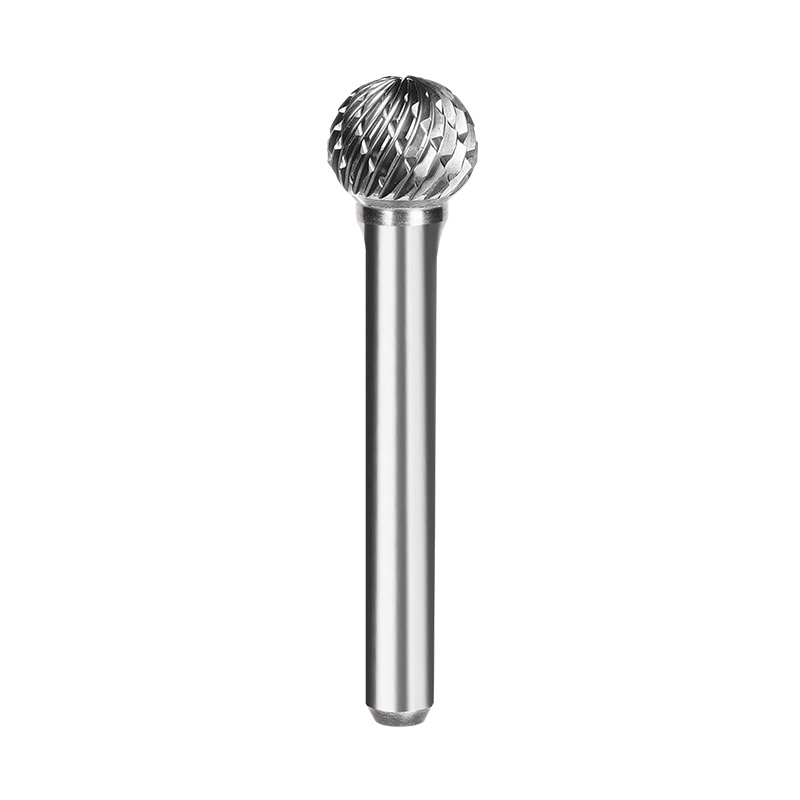
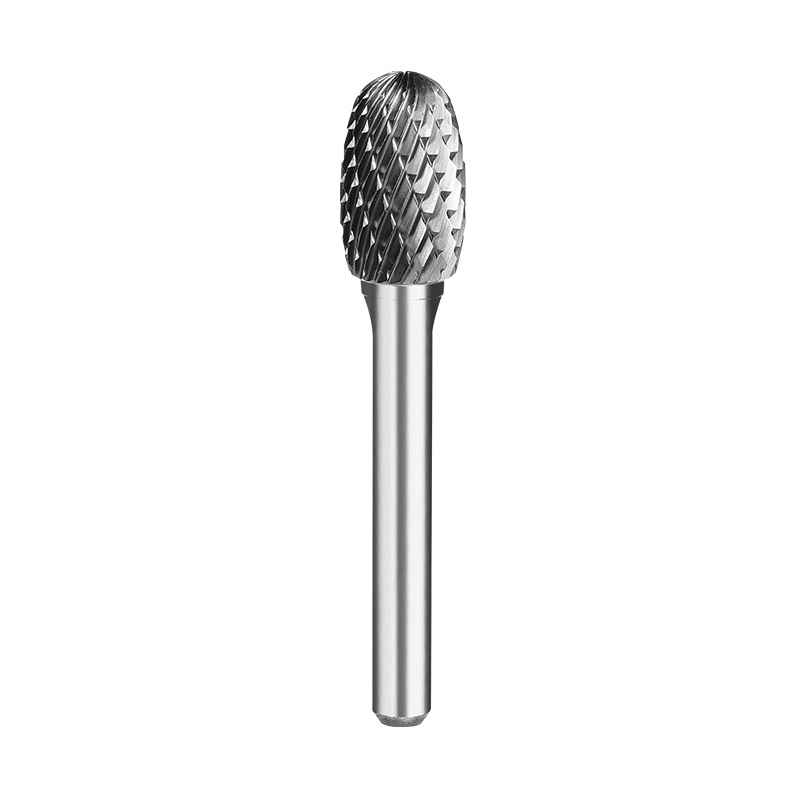
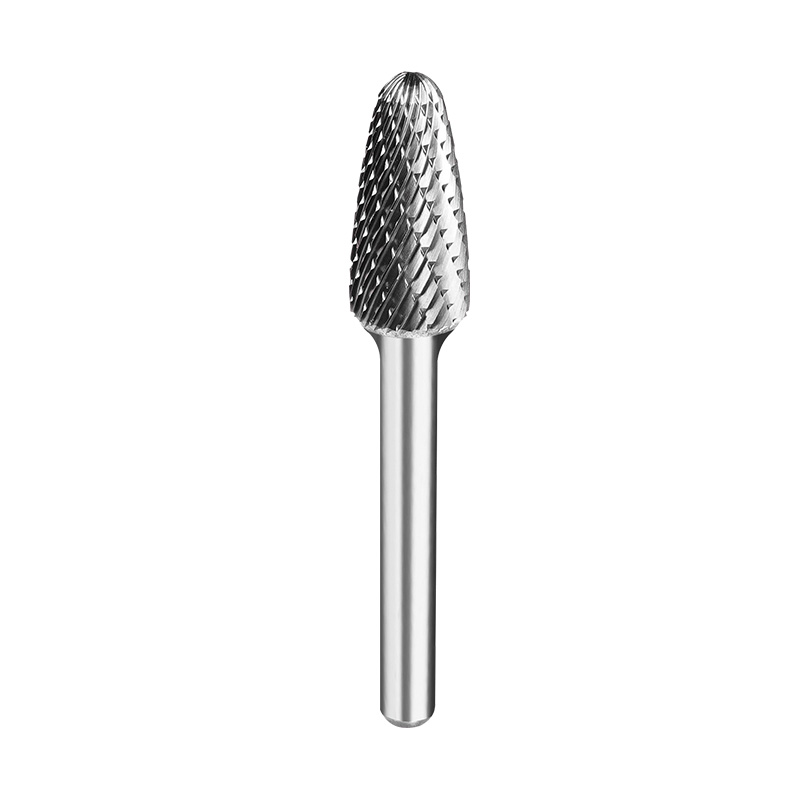
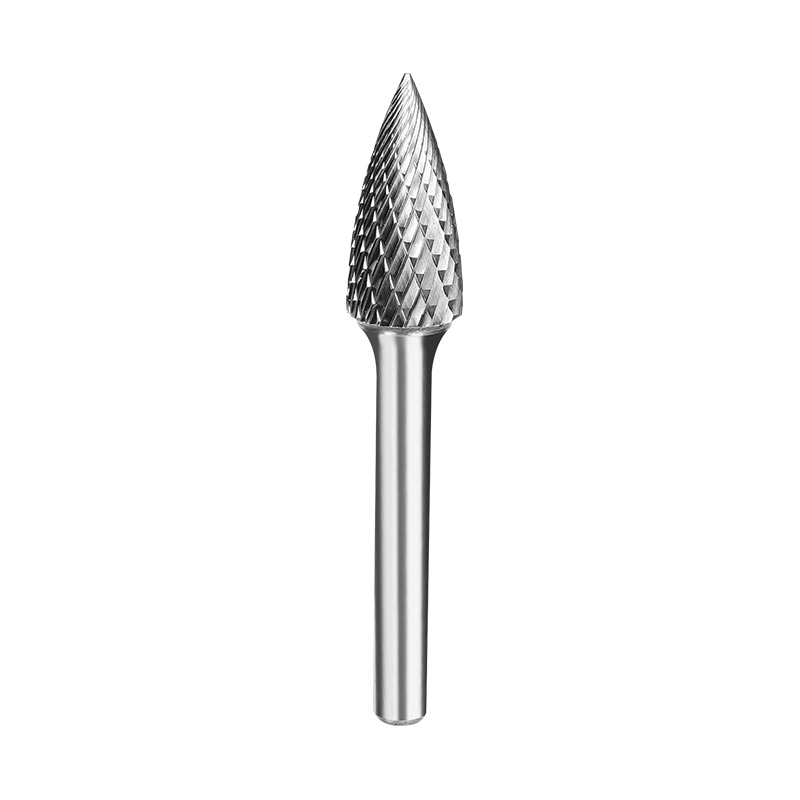
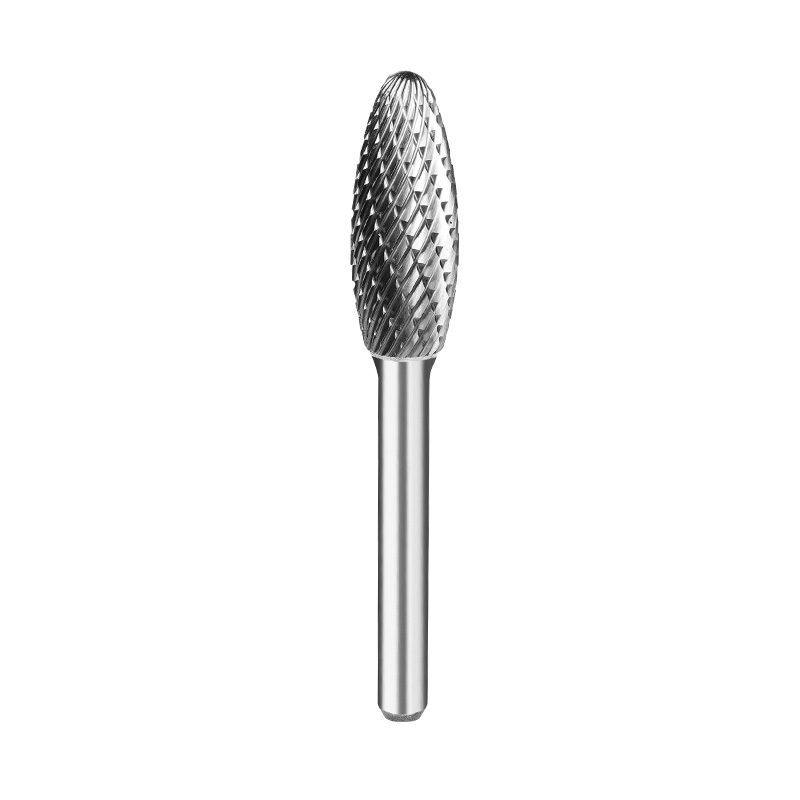
Long shank burr bits have become a practical option for these situations. Their extended design helps users access areas that may be difficult to reach with standard tools. This makes them suitable for detailed surface processing tasks across different industries.
The growing interest in shank burr bits reflects a wider change in tool selection. Users are looking for equipment that can provide better control, improve workflow convenience, and support different processing requirements.
From workshops to industrial environments, detailed surface work often requires a combination of flexibility and accuracy. Bits provide a solution that fits these changing needs.
Detailed surface processing usually involves shaping, smoothing, and refining a material's surface — work where even small missteps can throw off the final result.
Bits handle this by giving operators extra reach and flexibility right where they need it. That extended structure means genuinely difficult-to-access areas stop being such a headache.
That reach proves useful across a range of applications:
| Processing Need | Support From Long Shank Burr Bits |
|---|---|
| Narrow working areas | Provides easier access |
| Detailed surface work | Supports controlled processing |
| Complex shapes | Helps reach different areas |
| Repair tasks | Offers flexible operation options |
What makes these bits genuinely valuable is how much they improve working convenience. Rather than reworking an entire process, operators can simply reach for a tool that already matches the shape and location of the work at hand.
Surface processing, in a lot of industries, isn't purely about removing material either — it's just as much about creating a suitable finish and getting the surface properly prepped for whatever comes next.
Bits give operators the flexibility to handle all of that, which is exactly why they've earned a place in so many detailed applications.
Detailed surface processing shows up across a genuinely wide range of fields, which is exactly why bits have found their way into so many different industries.
Metalworking is probably the most obvious use case. Workshops and manufacturing facilities routinely need tools that shape, smooth, or fine-tune metal surfaces on a daily basis.
Automotive repair and maintenance lean on this kind of detailed work too, often dealing with components tucked into spots where access is genuinely limited.
Aerospace, machinery manufacturing, and equipment repair also turn to specialized grinding tools regularly for surface prep and finishing work.
Common application areas include:
The specific requirements shift from industry to industry, sure, but the underlying need for genuinely flexible tools stays remarkably consistent.
Bits give users a lot more room to work with when tackling detailed surfaces, and that adaptability is exactly why they show up just as often in professional settings as they do in specialized workshop projects.
Complex processing work almost always demands more than simple material removal — operators need tools that give them genuinely better access and careful control while they're actually working.
Bits were built with exactly that in mind. The extended length lets users get into areas that would be a real struggle with shorter tools.
A few things really drive their popularity:
Genuinely better accessibility
The longer structure lets users reach deeper, narrower areas without much extra effort.
Real flexibility across applications
These bits handle a wide range of surface processing tasks spanning multiple industries.
Smoother workflow overall
Having the right tool on hand cuts down significantly on unnecessary mid-process adjustments.
Solid support for detailed work
They're genuinely useful whenever careful, precise surface treatment is called for.
Demand for this kind of flexible processing tool keeps growing, mostly because industries are working with increasingly diverse product designs and material structures these days.
Bits meet that need directly, offering a genuinely practical option for tasks that call for extra reach and extra control.
Traditional surface processing has long leaned on standard tools, but those don't always hold up well against genuinely complex applications. Once a working area gets hard to reach, users need something else in their toolkit.
Bits are shifting that landscape by bringing real flexibility to the table — operators can tackle difficult spots without needing to overhaul their whole workflow.
This shift matters most in industries where product designs keep getting more intricate. Components with complex shapes often need tools that can genuinely adapt to whatever condition they're working in.
This development also fits a broader trend across manufacturing generally — companies are increasingly focused on boosting efficiency through smarter tool selection rather than sticking rigidly to traditional methods out of habit.
Bits support exactly that direction, helping operators get through detailed surface tasks with a lot more convenience than before.
They're not just processing tools at this point, either — they're genuinely part of a wider movement toward more adaptable, user-friendly manufacturing solutions.
Picking the right tool really comes down to understanding the specific job at hand — different materials, different working environments, different processing goals all shape what actually makes sense.
A few things worth weighing before choosing:
| Consideration | Importance |
|---|---|
| Application purpose | Helps match the tool with the task |
| Working environment | Influences tool suitability |
| Material type | Affects processing requirements |
| Operation needs | Determines user experience |
| Maintenance habits | Supports long-term use |
The working area itself is a big factor. Bits shine when access is genuinely limited, but it's still worth choosing based on the actual conditions of the job rather than defaulting to the longest option available.
Material compatibility matters too — different materials call for different approaches to get a genuinely suitable surface result.
It's also worth thinking about how often these tools will actually see use. A genuinely practical choice should match both what's needed right now and what might come up down the road.
Working through these factors carefully helps businesses and individual operators land on tools that genuinely fit their surface processing needs.
Modern manufacturing keeps drifting toward more flexible, customized production, and as products get more diverse, processing methods have to keep pace right alongside them.
Tools built for detailed work matter more now than ever, and bits fit right into that shift by giving operators real options for handling complex surfaces and hard-to-reach areas.
Manufacturers, too, are paying closer attention to workflow improvement overall. Production speed alone isn't the whole story anymore — a lot of companies are just as focused on how their tools affect overall operation quality.
Flexible processing tools genuinely help smooth out that workflow, letting operators manage a range of different tasks without being boxed into a single rigid method.
Long shank burr bits represent exactly this shift toward adaptable solutions, and their growing use is a clear sign that tool selection has become a genuinely important part of modern production planning.
Demand for detailed surface processing is set to keep growing as industries push into more complex designs and manufacturing methods.
Future tool development will likely keep chasing better convenience, more flexibility, and a wider range of application options. Users are going to keep looking for solutions that help them tackle whatever processing challenges come next.
Bits look set to stay genuinely useful precisely because they solve a common, ongoing need — reaching and properly processing areas that demand extra flexibility.
As industries continue placing real value on precision work and efficient workflows, specialized tools like these are only going to keep playing a bigger role.
Surface processing tools will keep evolving right alongside changing industry demands, and long shank burr bits offer a genuinely practical option for anyone seeking more adaptable solutions in modern manufacturing and repair work.
Cooperate with us now
contact Us
Characteristic Industrial Park, Furong Town, Yueqing City, Zhejiang Province, China.
+86-13757799073
+86-13587713956

Wholesale Carbide Rotary Burs Factory