 English
 Español
 Inquiry
Modern manufacturing and repair work demand tools that flex across a whole range of tasks. A single project might call for shaping, smoothing, and finishing several different materials back to back, which puts real pressure on having tools that genuinely adapt rather than sitting in a drawer half the time.
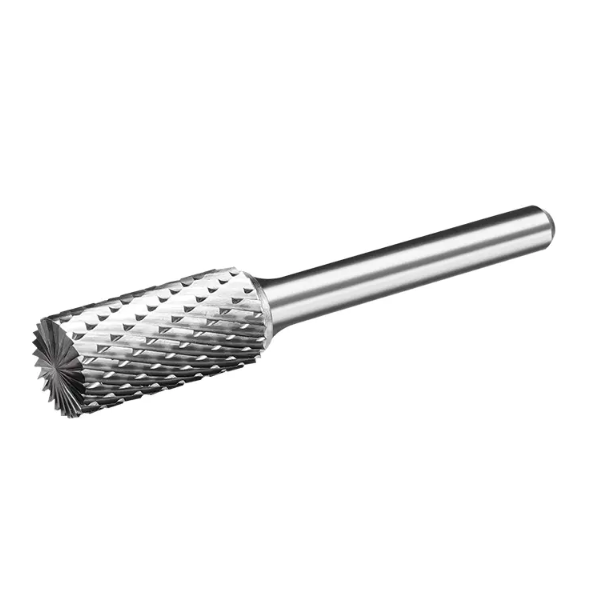
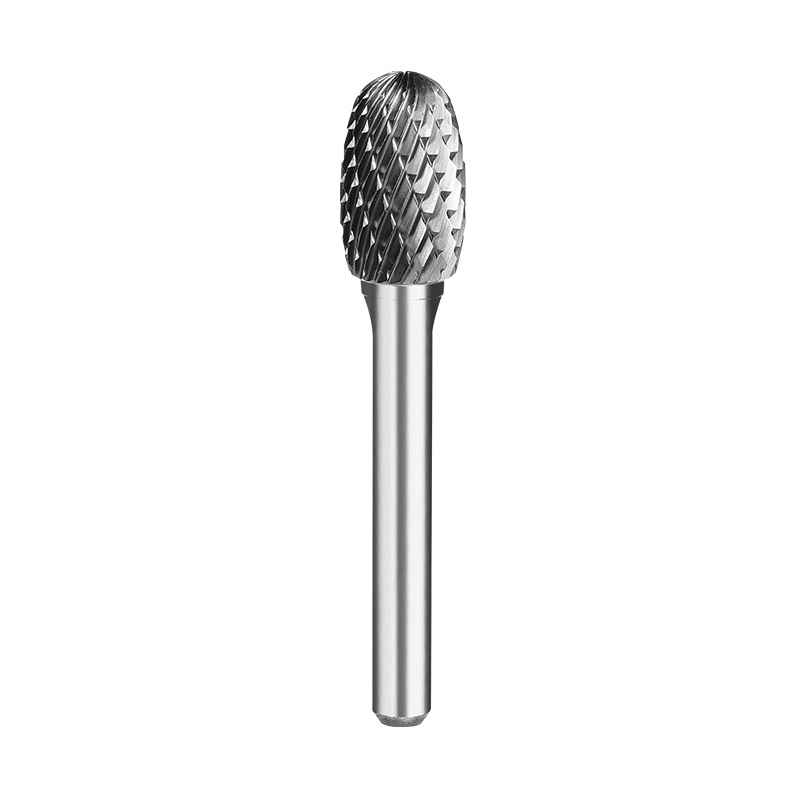
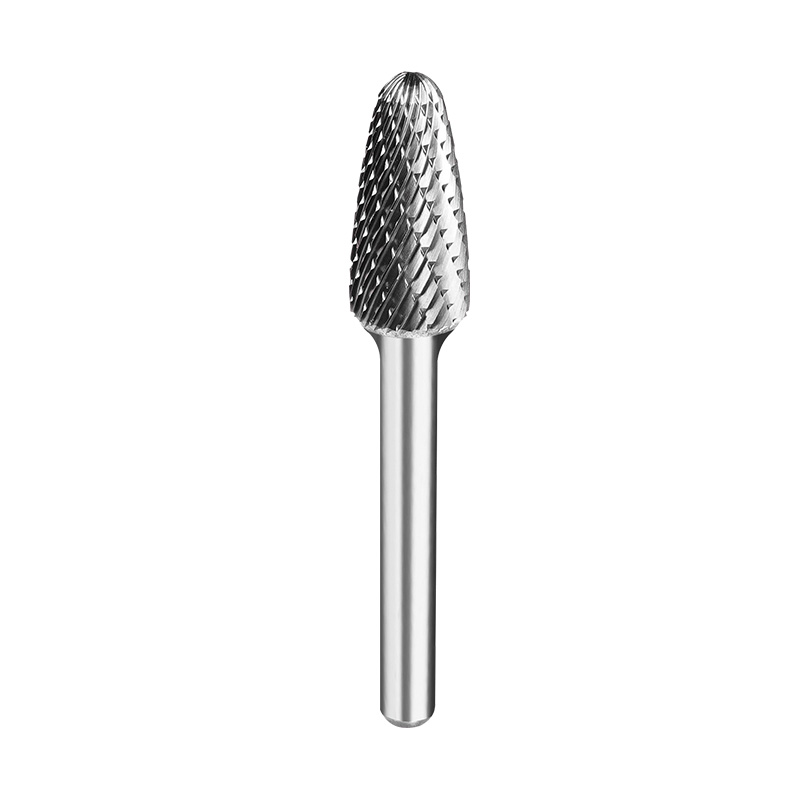
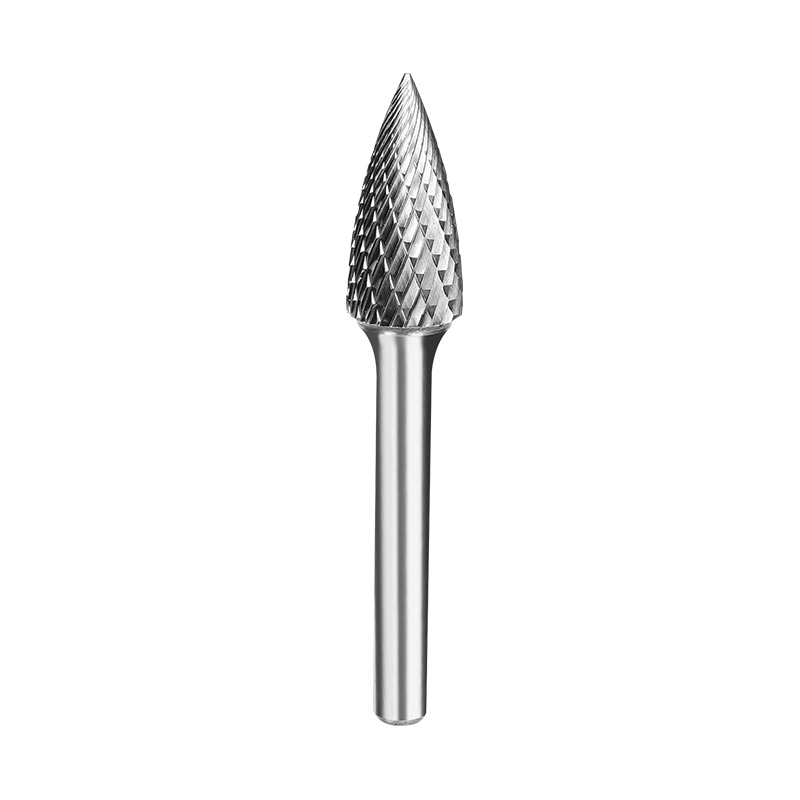
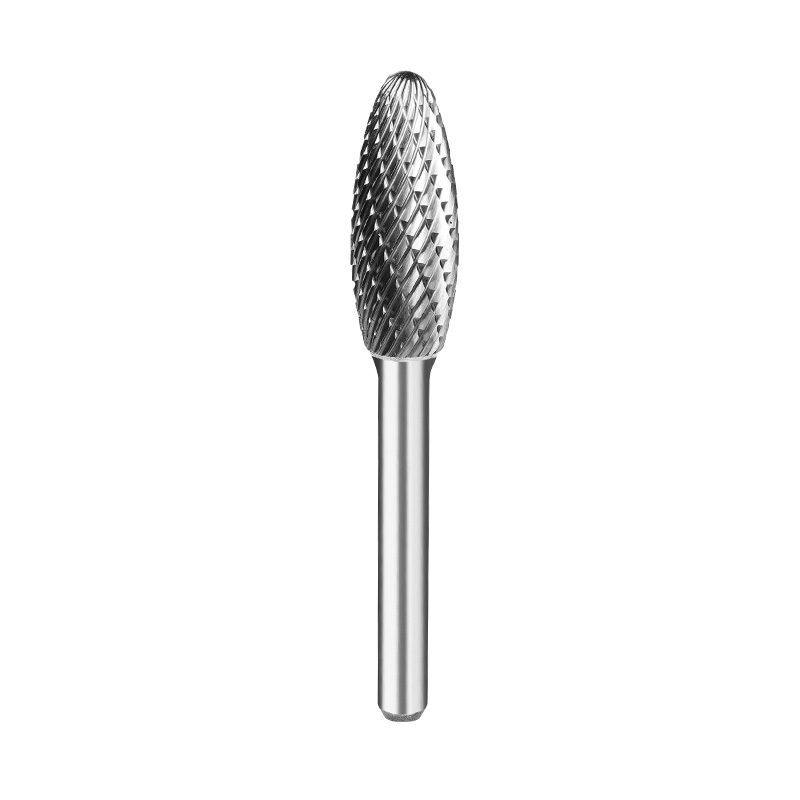
A carbide burr was built for exactly the situations where standard tools just can't reach. With its extended design and a genuinely durable cutting structure, it comes up a lot in detailed surface work and general material processing.
One question keeps coming up among users: can a long reach carbide burr actually handle different materials? The honest answer hinges on the material itself, the working method, and what the specific application actually demands. Getting a real handle on its capabilities helps users pick the right tool for whatever project lands in front of them.
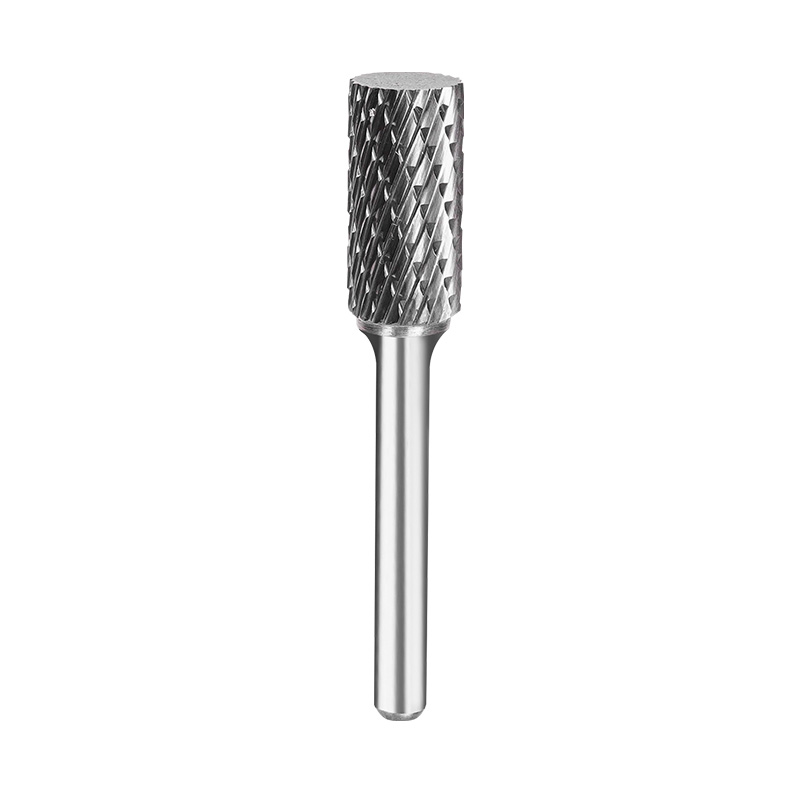
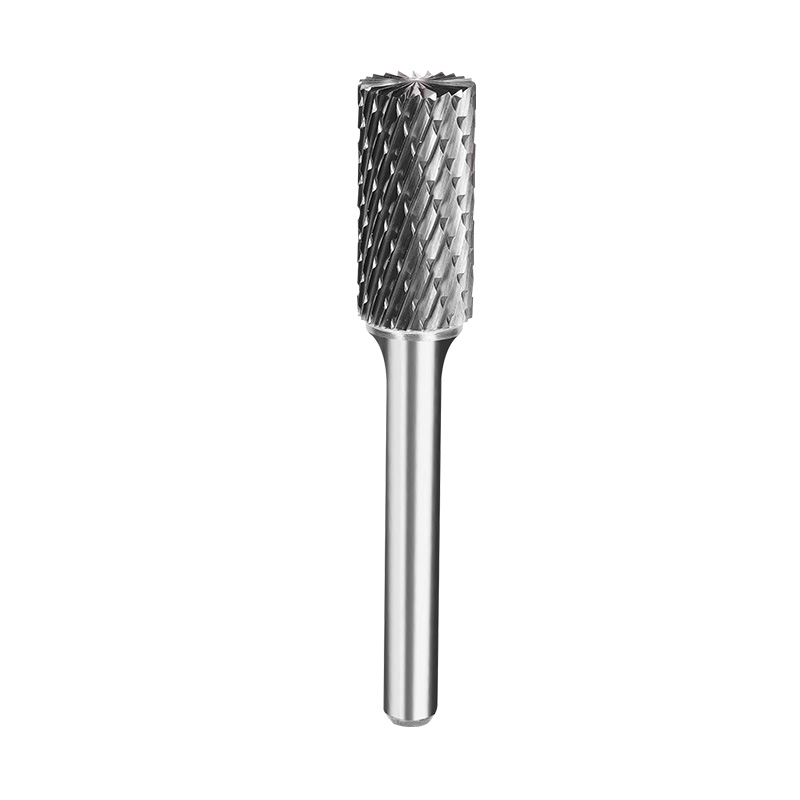
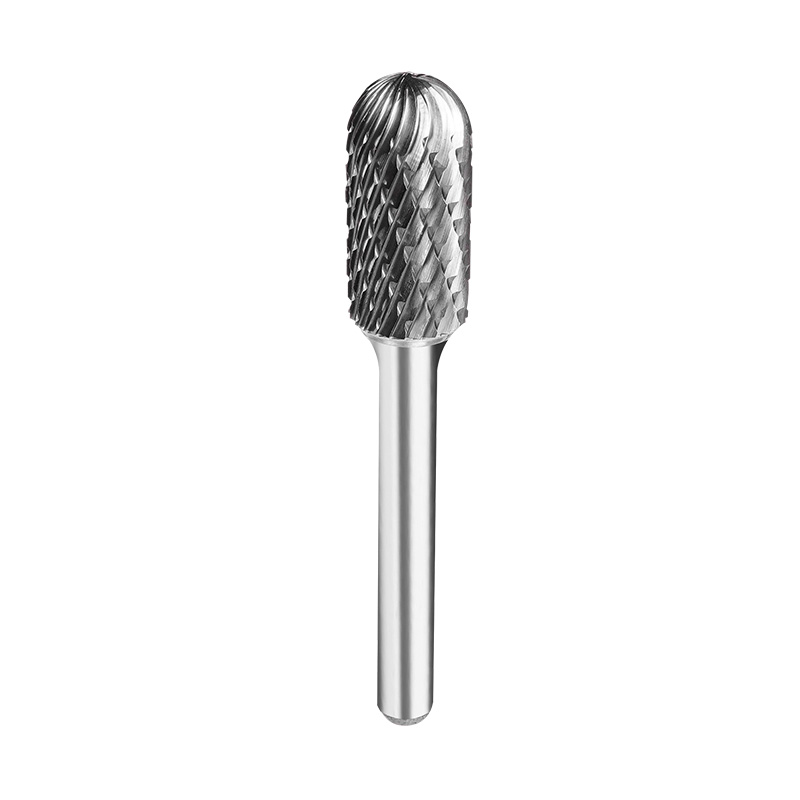
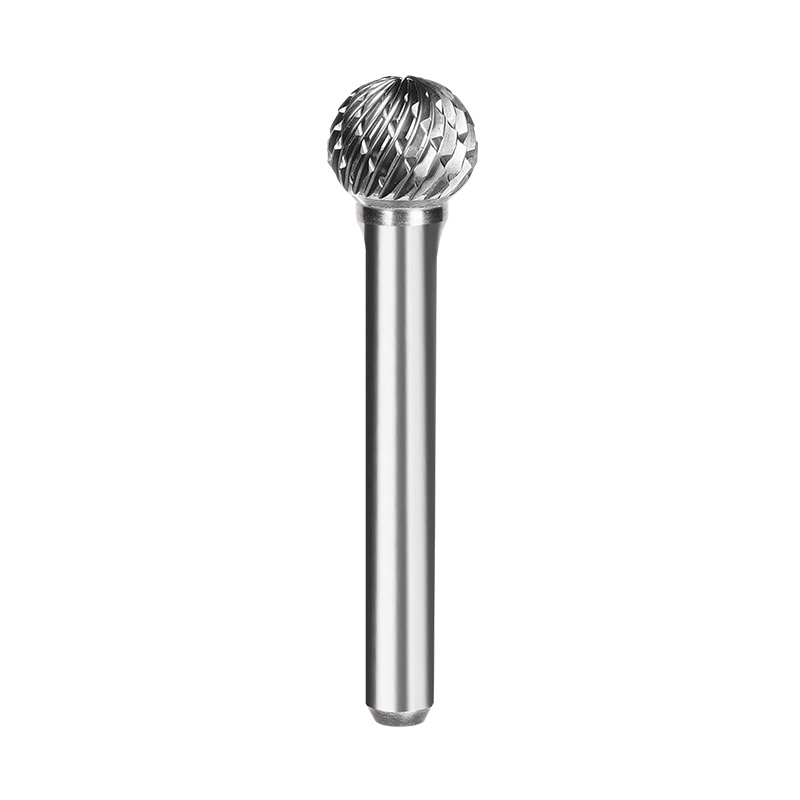
A carbide burr is a rotary cutting tool built with an extended shank. It's typically paired with compatible rotary equipment to remove material, shape surfaces, and refine finishes.
Compared to standard burrs, that extended structure lets users get into deeper or genuinely hard-to-reach spots. That makes it genuinely useful on projects where tight spaces limit how much a tool can move around.
The basic process breaks down like this:
How well a carbide burr actually performs comes down to the combination of tool design, the material's own characteristics, and the operating conditions surrounding the job.
Metal processing ranks among the most common jobs for carbide burr tools generally. A carbide burr can often handle a range of metal materials simply because carbide gives it such a strong cutting structure to work with.
Different metals carry different hardness levels and surface behaviors, though. The burr's shape, cutting style, and the overall working approach all shift depending on what's actually being cut.
| Material Type | Common Applications |
|---|---|
| Steel materials | Surface shaping and edge finishing |
| Aluminum materials | Smoothing and material removal |
| Stainless materials | Detailed finishing work |
| Cast materials | Surface correction and shaping |
| Copper-based materials | Precision adjustment tasks |
Picking the right tool option really comes down to matching it against the specific metal and what the project actually needs from it.
Hard materials tend to demand tools that hold their cutting edge through extended use. Carbide burrs get chosen constantly for this exact reason, thanks to their genuinely tough structure.
Working with harder materials, a few things deserve attention:
Pushing too much force tends to backfire, wearing down the tool faster and dragging down performance. A controlled, patient approach almost always wins out here.
Carbide burrs genuinely support detailed work on hard materials, particularly when the working area itself is tight or awkward to access.
Carbide burrs get associated with metal work most of the time, sure, but they can genuinely handle certain softer materials too.
Think along the lines of:
Softer materials do demand a gentler touch, though. Cut too aggressively and you risk removing far more material than intended, or roughing up the surface finish in the process.
For softer applications, a few things are worth thinking through:
The exact same tool can produce wildly different results depending purely on how it's actually used in practice.
A lot of industries work with products that have genuinely intricate structures or tight, narrow spaces built into them. Standard tools often just can't reach those spots effectively.
The extended design of a carbide burr brings some genuinely practical advantages to the table.
Access to difficult areas. That longer reach lets users work inside deeper sections, narrow openings, and complex shapes that would otherwise stay out of reach entirely.
Flexible processing options. Users get to handle a range of tasks with one tool, including:
Support for detailed work. The tool's design hands users a lot more control when working on small or genuinely complicated areas.
Put together, these traits make carbide burrs genuinely valuable across industries where precision and accessibility both matter a great deal.
Material compatibility was never just about the tool itself in isolation. Several other factors genuinely shape how it all plays out.
Material characteristics. Hardness, structure, and overall condition of the material shape the cutting result directly.
Burr design. Different shapes and cutting patterns suit different applications, and picking the wrong one shows up fast in the results.
Working technique. User experience and how the operation actually gets carried out both influence efficiency and surface quality.
Equipment compatibility. The rotary tool paired with the burr shapes overall performance just as much as the burr itself does.
Weighing these factors together helps steer users away from picking a tool that just won't fit the task at hand.
Carbide burrs show up across plenty of industries wherever material shaping and finishing genuinely matter.
Automotive Manufacturing
These tools assist with detailed metal processing and general surface adjustments across production lines.
Aerospace Production
Complex components often need tools capable of reaching genuinely difficult, tucked-away areas.
Metal Fabrication
Fabricators lean on carbide burrs for shaping, smoothing, and finishing metal parts of all kinds.
Mold Manufacturing
Mold components frequently include detailed surfaces where extended-reach tools genuinely earn their keep.
Repair and Maintenance
Technicians reach for long reach burrs constantly when working on equipment with genuinely limited access.
That broad spread of use cases really underlines why material flexibility matters so much to anyone actually buying these tools.
Picking the right burr comes down to genuinely understanding both the material in front of you and the task you're trying to complete.
| Selection Factor | Importance |
|---|---|
| Material type | Determines suitable cutting approach |
| Working area | Affects required tool reach |
| Surface requirement | Influences finishing results |
| Project purpose | Helps select the right tool design |
A tool that performs beautifully on one material won't necessarily deliver the same results on another. Careful selection here genuinely improves work efficiency and cuts down on unnecessary tool replacement down the road.
Manufacturing keeps drifting toward more detailed, more intricate processing methods with each passing year. As product designs get more refined, tools capable of reaching genuinely challenging areas keep growing in value.
Carbide burrs offer a genuinely practical option for industries that need real flexibility in how they process materials. Their ability to work across so many material types makes them valuable across a genuinely wide swath of applications.
Future tool development will likely keep chasing better user control, stronger durability, and greater adaptability overall. For manufacturers and technicians alike, picking the right tool for the job stays a genuinely core part of getting consistent, reliable results.
Cooperate with us now
contact Us
Characteristic Industrial Park, Furong Town, Yueqing City, Zhejiang Province, China.
+86-13757799073
+86-13587713956

Wholesale Carbide Rotary Burs Factory