 English
 Español
 Inquiry
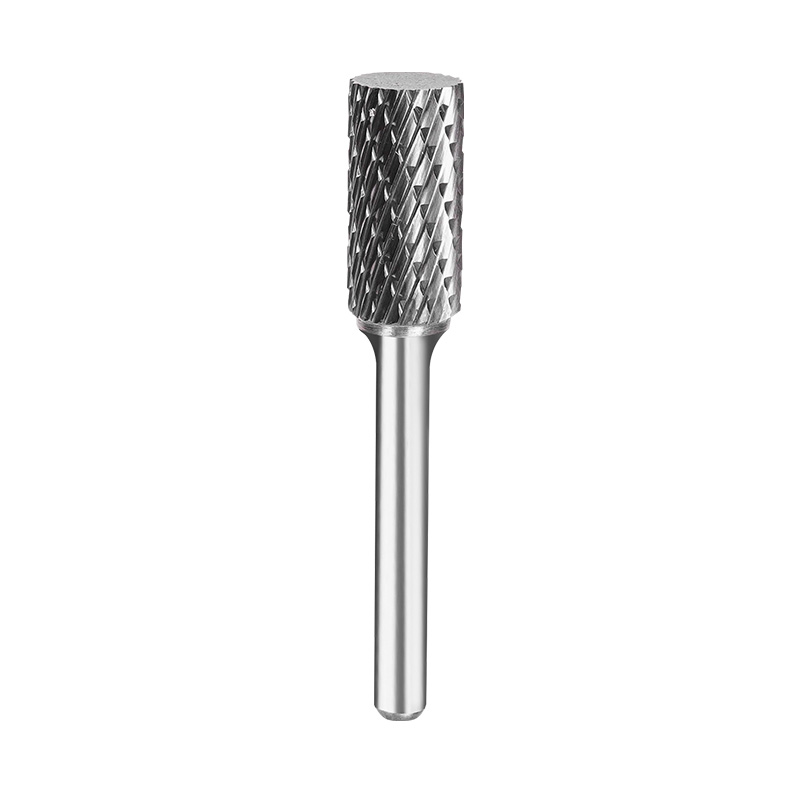
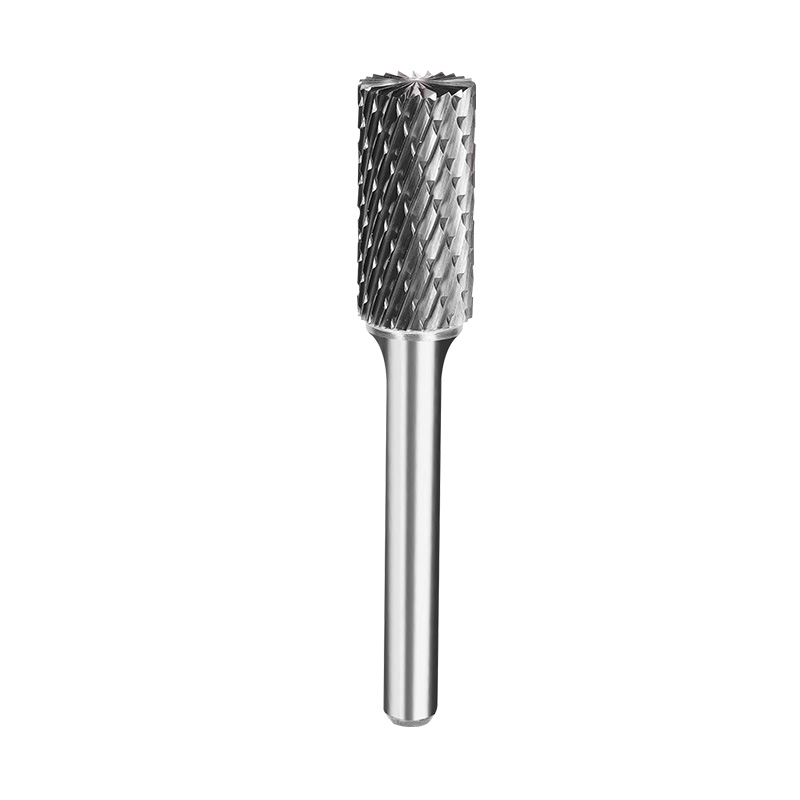
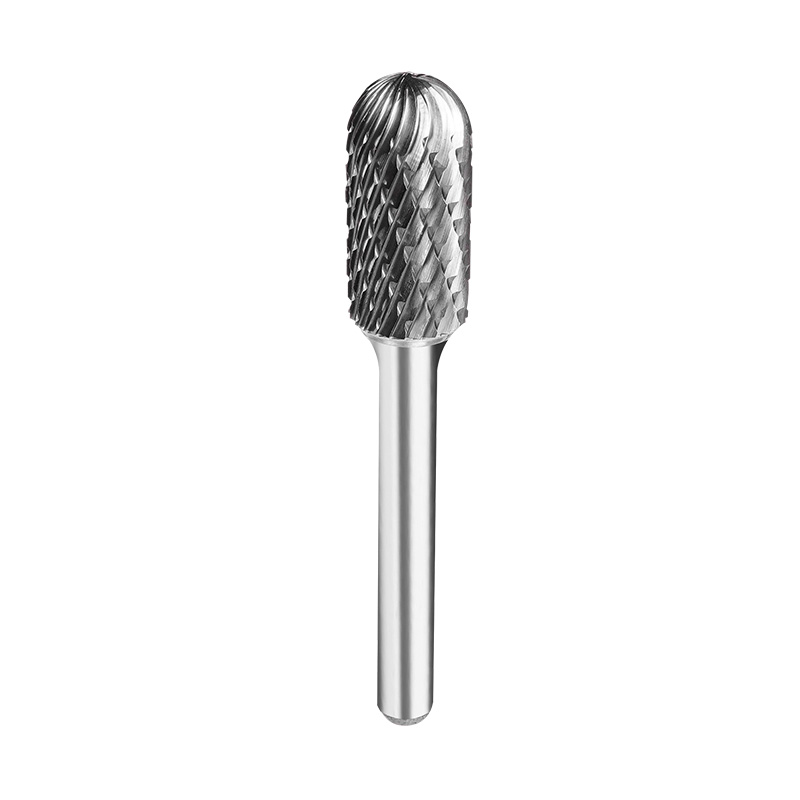
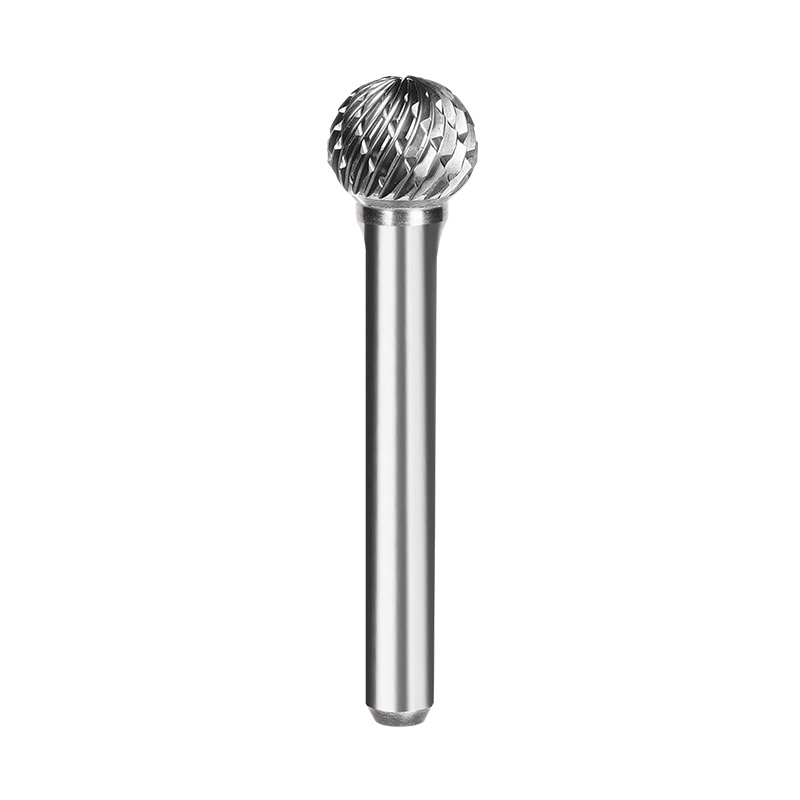
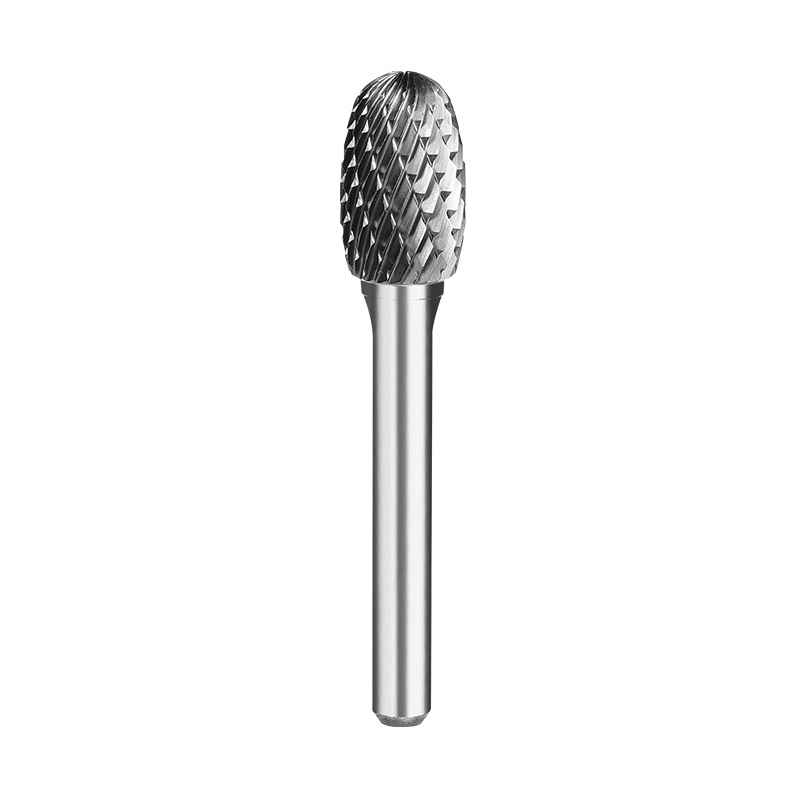
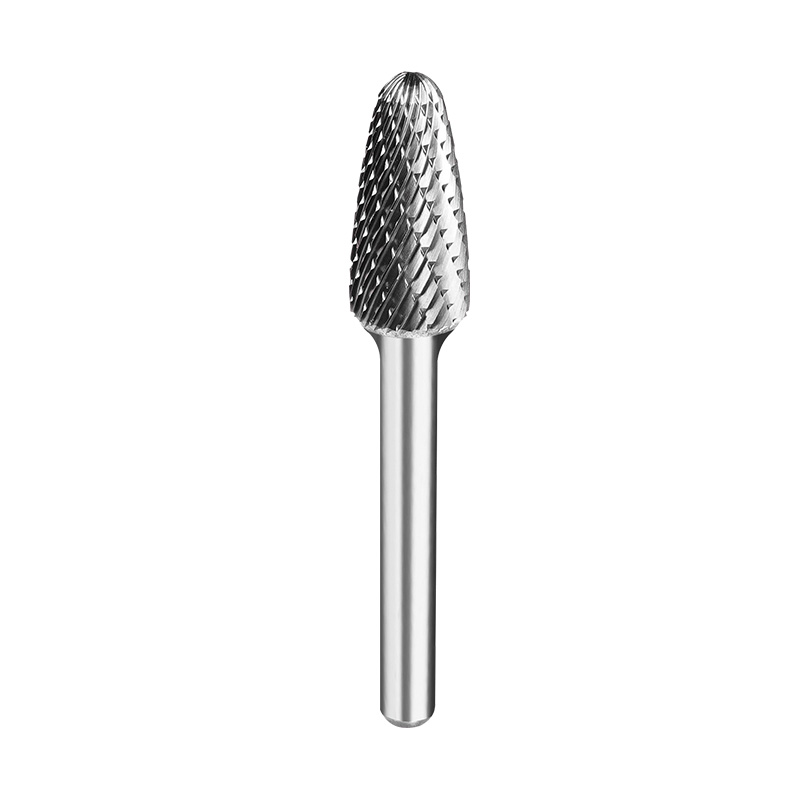
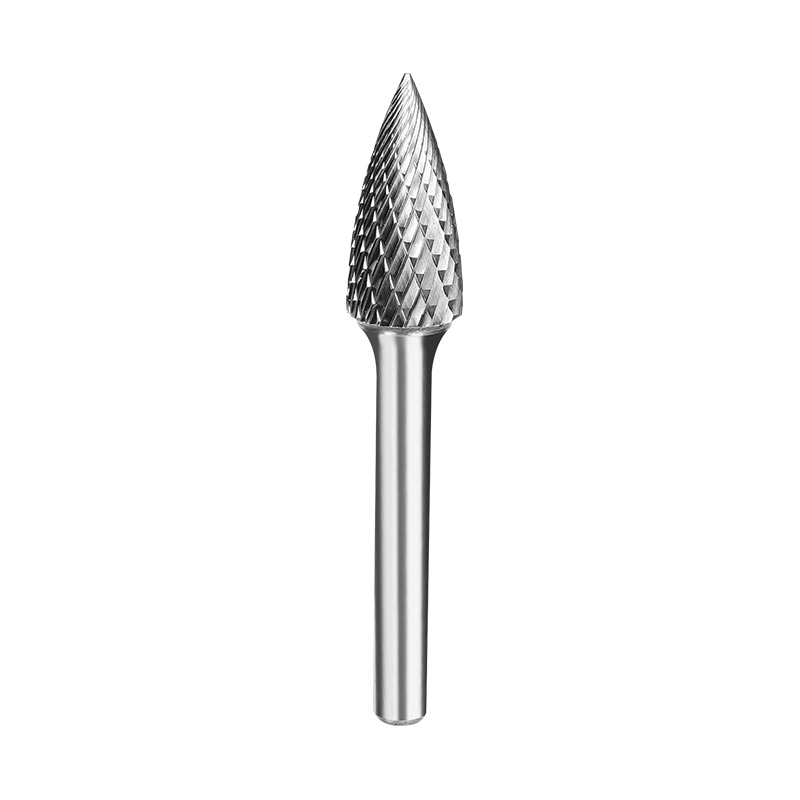
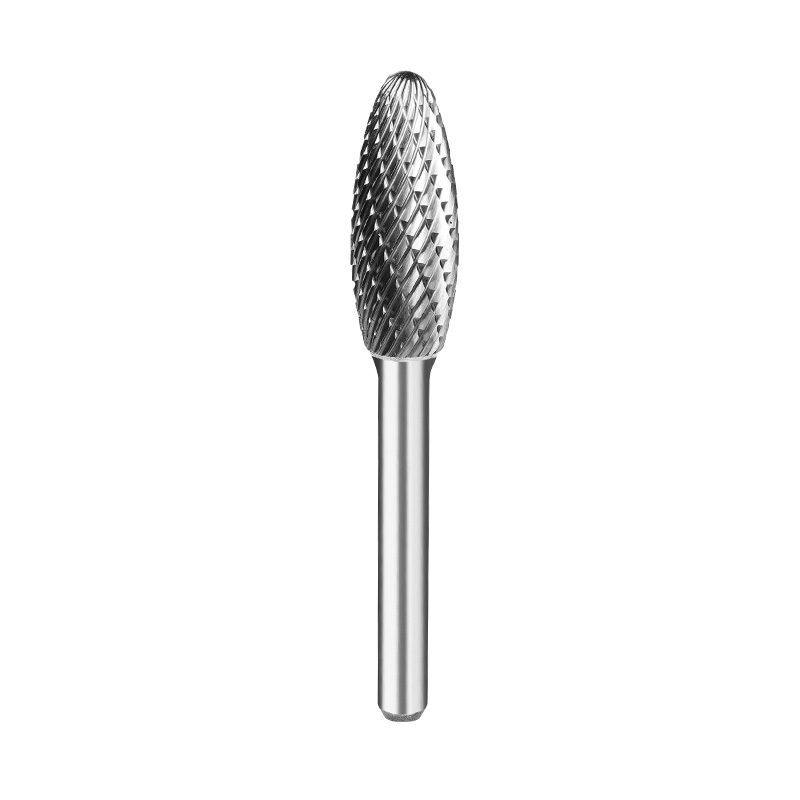
Carbide milling cutters are small tools, but they carry a big role in machining work. They touch metal directly, shape parts, and influence how smooth or rough a finished surface becomes. In workshops around the world, these tools are used every day, often without much attention, yet they decide a lot about production flow.
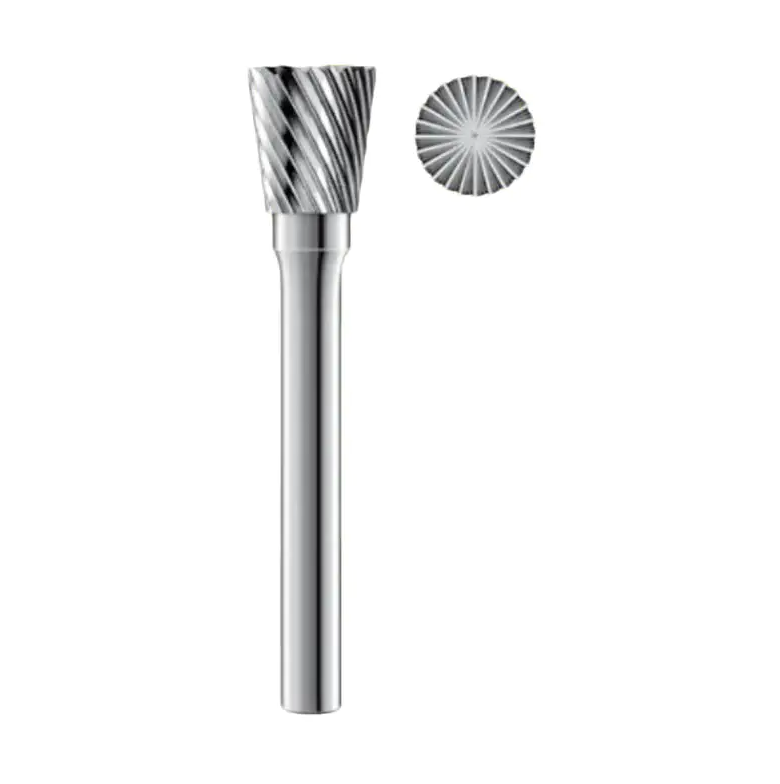
Over time, cutters made in China have become more common in global machining environments. Not because of one single reason, but because of a combination of production habits, supply patterns, and how these tools fit into real working conditions.
Carbide milling cutters are used because they are practical. They can handle metal cutting, shaping, trimming, and surface finishing in different stages of production.
In real workshops, one tool rarely does only one job. A cutter may be used for rough cutting in the morning and lighter finishing work later in the day. This flexibility makes it useful in many situations.
Common usage scenarios include:
The tool is small, but it stays close to the center of many machining processes.
The rise of China carbide milling cutter in global markets is not sudden. It comes from long-term development in manufacturing systems and supply networks.
One noticeable factor is how production is organized. Many factories are located in clusters, where raw material handling, tool forming, grinding, and finishing are closely connected. This shortens the distance between each production stage.
Instead of moving parts across long supply routes, everything stays within a connected system. This helps keep output steady and reduces delays between steps.
Another factor is variety. Different workshops need different tool shapes and cutting styles. Chinese suppliers often produce a wide range of cutter types instead of focusing on a single format.
Consistency matters in machining tools more than appearance. Even a small change in cutting edge behavior can affect how metal is shaped during operation.
In carbide milling cutter production, the process is usually divided into several controlled steps. Each step adds a layer of stability.
Typical flow looks like this:
Each stage is simple on its own, but together they form a controlled system.
When this flow is repeated over time, tools from different batches tend to behave in a similar way during machining work.
Carbide milling cutters rely heavily on material behavior. The inside structure of the tool affects how it reacts during cutting, especially under pressure and heat.
If the material is unstable, the tool may wear unevenly or lose cutting sharpness too quickly. If it is stable, the tool can maintain performance for a longer period.
Manufacturers focus on keeping material behavior consistent during processing. This includes careful handling during forming and grinding stages.
In real machining use, stable material helps with:
It does not make the tool "strong forever," but it helps keep performance steady during normal use.
Many carbide milling cutters go through a coating stage before use. This is not about changing shape. It is about changing how the surface interacts with metal during cutting.
The coating layer affects contact between tool and material. When cutting happens at high speed or under continuous load, surface behavior becomes important.
In practical use, coating can influence:
Different coating styles are used for different machining conditions. Some are better for continuous cutting, while others support more detailed finishing work.
Carbide milling cutters are not limited to one field. They appear in many industries that involve metal shaping.
Their use depends on production needs rather than industry type.
Common environments include:
Each environment uses the same tool in slightly different ways. Some focus on speed. Others focus on precision or surface quality.
This adaptability is one reason the tool stays widely used.
Tool design is more than shape. It directly affects how material is removed during cutting.
In carbide milling cutters, design elements influence how force is distributed and how chips are formed during operation.
Important design-related factors include:
If design is balanced, the tool runs more smoothly during machining. If not, vibration or uneven cutting can appear.
Manufacturers often refine design details based on real workshop feedback rather than only theoretical models.
Production scale does not only mean large quantity. It also affects how flexible supply becomes.
In China, carbide milling cutter production is supported by multiple manufacturing layers. This allows factories to maintain continuous output while offering different tool variations.
In real terms, this supports:
Scale helps keep tools accessible, not just available.
Quality control is not only done at the end. It appears in different stages of production.
Instead of waiting for final inspection, factories often check tools at multiple points.
Typical checks include:
This step-by-step checking reduces variation between tools and helps maintain steady performance during use.
Different workshops do not work in the same way. Some run continuous production. Others switch between tasks frequently.
Because of this, flexibility in tool selection becomes important.
Carbide milling cutters from China often come in multiple variations, which allows users to choose based on:
Instead of forcing one tool for all situations, users can match tools to specific tasks.
In actual workshops, a cutting tool is never used alone. It works as part of a system that includes machines, fixtures, and production planning.
A stable tool helps the system run more smoothly. Operators do not need to constantly adjust settings when tool behavior is predictable.
This reduces interruptions and keeps production flow more consistent.
Over time, tools become part of routine workflow rather than a separate component.
Demand continues because machining itself continues to expand. More parts are being produced, and more industries rely on precise metal shaping.
Carbide milling cutters remain relevant because they:
China's role in this market is linked to its ability to produce varied tool types while keeping supply steady for different global users.
The widespread use of China carbide milling cutters is not the result of a single advantage. It comes from a combination of structured production, flexible design thinking, and steady adaptation to real machining environments where tools are used every day under different conditions.
Cooperate with us now
contact Us
Characteristic Industrial Park, Furong Town, Yueqing City, Zhejiang Province, China.
+86-13757799073
+86-13587713956

Wholesale Carbide Rotary Burs Factory