 English
 Español
 Inquiry
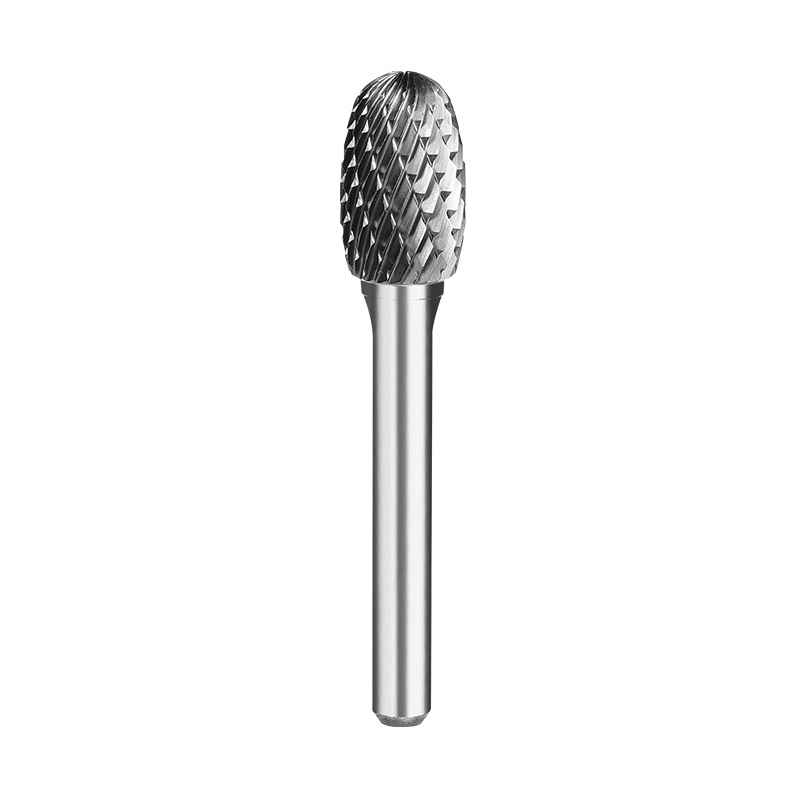
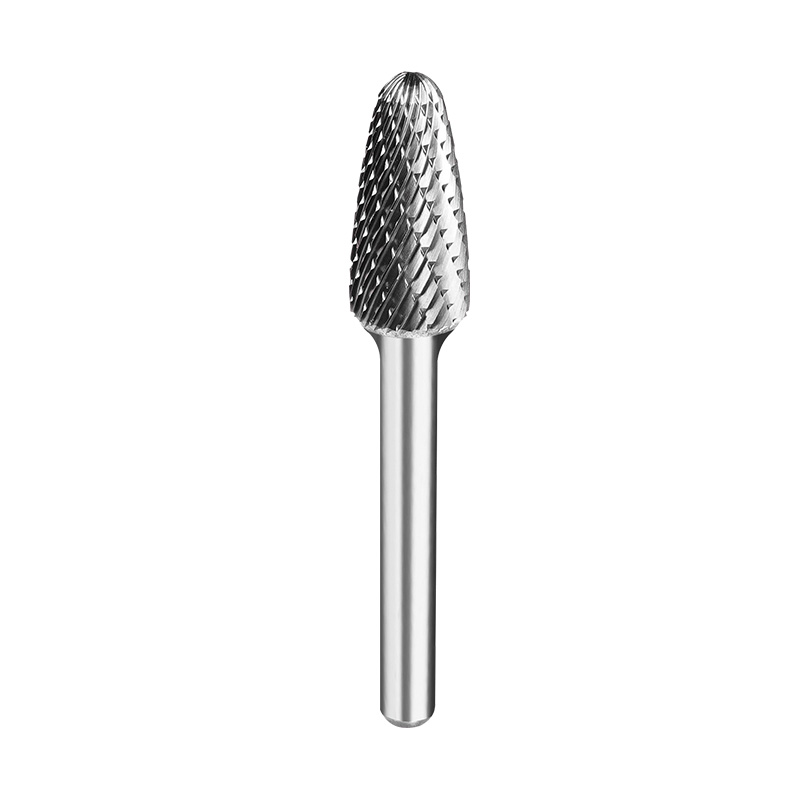
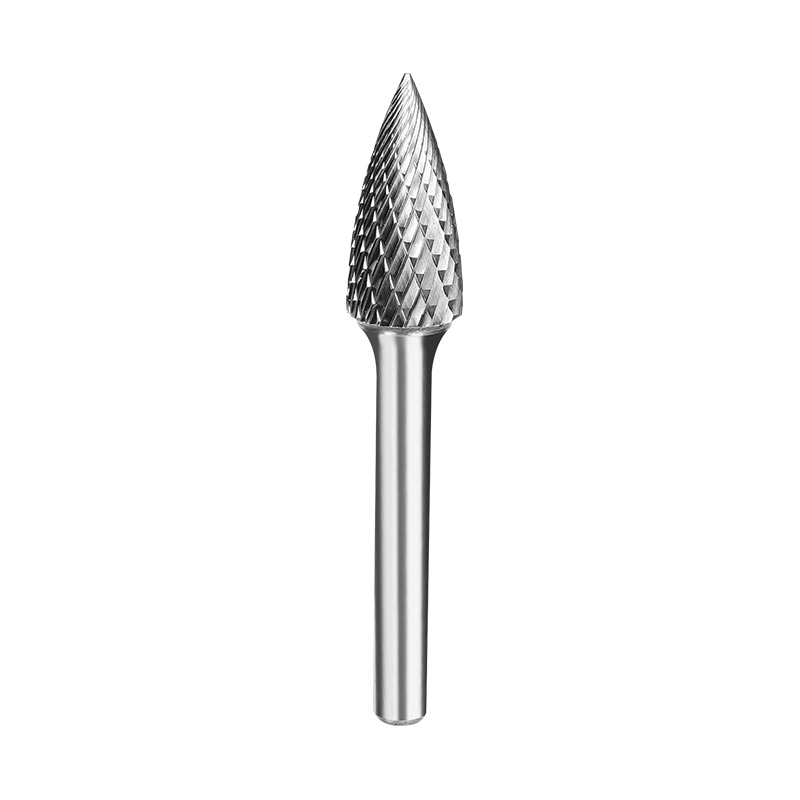
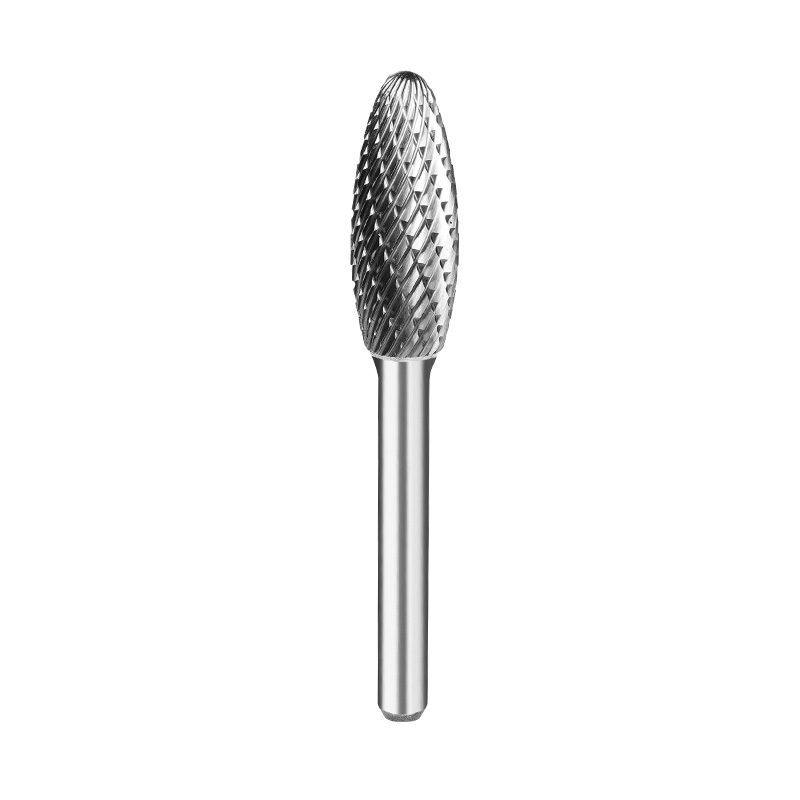
The quiet hum of a rotary tool is easy to overlook on a busy work floor. It blends into the background, somewhere between the sound of cutting, shaping, and polishing. Yet this small, fast-moving device often sits at the center of many tasks that require control and precision. Its role shifts depending on where it is used. In one setting, it trims and smooths. In another, it shapes and refines. Across industries, it adapts without drawing much attention to itself.
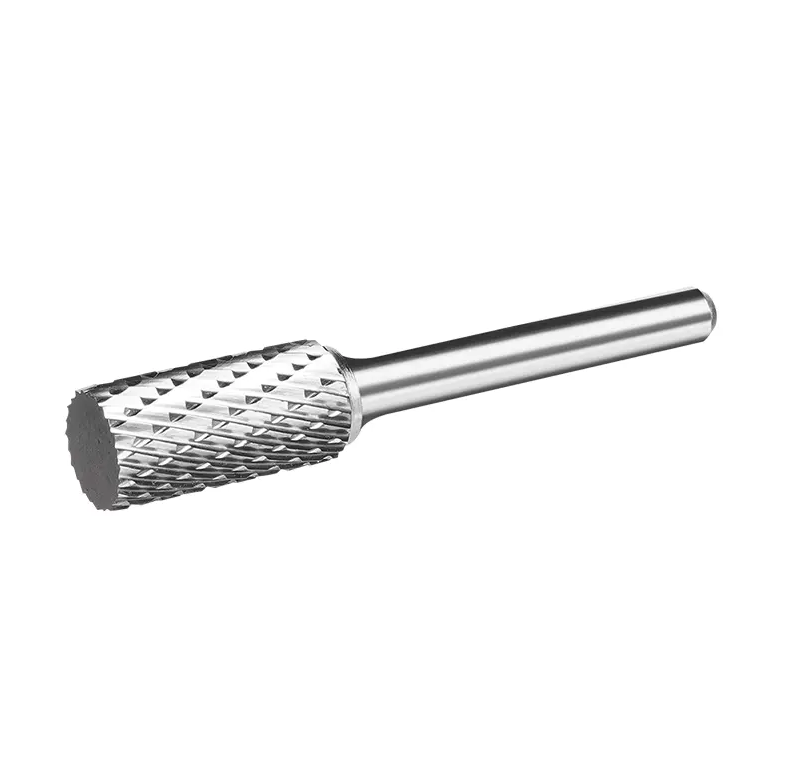
Industrial rotary tool are not tied to a single purpose. Their flexibility is what makes them useful. A single unit can take on different tasks simply by changing its attachment. This ability to shift roles gives it a place in workshops, production lines, repair stations, and even detailed finishing areas.
There is something practical about a tool that can perform many small tasks without requiring a full setup change. In many industries, time is shaped by transitions. Stopping to switch machines slows things down. Rotary tools reduce that interruption.
They are often chosen for jobs that need a steady hand. Not everything can be handled by large machines. Some tasks are too detailed. Others happen in tight spaces. Rotary tools fill that gap.
They are also useful in situations where materials behave differently. A surface might need gentle polishing in one moment and controlled cutting in the next. Instead of moving the workpiece, the operator adjusts the tool.
This flexibility leads to wide adoption across fields that may not seem connected at first glance.
Metalworking environments are often associated with heavy equipment. Large cutting machines, presses, and forming tools dominate the space. Yet smaller tools remain essential for finishing work.
Rotary tools are used to smooth edges after cutting. Sharp corners can be shaped into safer forms. Small burrs left behind by larger machines are removed with careful passes.
They also help in surface preparation. Before coating or joining, metal surfaces often need to be cleaned or slightly roughened. Rotary tools allow controlled contact with the surface.
In repair work, they play a different role. Damaged areas can be cleaned, reshaped, or prepared for filling. Their size allows access to areas that larger tools cannot reach.
Some common uses in metalworking include:
The tool becomes an extension of the worker's hand. It responds quickly, allowing adjustments in real time.
Wood is far softer than metal, with uneven natural grain patterns. Wood pieces are often shaped to look attractive just as much as they need to work functionally, and rotary tools fit perfectly for this kind of work.
Craftsmen use them to carve detailed patterns into wood. They can add fine decorative marks without cracking or splitting the material, and shape smooth curves and narrow grooves with steady hand control.
Sanding work also relies heavily on rotary tools. Big sanding machines handle flat large‑area surfaces, while rotary tools smooth tight corners, edges and tricky spots that are hard to reach with standard equipment.
When building furniture, these tools help tidy up connecting joints and polish decorative features. Even tiny surface flaws can be fixed without weakening the whole piece of wood.
Common woodworking uses for rotary tools:
Woodworking with rotary tools usually takes a slower pace. Precision and steady control matter more than working fast, and these handheld tools make that careful style of work easy to maintain.
Construction sites bring a different kind of challenge. Materials vary from one task to another. Space is not always predictable. Tools must adapt quickly.
Rotary tools are often used for adjustment work. A fitting may need slight trimming. A surface might need cleaning before installation. Small corrections happen throughout the day.
They are also used for cutting in tight areas. Pipes, panels, or fittings sometimes require minor changes after placement. Rotary tools handle these tasks without requiring large equipment.
Surface preparation is another common use. Before sealing or bonding, surfaces must be clean and ready. Rotary tools help prepare these areas quickly.
Typical uses in construction include:
They are not the main tool on site, but they are often the one that solves small problems as they arise.
Repair work on vehicles often means working in tight, confined spaces. Most components are packed closely together, and taking apart entire assemblies just to fix one small section is usually not realistic.
Rotary tools solve this issue well. Their small, slim build lets them get into hard‑to‑reach gaps. Mechanics use them to clean, shape and prep parts without fully pulling apart surrounding hardware.
Surface cleaning is one of the most frequent uses. They strip away rust and grime ahead of repairs, and smooth out fine cracks or worn‑down spots before treatment begins.
These tools are also widely used for part restoration. Older vehicle pieces need careful handling, and rotary tools let workers make gradual adjustments without scratching or damaging the base material.
In automotive repair shops, common applications include:
The main advantage is precision plus accessibility. Rotary tools go where bigger power tools simply cannot fit.
Electronics work requires a different level of care. Materials are often delicate. Mistakes are not easy to fix.
Rotary tools are used for small adjustments. Openings can be shaped in housings. Edges can be smoothed to avoid damage to internal components.
They are also used in assembly work. Small parts may need trimming or shaping before fitting into place.
Cleaning is another important task. Dust or residue can affect performance. Rotary tools with soft attachments help maintain surfaces without causing harm.
In precision environments, they are used for:
Here, control matters more than speed. The tool must respond gently to the user's input.
Creative industries often blend function and appearance. Materials are shaped not only for use but also for visual effect.
Rotary tools are widely used in design work. They allow artists and makers to experiment with forms. Small changes can be made without starting over.
They are used for engraving patterns. Designs can be added to surfaces with careful movement. This adds a layer of detail that is hard to achieve with larger tools.
They also assist in finishing. Surfaces can be polished to achieve the desired look. Edges can be softened to improve both feel and appearance.
Common uses in design include:
The tool becomes part of the creative process. It allows ideas to take shape gradually.
The same tool can look very different depending on where it is used. The table below shows how its role changes across industries.
| Industry | Typical Use Cases | Work Focus |
|---|---|---|
| Metalworking | Edge smoothing, surface prep | Strength and finish |
| Woodworking | Carving, sanding | Detail and texture |
| Construction | Trimming, cleaning | Adaptability |
| Automotive Repair | Cleaning, shaping parts | Access and precision |
| Electronics | Small adjustments, cleaning | Care and control |
| Craft and Design | Engraving, polishing | Creativity and detail |
Each setting shapes how the tool is used. The core function stays the same, but the purpose shifts.
Their versatility comes from a simple idea. Instead of changing the tool, the user changes the attachment. This small adjustment opens up many possibilities.
They are also easy to handle. Their size allows them to be used in different positions. This makes them useful in both open and confined spaces.
Speed control adds another layer of flexibility. Some tasks require a gentle touch. Others need more force. The tool adapts without requiring a full change in setup.
Another factor is consistency. When used properly, rotary tools provide steady results. This is important in tasks where small variations can affect the outcome.
The environment shapes how any tool is applied. Rotary tools are no exception.
In busy production areas, they are used quickly and often. The focus is on efficiency. Tasks are repeated, and the tool becomes part of a routine.
In smaller workshops, the pace is different. The tool is used more carefully. Each movement is considered. The focus shifts to detail.
In repair settings, the tool must adapt to unexpected situations. No two tasks are exactly the same. Flexibility becomes the key factor.
In creative spaces, the tool supports experimentation. It allows changes to happen gradually. The process is less structured, but still precise.
The choice often comes down to the nature of the task. If the work requires detail, access, or flexibility, a rotary tool becomes a natural option.
Operators also consider control. Some tasks cannot be rushed. They need careful handling. Rotary tools provide that level of control.
Space is another factor. In tight areas, larger tools are not practical. Rotary tools fit where others cannot.
Material type also plays a role. Softer materials require a different approach than harder ones. Rotary tools can adapt through attachments and handling.
Despite their flexibility, rotary tools are not without limits. They are not designed for large-scale removal or heavy cutting. Trying to force them into such roles can lead to poor results.
Control also requires practice. A steady hand is important. Without it, the tool can remove more material than intended.
Heat can build up during use. This affects both the tool and the material. Operators need to manage this through careful handling.
Attachments wear over time. They need to be checked and replaced when necessary. This ensures consistent performance.
These challenges do not limit their usefulness. They simply shape how the tool is used.
Workflows continue to change. Automation handles many large tasks. Yet smaller adjustments still require human input.
Rotary tools fit into this space. They support tasks that machines cannot easily handle. They allow workers to respond to small variations.
They also support customization. Not every product is identical. Small changes are often needed. Rotary tools make these adjustments possible.
In many industries, they act as a bridge between large-scale processes and detailed finishing work.
The continued presence of rotary tools across industries suggests a simple truth. Not all work can be standardized. Some tasks require flexibility, attention, and control.
These tools remain relevant because they support those needs. They do not replace larger systems. They complement them.
Their role may not always be visible, but it is consistent. They handle the details that shape the final result.
In different industries, under different conditions, they continue to adapt. The work changes. The tool remains ready to follow.
Cooperate with us now
contact Us
Characteristic Industrial Park, Furong Town, Yueqing City, Zhejiang Province, China.
+86-13757799073
+86-13587713956

Wholesale Carbide Rotary Burs Factory