 English
 Español
 Inquiry
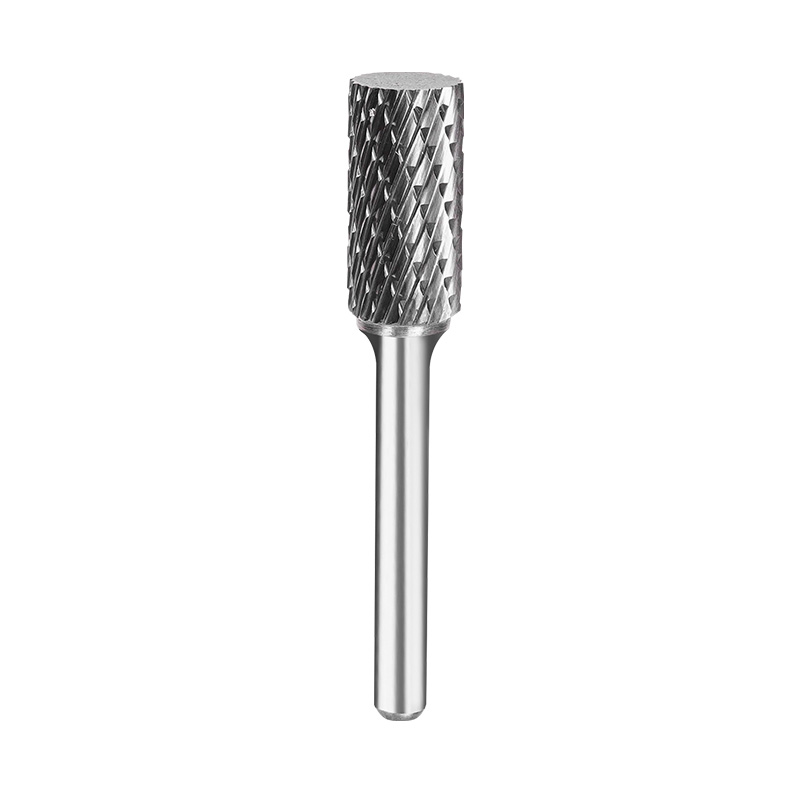
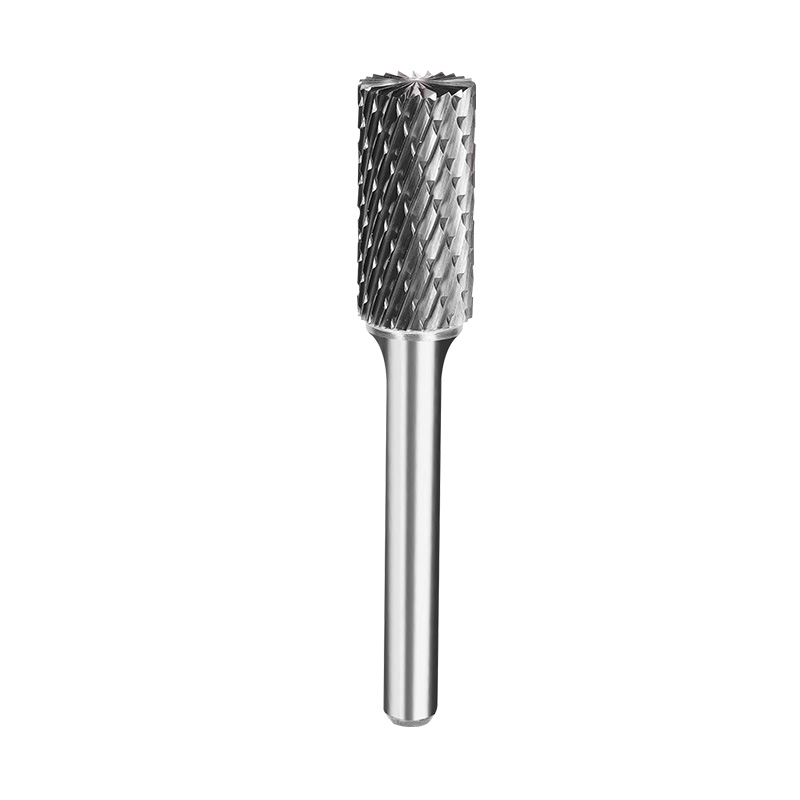
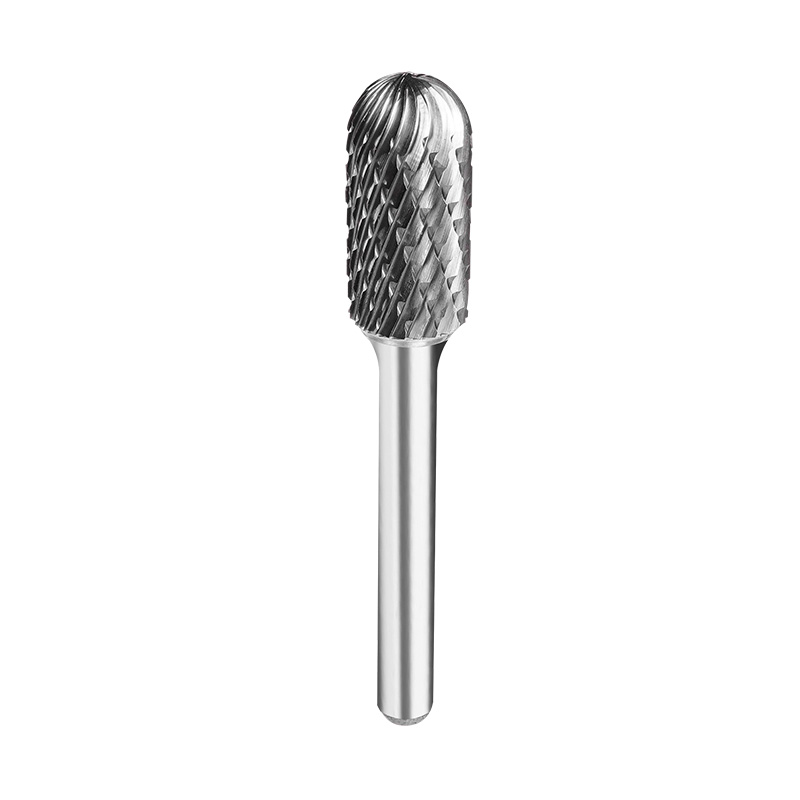
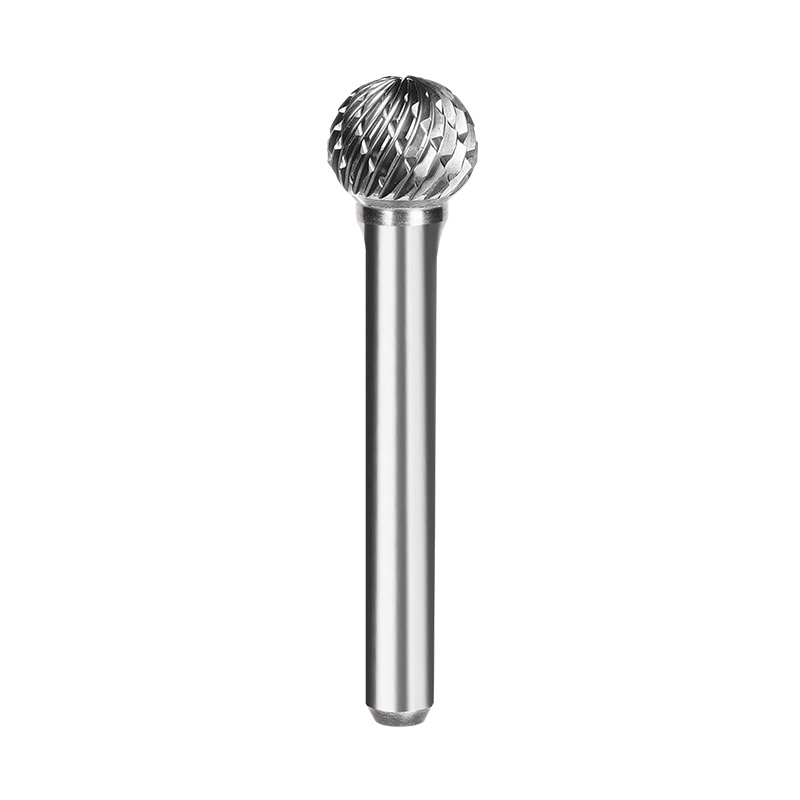
Carbide Rotary Tool Factory is small components, yet they are expected to handle steady cutting tasks without losing shape too quickly. In real factory settings, performance is not created in a single step. It comes from a long chain of material handling, shaping behavior, surface work, and repeated checking.
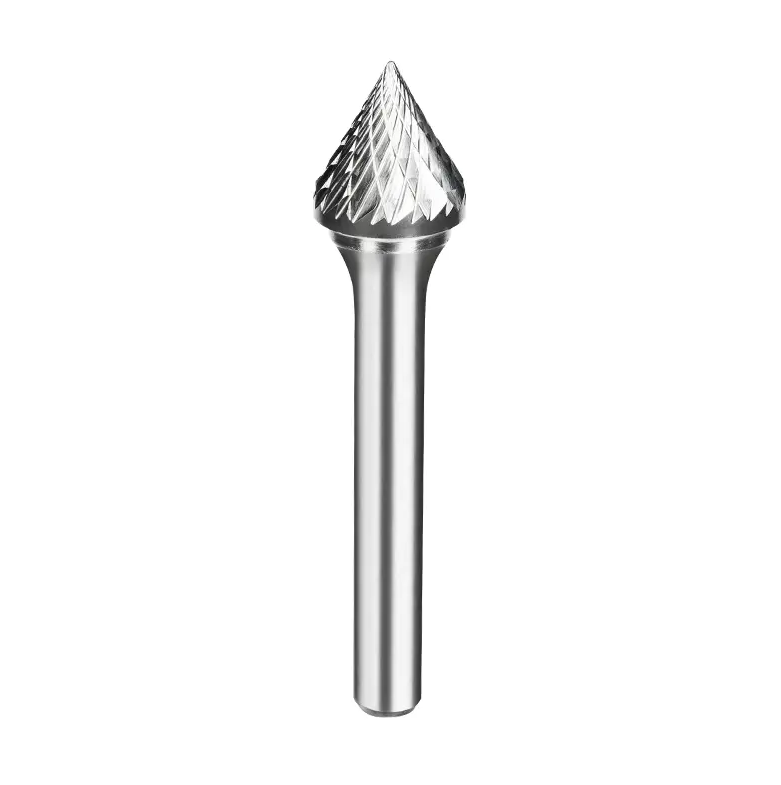
What often gets overlooked is how sensitive each stage can be. A slight change in material condition or a small shift during shaping may not be obvious at the beginning, but it can influence how the tool behaves later during use.
Everything begins with material selection and preparation. Factories do not treat raw material as a simple input. It is more like a foundation that decides how stable the tool will become later.
Carbide-based materials are chosen because they keep their form under pressure and do not deform easily during cutting work. But even within similar materials, internal consistency can vary.
Before processing, materials are usually checked for uniformity and surface condition. If the material feels unstable or inconsistent, later shaping becomes harder to control.
Storage is also part of this early stage. Materials that are exposed to unstable surroundings may change slightly in texture or surface behavior. These changes are small, but they can affect how the tool responds during shaping and finishing.
Shaping is where the tool begins to take form. At this point, the material is no longer just raw stock. It becomes a structure that will later interact with cutting surfaces.
Factories focus on keeping shaping behavior stable across every unit. If one tool is slightly different in shape, it may carry uneven force during use. That unevenness can shorten working life.
Edge formation is another sensitive part. The edge must stay consistent from one tool to another. Even small variation in smoothness or angle can change how the tool cuts.
Rather than focusing on complexity, shaping is more about control. The goal is to avoid unnecessary variation.
A simple breakdown of shaping influence:
| Shaping Factor | Possible Effect |
|---|---|
| Form balance | Even force distribution |
| Edge uniformity | Stable cutting feel |
| Surface continuity | Smooth operation |
| Structural alignment | Reduced uneven wear |
Each part works quietly in the background but affects real usage later.
Heat builds up naturally during manufacturing, especially when materials are being shaped, pressed, or adjusted. If it's not handled properly, it can quietly affect the internal structure of the tool.
Smart factories don't treat heat as one big isolated issue. They manage it step by step throughout the whole process so the material doesn't go through sudden temperature jumps.
The main goal is to keep the inside of the tool stable while still making sure it holds its shape properly when it's actually being used later.
When heat isn't spread evenly, different parts of the tool can end up reacting differently over time. This often leads to uneven wear once it's out cutting.
These changes might not be obvious right away, but they usually start showing up after the tool has been used for a while under real working conditions.
Surface treatment might seem like a small thing, but it actually plays a pretty important role. It doesn't change the basic shape of the tool, but it has a big effect on how the tool performs when it meets the material.
A smooth and stable surface makes the cutting feel much more consistent. When the surface is rough or uneven, friction can go up and down during use, which makes the tool feel unstable.
Before applying any treatment, factories usually clean and prep the surface carefully. This helps the new layer stick evenly and perform better.
They tend to apply the surface treatment in controlled, balanced layers instead of dumping on a thick coat all at once. The aim is steady performance, not maximum thickness.
In the end, how the surface behaves directly affects the user's experience. Even tiny differences can be noticeable when you're cutting over and over again.
Precision is not only about measurements. It is about how evenly the tool distributes force during use.
If one area of the tool carries more pressure than others, wear may appear faster in that section. Over time, this reduces usable life.
Factories often repeat checks during shaping to keep output within a stable range. The aim is not to eliminate every difference, but to keep variation small enough that it does not affect performance.
Edge transitions are also part of precision control. Sudden changes in structure can create weak points during operation.
A simple view of precision impact:
| Precision Area | Influence on Durability |
|---|---|
| Shape balance | Stable wear pattern |
| Edge consistency | Smooth cutting response |
| Surface smoothness | Reduced friction shifts |
| Structural alignment | Longer stable use |
Inspection is not limited to the end of production. It appears repeatedly throughout the process.
At the beginning, material condition is checked. During shaping, form stability is reviewed. After surface work, consistency is observed again.
These checks are usually simple in practice. Visual observation and basic handling are often enough to notice irregularities.
The purpose is not only to find problems but to keep production steady. If something looks off early, it can be adjusted before it spreads further into the batch.
Inspection also helps maintain a rhythm in production, where each stage connects smoothly to the next.
Finishing is the last step before the tool is ready to go out. It ends up affecting not just how it looks, but how it actually performs when cutting.
A good, even finish helps the tool keep steady contact with the material it's cutting. If the finish is uneven, you can get small changes in friction during use, which affects smoothness and precision.
How the parts are assembled at this stage makes a big difference too. Even if the tool shape is perfect, bad alignment can cause it to wobble or cut inconsistently.
Most factories check finished tools in batches instead of one by one. This helps them spot overall patterns rather than getting distracted by tiny one-off differences.
At the end of the day, finishing isn't really about making it look pretty. It's more about how the tool holds up and performs under repeated pressure and real working conditions.
Even when every step is controlled, small differences can still appear between production batches. Factories try to reduce this through repetition and stable routines.
Material handling follows the same process each time. Equipment settings are kept steady. Workers follow consistent steps so output does not drift too far between runs.
Another method is comparison between batches. New results are checked against earlier ones to see if anything has changed in behavior or appearance.
When variation appears, adjustments are made early rather than waiting for later stages.
A simple overview:
| Control Area | Purpose |
|---|---|
| Material handling | Reduce variation from input |
| Process routine | Keep output stable |
| Equipment setup | Maintain shaping consistency |
| Batch comparison | Detect small shifts early |
After production, the tool still needs to remain stable before use. This stage is often less visible but still important.
Storage conditions can slowly influence surface behavior. If conditions are unstable, small changes may appear over time.
Packaging helps reduce exposure and keeps tools protected during transport. Without proper protection, small shifts in surface condition may occur.
Movement during shipping can also affect alignment slightly if protection is weak.
Even waiting time before use can have a mild effect if storage is not controlled.
| Post-Production Factor | Possible Influence |
|---|---|
| Storage condition | Surface stability changes |
| Packaging quality | Protection level |
| Transport movement | Minor structural shift |
| Time before use | Gradual variation |
Carbide rotary tool factories manage cutting performance and durability through many small, controlled steps. Each stage does not work alone. Material behavior, shaping stability, surface treatment, precision control, inspection routines, and post-production handling all connect into one continuous process where consistency is maintained through repetition rather than a single action.
Cooperate with us now
contact Us
Characteristic Industrial Park, Furong Town, Yueqing City, Zhejiang Province, China.
+86-13757799073
+86-13587713956

Wholesale Carbide Rotary Burs Factory