 English
 Español
 Inquiry
Carbide rotary burs are small tools, but they show up in many workshops. Metal shaping, edge cleanup, surface adjustment. They all rely on this kind of tool at some stage.
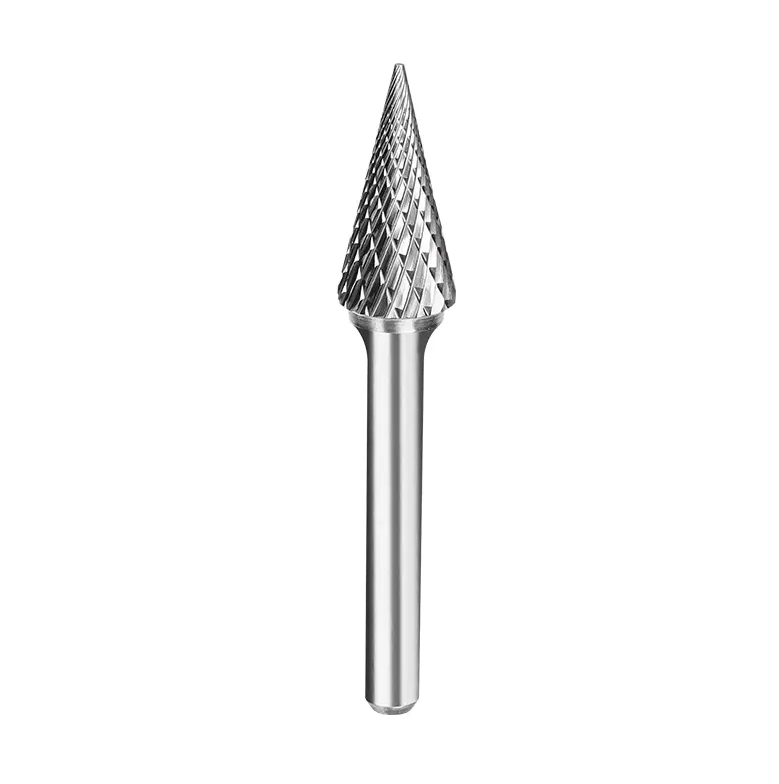
On the surface, selection looks simple. Pick a shape. Pick a cut type. Start working. In real use, things are less direct. The same bur can behave differently depending on how it meets the material, how it is guided, and what kind of result is expected.
So the choice is not only about tool names. It is about how the tool reacts during work.
Shape is usually the first thing people notice. But its real impact shows up only when the tool touches material.
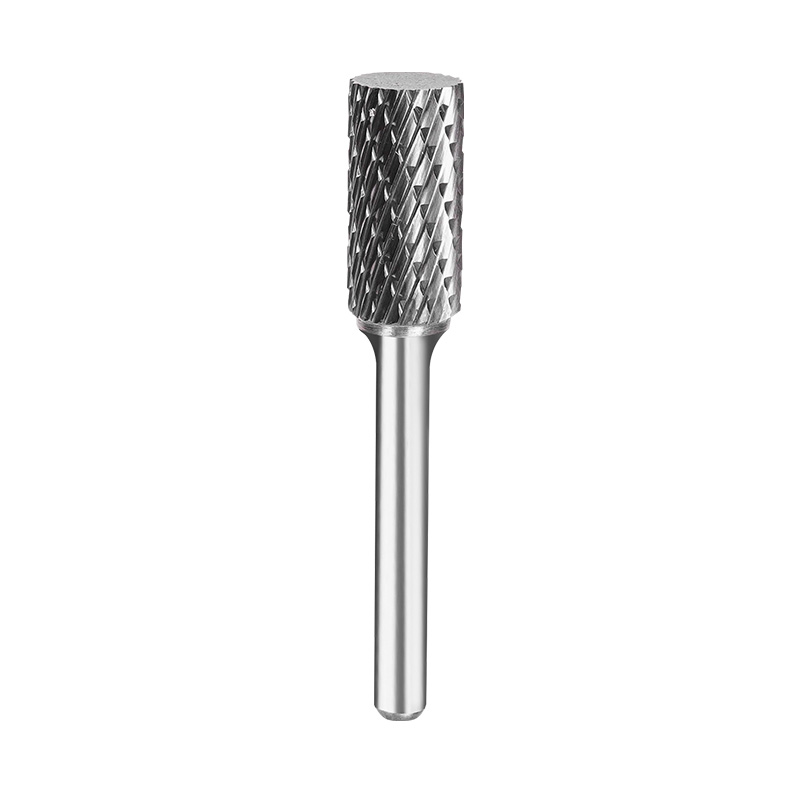
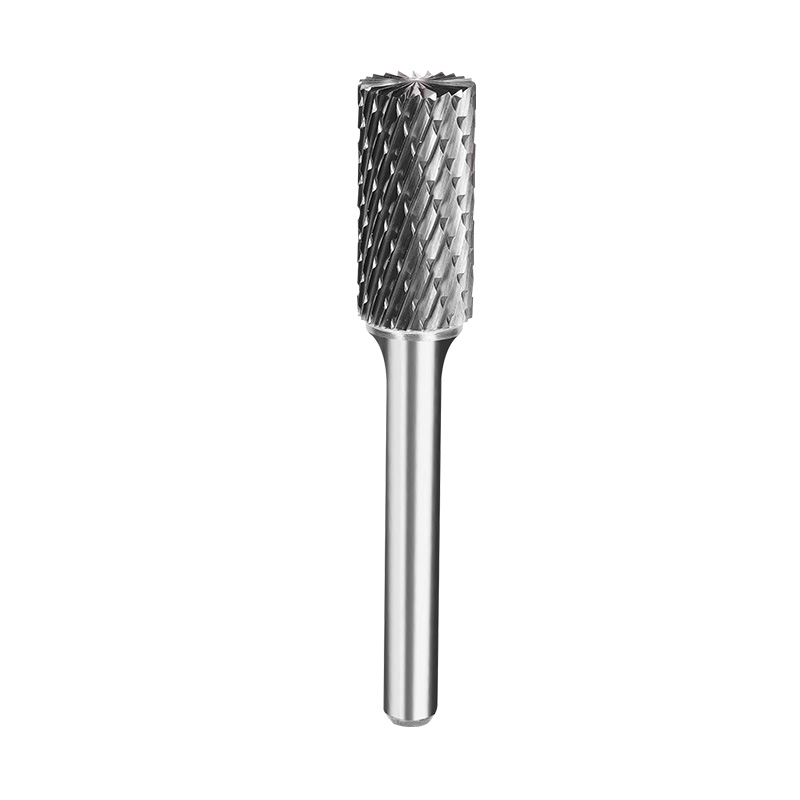
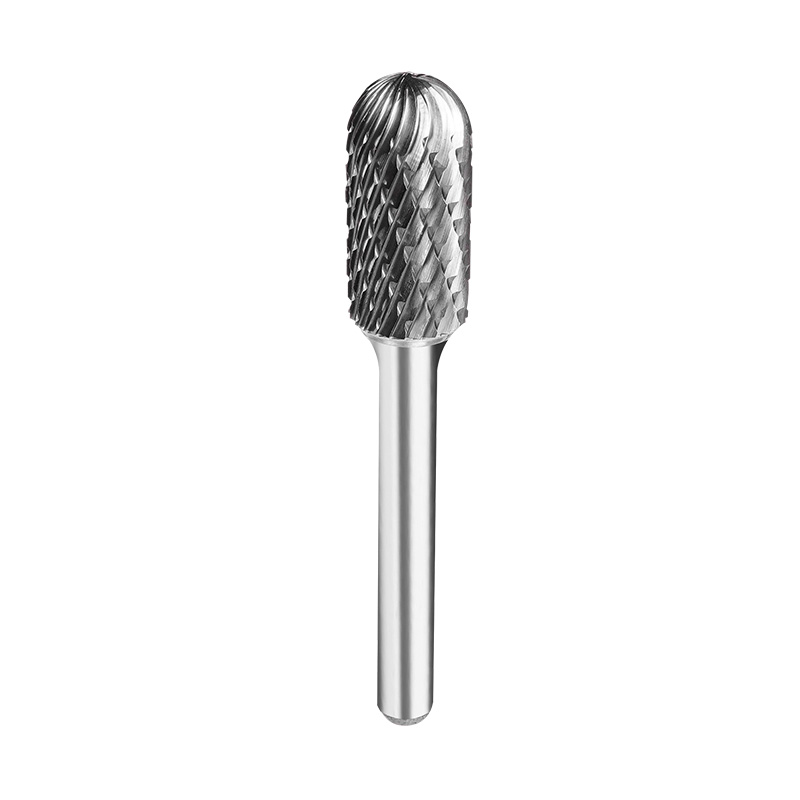
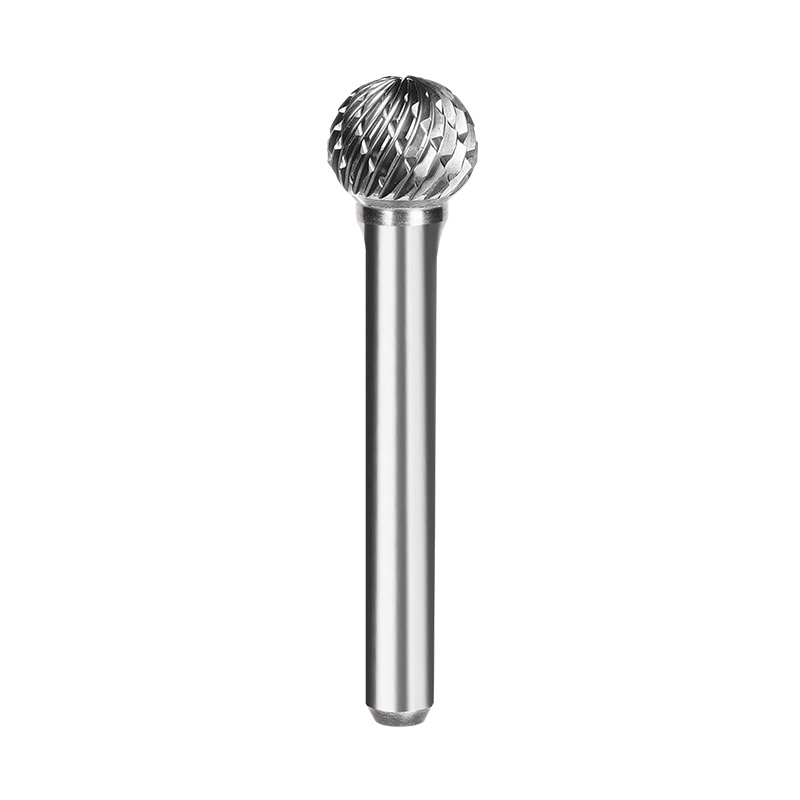
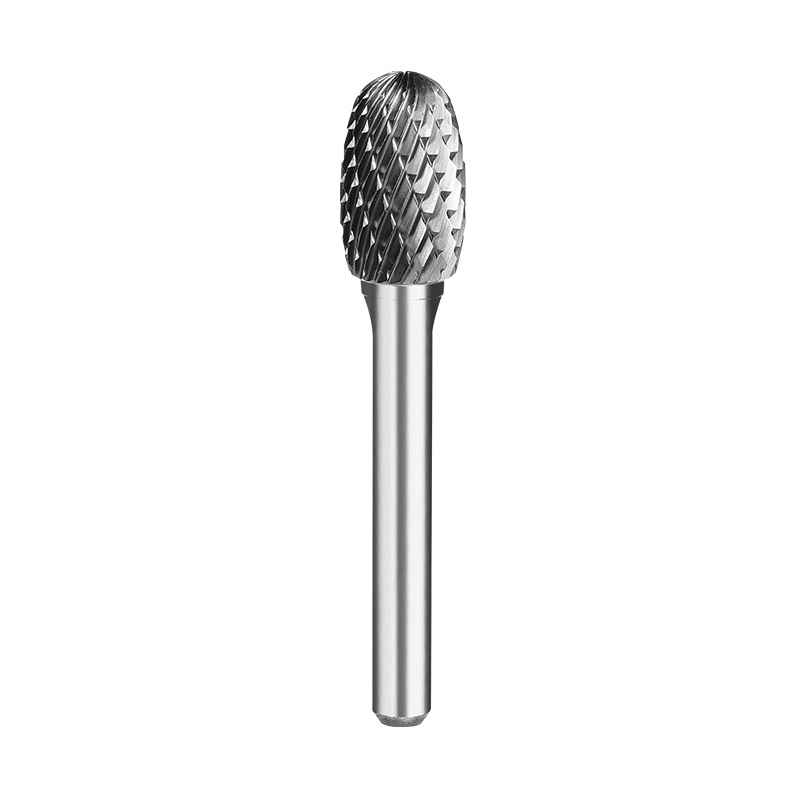
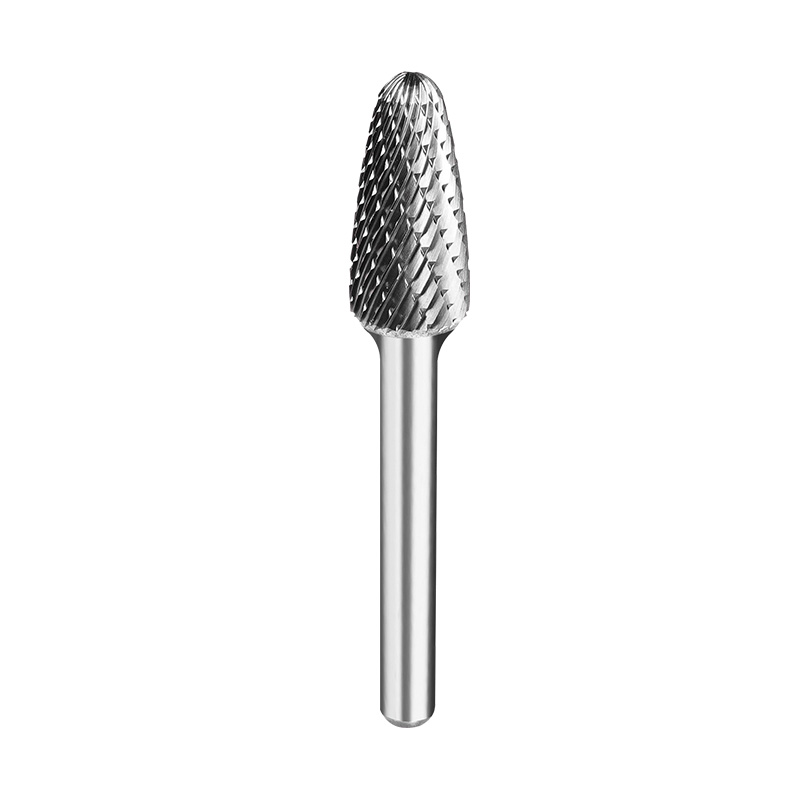
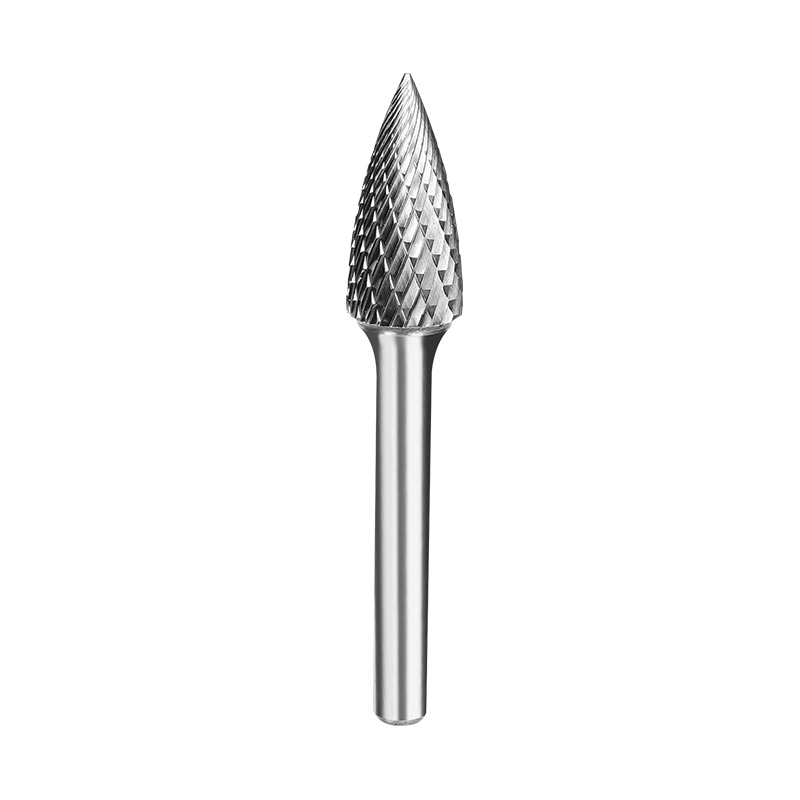
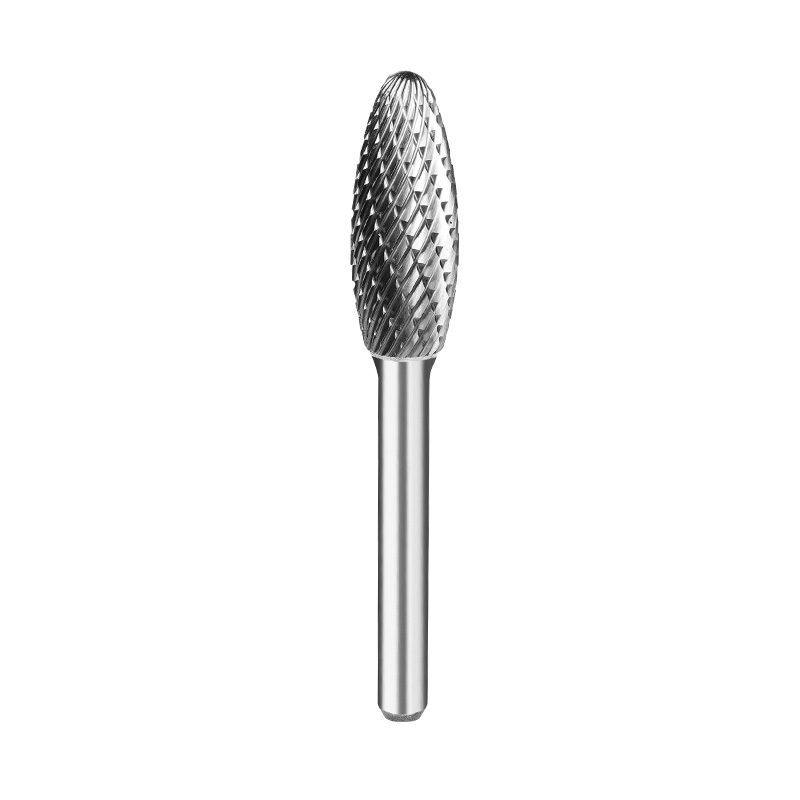
A rounded head moves differently compared to a pointed one. One tends to glide. The other tends to dig into narrow spots. A cylindrical shape feels steady on flat areas, while a tapered form slowly transitions between surfaces.
In actual work, this difference becomes obvious very quickly. A wrong shape does not always fail, but it often slows things down or forces extra corrections later.
Workshops usually keep more than one shape nearby for this reason. Not because it looks organized, but because surfaces rarely stay simple.
When a bur touches a surface, the size of that contact changes everything.
A larger contact spreads force. The movement feels smoother but less focused. A smaller contact concentrates pressure. It becomes more precise but also more sensitive.
On harder materials, too much pressure in a small area can leave uneven marks. On softer materials, wider contact often helps maintain consistency.
This is why operators rarely rely on a single shape for an entire job. Even a small change in contour can call for a different profile.
Cut type is less visible, but it changes how the tool behaves during rotation.
Some cuts remove material quickly. The movement feels more open, less restricted. Others feel tighter and more controlled, with smoother surface results.
The difference is not just speed. It is also about how stable the tool feels in hand.
In practice, aggressive cuts are often used when material needs to come off quickly. Finer cuts appear more in finishing stages where surface appearance matters more than speed.
The transition between these two is usually gradual, not strict.
These two choices are often discussed separately, but they work together on the same surface.
A compact shape with a more open cut behaves very differently from a large shape with a fine cut. One feels fast and direct. The other feels controlled and steady.
| Shape | Working Feel | Typical Result |
|---|---|---|
| Rounded | Smooth movement | Soft shaping |
| Cylindrical | Stable contact | Even surface adjustment |
| Pointed | Focused reach | Narrow area access |
| Tapered | Gradual shift | Edge transition |
In actual workshop situations, this combination is adjusted constantly. Not once. Not fixed. It changes depending on how the workpiece responds.
Different materials react differently under the same tool.
Some materials cut cleanly. Others feel more resistant. Some break into small chips. Others stretch or smear slightly before separating.
Because of this, a bur that works well on one surface may feel completely different on another.
This is where experience becomes important. Operators often recognize material behavior before they even fully start cutting. That recognition guides tool choice more than any written rule.
Even with the same bur, different hand movement changes the outcome.
Slow, steady movement produces a more even surface. Faster movement removes material more aggressively. Angle changes also affect how deeply the tool engages with the surface.
Small adjustments matter. A slight tilt can shift cutting behavior more than expected.
This is why tool control is often described as a feeling rather than a setting.
Yes, and it shows up quickly during operation.
Smaller burs are easier to guide into tight areas. They allow more precise work, but take longer on large surfaces.
Larger burs cover more area but are harder to control in detailed sections.
Most workshops do not rely on one size alone. They switch depending on where they are working on the piece.
Wear does not appear suddenly. It builds slowly.
At first, the change is subtle. Cutting feels slightly less sharp. Movement may require a bit more pressure. Later, surface results become less consistent.
Different shapes wear in different ways. Some lose edge sharpness faster. Others change feel gradually across the surface.
This is usually noticed during repeated use rather than a single operation.
In theory, tool selection can look structured. In practice, it is flexible.
Workpieces are not identical. Materials are not always consistent. Even the same task can shift depending on conditions.
Because of that, operators often adjust tools during the job, not just before it starts.
It becomes a process of small decisions rather than one fixed choice.
Final selection usually comes from a mix of factors:
No single factor dominates all situations.
Over time, selection becomes less about rules and more about response to feedback during work.
Cooperate with us now
contact Us
Characteristic Industrial Park, Furong Town, Yueqing City, Zhejiang Province, China.
+86-13757799073
+86-13587713956

Wholesale Carbide Rotary Burs Factory