 English
 Español
 Inquiry
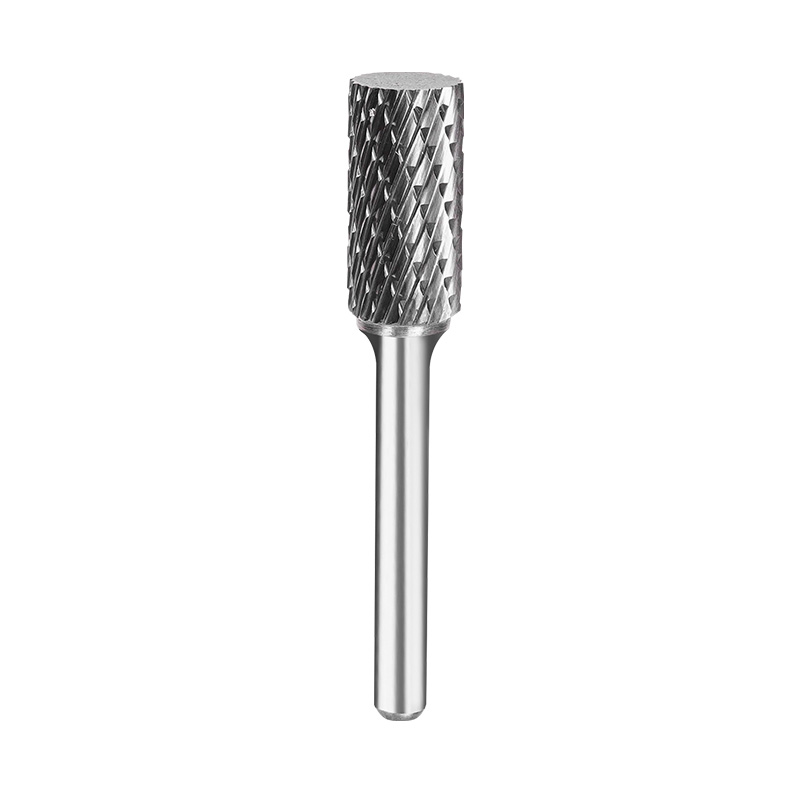
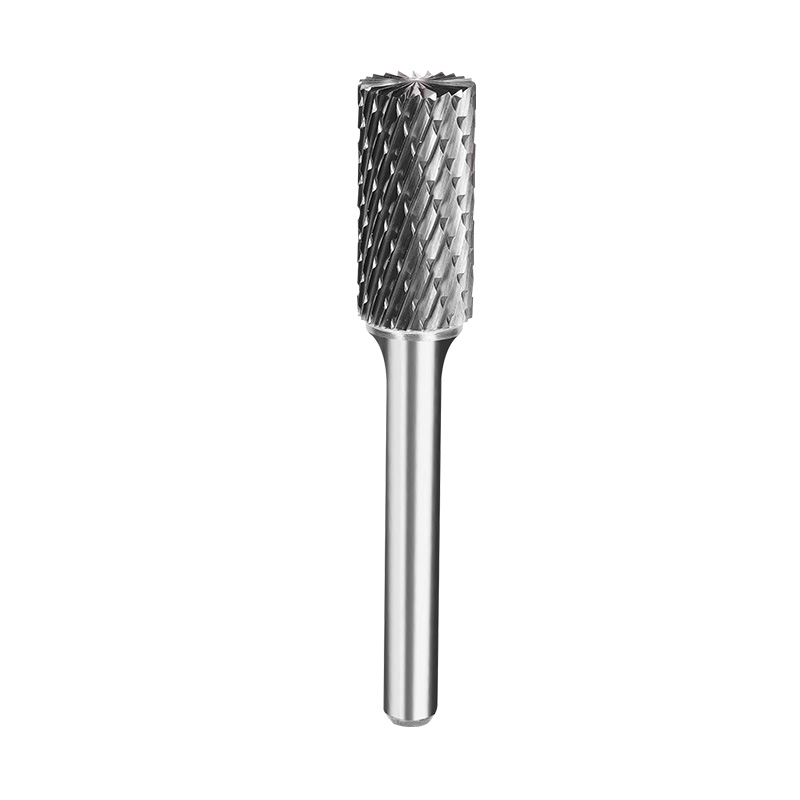
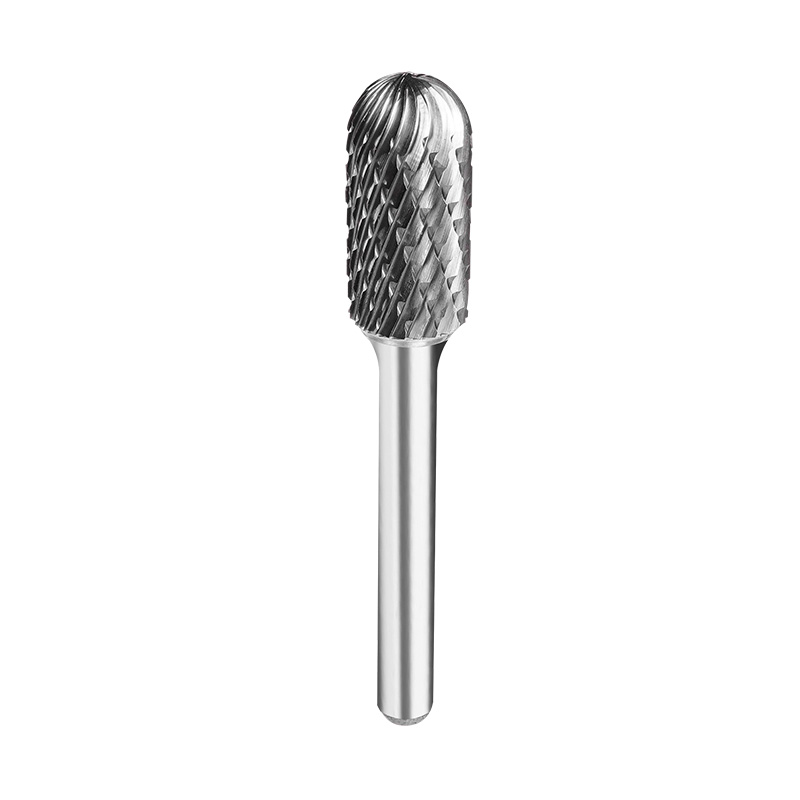
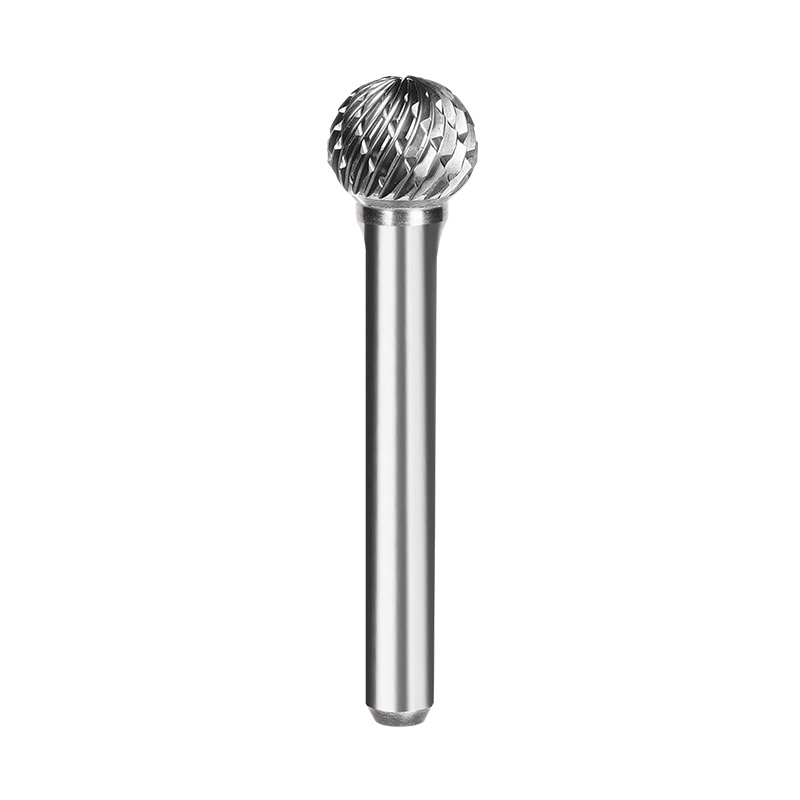
Machining aluminum with a Carbide Rotary Tool offers notable advantages such as high efficiency, low cutting resistance, and excellent surface finish potential. However, aluminum’s inherent softness and ductility make it particularly prone to adhesion, especially when friction and temperature increase at the cutting zone. Adhesion, often referred to as “built-up edge,” occurs when molten or softened aluminum bonds to the cutting edges, reducing sharpness and compromising the finish. This phenomenon results in poor dimensional accuracy, accelerated tool wear, and unstable cutting forces that can eventually damage both the tool and the workpiece. Understanding how aluminum behaves during high-speed cutting and the mechanisms that lead to adhesion is essential for establishing preventive strategies in production environments where clean, smooth, and precise finishes are required.
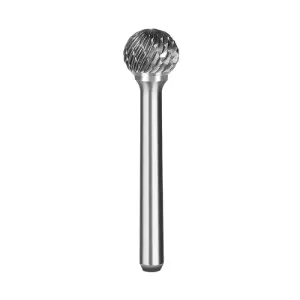
One of the effective ways to minimize adhesion is by adjusting cutting parameters to control heat generation. High spindle speeds can cause aluminum to heat up rapidly, especially if the feed rate is too low. A feed rate that is insufficient for the tool’s rotational speed causes the cutter to rub instead of slice, which accelerates adhesion. Increasing the feed rate within a safe range improves chip thickness, enhances material removal, and reduces rubbing. Similarly, avoiding excessively shallow cuts helps maintain stable chip flow. Operators must maintain a balance where the tool engages the material effectively without generating unnecessary friction. The cutting speed should remain high enough to take advantage of aluminum’s machinability but not so extreme that the heat overwhelms the tool’s ability to evacuate softened chips.
Proper chip evacuation directly influences the tendency for adhesion. Aluminum forms long, continuous, and often sticky chips that can cling to the tool’s flutes if the geometry is not optimized. Using a tool with polished flutes helps reduce chip drag and prevents chips from welding onto the flute walls. Tools featuring large flute gullets provide more space for chip flow, lowering the likelihood of chips recontacting the cutting zone. Additionally, a specialized flute design with aggressive rake angles enables sharper slicing action, reducing energy and heat generation per cut. Adequate chip evacuation not only reduces the risk of adhesion but also stabilizes the machining process by avoiding sudden torque spikes or unexpected chip packing.
Applying cutting fluids is one of the reliable methods to prevent aluminum from bonding to the cutting edges. A mist or flood cooling system introduces lubrication that reduces friction, stabilizes surface temperature, and prevents micro-welding of aluminum onto the tool. Even small amounts of lubricant significantly limit the formation of built-up edges. When using manual grinders or portable rotary tools, spray lubricants or wax-based compounds are commonly applied to reduce sticking. In automated setups, mist coolant systems are preferred because they allow efficient lubrication without excessive coolant usage. Lubricants containing additives designed for non-ferrous metals can further improve performance by forming a thin protective layer between the tool surface and the aluminum.
Cooperate with us now
contact Us
Characteristic Industrial Park, Furong Town, Yueqing City, Zhejiang Province, China.
+86-13757799073
+86-13587713956

Wholesale Carbide Rotary Burs Factory