 English
 Español
 Inquiry
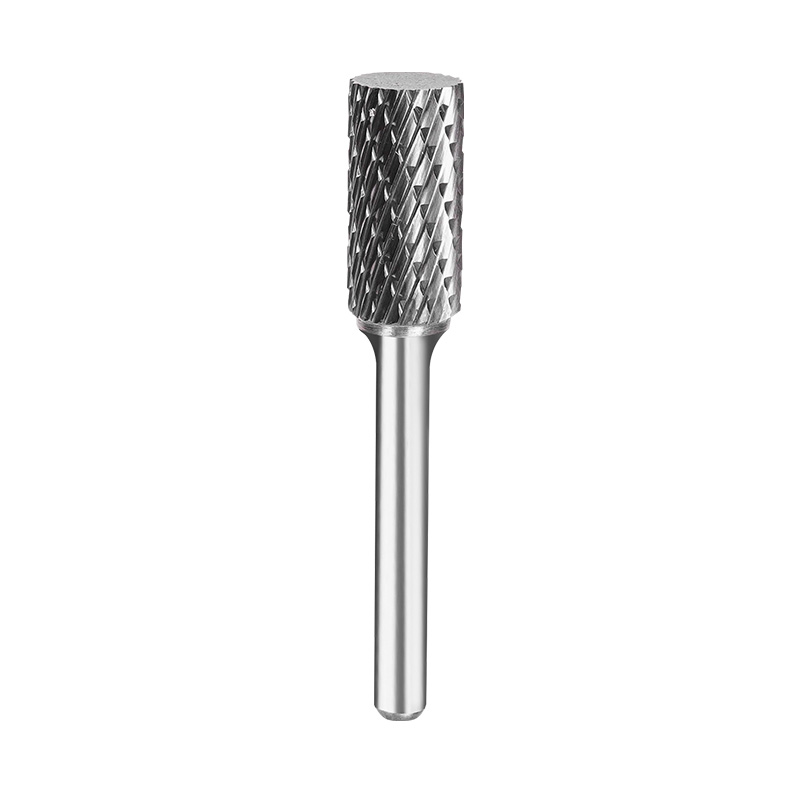
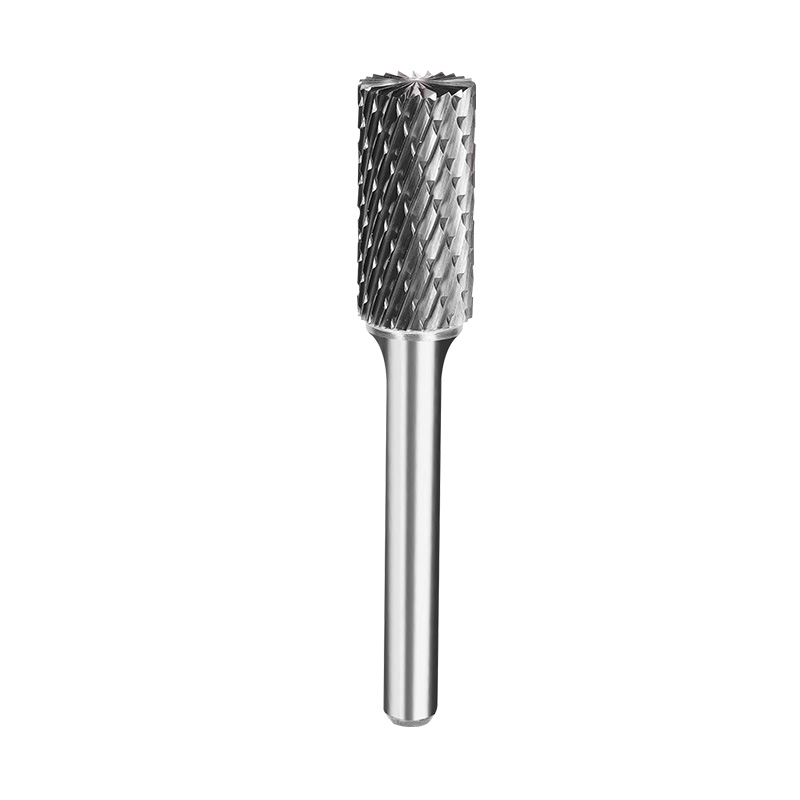
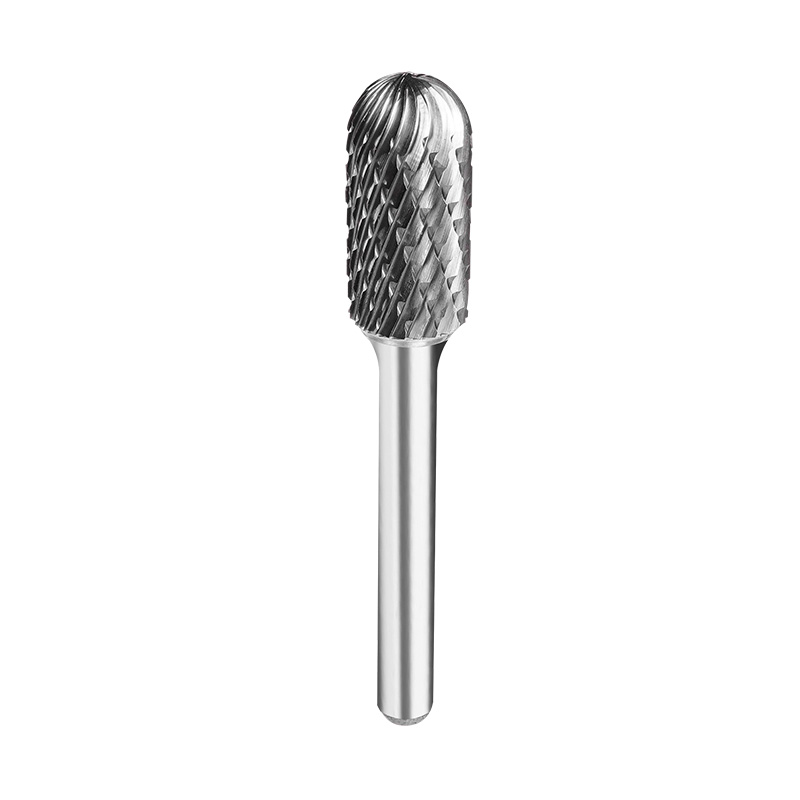
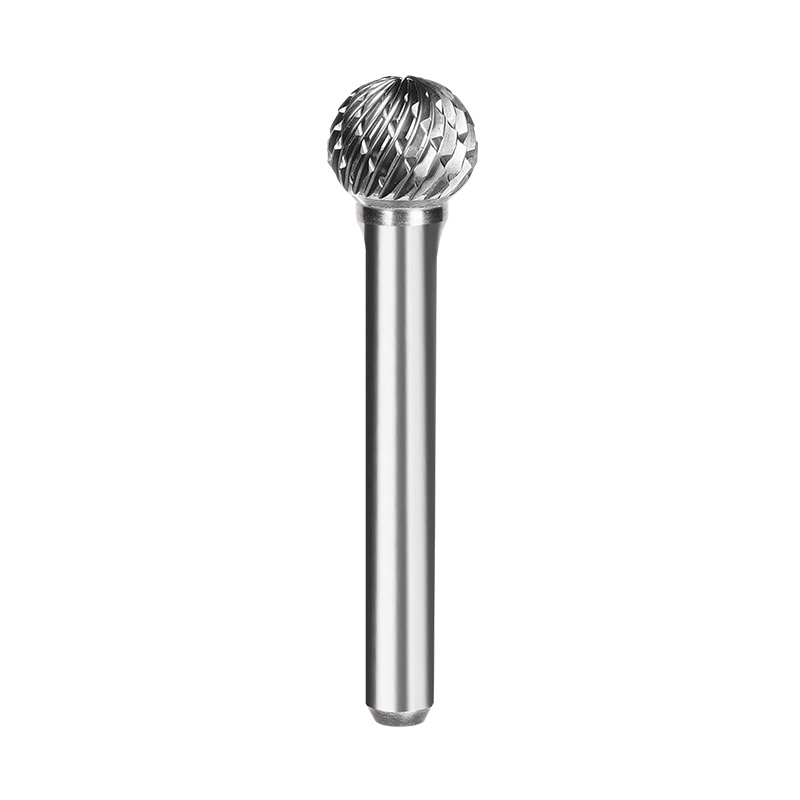
Machining stainless steel is a demanding process due to the material’s inherent toughness, work-hardening tendency, and lower thermal conductivity. When using an Industrial Rotary Tool, many operators observe improvements in cutting efficiency, durability, and temperature resistance compared with traditional high-speed steel options. Because stainless steel does not dissipate heat quickly, cutting edges experience intense thermal and mechanical stress, creating challenges for conventional tools. The use of rotary tools engineered with enhanced hardness and heat tolerance helps maintain sharper edges over longer periods. Although high-speed steel has good flexibility and can tolerate moderate temperatures, its performance begins to decline rapidly when exposed to the prolonged high loads typical in stainless steel processing.
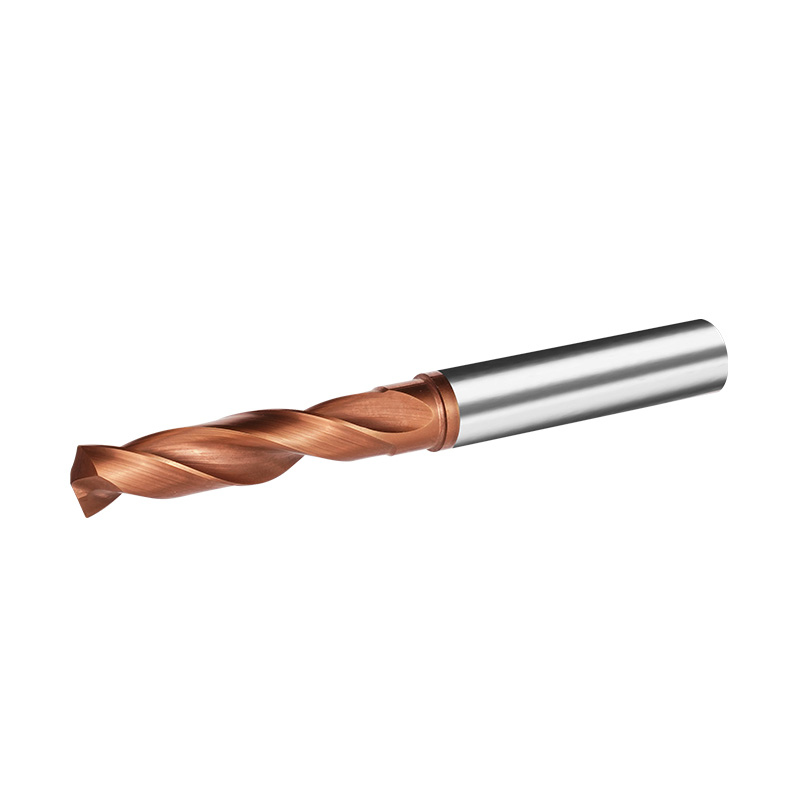
A primary advantage of advanced rotary tools lies in their hardness and ability to retain sharp cutting edges under extreme loads. High-speed steel softens relatively quickly when cutting temperatures rise, which causes edges to dull faster. As the cutting edge becomes blunt, friction increases, and stainless steel’s work-hardening effect intensifies, further accelerating tool wear. In contrast, rotary tools made from materials such as carbide or enhanced composite structures maintain significantly higher hardness even at elevated temperatures. This stability allows the cutting edge to stay sharp, improving cutting efficiency and reducing the likelihood of surface tearing or deformation. For operations requiring continuous high-speed engagement, this prolonged sharpness directly translates to better productivity and fewer tool replacements.
Heat buildup is one of the difficult challenges when machining stainless steel. The material tends to trap heat at the cutting zone, causing thermal expansion, edge breakdown, and inconsistent chip formation. High-speed steel tools struggle under these conditions because their thermal resistance is limited. As temperatures increase, they begin to lose hardness, creating unpredictable cutting behavior. Rotary tools designed for industrial applications typically offer far better heat resistance, maintaining structural integrity even when exposed to intense cutting temperatures. This advantage contributes to more stable operation, smoother chip evacuation, and reduced risk of built-up edge formation. Thermal stability also allows higher cutting speeds, enabling operators to achieve greater throughput without sacrificing tool performance or surface quality.
Stainless steel’s work-hardening characteristic means that if a tool hesitates, rubs, or dulls, the material surface becomes harder to cut. High-speed steel tools often exhibit increased rubbing as they wear, which raises cutting forces and worsens material hardening. Industrial-grade rotary tools, however, generate cleaner and more aggressive cuts due to their good edge strength and optimized geometries. This reduces the amount of heat generated through friction and reduces the work-hardening effect. By cutting the material cleanly instead of plowing through it, the machining process becomes more predictable and energy efficient. The resulting surface finish is also smoother, which reduces the need for secondary grinding or polishing processes.
While high-speed steel tools are initially more affordable, they require frequent replacement when used on stainless steel, particularly in industrial settings that demand long, uninterrupted machining cycles. The cost of downtime, labor for tool changes, and the risk of inconsistent machining outweigh the lower upfront price. Industrial-grade rotary tools last significantly longer under the same conditions, offering a more favorable cost-to-performance ratio over time. Their ability to withstand thermal shock, abrasive wear, and cutting pressures reduces the total number of tools consumed. This extended lifespan is especially beneficial in automated production lines where tool stability directly influences cycle time and product consistency. When the total cost of ownership is considered, rotary tools generally deliver greater economic value.
Cooperate with us now
contact Us
Characteristic Industrial Park, Furong Town, Yueqing City, Zhejiang Province, China.
+86-13757799073
+86-13587713956

Wholesale Carbide Rotary Burs Factory