 English
 Español
 Inquiry
When machining various metals or engineering materials with a Precision Rotary Tool, the choice between wet cutting and dry cutting significantly influences tool performance, surface finish, thermal stability, and overall efficiency. Both cutting modes have distinct advantages and limitations, and machinists select between them based on the workpiece material, production objectives, and desired tool longevity. Wet cutting involves applying coolant or lubricant directly to the cutting area, while dry cutting relies on tool geometry, material hardness, and airflow to dissipate heat. Because cutting generates substantial friction, the presence or absence of coolant can change the behavior of the cutting edge and the properties of the chips produced. Understanding the differences between these two strategies allows operators to optimize tool performance and avoid premature wear or machining defects.
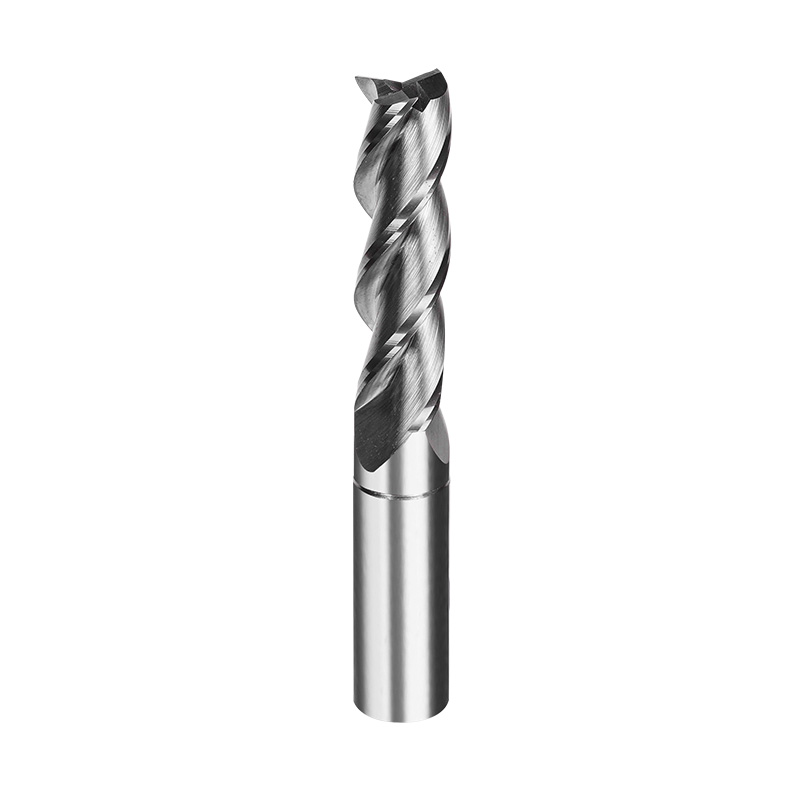
One of the primary distinctions between wet and dry cutting lies in how heat is controlled at the cutting interface. During dry cutting, friction accumulates rapidly, causing temperatures to rise within the tool and workpiece. High temperatures can soften tool edges, alter material microstructures, and cause dimensional inaccuracies. This issue is particularly relevant during high-speed machining, where chip evacuation alone may be insufficient to cool the cutting zone. Wet cutting, on the other hand, provides immediate thermal relief by continuously flushing coolant through the interface. The coolant absorbs heat before it transfers to the tool body, reducing the risk of thermal expansion, edge softening, or built-up material adhesion. Consistent cooling also allows for more aggressive cutting parameters, as the temperature remains stable even during prolonged engagement.
Tool wear patterns differ significantly between wet and dry cutting environments. Under dry cutting conditions, abrasive wear, oxidation, and thermal cracking are more likely to develop due to prolonged exposure to high temperatures. The absence of lubrication increases friction, accelerating edge degradation and potentially causing chipping or microfractures. Wet cutting offers a protective barrier between the cutting edges and the workpiece material. The lubricant reduces rubbing forces and reduces adhesion, allowing the cutting edges to stay sharp for longer periods. Additionally, coolant reduces chip welding and buildup, keeping the cutting geometry consistent and preventing uneven stress distribution along the tool’s surface. As a result, cutting tools used in wet environments generally maintain their geometry and functional stability for a longer duration, translating into better production efficiency.
Surface finish is another area where the differences between wet and dry cutting become evident. Dry cutting often results in rougher finishes because chips tend to recontact the cutting surface, and material adhesion is more common. Heat-induced material softening or micro-tearing can leave visible marks on the workpiece, especially when machining soft metals like aluminum or stainless steel. Wet cutting reduces friction significantly, allowing the cutting edges to glide through the material more smoothly. The coolant acts as a flushing agent that removes chips quickly, preventing re-cutting or surface scratching. Furthermore, thermal stability helps maintain dimensional accuracy, preventing the workpiece from warping due to overheating. For tight-tolerance applications or those requiring a polished finish, wet cutting generally delivers good results.
Chips behave differently under wet and dry cutting modes. In dry cutting, chips can remain hot, break inconsistently, or cling to the tool surface, creating unstable cutting forces. This instability may introduce vibration, increase torque load, or cause intermittent cutting behavior. Wet cutting addresses these issues by cooling chips instantly, making them easier to evacuate. The coolant provides a smoother cutting flow, maintaining stable force levels throughout the operation. As a result, operators can maintain higher feed rates or deeper cuts without risking chatter or sudden tool binding. For materials that tend to form long, continuous chips, wet cutting ensures safer and more predictable chip management.
Cooperate with us now
contact Us
Characteristic Industrial Park, Furong Town, Yueqing City, Zhejiang Province, China.
+86-13757799073
+86-13587713956

Wholesale Carbide Rotary Burs Factory