 English
 Español
 Inquiry
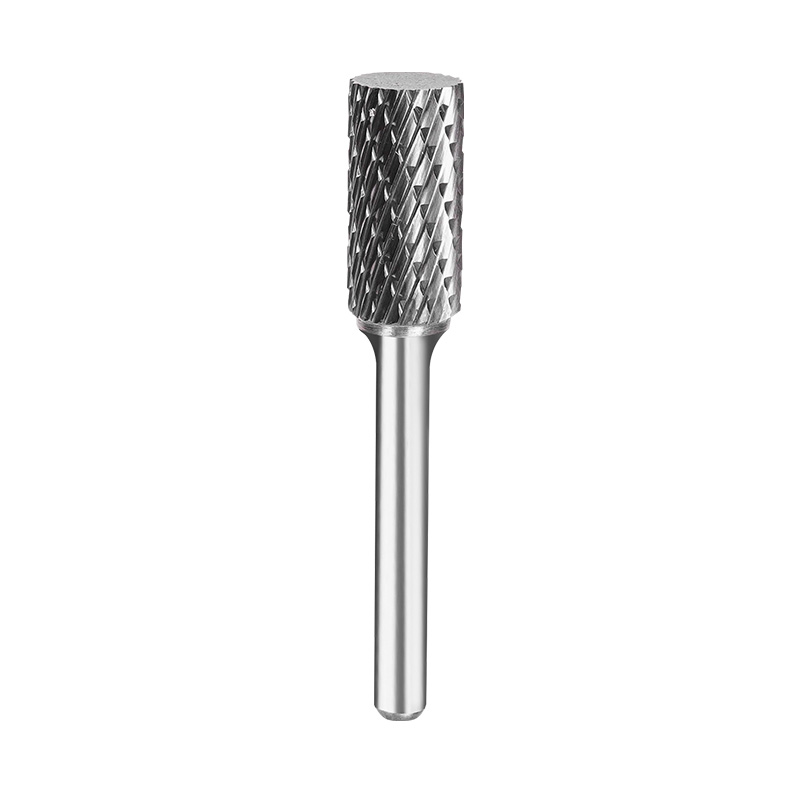
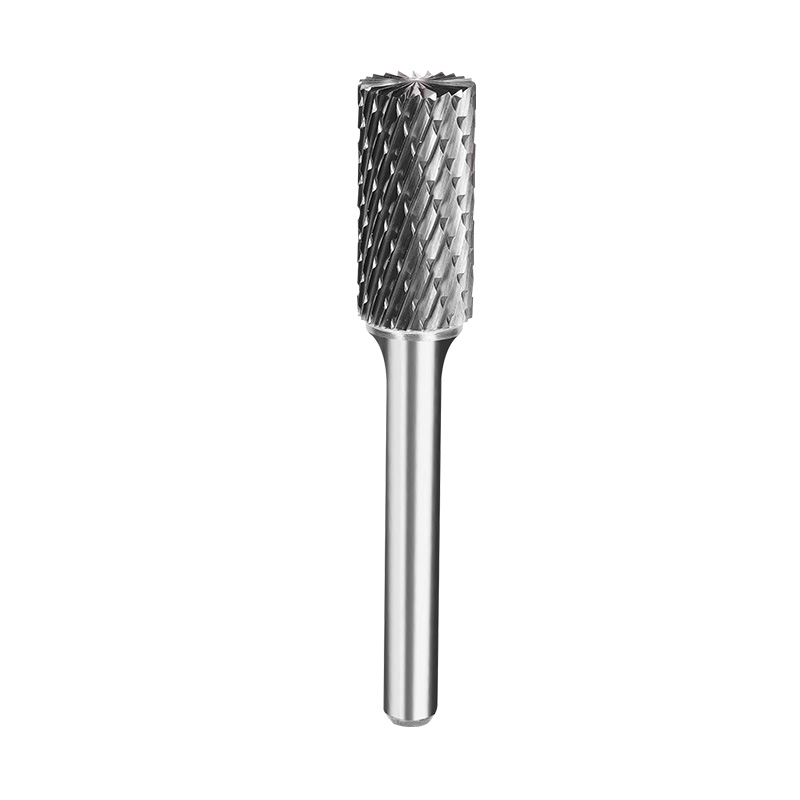
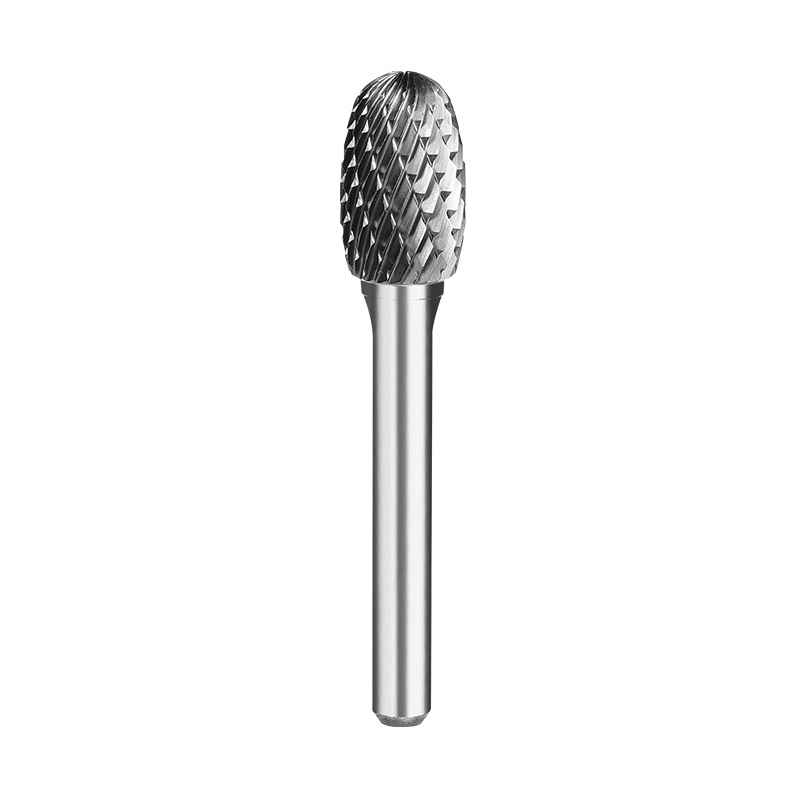
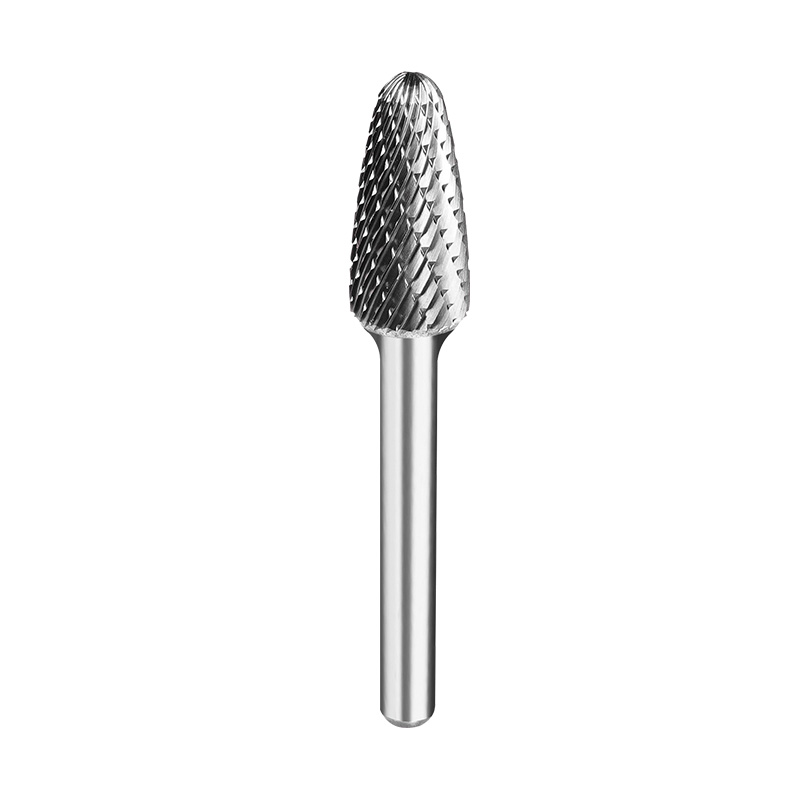
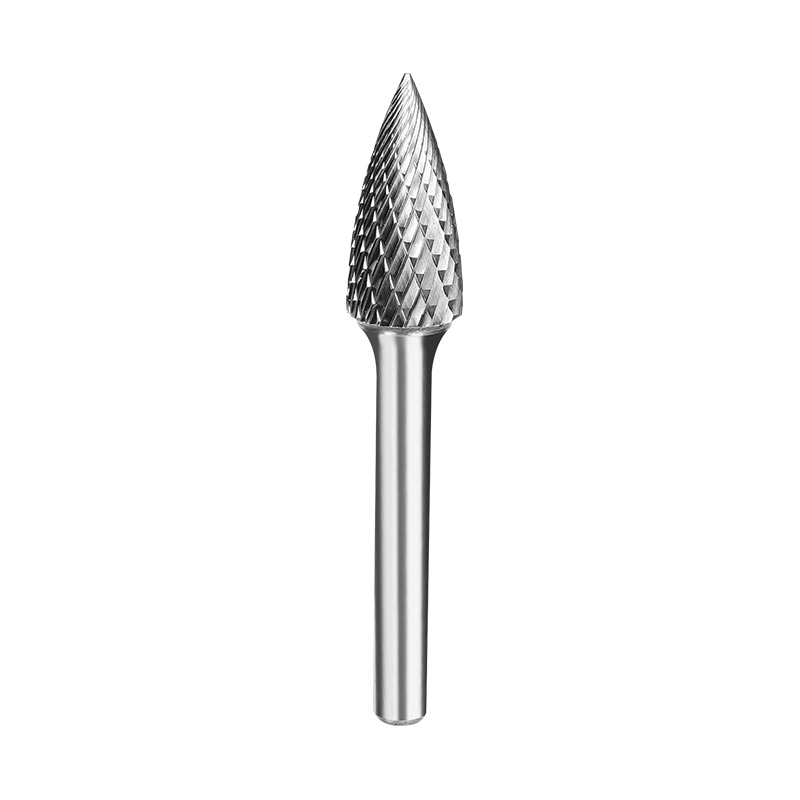
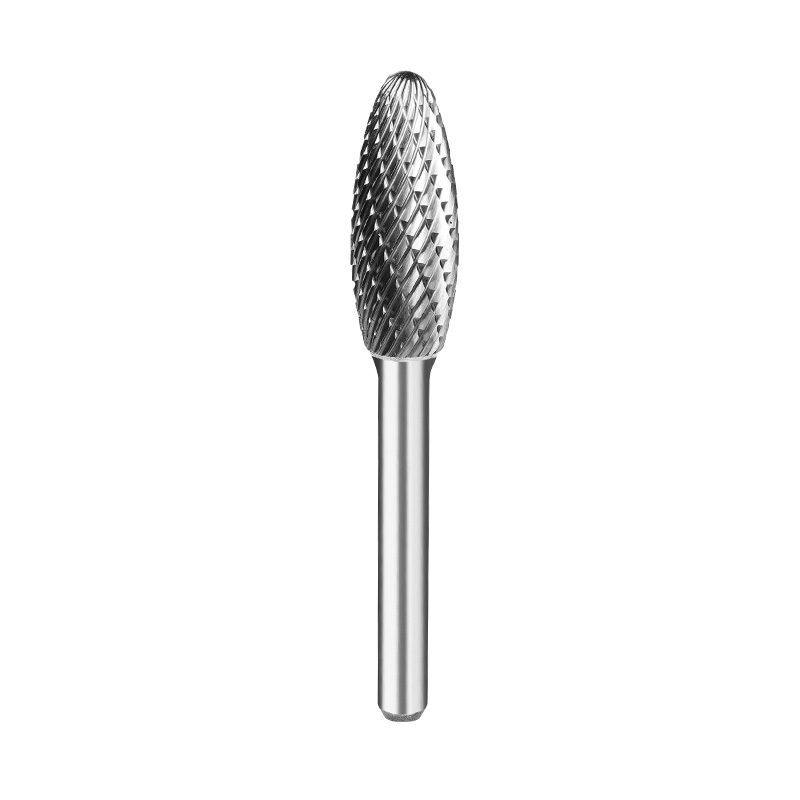
When Solid Carbide Burs operate at high rotational speeds, they generate frictional heat at the interface between the cutting edges and the workpiece. This heat, if not properly controlled, can cause the surface to discolor, soften, or, in some cases, become structurally compromised. In the early stages of cutting, the contact area is relatively small, and the localized temperature can rise very quickly. As the material removal process continues, the bur encounters varying chip loads, which further influence the accumulation of heat. These challenges are particularly prominent when working with metals that are sensitive to temperature fluctuations, such as stainless steel, titanium, or certain hardened alloys. Understanding the mechanisms that cause heat buildup is the foundation for selecting the appropriate operating parameters and tool geometry to protect both the tool and the workpiece.
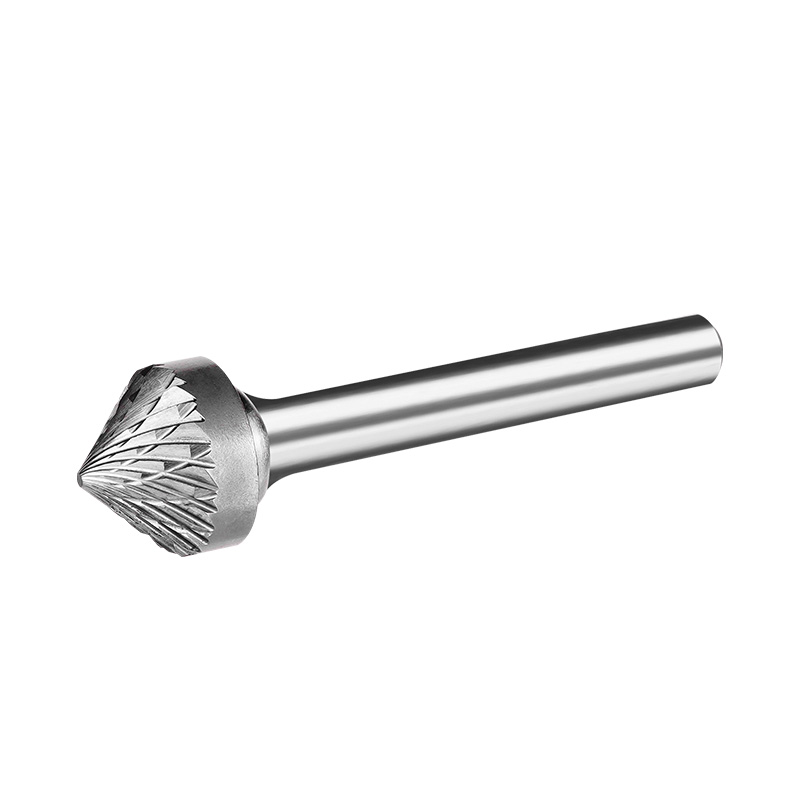
The selection of speed, feed rate, and depth of engagement determines how effectively heat is managed during high-speed machining with Solid Carbide Burs. Although these tools are designed to withstand high RPMs, running them at speed with an insufficient feed rate can cause rubbing instead of cutting, resulting in a dramatic increase in surface temperature. Conversely, a more aggressive feed encourages the bur to shear material efficiently, reducing the likelihood of friction-induced heat. The operator must also balance spindle speed with the physical limitations of the material being cut to avoid exceeding its thermal tolerance. Adjusting these parameters dynamically, based on sound feedback and chip color, helps keep temperatures within an acceptable range.
Efficient chip evacuation is directly related to temperature control because trapped chips retain heat and transfer it back into the cutting zone. Burs designed with deep flutes, optimized helix angles, or specialized tooth patterns can lift chips away from the workpiece more rapidly. This reduces the time chips remain in contact with cutting surfaces, preventing re-cutting and reducing thermal buildup. Flute geometry also influences airflow around the cutting edges; smoother airflow promotes natural cooling, especially at high speeds. Careful selection of flute configuration suited to the material type—coarse flutes for ferrous metals, fine flutes for softer materials—ensures consistent temperature moderation throughout the operation.
Using coolant or lubrication is one of the reliable strategies for preventing excessive heat when working with Solid Carbide Burs. Mist lubrication systems offer targeted cooling while maintaining spindle speed, making them well-suited for high-precision applications. Flood coolant provides the high cooling capacity, continuously washing away heat from the cutting zone and preventing chip accumulation. For materials prone to thermal discoloration, coolant application must be continuous rather than intermittent to avoid rapid temperature cycling. Additionally, choosing a coolant with suitable viscosity and thermal conductivity ensures that both tool and workpiece maintain stable temperatures during extended operations.
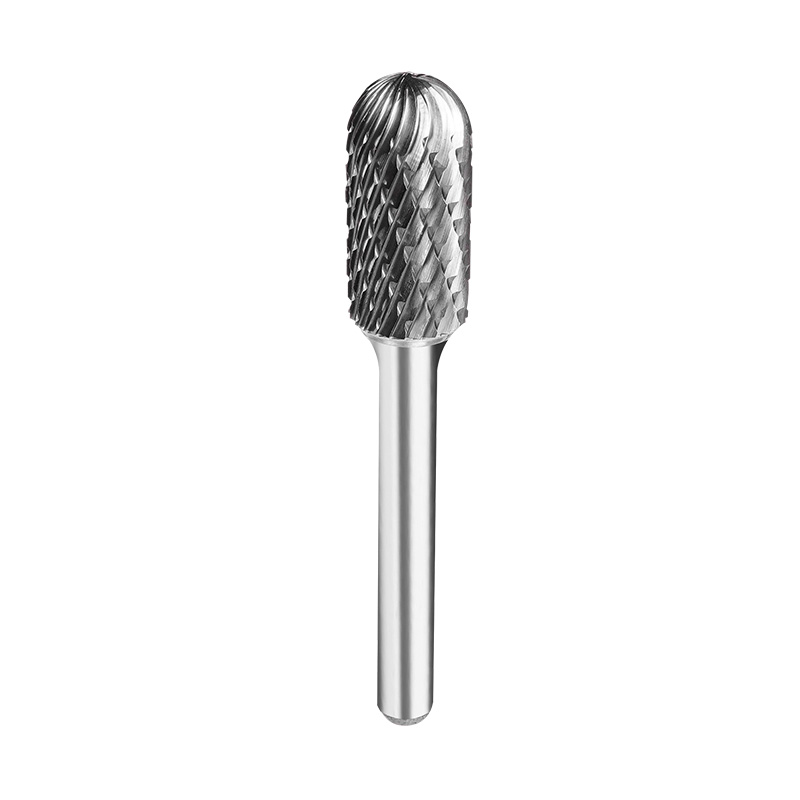
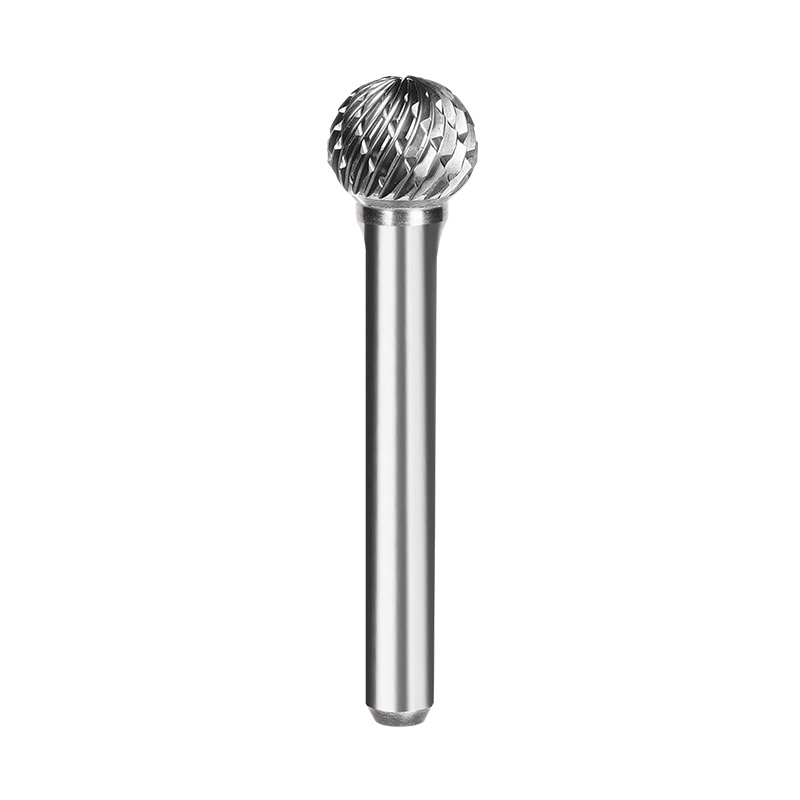
Choosing the right bur shape and coating is essential for preventing overheating. Tools with specialized coatings such as TiAlN or diamond-like carbon provide thermal barriers that reduce friction and distribute heat more evenly. Maintaining sharp cutting edges is equally important because dull tools require greater force, causing increased heat generation. Regular inspection for micro-chipping, edge rounding, or buildup helps ensure that the tool cuts cleanly rather than grinds inefficiently. Additionally, matching the bur size to the horsepower and torque output of the rotary tool prevents excessive strain, which can cause unnecessary heat production. Combining proper tool selection with routine maintenance helps preserve workpiece integrity, final appearance, and dimensional accuracy during high-speed machining.
Cooperate with us now
contact Us
Characteristic Industrial Park, Furong Town, Yueqing City, Zhejiang Province, China.
+86-13757799073
+86-13587713956

Wholesale Carbide Rotary Burs Factory