 English
 Español
 Inquiry
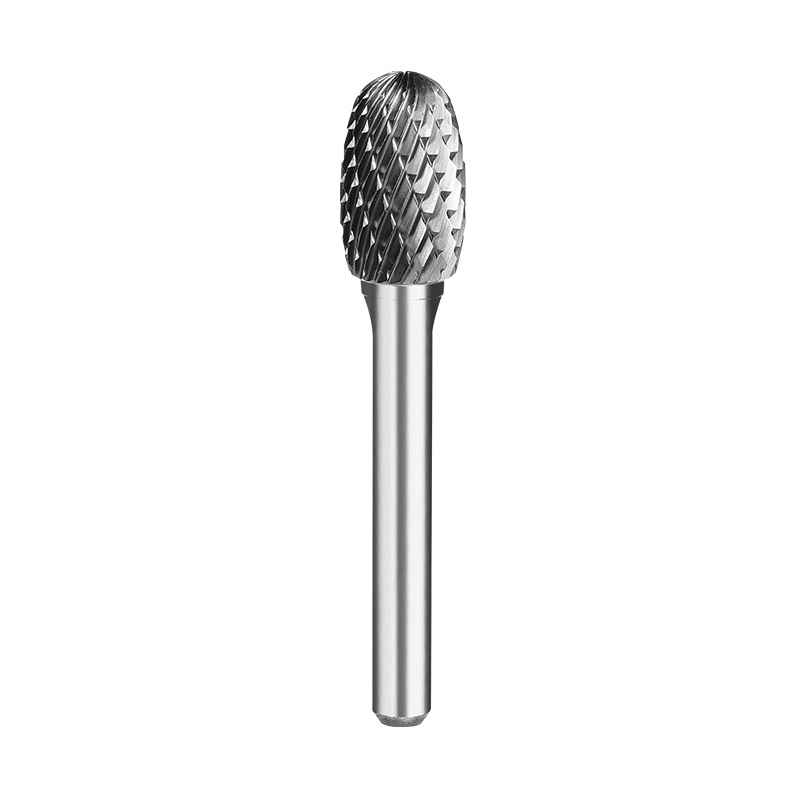
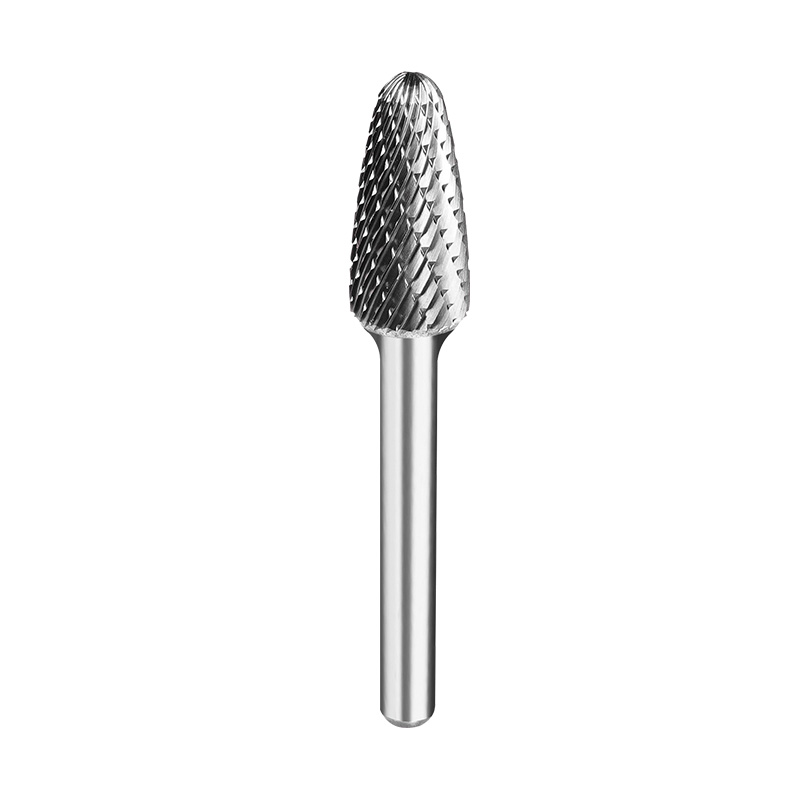
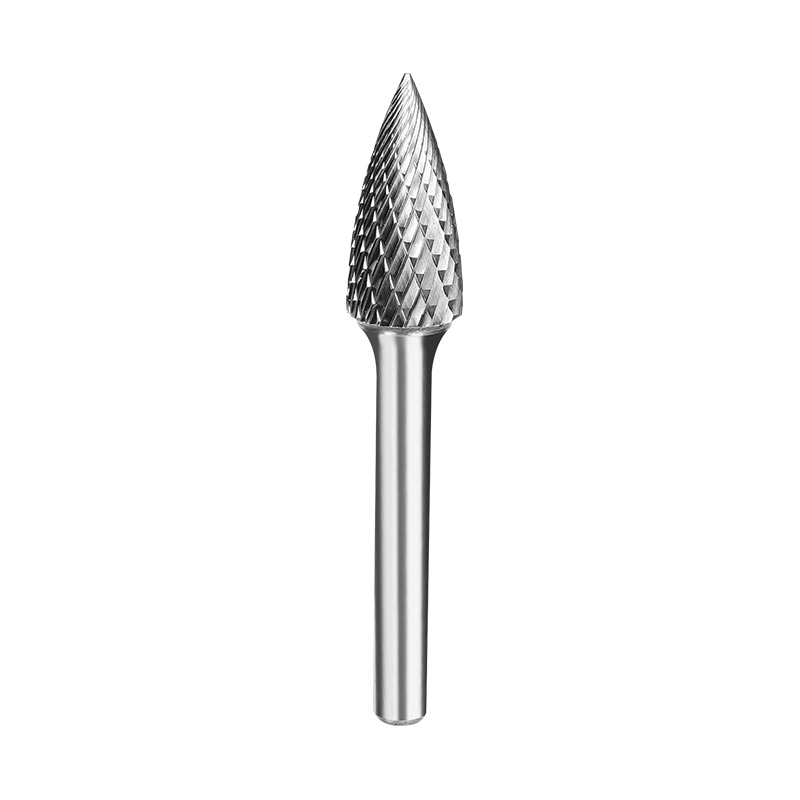
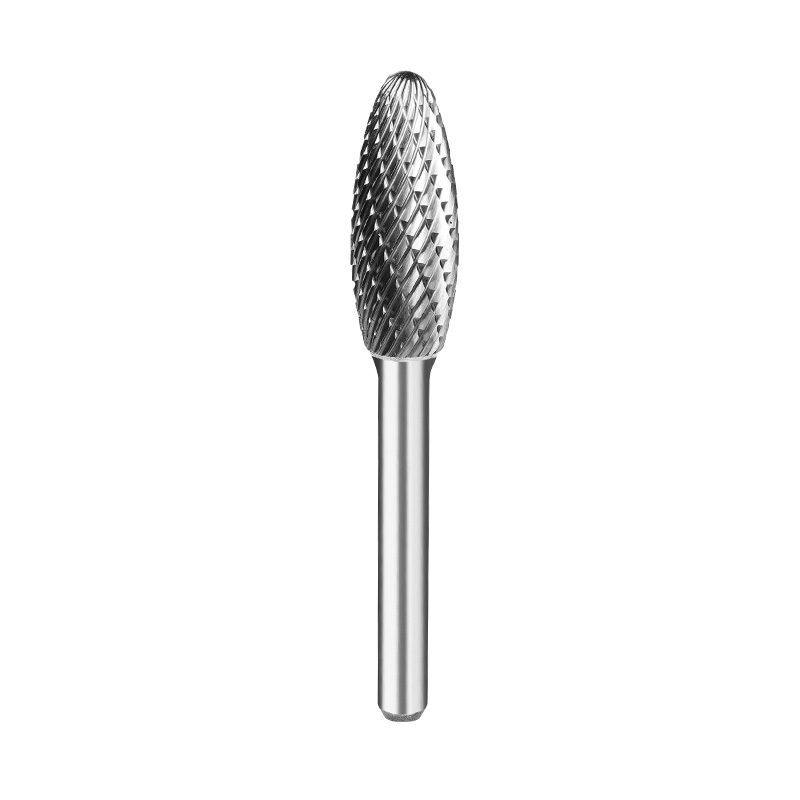
Carbide Rotary Burs rely heavily on tooth geometry to determine how effectively they remove material and how smooth the resulting surface will be. The shape, spacing, and orientation of the cutting teeth influence chip formation, cutting force, vibration levels, and heat generation. As a result, the geometry chosen for specific applications can greatly enhance or hinder tool performance. Understanding this relationship is crucial for optimizing both productivity and surface integrity across a wide range of materials and machining conditions.
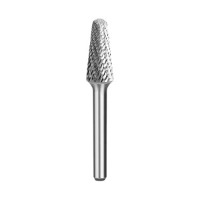
Single-cut tooth geometry is characterized by straight flutes running in a single direction. This design produces long, continuous chips and allows for aggressive material removal. Because of their sharp cutting edges and direct flute paths, single-cut burs are particularly effective for cutting harder metals where deep penetration and steady chip evacuation are important. However, while they offer high cutting efficiency, they typically leave a rougher surface finish. The long chips can cause micro-tearing along the material surface, resulting in visible tool marks. Therefore, single-cut burs are commonly used for rapid stock removal rather than finishing operations.
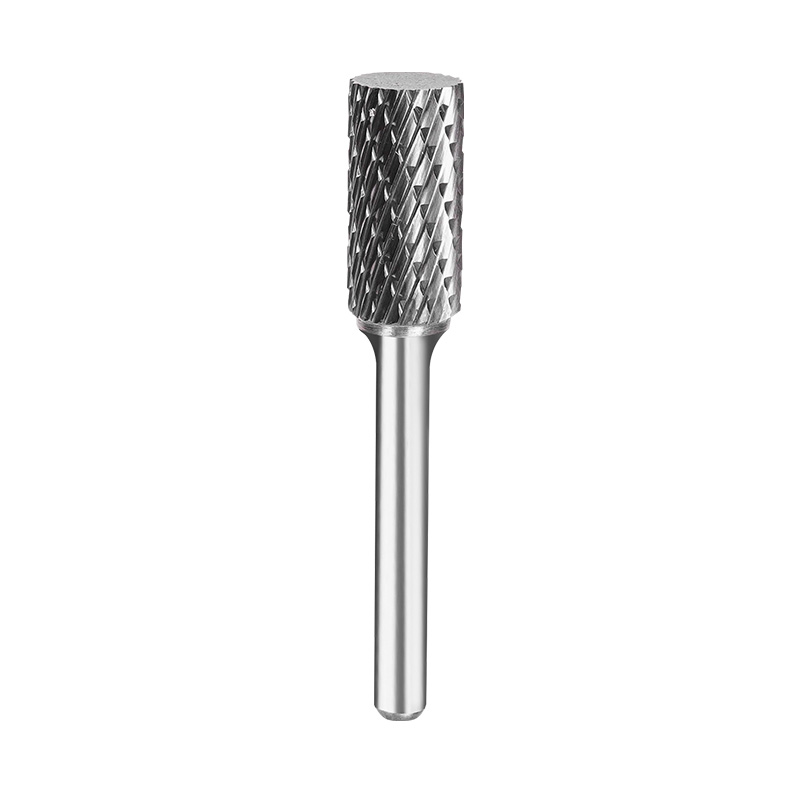
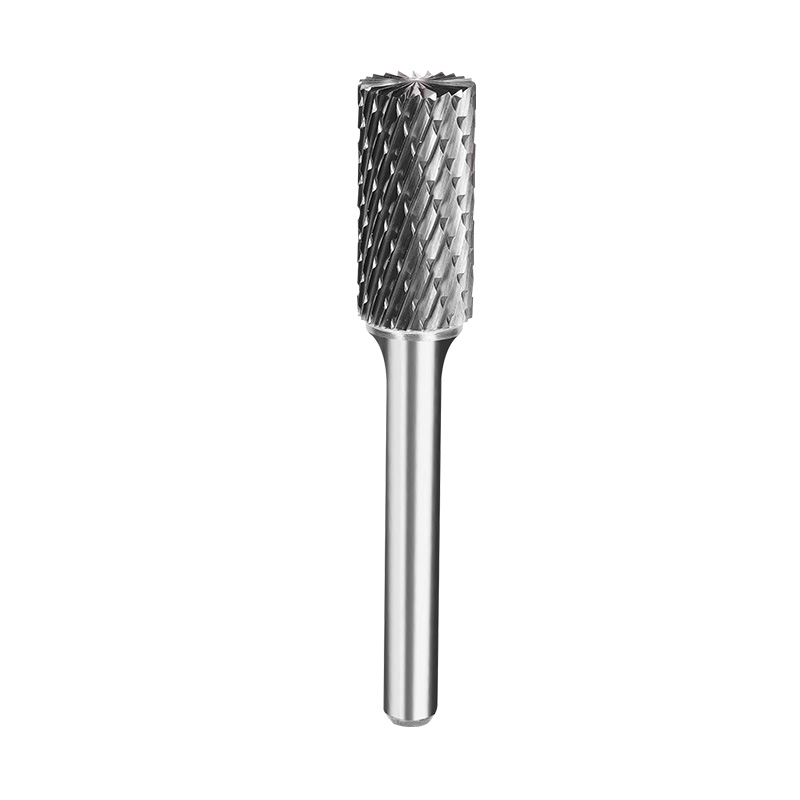
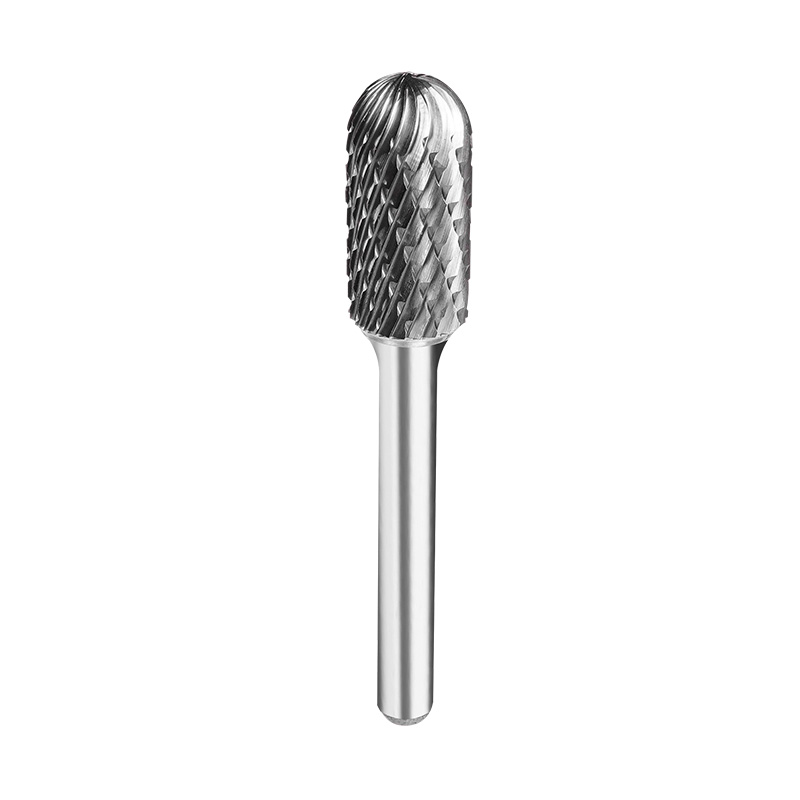
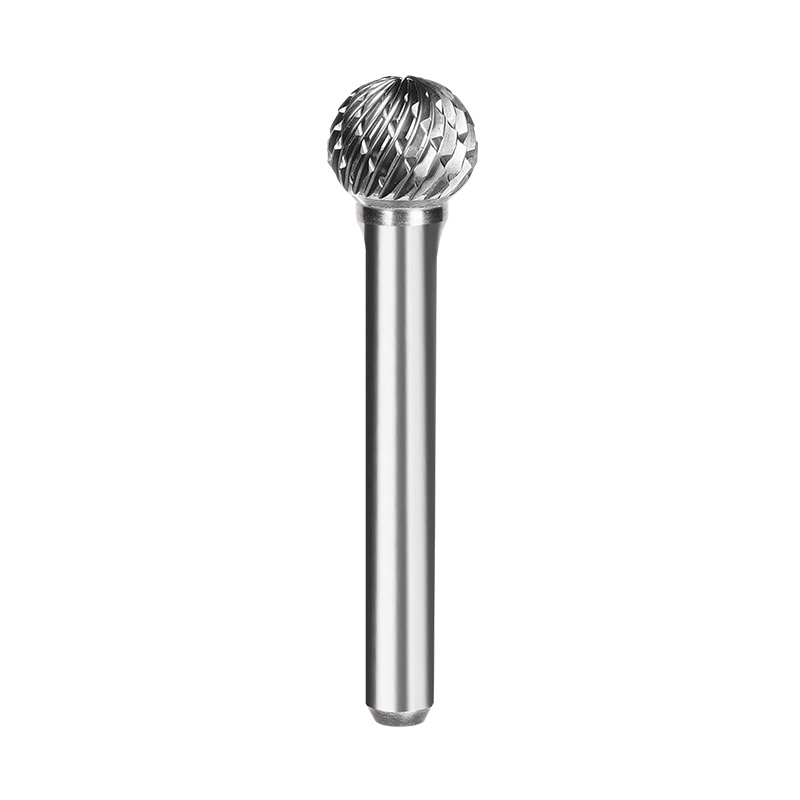
Double-cut tooth designs incorporate intersecting flutes that create smaller cutting edges. This geometry breaks chips into shorter segments, reducing tool load and lowering vibration. With smaller chips being expelled smoothly, heat buildup is minimized, contributing to longer tool life and improved edge stability. Double-cut burs provide a balance between material removal rate and surface refinement. The fragmented chip formation produces a smoother finish compared with single-cut designs, making double-cut teeth ideal for deburring, shaping, and medium-precision work on materials such as steel, stainless steel, and non-ferrous metals.
Fine-cut tooth geometry features closely spaced, shallow flutes that remove material in extremely small increments. This results in good control over the tool’s behavior, enabling very smooth surface finishes and low vibration. These burs are commonly used for finishing tasks where dimensional accuracy and refined texture are essential, such as mold polishing or detailing work on softer metals. The drawback is that fine-cut patterns offer slower cutting speeds and lower efficiency when dealing with harder materials or thicker sections. Their performance is good when precision outweighs speed.
Tooth geometry directly affects chip thickness and chip flow, both of which influence heat generation. Aggressive cuts with large teeth produce thick chips that carry heat away efficiently but may cause tool chatter if the bur encounters inconsistent material hardness. Fine teeth produce thin chips that offer less heat dissipation, making coolant or controlled speed adjustments more important. Effective tooth design, therefore, must balance chip volume with heat management to avoid thermal damage to either the tool or the workpiece. Managing heat also plays a crucial role in achieving desirable surface roughness, as excessive thermal stress can distort the surface and degrade finish quality.
The stability of the cutting process is closely tied to tooth spacing and flute direction. Wider spacing increases the risk of vibration, especially in handheld applications. Meanwhile, intersecting or staggered tooth patterns create more continuous cutting engagement, reducing oscillation and enabling smoother tool control. Reduced vibration directly translates to better surface finish because it prevents irregular tool marks and ensures uniform material removal. Moreover, stable cutting action decreases operator fatigue and enhances overall machining efficiency.
Tooth geometry plays a fundamental role in determining the cutting efficiency and surface roughness produced by rotary burs. Whether using single-cut teeth for rapid stock removal, double-cut teeth for balanced performance, or fine-cut patterns for precision finishing, the choice of tooth design must align with the material characteristics and the desired machining outcome. By understanding how each geometry influences chip formation, heat management, vibration, and stability, operators can achieve optimal results while maintaining both high productivity and good surface quality.
Cooperate with us now
contact Us
Characteristic Industrial Park, Furong Town, Yueqing City, Zhejiang Province, China.
+86-13757799073
+86-13587713956

Wholesale Carbide Rotary Burs Factory