 English
 Español
 Inquiry
Carbide endmills are essential cutting tools in precision machining, widely used in industries such as aerospace, automotive, mold-making, and medical device manufacturing. Their high hardness, wear resistance, and ability to maintain sharp cutting edges at high speeds make them ideal for intricate and exacting operations. Precision machining imposes unique demands on these tools, requiring careful consideration of geometry, material compatibility, and operational parameters to achieve accurate, high-quality results. Understanding these special requirements is critical for improving tool performance and extending lifespan.
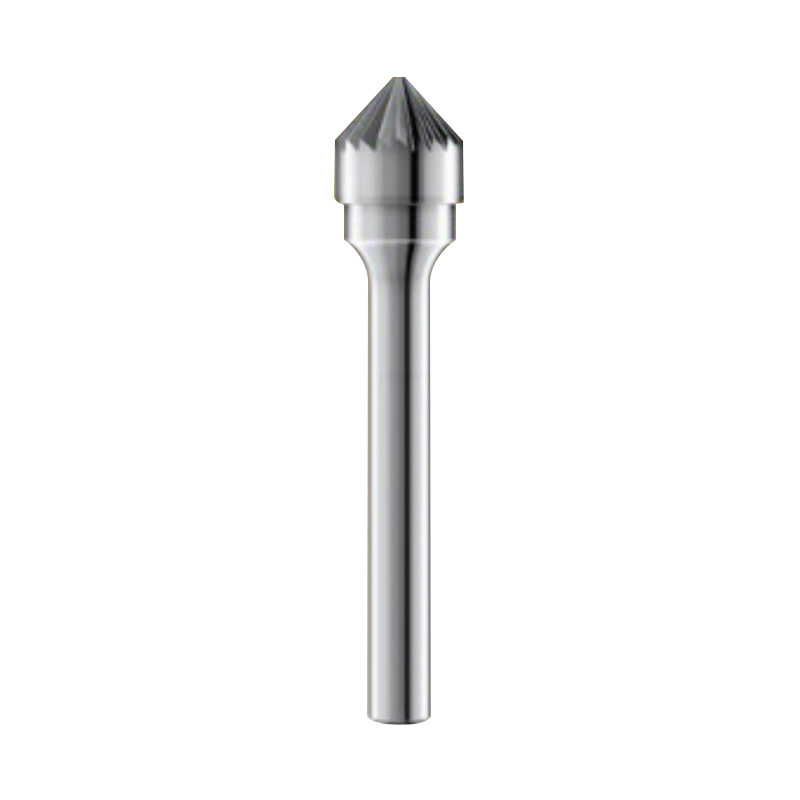
Selecting the correct carbide grade is crucial in precision applications. High-performance carbide endmills are available in various compositions, each optimized for specific material hardness, tensile strength, and thermal resistance. For machining tough alloys, titanium, or hardened steels, a fine-grain carbide with high wear resistance is preferred. Coatings, such as titanium nitride (TiN), titanium aluminum nitride (TiAlN), or diamond-like coatings, enhance surface hardness, reduce friction, and improve heat dissipation. The combination of carbide substrate and coating must be carefully matched to the workpiece material to prevent premature wear, chipping, or thermal deformation.
The geometry of a carbide endmill directly affects cutting precision, chip evacuation, and surface finish. Key geometric considerations include flute count, helix angle, and corner radius. Endmills with higher flute counts provide smoother finishes but may have limited chip clearance, making them less effective for deep cuts. Helix angles influence chip flow and cutting forces; for instance, high-helix endmills reduce vibration and improve surface quality in aluminum or non-ferrous metals. Corner radius design is another critical factor, as sharp corners may be prone to chipping, whereas slight radii can enhance tool strength and improve edge durability in tight tolerances.
Precision machining with carbide endmills requires careful control of cutting parameters, including spindle speed, feed rate, depth of cut, and coolant application. Excessive speeds or feed rates can generate heat, causing thermal expansion and dimensional inaccuracies. Too aggressive a depth of cut may overload the tool, leading to deflection or breakage. Machine rigidity and spindle precision are also vital; even minor vibrations or runout can compromise the final surface finish and dimensional tolerance. Matching tool selection with machine capability ensures that the endmill operates within its optimal performance window.
In high-precision applications, the primary goal is often achieving tight tolerances and good surface finish. Carbide endmills must maintain concentricity and runout to prevent uneven cutting and waviness on the machined surface. Tool wear monitoring is critical, as even minor wear can introduce errors in part dimensions. The use of high-quality holders, proper clamping, and consistent tool inspection routines helps maintain consistent results. For certain applications, finishing passes with reduced depth and slower feed rates may be required to achieve the desired surface quality.
Proper handling and storage of carbide endmills are essential to preserve performance. Avoiding tool drops, contamination, or exposure to moisture reduces the risk of micro-cracks or corrosion. Periodic sharpening or replacement schedules help maintain cutting efficiency. In precision machining, even a small reduction in tool sharpness can significantly impact part quality, so proactive lifecycle management ensures both reliability and cost-effectiveness.
Carbide endmills play a pivotal role in precision machining, but achieving suitable results requires attention to several special considerations. Material selection, coating, tool geometry, cutting parameters, machine compatibility, and tool maintenance all influence performance, surface finish, and dimensional accuracy. By carefully addressing these factors, manufacturers can improve the efficiency, reliability, and lifespan of Carbide Endmills, ensuring consistent, high-quality outcomes in demanding applications.
Cooperate with us now
contact Us
Characteristic Industrial Park, Furong Town, Yueqing City, Zhejiang Province, China.
+86-13757799073
+86-13587713956

Wholesale Carbide Rotary Burs Factory