 English
 Español
 Inquiry
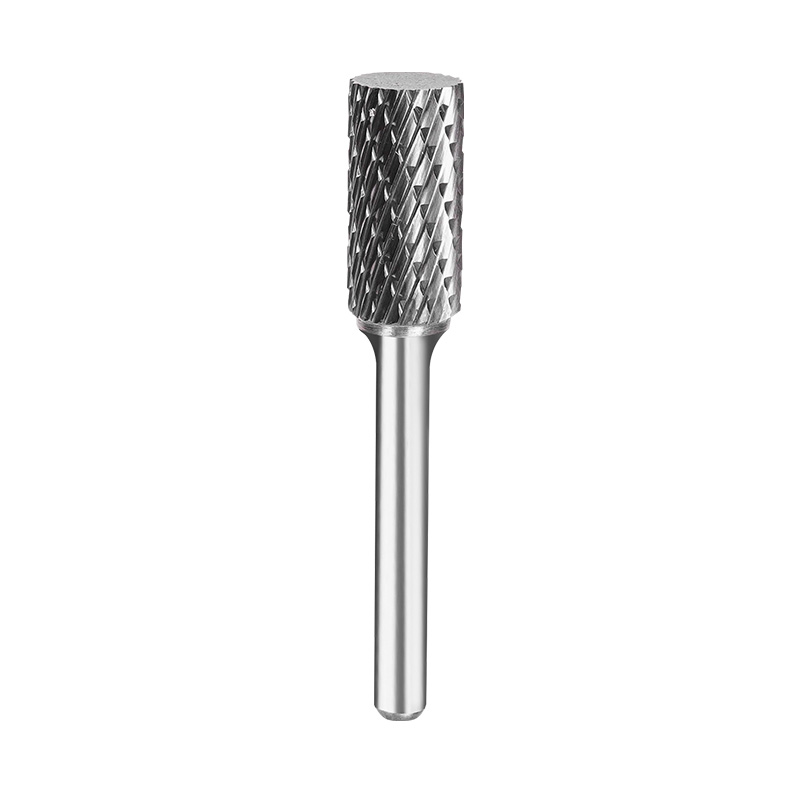
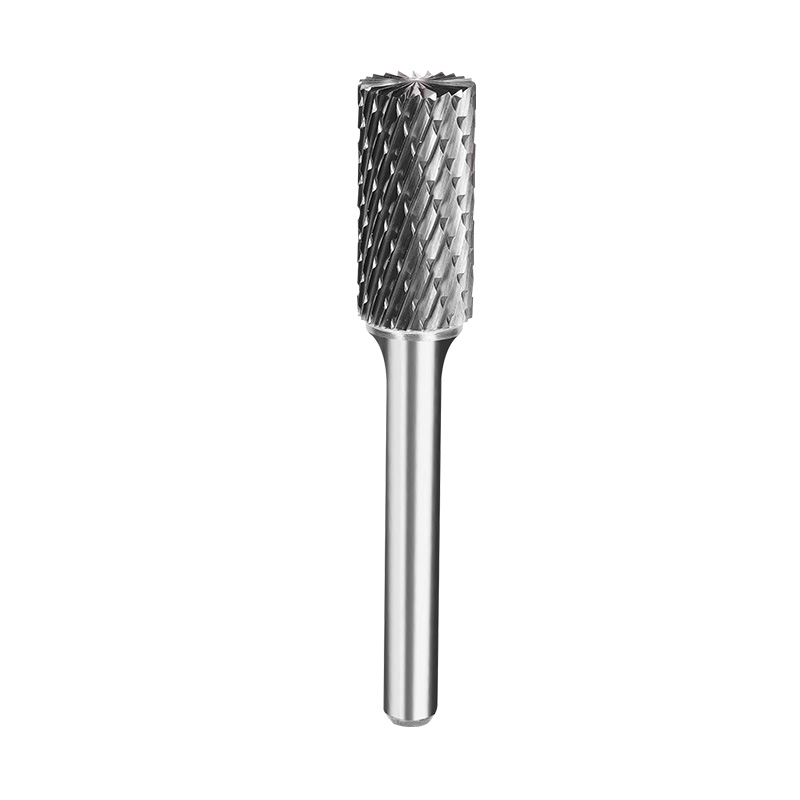
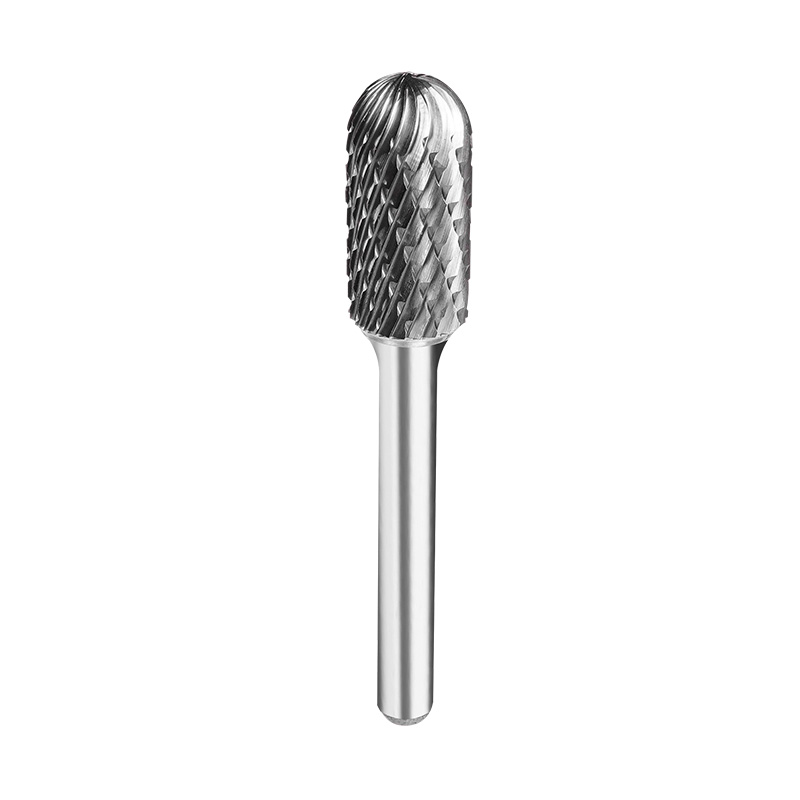
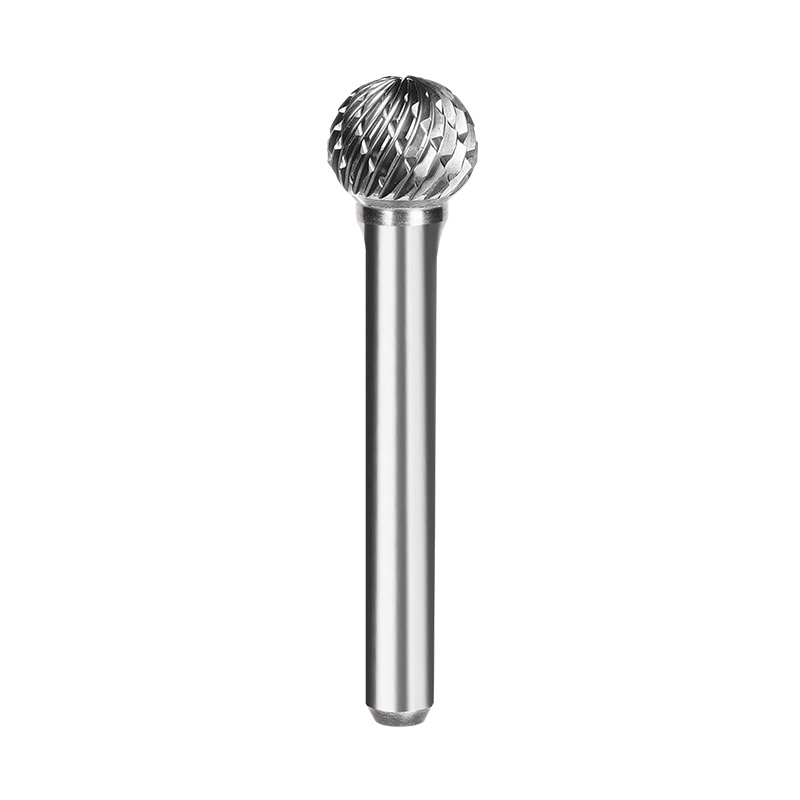
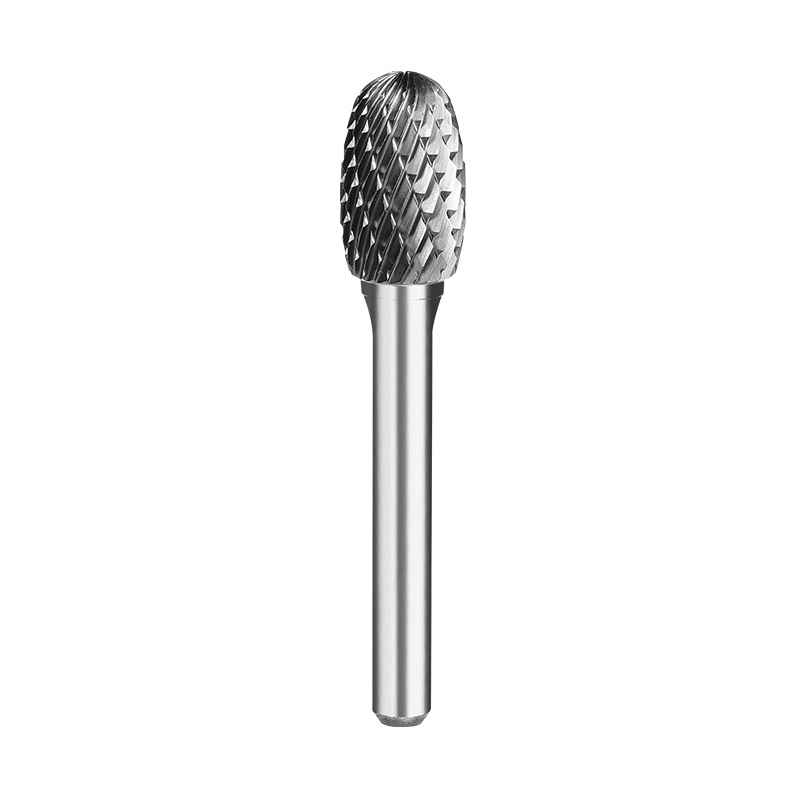
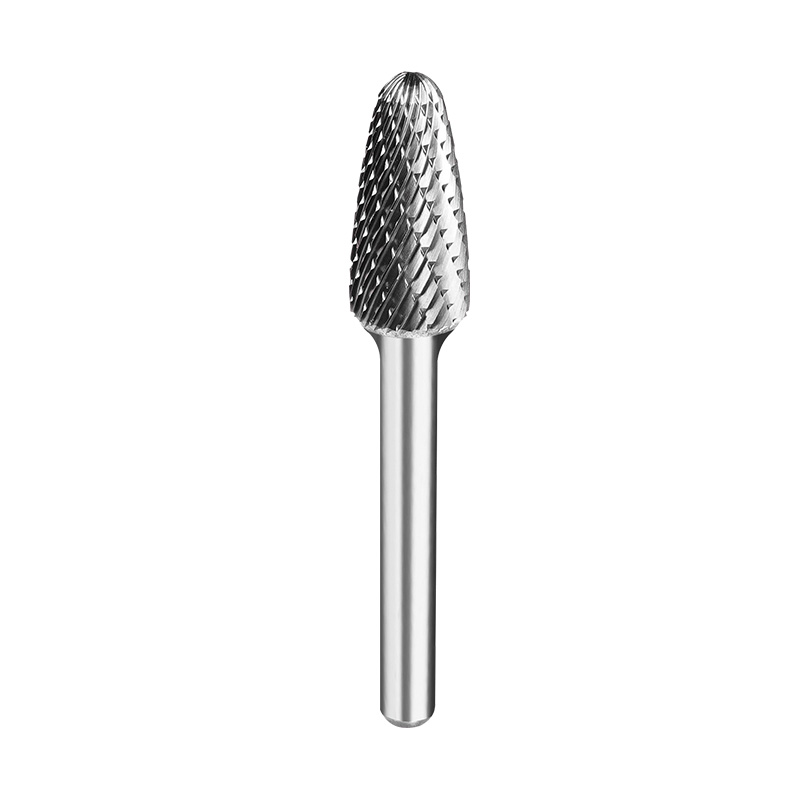
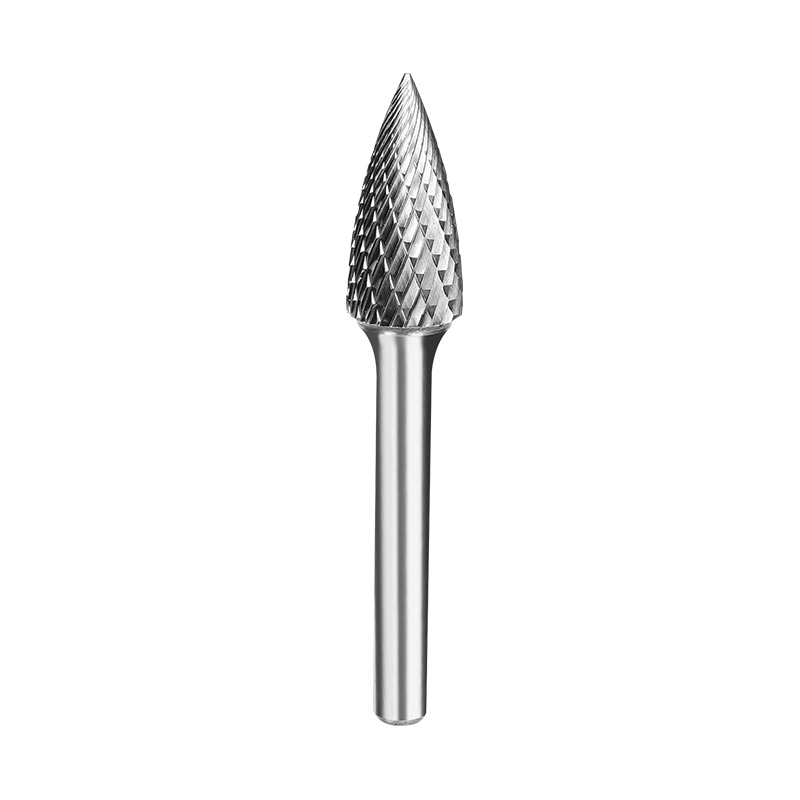
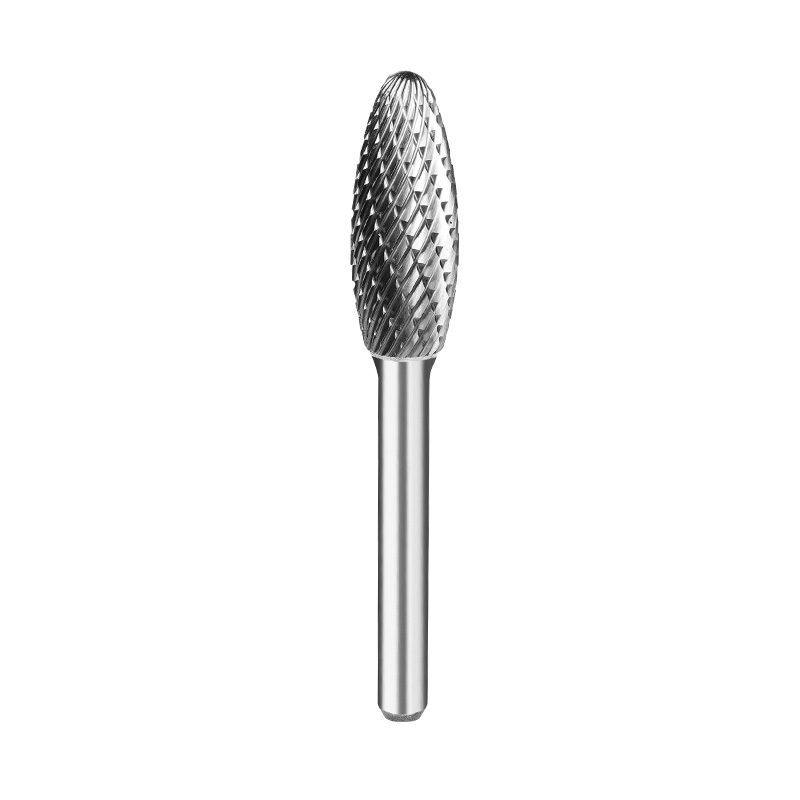
Precision rotary tools are versatile, handheld or machine-mounted instruments used for cutting, grinding, polishing, engraving, and drilling in a wide range of materials. They are widely employed in metalworking, woodworking, jewelry, dental labs, and hobbyist applications. The key feature of these tools is their ability to deliver highly controlled, detailed work in confined spaces, making them ideal for intricate or delicate operations. Compared to other cutting or shaping tools, a Precision Rotary Tool offers unique advantages and some limitations, which should be understood to improve its effectiveness.
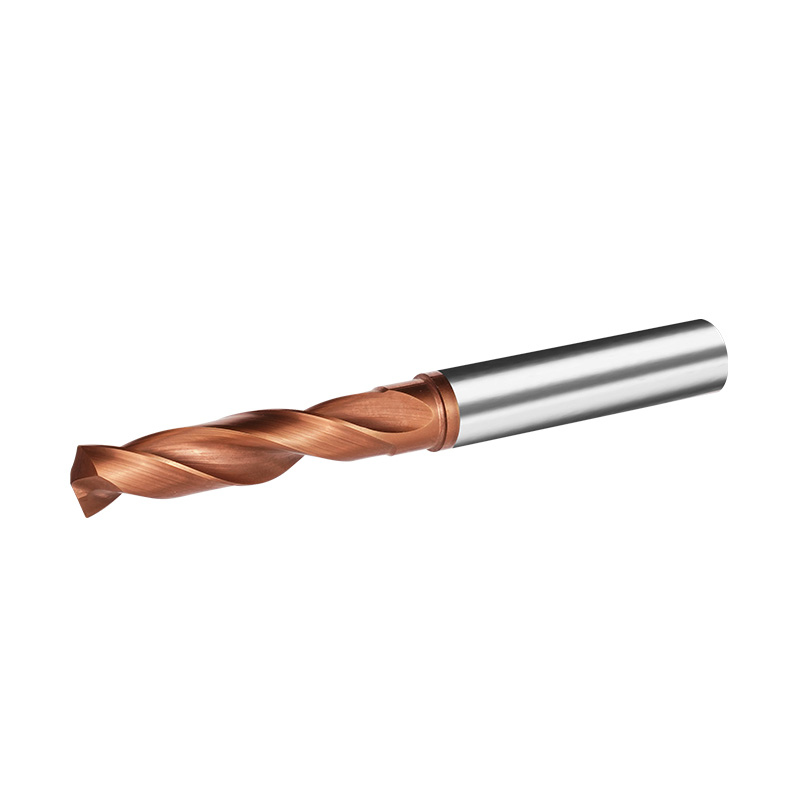
Advantages: Versatility and Adaptability
One of the primary advantages of precision rotary tools is their versatility. With a wide selection of attachments and bits, they can perform multiple tasks, including cutting metal, engraving wood, shaping plastics, and polishing surfaces. This multi-functionality allows users to reduce the number of separate tools needed in a workshop or lab. Precision rotary tools also excel in small, detailed work where larger machinery cannot access, such as in intricate mold adjustments, jewelry detail carving, or dental appliance finishing. Their compact size and variable speed settings give operators exceptional control over cutting depth, rotation speed, and material engagement, allowing for highly precise results.
Advantages: Speed and Efficiency
Precision rotary tools can operate at very high speeds, often reaching tens of thousands of revolutions per minute. This high rotational velocity allows for fast material removal and quick task completion, particularly for fine or detailed work. When compared with manual hand tools, precision rotary tools drastically reduce labor time while maintaining accuracy. Additionally, their ease of switching bits and attachments enables users to transition quickly between tasks, improving workflow efficiency. For industries where small-scale precision tasks are frequent, this speed-to-accuracy ratio makes rotary tools particularly valuable.
Advantages: Accessibility and Portability
Unlike larger stationary machinery, precision rotary tools are highly portable. They can be used in tight spaces, awkward angles, or remote locations where traditional tools would be impractical. Corded or battery-operated versions expand their accessibility further, allowing work to continue without reliance on heavy equipment. This portability is especially advantageous for fieldwork, small workshops, or repair tasks where mobility is critical.
Disadvantages: Limited Power for Heavy-Duty Tasks
Despite their versatility, precision rotary tools have limitations. They are generally designed for light- to medium-duty applications and are not suitable for large-scale material removal or heavy-duty machining. When tasked with cutting thick metal plates or large wood sections, the tool can overheat, wear out quickly, or fail to provide adequate torque. In such cases, stationary machines like CNC routers, drill presses, or bench grinders outperform rotary tools in both speed and consistency.
Disadvantages: Potential for Reduced Precision with Improper Use
Precision rotary tools require careful handling to achieve accurate results. Operator skill directly affects the quality of the workpiece, as excessive pressure, incorrect speed, or inappropriate bit selection can cause gouging, uneven surfaces, or tool breakage. Unlike fully automated machinery that maintains consistent tolerances, manual rotary tools depend heavily on human control, which may introduce variability.
Disadvantages: Tool Wear and Consumable Costs
Frequent use of precision rotary tools can cause rapid wear of bits and attachments, especially when cutting hard materials. Replacing worn or broken bits adds recurring costs and requires proper inventory management. Additionally, using low-quality bits can compromise both precision and tool life, emphasizing the importance of investing in high-quality accessories from reputable suppliers.
Precision rotary tools provide unparalleled versatility, accessibility, and speed for intricate tasks, making them ideal for detailed metalwork, woodworking, and hobbyist projects. However, they are not designed for heavy-duty machining and require skilled operation to maintain precision. Compared to stationary or automated tools, their portability and adaptability are unmatched, but careful management of consumables and technique is necessary. Understanding both the strengths and limitations of a Precision Rotary Tool allows users to improve efficiency and achieve high-quality results in a wide range of applications.
Cooperate with us now
contact Us
Characteristic Industrial Park, Furong Town, Yueqing City, Zhejiang Province, China.
+86-13757799073
+86-13587713956

Wholesale Carbide Rotary Burs Factory