 English
 Español
 Inquiry
Carbide Rotary Burs are versatile tools widely used in metalworking, woodworking, dental, and jewelry applications. One of the key features that makes them adaptable is the variety of shapes available. Each shape serves a specific purpose, allowing operators to perform precision cutting, grinding, deburring, and engraving tasks efficiently. Understanding how different shapes affect functionality is essential for selecting the right tool for each application and optimizing cutting performance.
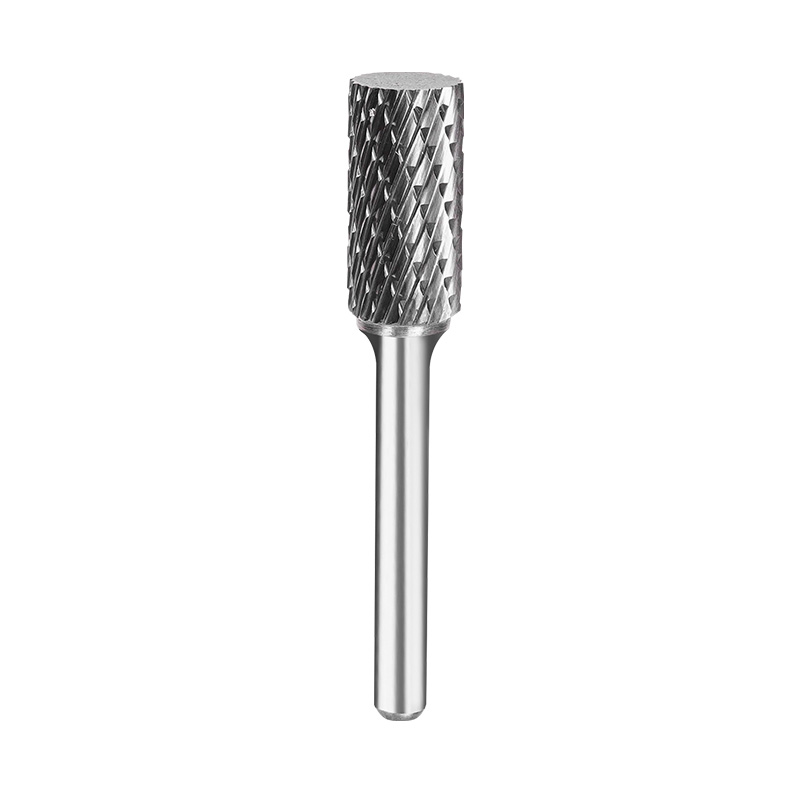
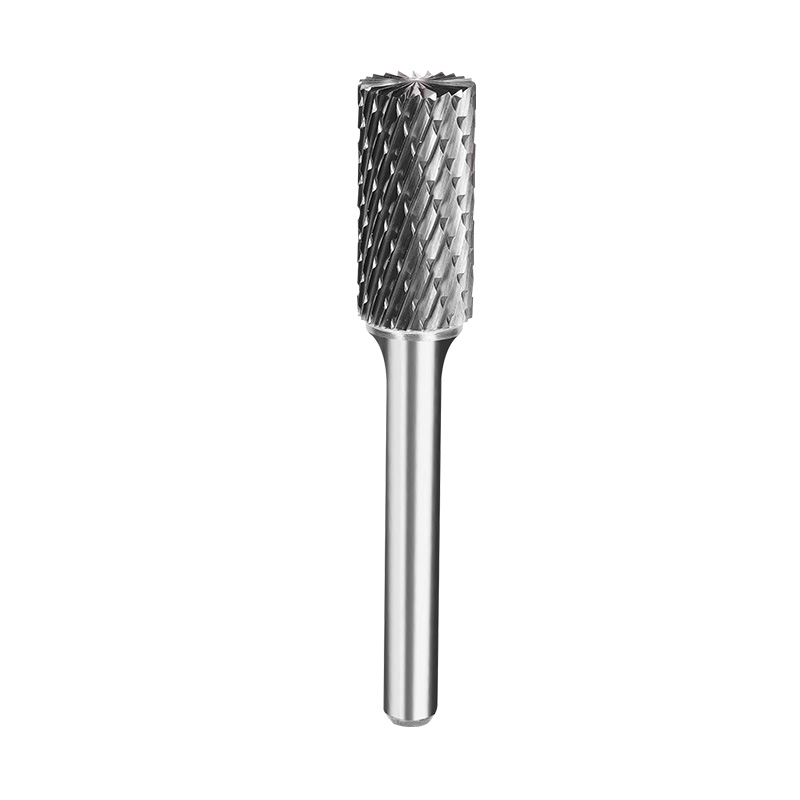
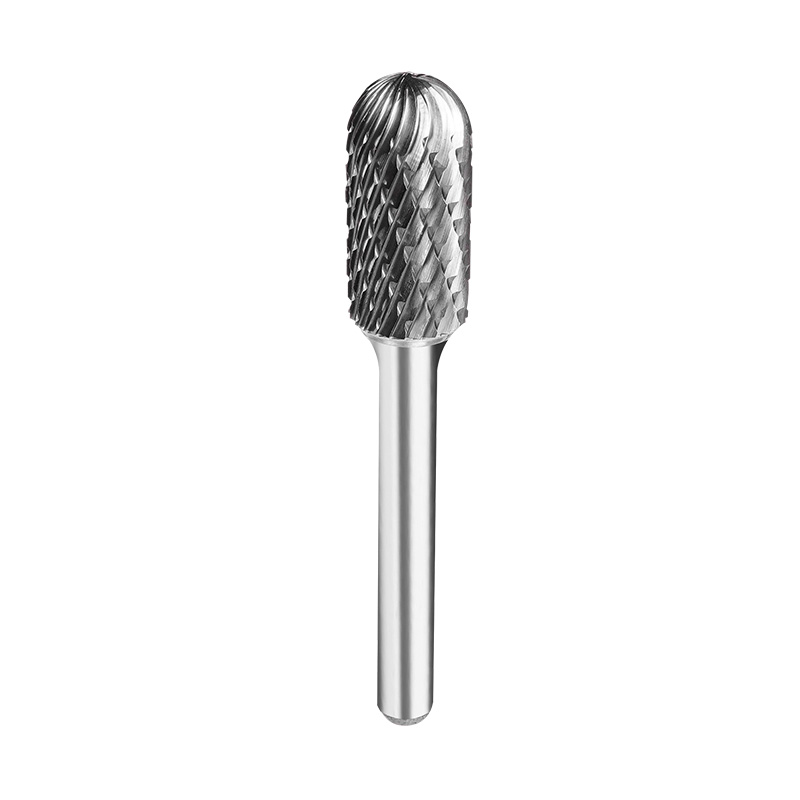
Cylindrical carbide rotary burs are straight and uniform in diameter, making them ideal for surface grinding and contour finishing. They are commonly used to smooth flat surfaces, create uniform grooves, or refine edges. The consistent diameter allows for controlled material removal, reducing the risk of overcutting. In applications where precision is crucial, such as mold making or metal fabrication, cylindrical burs provide predictable and reliable results.
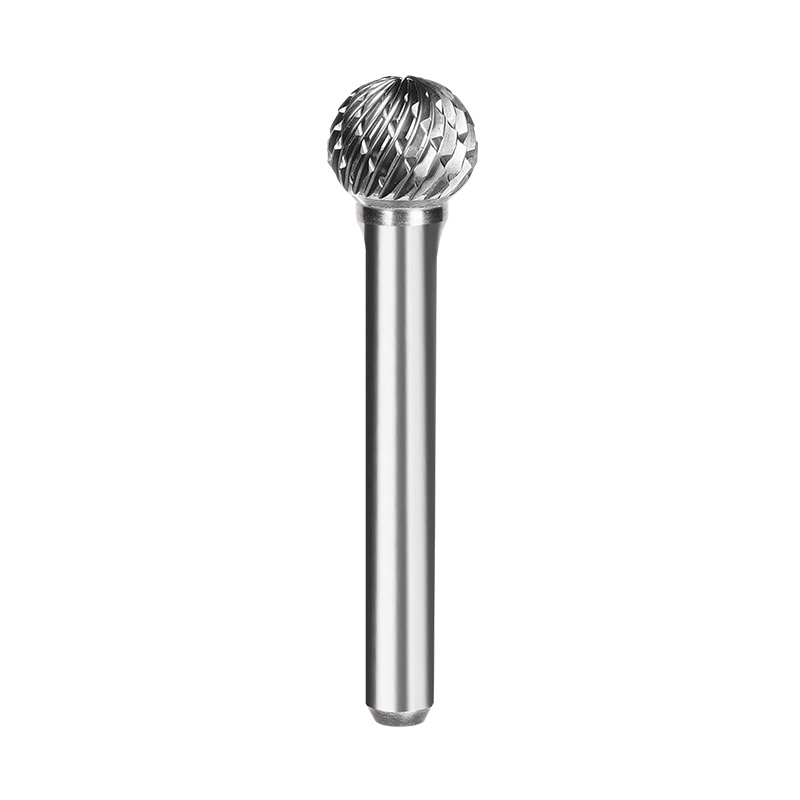
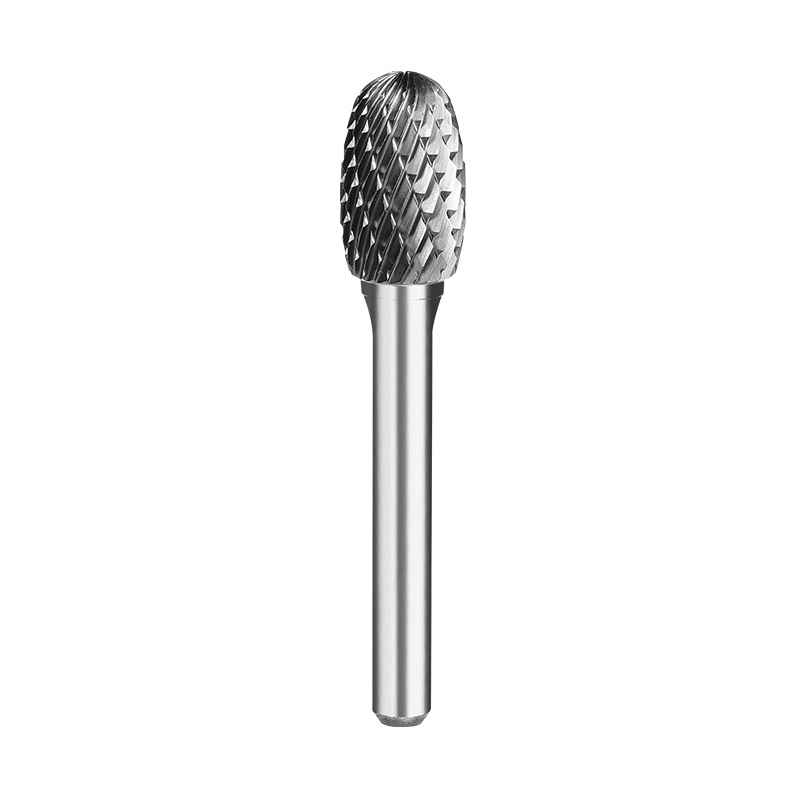
Ball-shaped carbide burs feature a rounded tip that is good for concave surface work, intricate carvings, and detailed contouring. This shape allows operators to work in tight or curved areas where other shapes would be less effective. Ball burs are commonly used in jewelry making for engraving patterns and in dental laboratories for shaping dental prosthetics. Their versatility makes them an essential tool for tasks requiring detailed surface finishing and three-dimensional shaping.
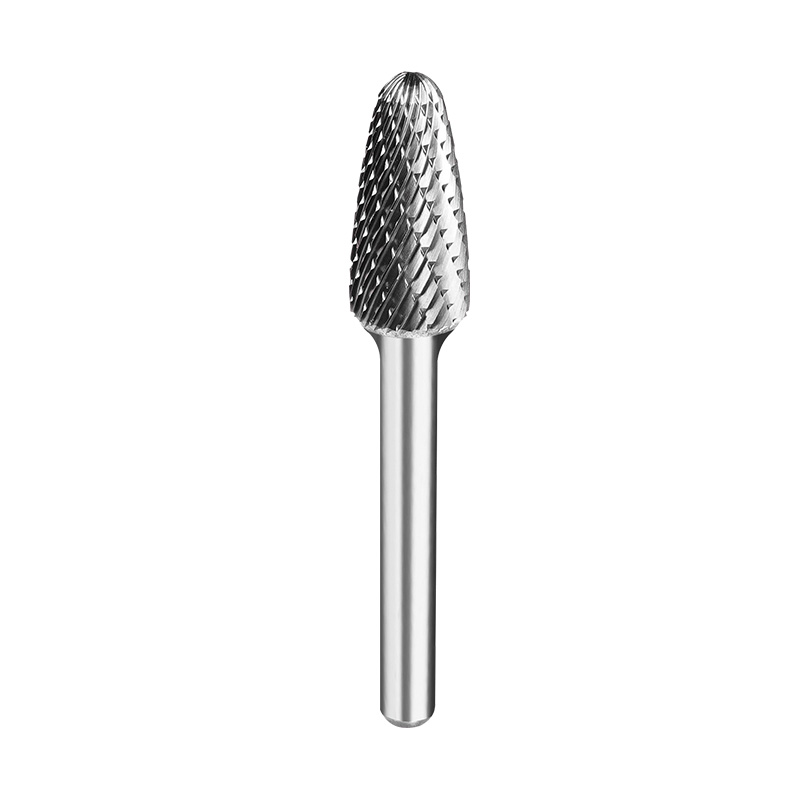
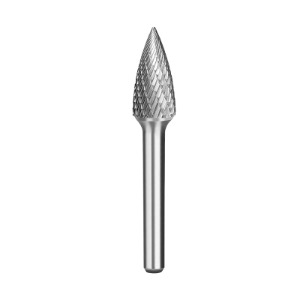
Tree-shaped burs have a tapered, elongated form resembling a tree or cone, often with a rounded or pointed tip. These burs are designed for angled cuts, slotting, and surface smoothing in hard-to-reach areas. The pointed tip allows precise entry into narrow spaces, while the tapered body facilitates gradual material removal. Tree-shaped burs are especially useful in applications where smooth transitions and complex geometries are required, such as mold cavities or intricate metal designs.
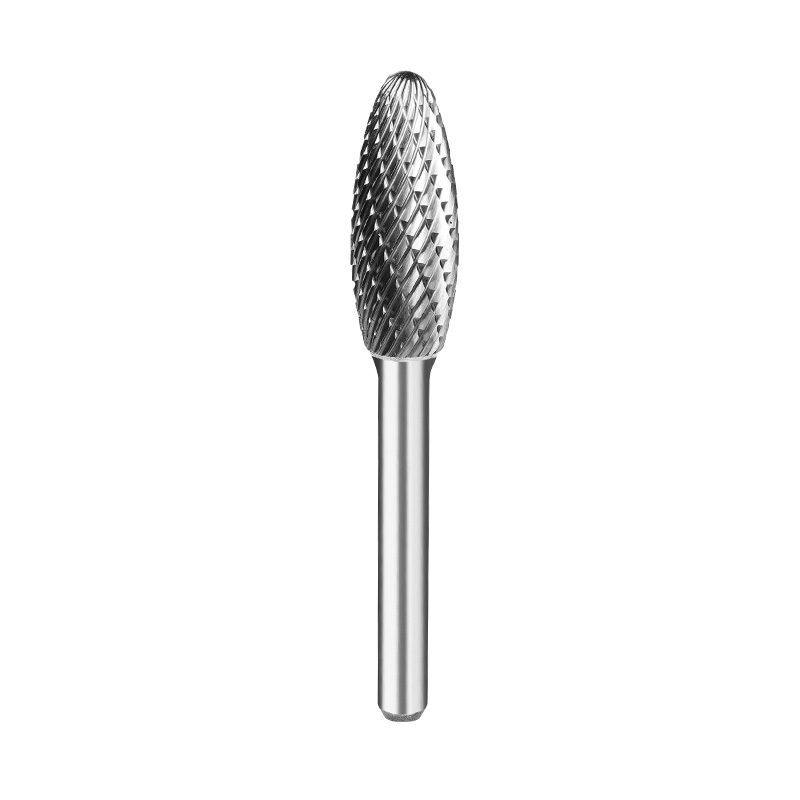
Flame-shaped carbide burs combine a tapered profile with a rounded, elongated tip resembling a flame. This shape is ideal for deburring, shaping, and finishing curved edges. The slender design provides good access to corners and tight angles, while the broad cutting surface ensures efficient material removal. Flame-shaped burs are often used in detailed metalwork, dental applications, and fine woodworking projects where precision and finish quality are essential.
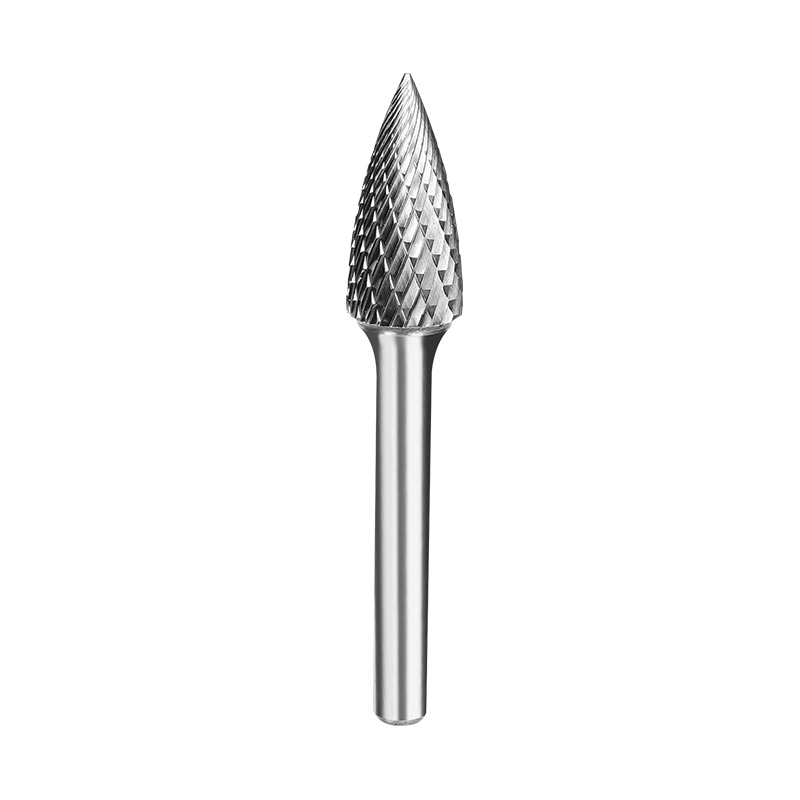
Cone-shaped burs, also known as pointed or conical burs, are good for engraving, chamfering, and cutting small slots. The sharp tip enables precise entry into small areas, while the conical body facilitates controlled cutting and shaping. Cone-shaped burs are particularly popular in jewelry fabrication, model making, and small-scale precision engineering. They allow operators to create detailed patterns without compromising accuracy or surface quality.
Disc-shaped carbide burs feature a flat, circular cutting surface, which makes them suitable for slotting, cutting thin grooves, or creating shallow depressions. These burs are often used in metalworking and woodworking for controlled material removal across a flat or slightly curved plane. The wide cutting edge ensures uniform cuts, making them ideal for finishing operations and repetitive tasks where consistency is key.
The shape of Carbide Rotary Burs directly determines their function, effectiveness, and suitability for specific tasks. Cylindrical, ball, tree, flame, cone, and disc-shaped burs each provide unique advantages in precision cutting, deburring, engraving, and surface finishing. Selecting the right shape for the intended application improves efficiency, extends tool life, and ensures high-quality results. Understanding these differences allows operators in metalworking, dental, jewelry, and woodworking industries to achieve suitable performance and precision with carbide rotary burs.
Cooperate with us now
contact Us
Characteristic Industrial Park, Furong Town, Yueqing City, Zhejiang Province, China.
+86-13757799073
+86-13587713956

Wholesale Carbide Rotary Burs Factory