 English
 Español
 Inquiry
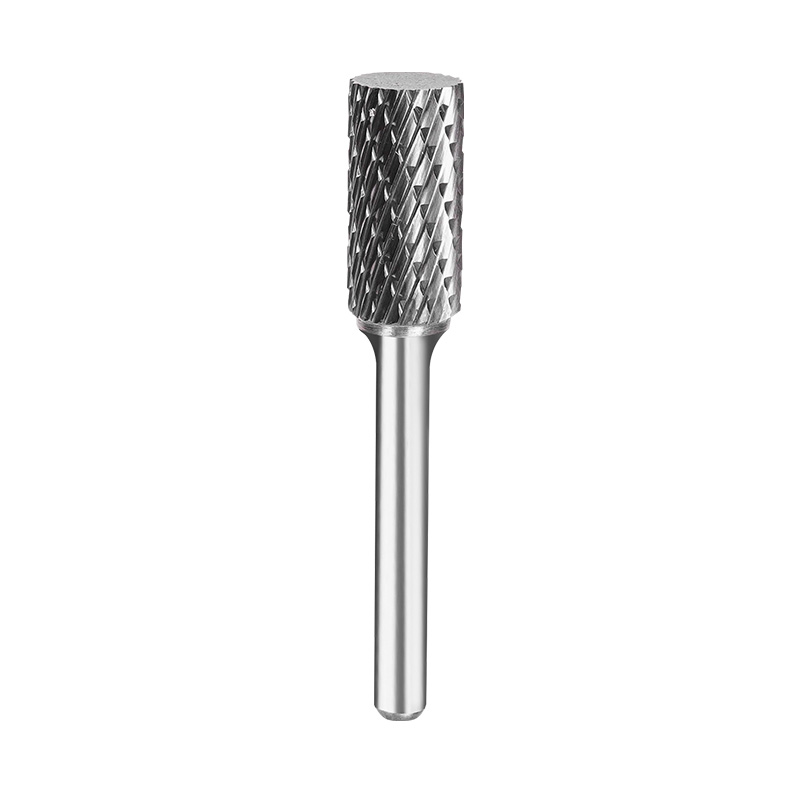
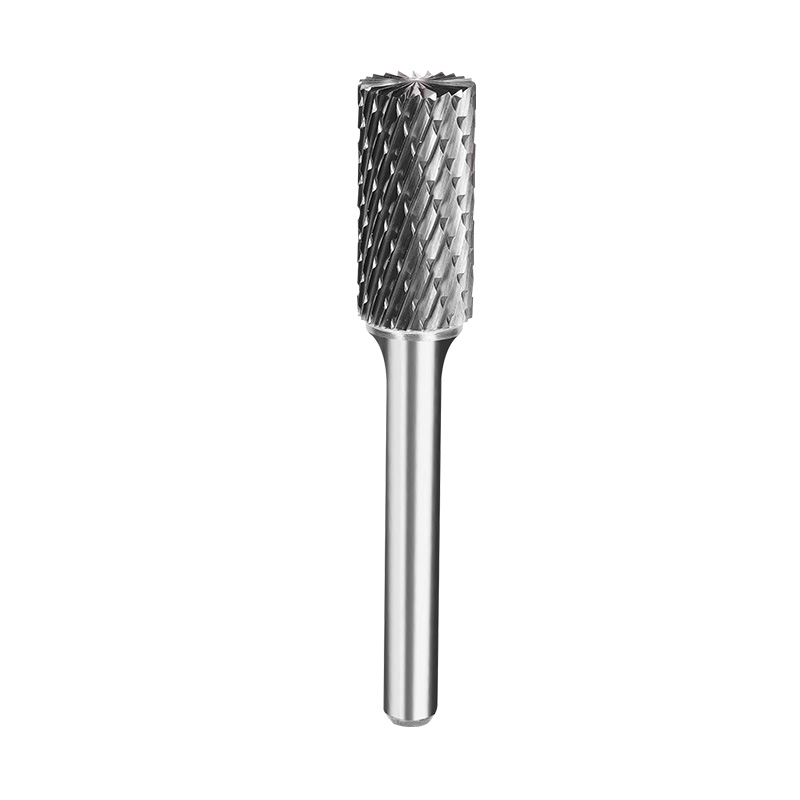
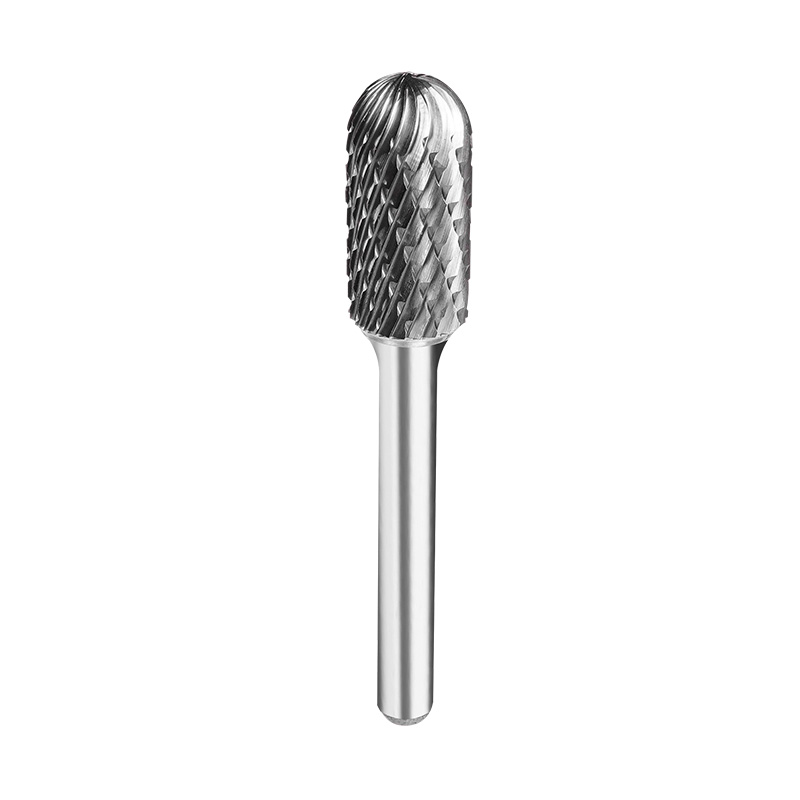
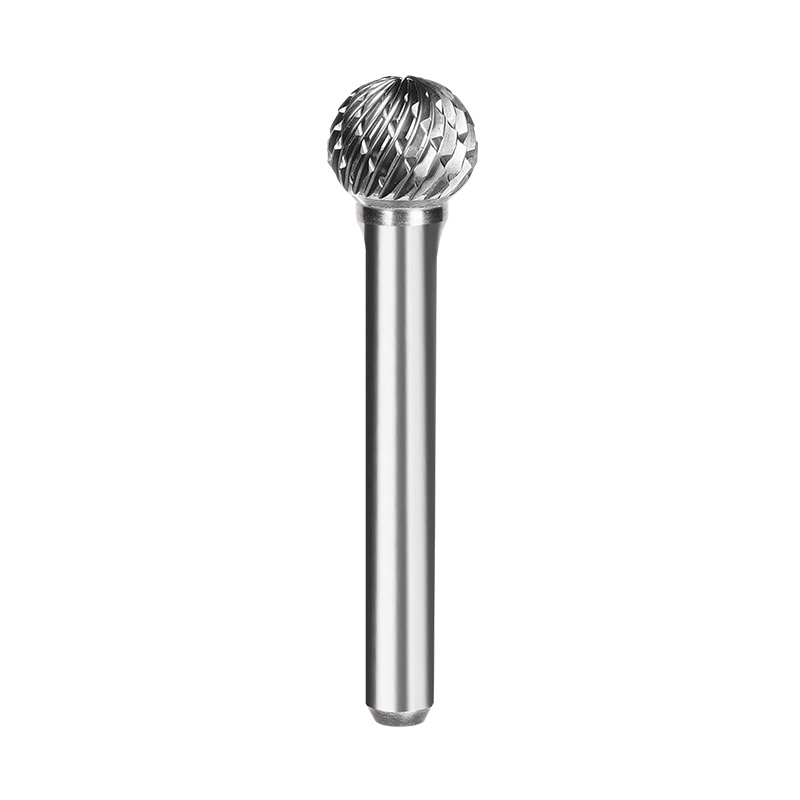
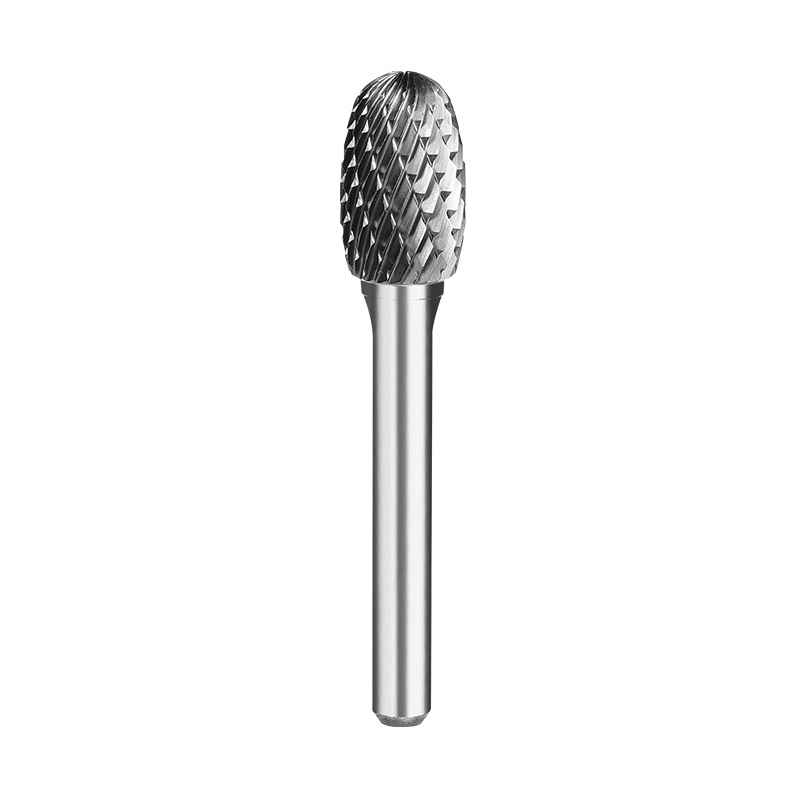
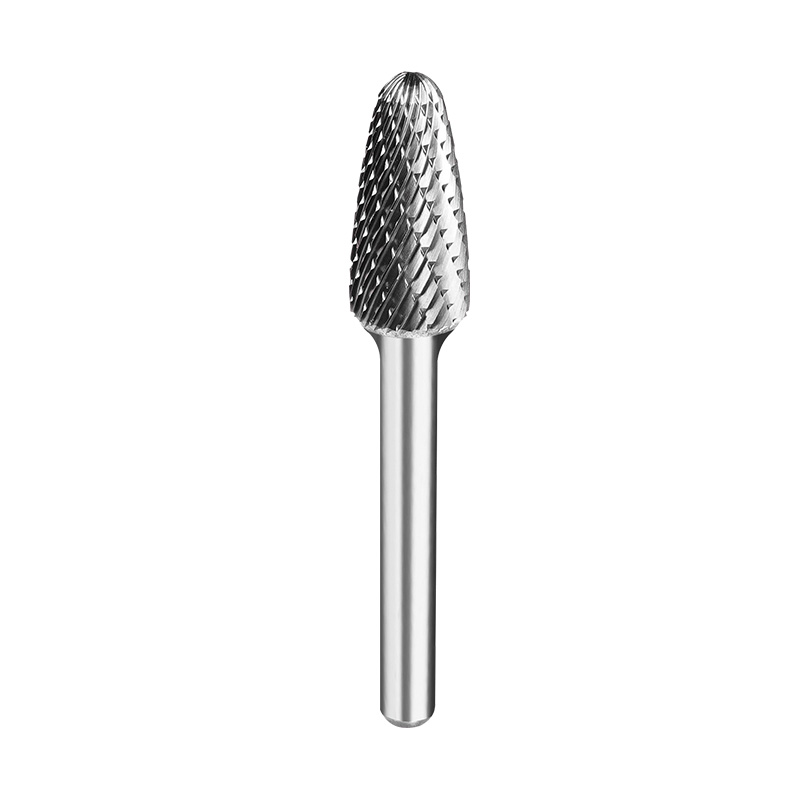
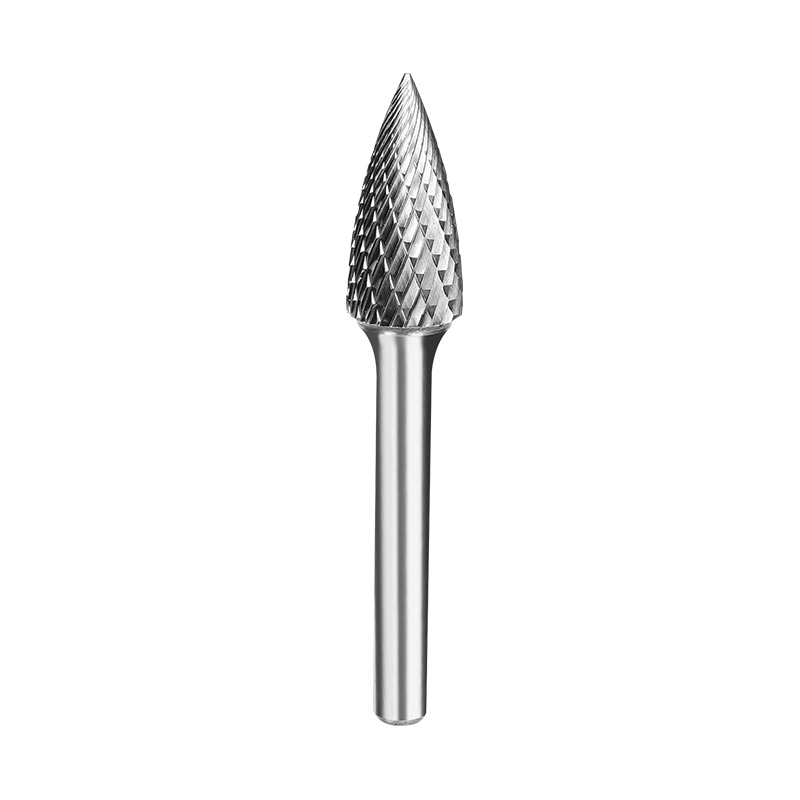
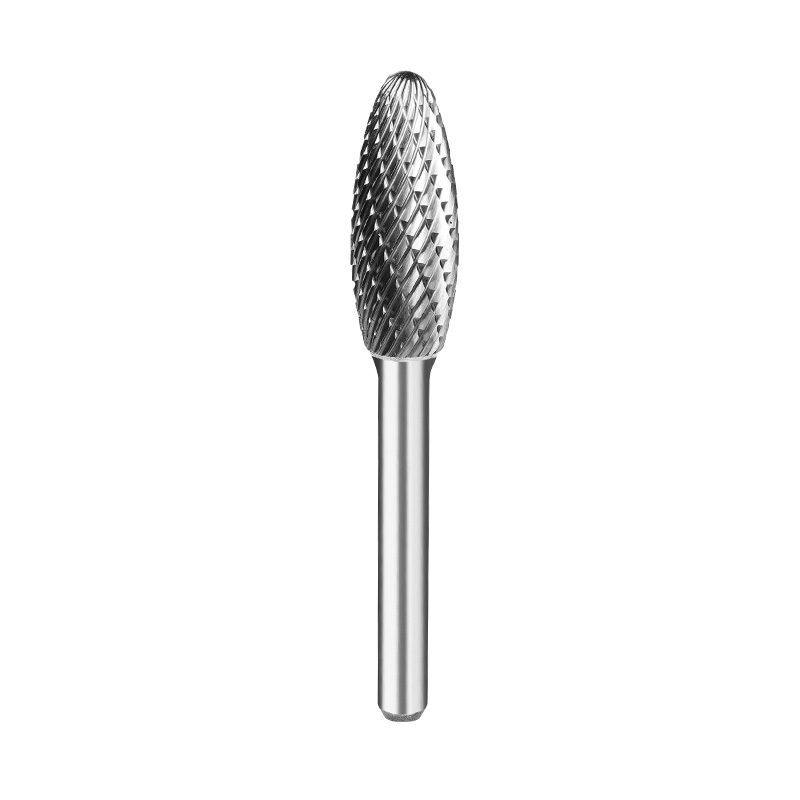
Solid Carbide Burs are precision tools widely used in metalworking, dental, jewelry, and woodworking industries due to their durability and high cutting performance. Cutting efficiency is a critical factor in evaluating their performance because it directly affects productivity, surface finish, and overall tool life. Measuring the efficiency of solid carbide burs involves considering multiple variables, including material removal rate, surface quality, cutting speed, and tool wear.
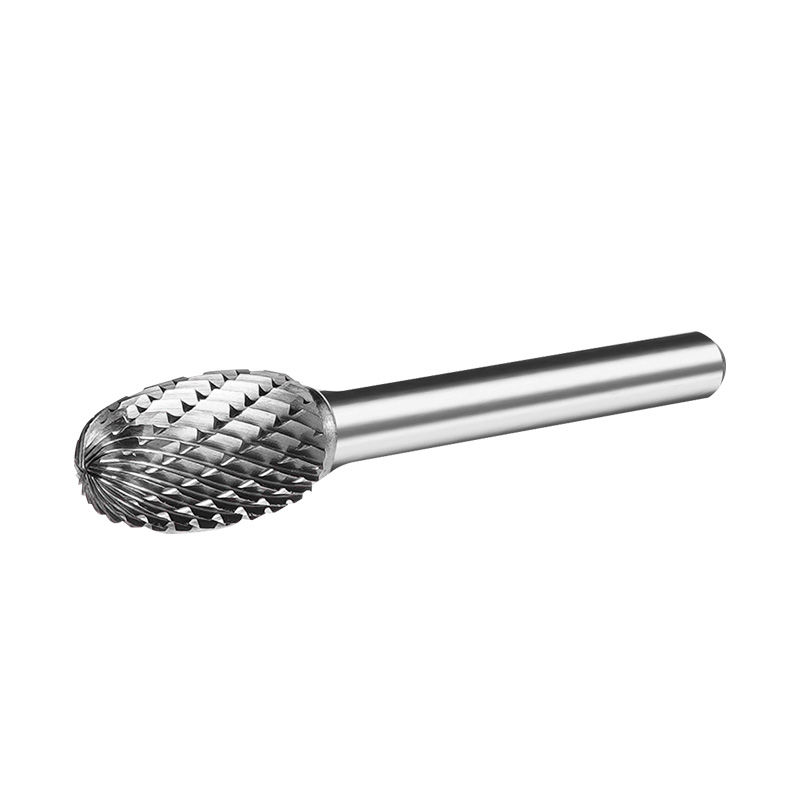
One of the primary indicators of cutting efficiency is the material removal rate (MRR). MRR measures the volume of material removed by the bur per unit of time. A higher MRR indicates that the tool is cutting quickly and effectively. Factors affecting MRR include the shape and size of the bur, spindle speed, feed rate, and hardness of the workpiece material. Operators often calculate MRR to compare the performance of different burs under similar conditions and to optimize cutting parameters for productivity.
Cutting efficiency is not only about speed but also about the quality of the finished surface. A highly efficient bur should remove material rapidly while maintaining a smooth, consistent finish. Surface roughness measurements, often expressed as Ra values, are used to assess how well a solid carbide bur performs. Lower surface roughness values indicate good cutting performance and minimal deformation of the material. This aspect is particularly important in dental applications, jewelry crafting, and precision engineering, where smooth surfaces are essential.
The relationship between cutting speed and feed rate plays a vital role in measuring the efficiency of solid carbide burs. Cutting speed refers to the rotational speed of the bur, while feed rate indicates the rate at which the bur advances into the material. Optimizing these parameters ensures that the bur removes material efficiently without excessive wear or overheating. High-speed operations may increase productivity, but if feed rates are not balanced, they can cause premature tool failure. Careful calibration of speed and feed rates is essential to improve efficiency.
Tool wear is another key factor in evaluating cutting efficiency. A bur that maintains sharp edges over longer periods demonstrates higher efficiency because it can sustain high performance without frequent replacement. Wear can be measured by examining the edges of the bur under a microscope or by tracking changes in cutting performance over time. Solid carbide burs are known for their hardness and wear resistance, but efficiency can still be affected by improper use or unsuitable cutting conditions.
Heat generation during cutting affects both the efficiency and lifespan of solid carbide burs. Excessive heat can cause thermal softening of the tool, reduced cutting efficiency, and even surface damage on the workpiece. Using appropriate cooling fluids or maintaining controlled cutting speeds can help manage heat, ensuring consistent performance. Thermal considerations are particularly important when working with hard metals or alloys that generate significant friction during cutting.
Measuring the cutting efficiency of Solid Carbide Burs involves analyzing material removal rate, surface finish, cutting speed, feed rate, tool wear, and thermal management. By evaluating these factors, operators can optimize cutting parameters, improve productivity, and extend tool life. Understanding the interplay between these variables allows professionals in metalworking, dental, jewelry, and woodworking industries to select and use solid carbide burs effectively, ensuring high-quality results and efficient operation.
Cooperate with us now
contact Us
Characteristic Industrial Park, Furong Town, Yueqing City, Zhejiang Province, China.
+86-13757799073
+86-13587713956

Wholesale Carbide Rotary Burs Factory