 English
 Español
 Inquiry
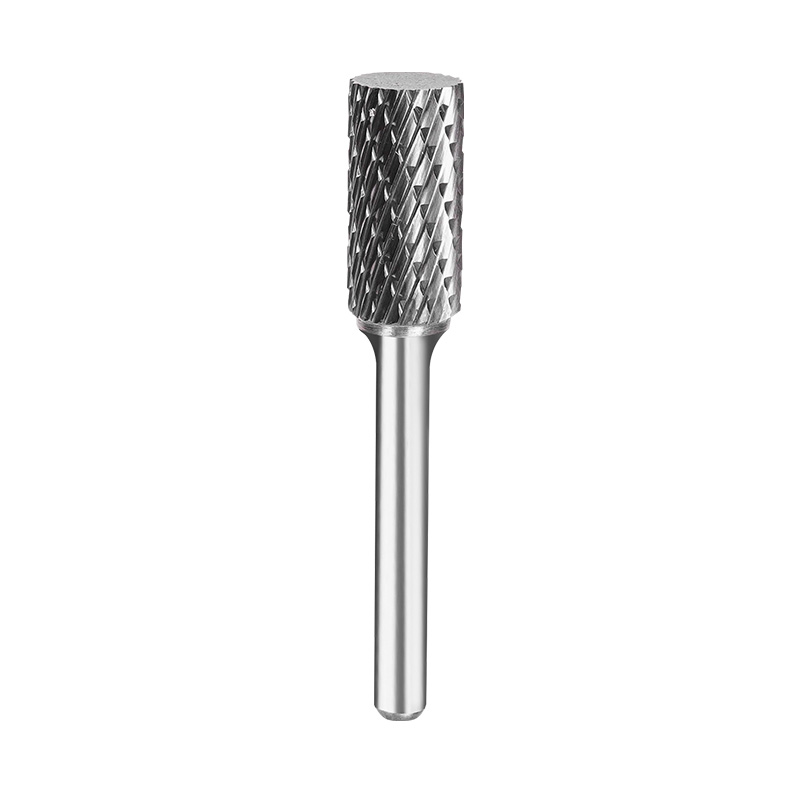
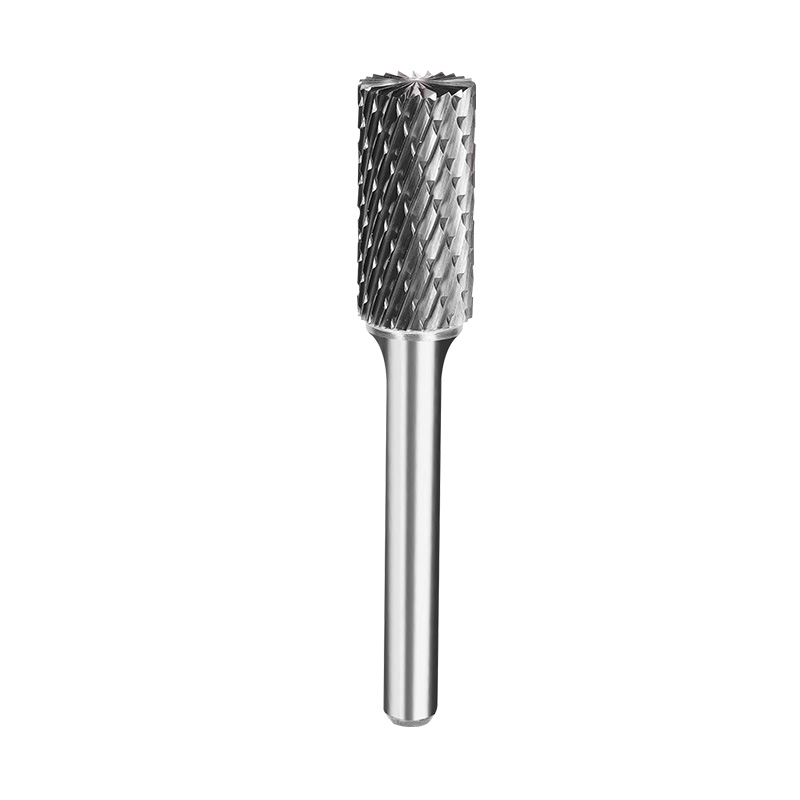
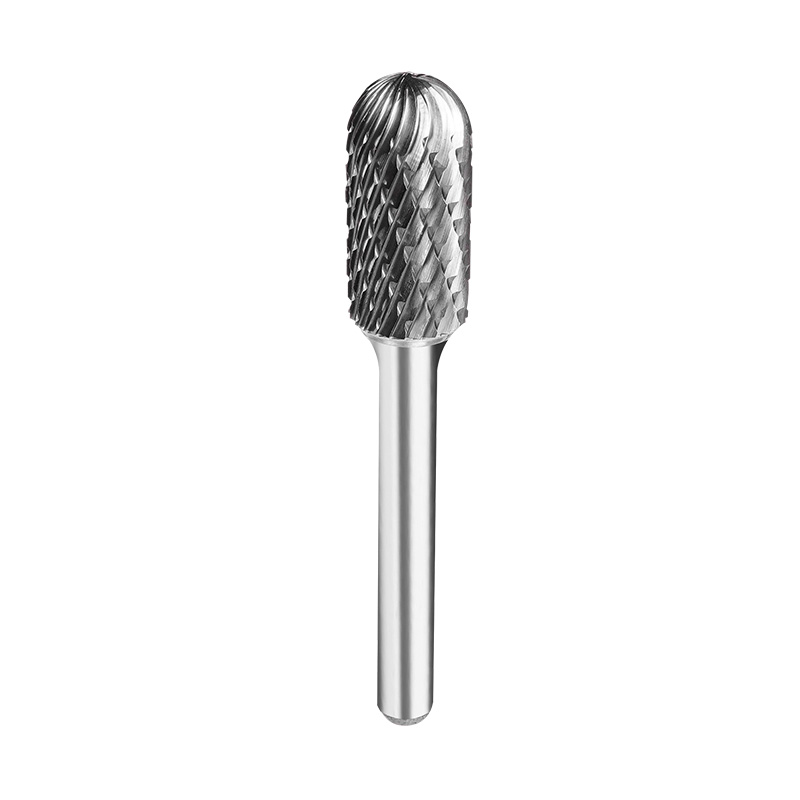
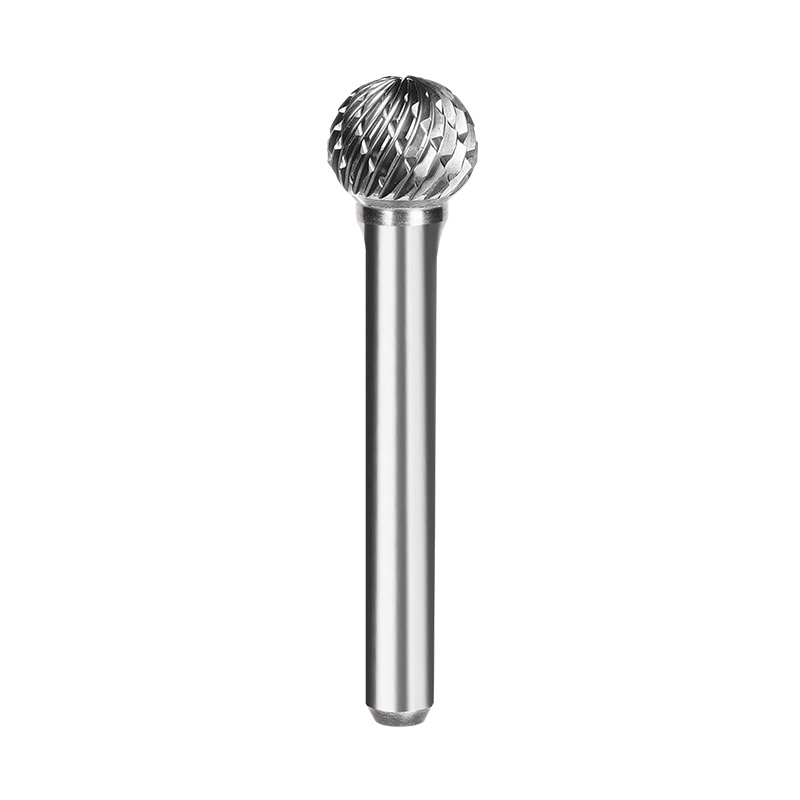
Solid carbide burs are precision tools widely used in metalworking, dental, jewelry, and industrial applications due to their hardness, durability, and ability to maintain sharp edges at high speeds. One of the important considerations when selecting a solid carbide bur is the cutting type—single-cut or double-cut. The choice directly affects material removal efficiency, surface finish, and overall tool performance. Understanding the differences between these cutting styles ensures that operators can achieve suitable results for specific materials and machining tasks.
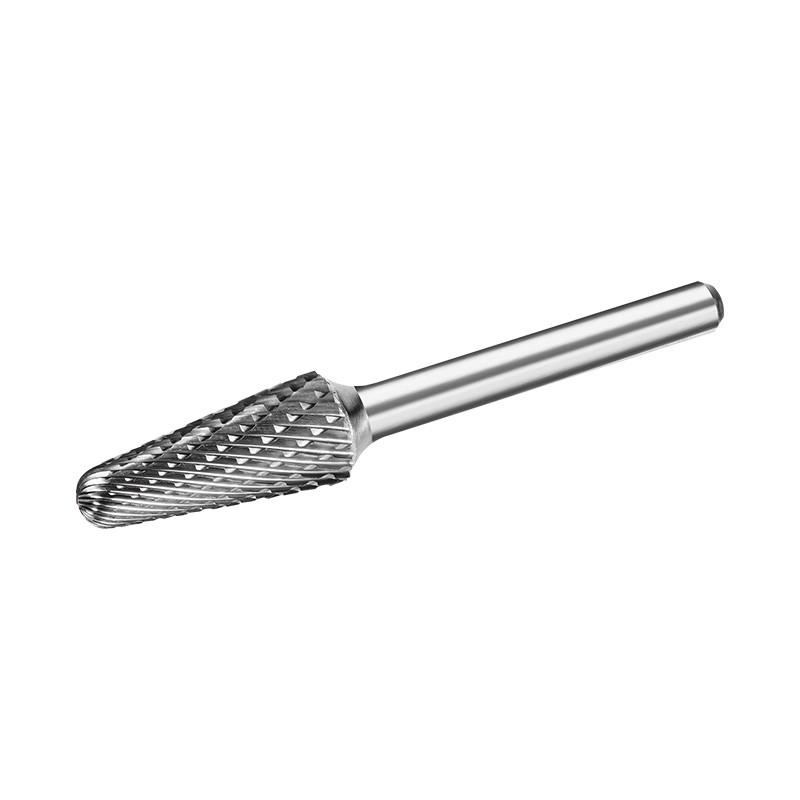
Single-cut burs have a series of straight flutes that run along the bur in a uniform direction. This design allows the bur to remove material quickly and produce long, continuous chips. Single-cut burs are especially effective for harder metals, such as stainless steel or titanium, where precision removal is essential. They generate less heat than some multi-cut alternatives, reducing the risk of material deformation. However, single-cut burs may leave a relatively rough surface compared to double-cut burs, requiring additional finishing passes for applications demanding a smooth finish.
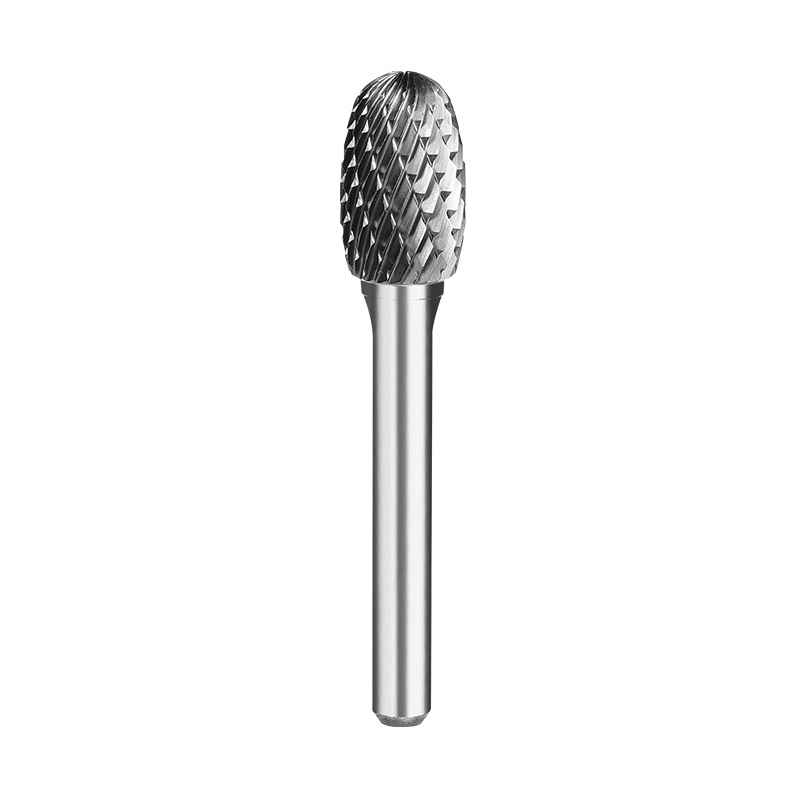
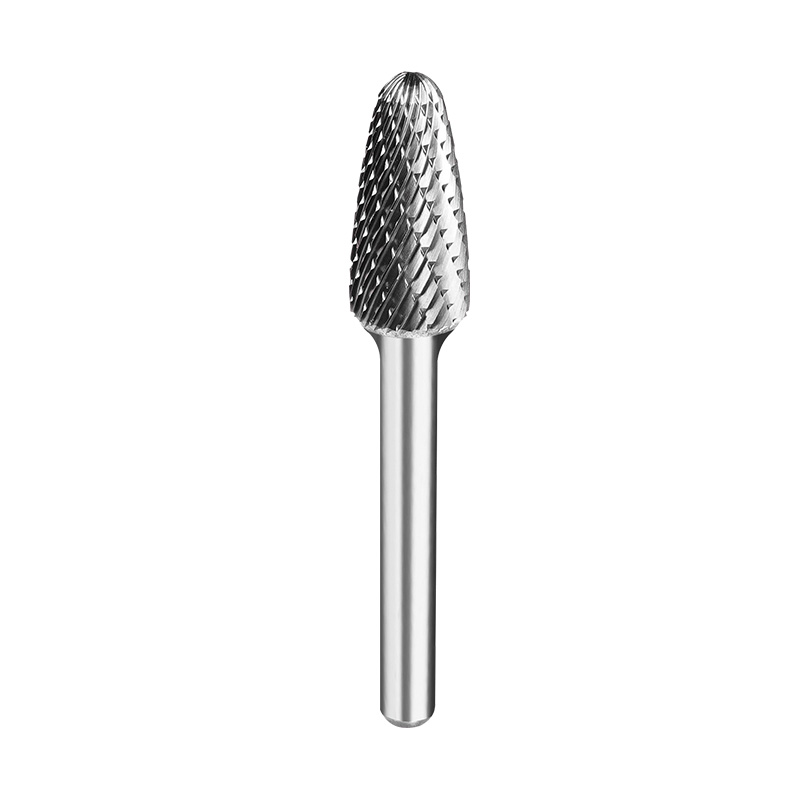
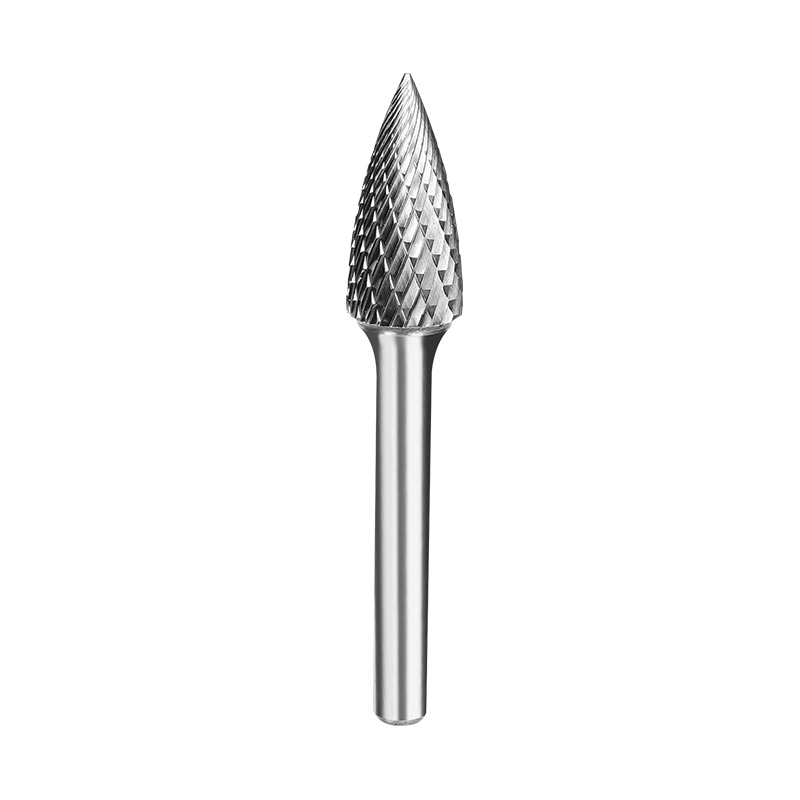
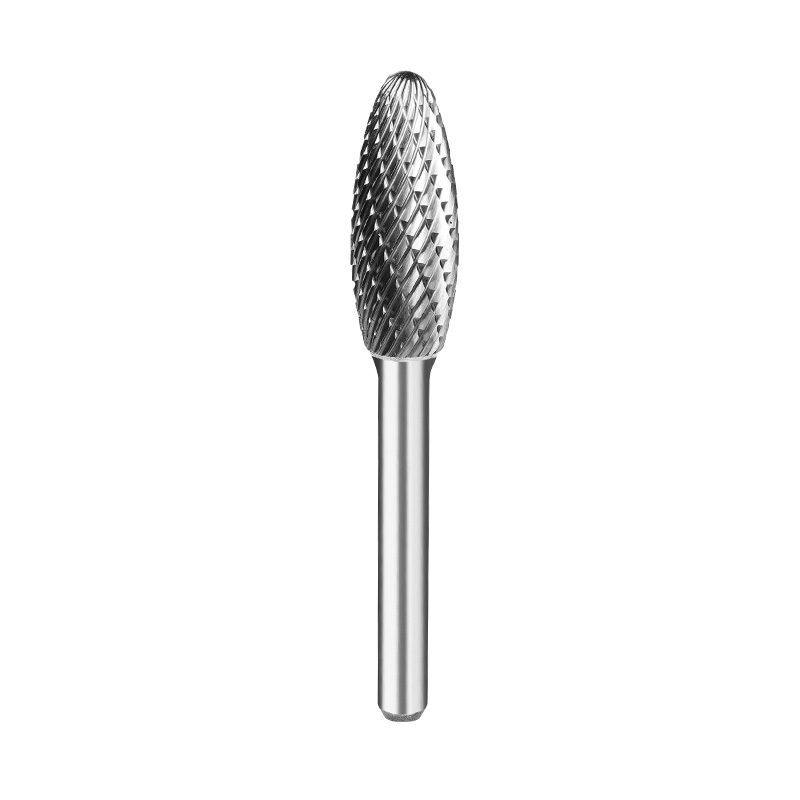
Double-cut burs feature intersecting flutes that create a crisscross pattern on the cutting surface. This configuration produces finer chips and distributes cutting forces more evenly across the bur. The result is a smoother finish and reduced vibration during cutting. Double-cut burs are particularly advantageous when working on softer metals, aluminum, brass, or non-ferrous materials, where excessive material removal could deform the workpiece. While they remove material more slowly than single-cut burs, the improved surface quality often reduces the need for subsequent polishing or sanding.
The hardness, ductility, and brittleness of the workpiece material play a critical role in choosing between single-cut and double-cut burs. Hard and tough metals benefit from single-cut burs that can maintain consistent cutting performance under stress. Softer and more ductile materials, on the other hand, are better suited for double-cut burs, which reduce the risk of tearing or creating burrs. Understanding the interaction between bur geometry and material properties allows operators to balance efficiency with surface quality, ensuring both productivity and precision.
Cutting type also influences tool longevity and heat generation. Single-cut burs produce larger chips and tend to generate higher cutting forces, which may increase wear if the bur is used continuously on very hard materials. Double-cut burs distribute stress across multiple cutting edges, reducing wear and extending tool life in certain applications. Additionally, the finer chip formation of double-cut burs helps improve airflow around the tool, aiding in heat dissipation and reducing the risk of overheating, which is especially important during high-speed machining.
Selecting the appropriate cutting type depends on both the machining goals and the workflow requirements. For rapid material removal or roughing operations, single-cut burs offer speed and efficiency. For finishing, detail work, or when working with delicate materials, double-cut burs provide good surface quality and precision. Many workshops maintain a combination of both types to handle a wide range of tasks efficiently. Proper operator training, including cutting speed, feed rate, and angle of approach, further enhances the performance of each bur type.
The choice between single-cut and double-cut solid carbide burs significantly impacts machining outcomes. Single-cut burs excel in speed and efficiency for hard materials, while double-cut burs provide smoother finishes and reduced vibration for softer or delicate materials. Understanding these differences allows operators to select the suitable tool for each task, improving productivity, surface quality, and tool life. Utilizing the right cutting type is a critical step in achieving consistent, high-quality results in any precision machining application involving Solid Carbide Burs.
Cooperate with us now
contact Us
Characteristic Industrial Park, Furong Town, Yueqing City, Zhejiang Province, China.
+86-13757799073
+86-13587713956

Wholesale Carbide Rotary Burs Factory