 English
 Español
 Inquiry
A Long Shank Burs Factory emphasizes the versatility of long shank burs in various industries, including jewelry making, dental laboratories, model crafting, and fine metalworking. These tools are designed with an extended shank that allows deeper access into workpieces, making them suitable for intricate and precision carving. The longer shank not only improves reach but also provides better control over the tool’s angle and pressure, which is critical for achieving detailed and accurate results.
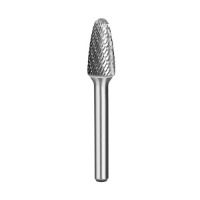
Long shank burs are particularly advantageous for precision carving because they allow operators to work on complex geometries and recessed areas that standard burs cannot reach. Their extended length provides flexibility to approach surfaces from multiple angles without repositioning the workpiece. This feature is essential for creating detailed engravings, sculpted patterns, and fine surface textures. The stability and balance of a long shank bur reduces hand fatigue during extended operations, improving overall control and accuracy in delicate tasks.
Long shank burs are made from high-quality materials such as tungsten carbide or diamond-coated alloys, which offer good hardness and wear resistance. These materials enable the burs to maintain sharp cutting edges during prolonged use, which is critical for precision work. Whether carving metals, wood, acrylics, or dental composites, long shank burs deliver consistent results without chipping or deforming the workpiece. Choosing the correct bur material and shape for the specific medium ensures suitable performance and surface quality.
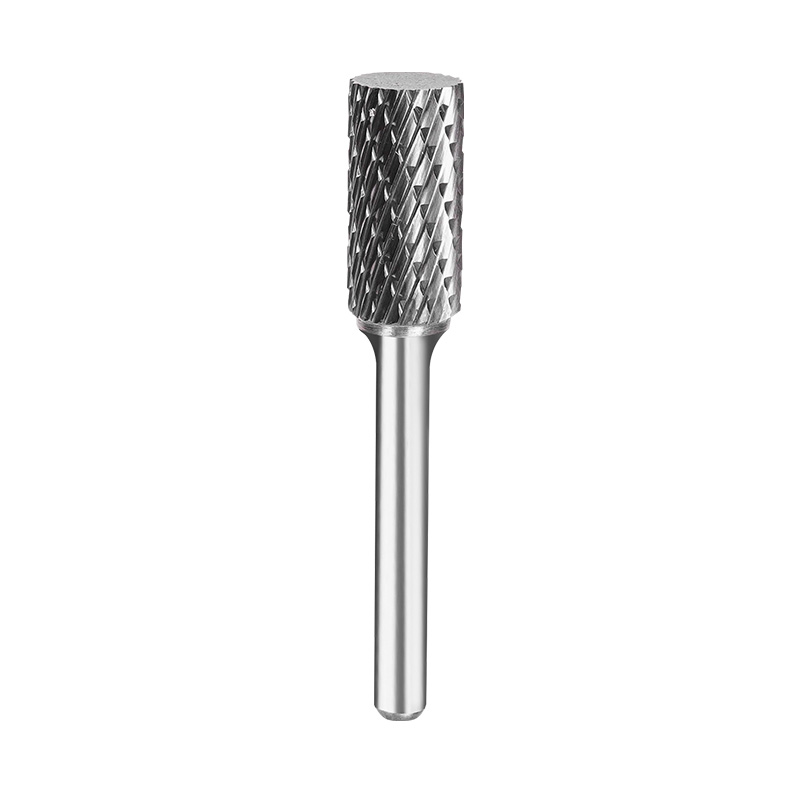
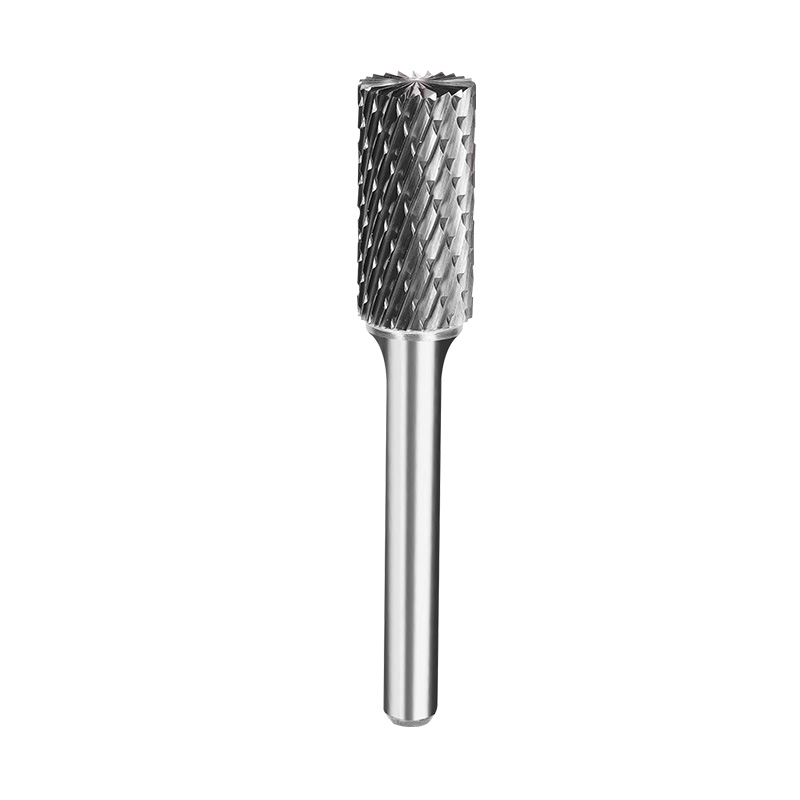
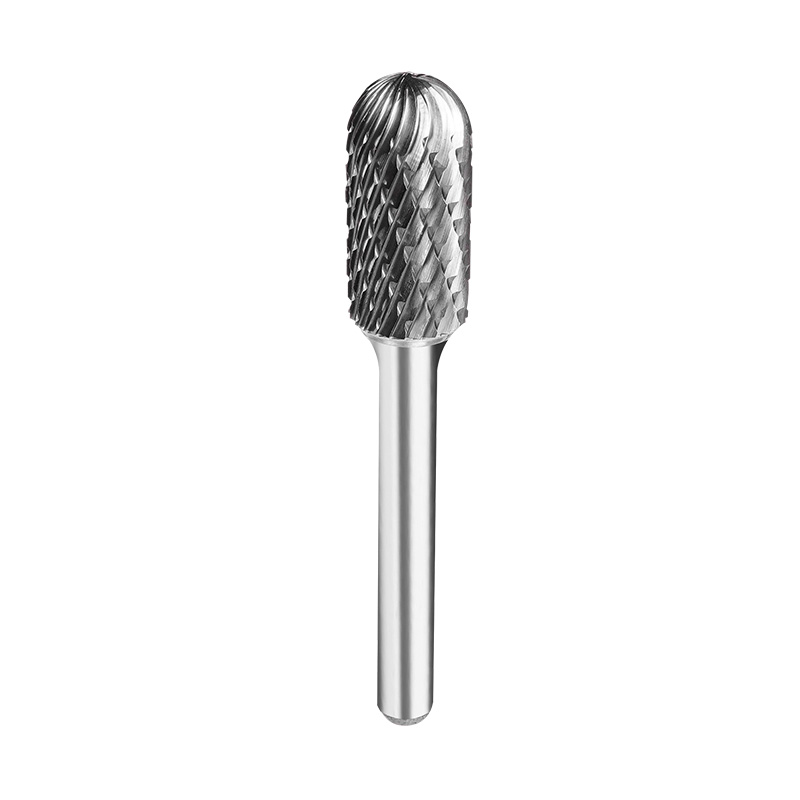
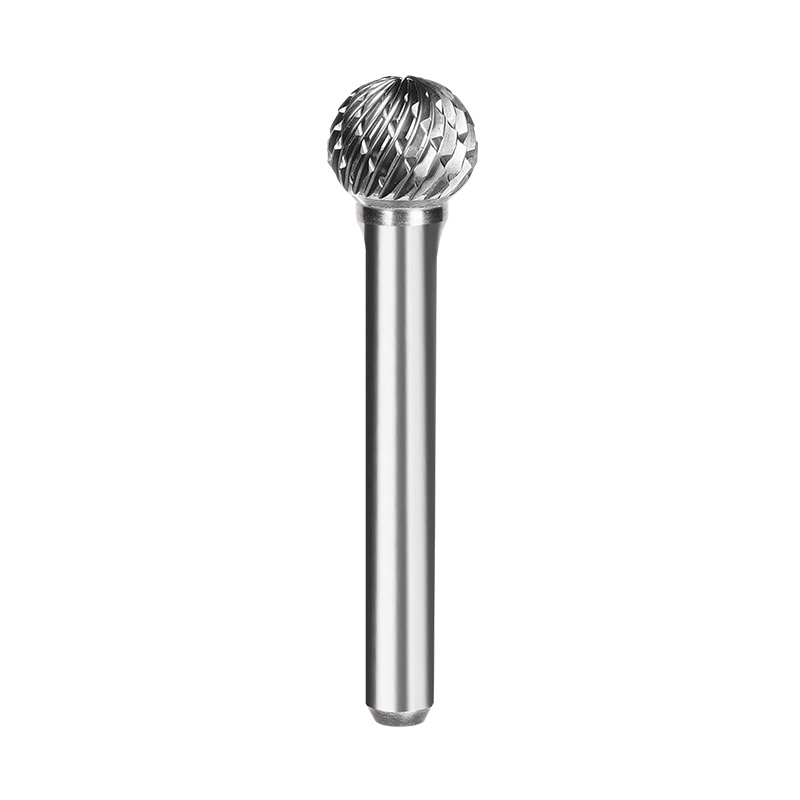
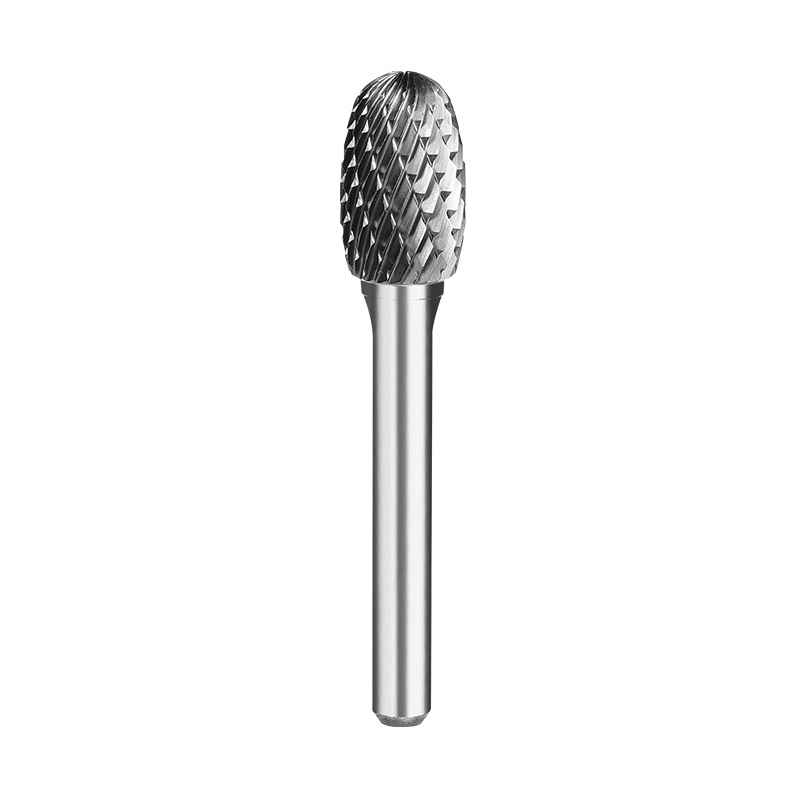
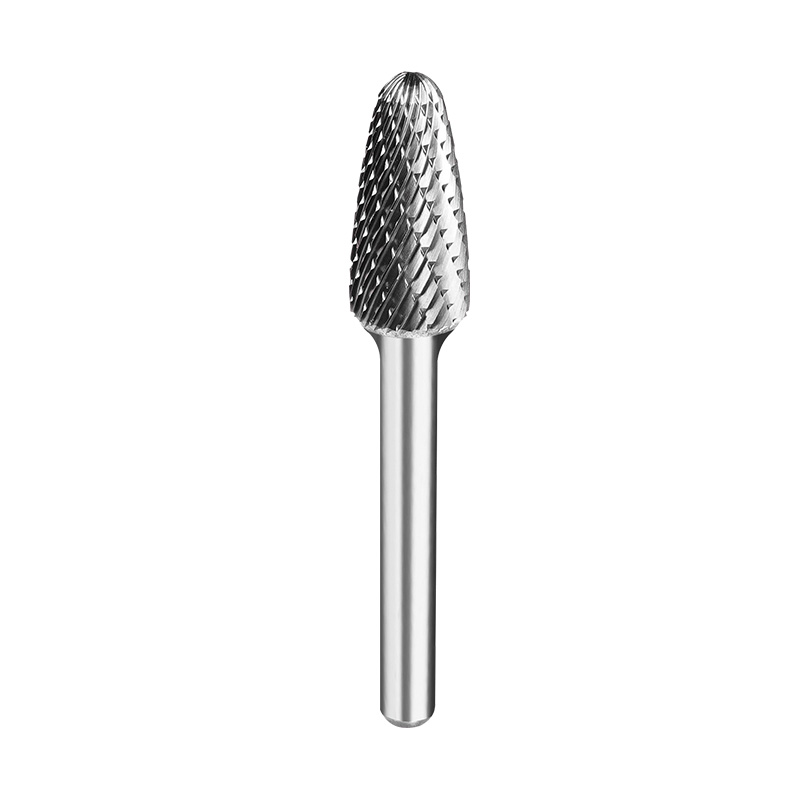
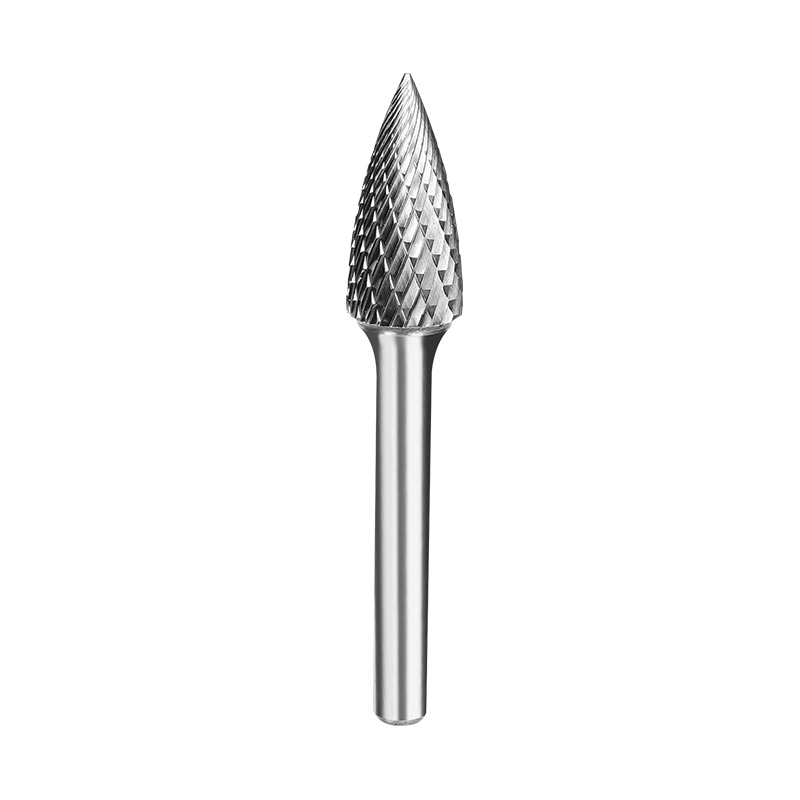
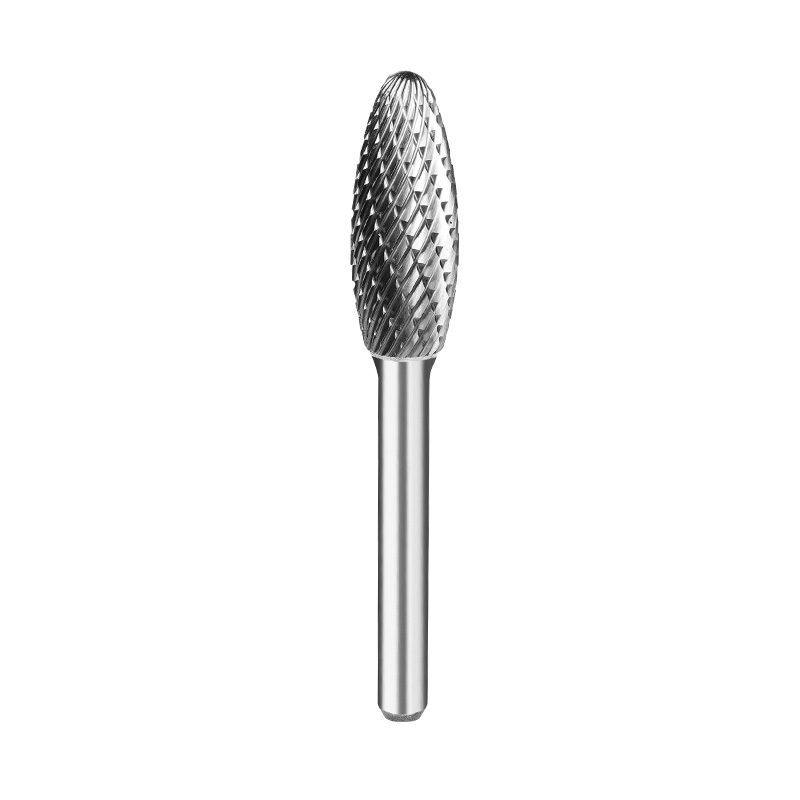
The shape of a long shank bur significantly affects its suitability for precision carving. Cylindrical burs are ideal for smoothing flat surfaces and creating grooves, while ball-shaped burs excel at concave and rounded detail work. Flame-shaped and cone-shaped burs are good for engraving fine lines, sculpting sharp edges, and accessing narrow spaces. By selecting the appropriate bur shape, operators can achieve intricate designs with high precision, making long shank burs a preferred choice for detailed craftsmanship.
Proper control of cutting speed and feed rate is critical when using long shank burs for precision carving. Slower rotational speeds allow for greater accuracy and reduce the risk of overcutting or damaging delicate areas. Applying steady, controlled pressure ensures smooth cutting and prevents vibration, which could affect the final detail. In some applications, using a rotary tool with adjustable speed settings enhances control and allows operators to match the bur’s performance to the material’s hardness and complexity.
Maintaining long shank burs is essential for sustained precision. Regular cleaning to remove debris and material buildup prevents clogging and uneven cutting. Inspecting the burs for wear and timely replacement ensures that sharp edges are maintained, preserving carving quality. Proper storage and careful handling prevent bending or damage to the long shank, which could compromise accuracy and performance in intricate work.
A Long Shank Burs Factory highlights that these tools are well-suited for precision carving across a variety of materials and applications. With proper selection of material, shape, cutting speed, and maintenance practices, long shank burs provide good reach, control, and durability. Their versatility and precision make them indispensable for jewelry making, dental work, metal sculpting, and other tasks requiring detailed and accurate craftsmanship. Long shank burs allow operators to achieve intricate designs while maintaining efficiency and high-quality results.
Cooperate with us now
contact Us
Characteristic Industrial Park, Furong Town, Yueqing City, Zhejiang Province, China.
+86-13757799073
+86-13587713956

Wholesale Carbide Rotary Burs Factory