 English
 Español
 Inquiry
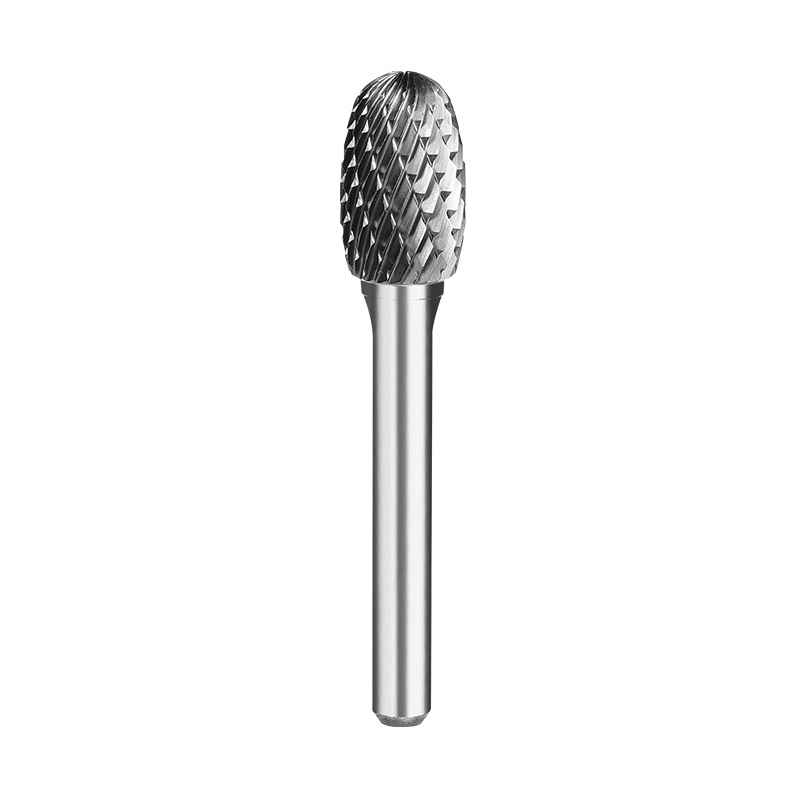
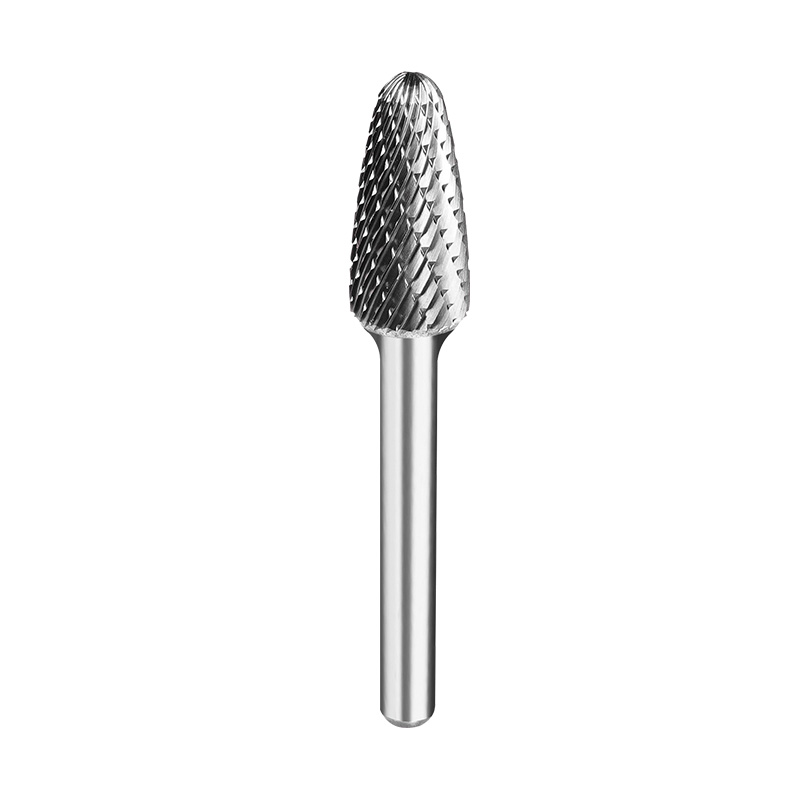
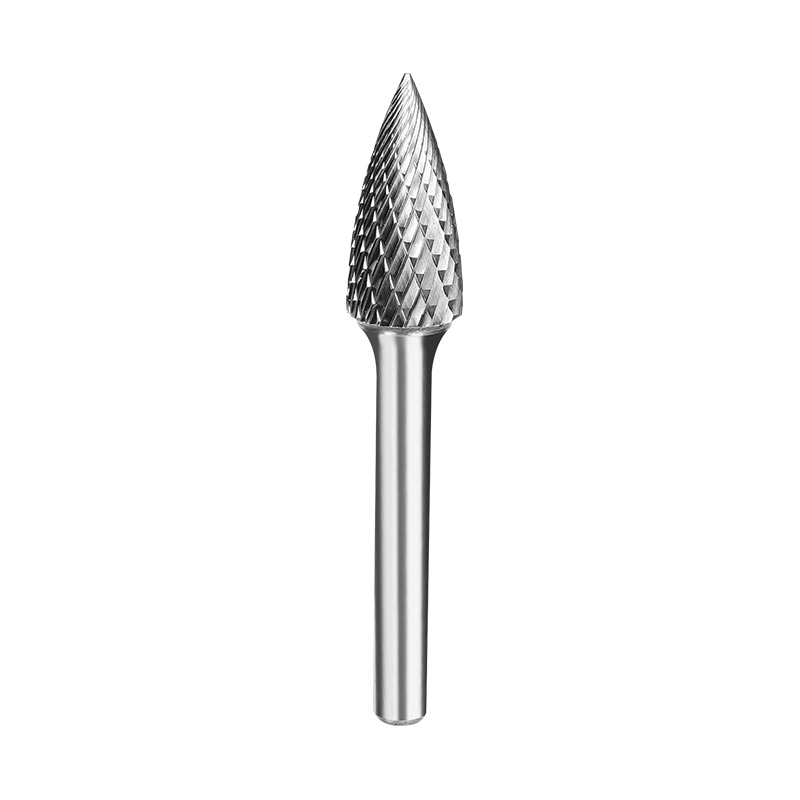
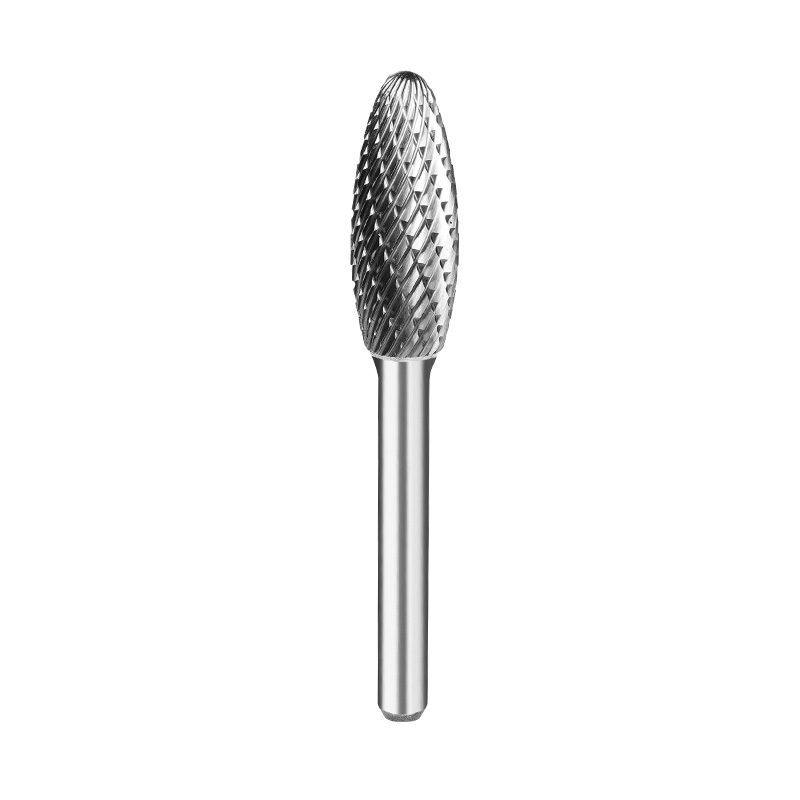
A Precision Rotary Tool is widely used in metalworking, woodworking, jewelry making, dental applications, and other industries requiring high-accuracy cutting, grinding, or polishing. One of the key factors determining the tool’s performance and longevity is wear resistance. Tools with good wear resistance maintain sharpness longer, provide consistent cutting quality, and reduce downtime for replacement. Understanding how to improve wear resistance can significantly enhance operational efficiency and reduce overall costs.
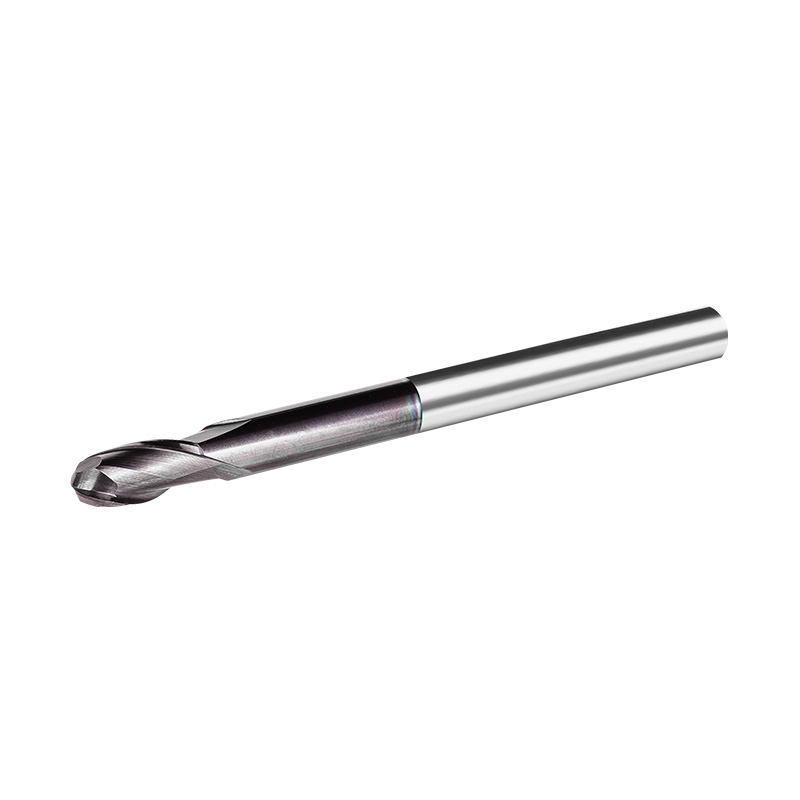
The base material of a precision rotary tool has a major influence on its wear resistance. Tools made from high-quality tungsten carbide, high-speed steel, or diamond-embedded alloys offer good hardness and durability. In addition to the base material, applying advanced surface coatings can further enhance wear resistance. Coatings such as titanium nitride (TiN), titanium carbonitride (TiCN), or diamond-like carbon (DLC) reduce friction, prevent adhesion of material debris, and protect the cutting edges from abrasion. Using coated tools allows operators to maintain performance even under demanding cutting conditions.
Properly setting cutting parameters is essential to reducing tool wear. Speed, feed rate, and depth of cut all affect the stress placed on the tool’s surface. Operating at excessively high speeds or applying too much pressure can generate heat, accelerate edge degradation, and shorten tool life. Conversely, optimized cutting conditions reduce thermal and mechanical stress, maintaining the tool’s sharpness for longer. Monitoring and adjusting these parameters based on the material type and hardness ensures the rotary tool performs efficiently while reducing wear.
Heat generated during cutting or grinding can significantly reduce the wear resistance of precision rotary tools. Applying cooling fluids or lubricants during operation helps dissipate heat, reduce friction, and prevent thermal softening of the tool’s material. Proper lubrication also reduces the build-up of debris on the tool’s surface, which can accelerate abrasive wear. Regularly using coolants or oils designed for high-speed cutting extends tool life and maintains cutting efficiency.
How operators handle and maintain the rotary tool also affects wear resistance. Avoiding excessive force, sudden impact, or improper installation in the collet reduces mechanical damage. Regular cleaning of the tool removes debris, metal chips, and residue that may cause additional abrasion. Inspection for signs of wear or chipping allows timely replacement or re-sharpening, preventing further damage. Proper storage in protective cases also prevents accidental impact and prolongs the life of the tool.
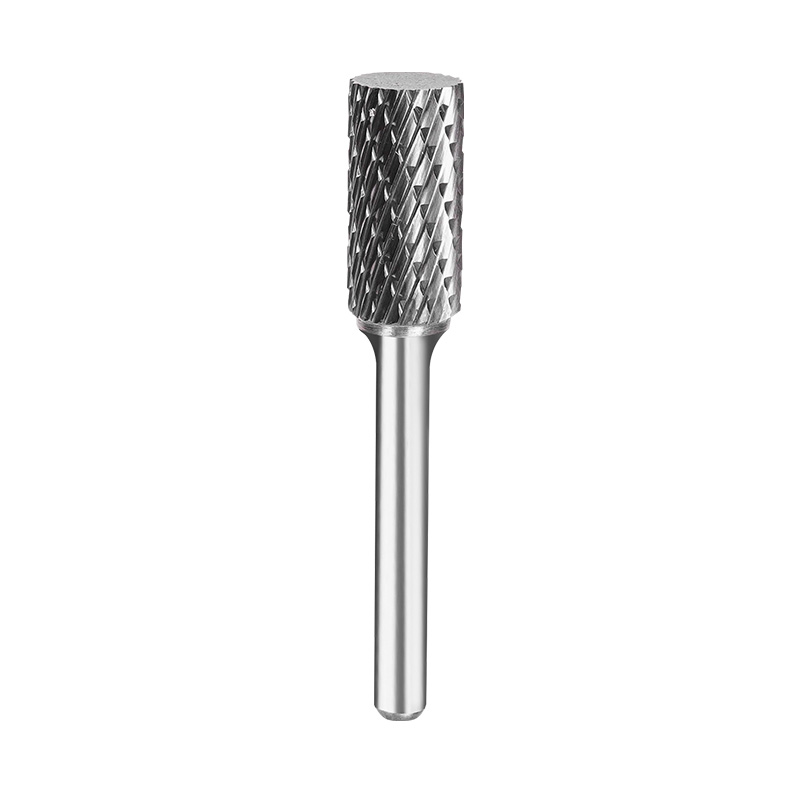
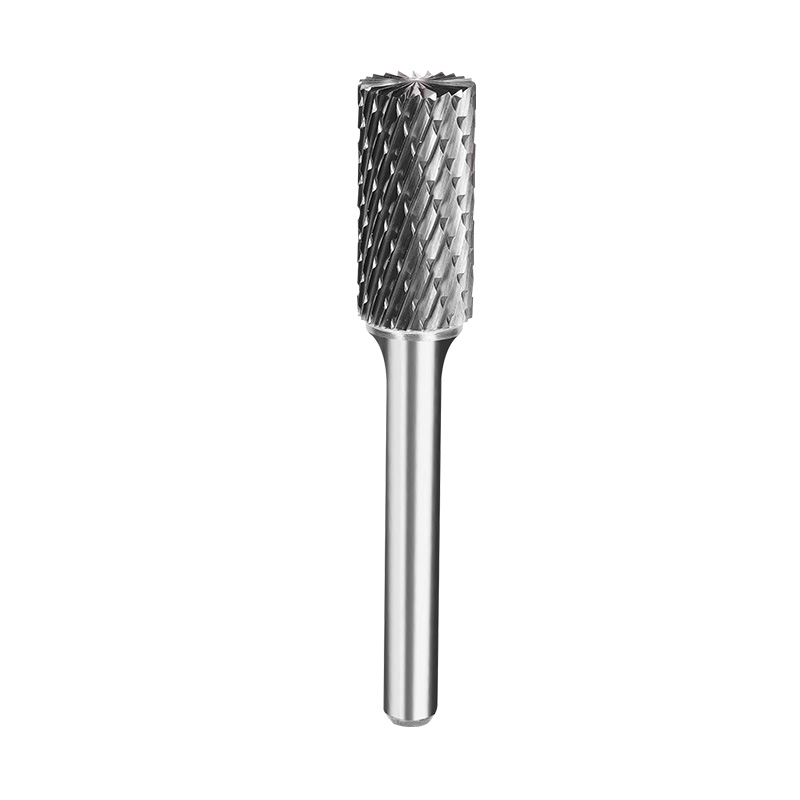
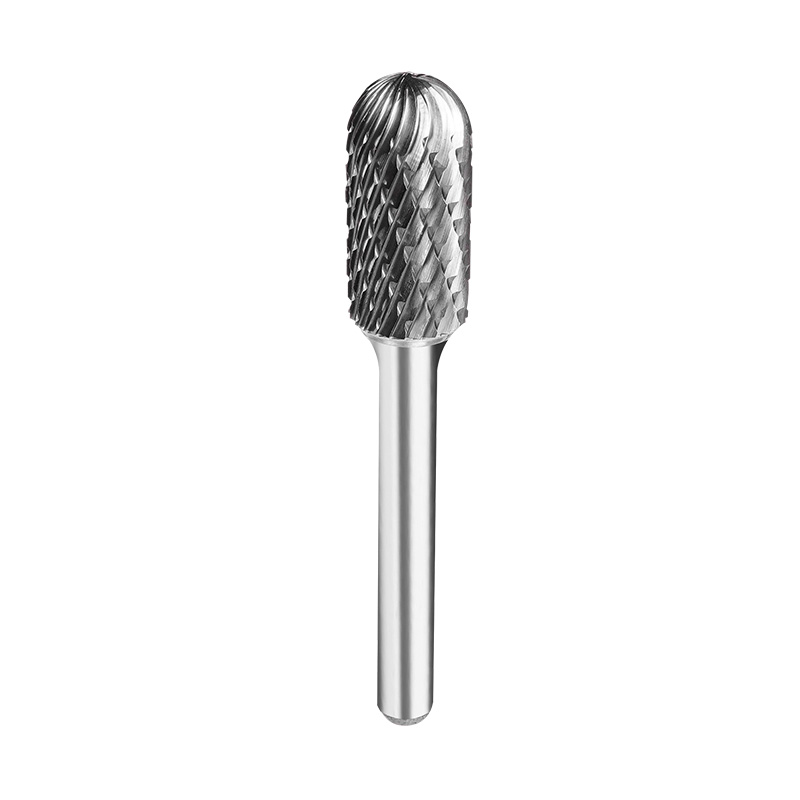
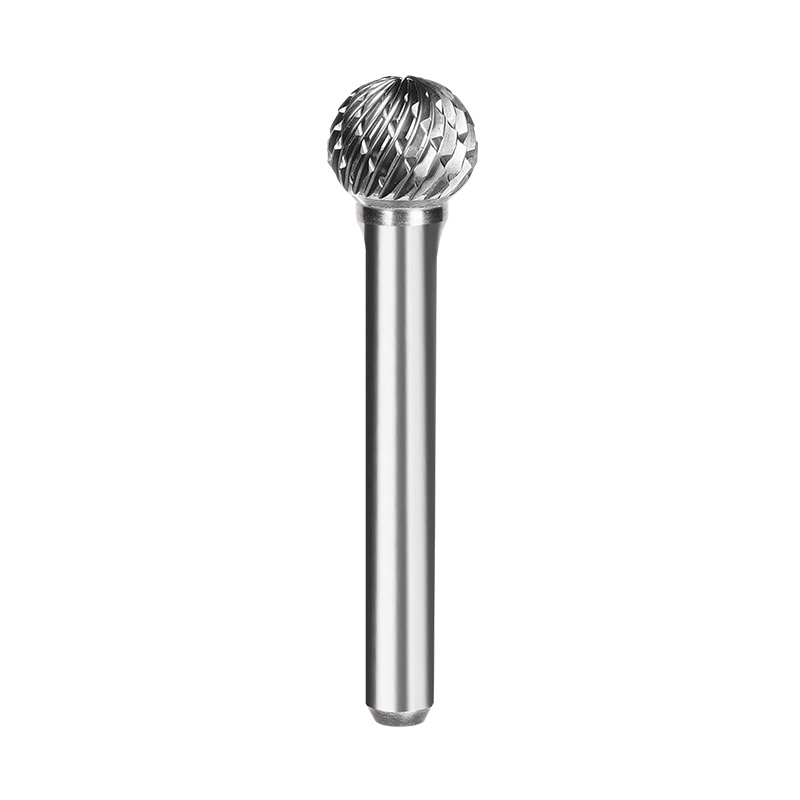
The geometry of the rotary tool, including flutes, cutting edges, and surface profiles, can influence wear resistance. Tools with well-designed cutting angles, balanced flutes, and sharp edges distribute cutting forces more evenly, reducing localized wear. Advanced designs that optimize chip evacuation further prevent clogging and abrasion, enhancing overall durability. Selecting rotary tools with good design for specific materials and tasks ensures wear resistance.
Enhancing the wear resistance of a Precision Rotary Tool requires a combination of high-quality materials, surface coatings, optimized cutting parameters, proper cooling, careful handling, and advanced tool geometry. By addressing these factors, operators in metalworking, woodworking, dental, and jewelry industries can achieve longer-lasting tools, consistent cutting performance, and improved operational efficiency. Implementing these practices not only protects the tool but also contributes to higher productivity and better-quality results.
Cooperate with us now
contact Us
Characteristic Industrial Park, Furong Town, Yueqing City, Zhejiang Province, China.
+86-13757799073
+86-13587713956

Wholesale Carbide Rotary Burs Factory