 English
 Español
 Inquiry
Sourcing solid carbide burs for OEM work isn't just about getting the lowest quote. These rotary cutting tools handle deburring, precision machining, weld removal, contouring, surface finishing. And small inconsistencies in geometry or material quality can mess with machining efficiency, finished-part quality, production costs. So OEM buyers need to evaluate product quality, dimensional accuracy, cutting performance, supplier reliability. That's more than comparing unit prices. You've got to look at technical specs, quality control, customization capabilities, production capacity, long-term supply consistency. Here's what to check before placing an order.
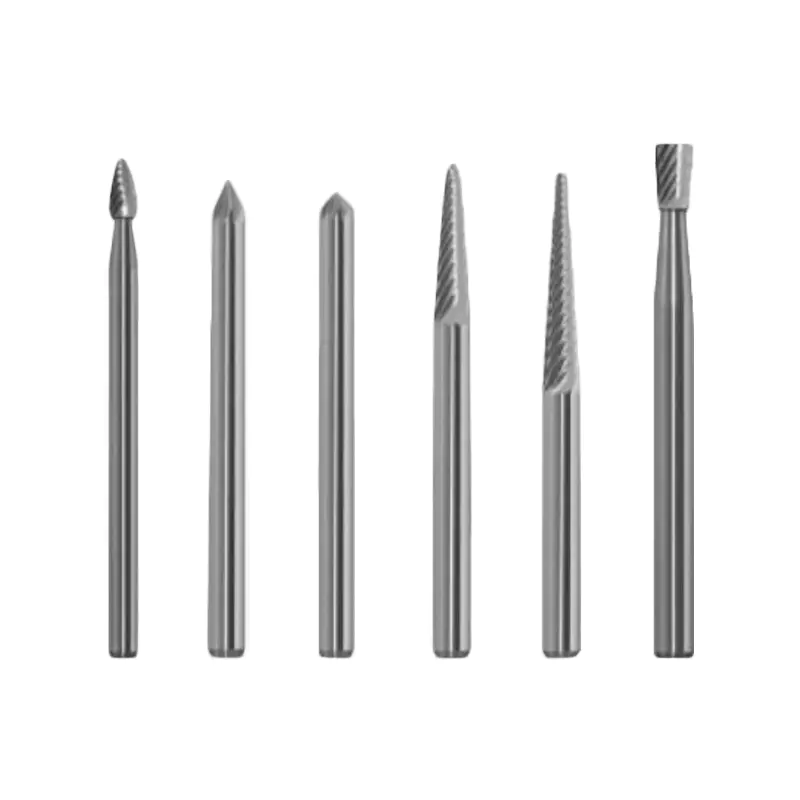
Raw material drives a bur's hardness, wear resistance, toughness, cutting performance. Solid carbide burs typically use tungsten carbide-based materials with a metallic binder. Composition and grain structure vary by application. A wear-resistant grade might suit abrasive jobs. A tougher grade handles higher mechanical loads on the cutting edges. The right balance depends on workpiece material, cutting conditions, bur geometry.
Ask manufacturers about carbide grade specs, raw material sourcing, incoming material inspection. Material certificates or inspection records help establish traceability and verify consistency between batches. Don't evaluate material quality solely by hardness claims. Hardness is one factor. Excessive hardness without suitable toughness increases edge chipping risk under demanding conditions.
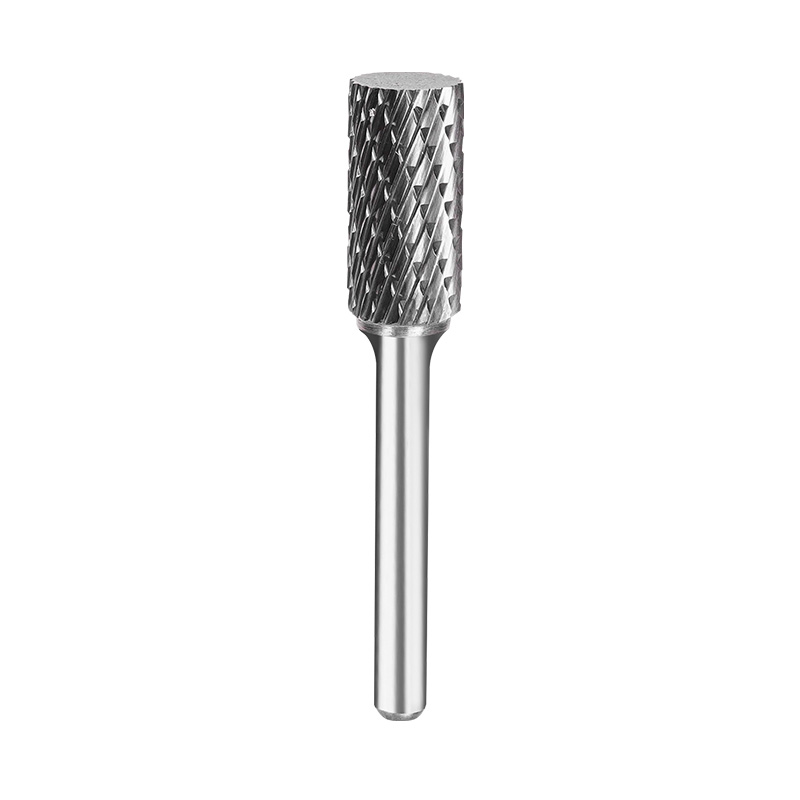
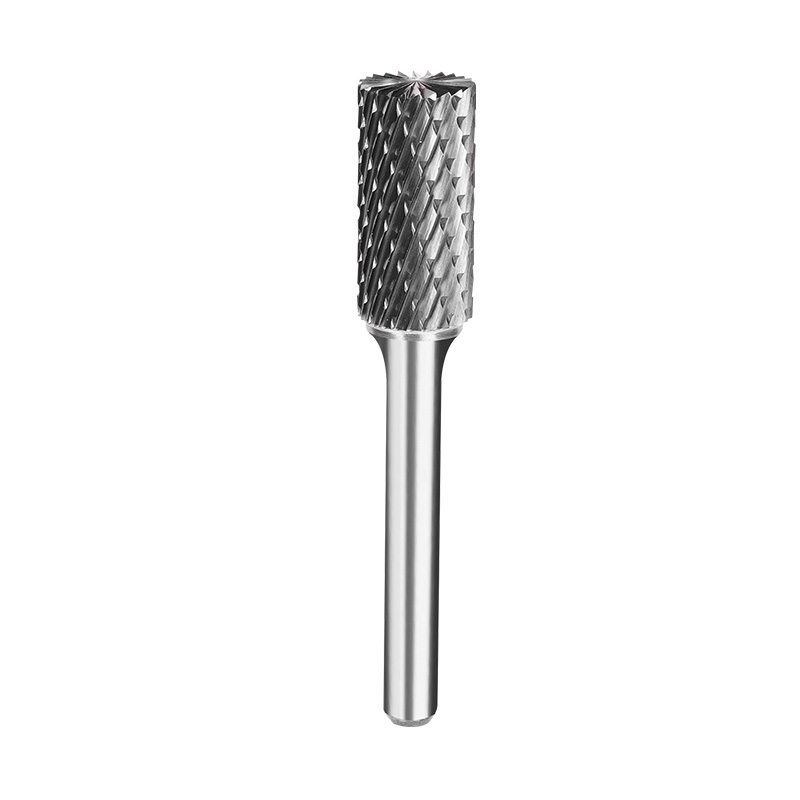
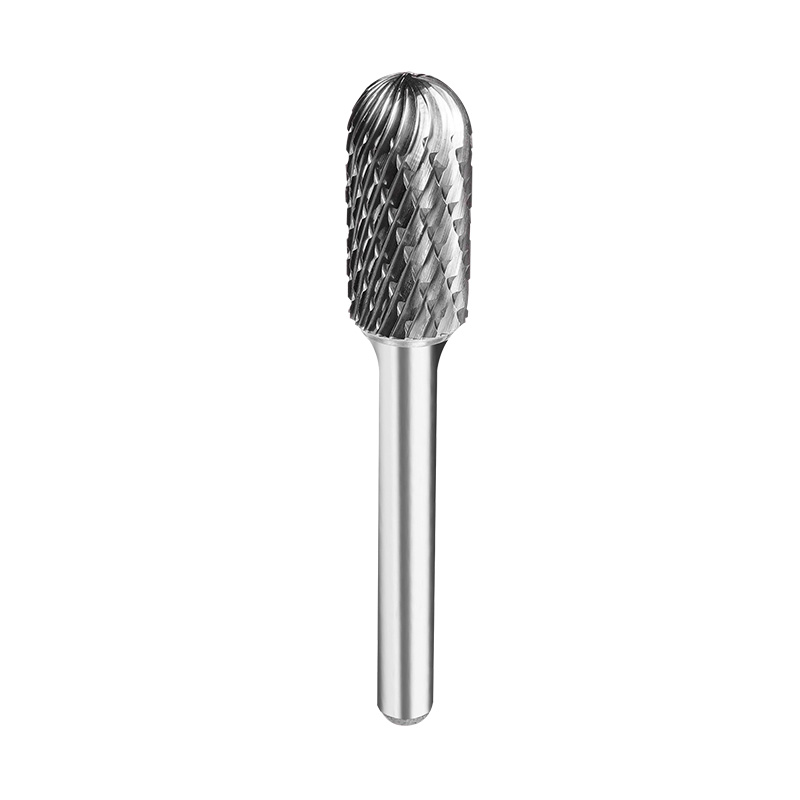
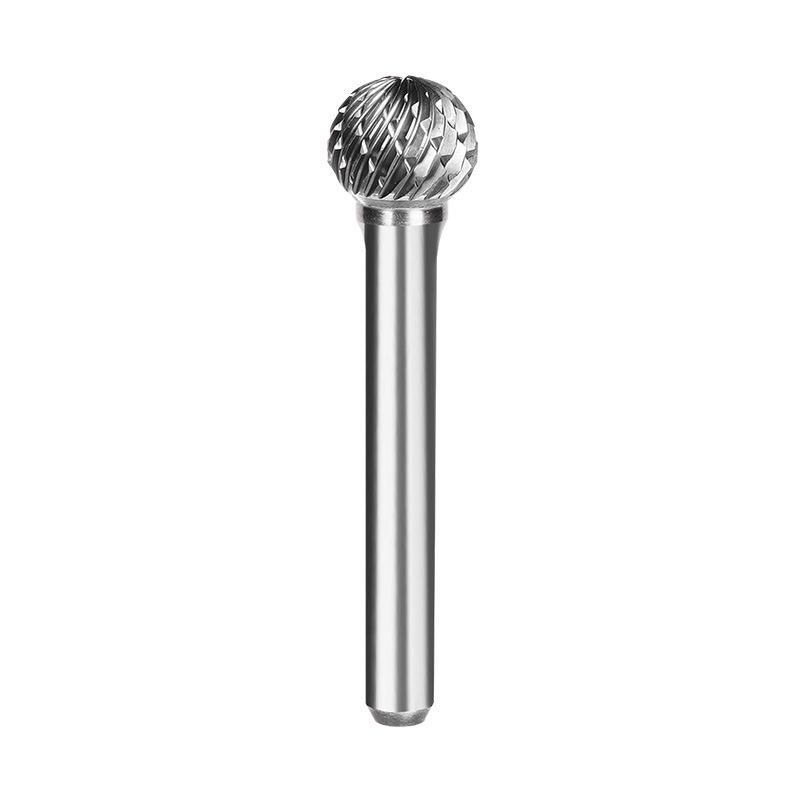
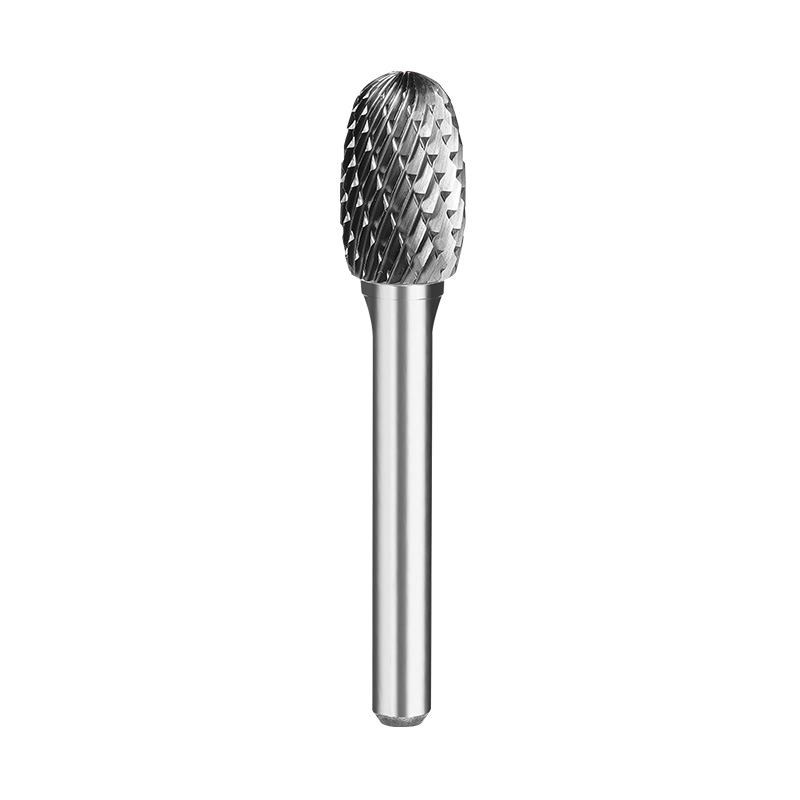
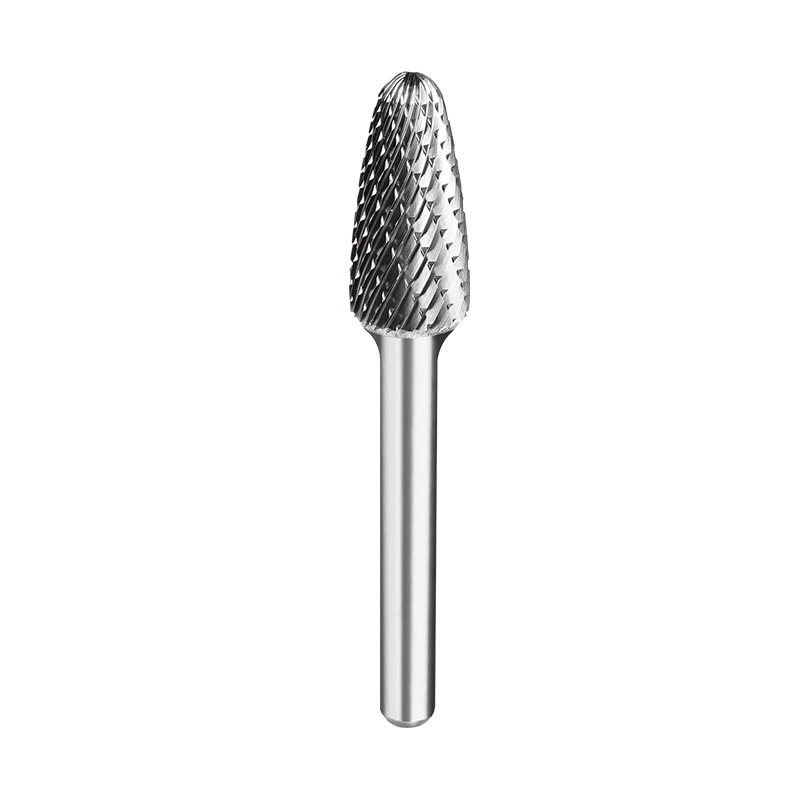
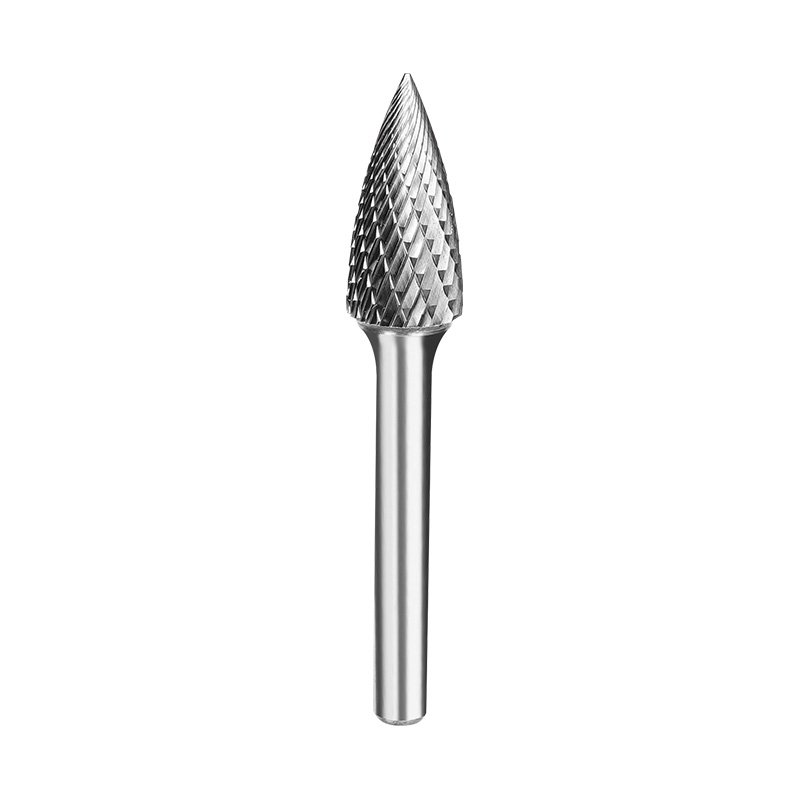
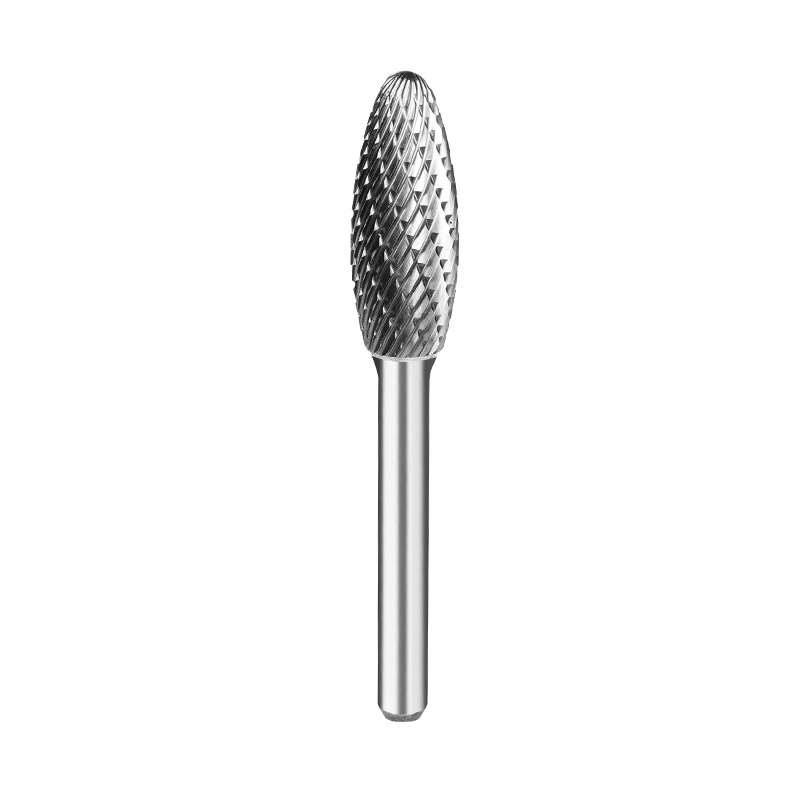
Cutting geometry determines how a bur removes material, evacuates chips, produces a finished surface. Common shapes: cylindrical, ball, oval, flame, tree, pointed. Different tooth patterns suit specific materials and cutting requirements.
Before requesting a quote, prepare a detailed technical drawing or spec covering:
Dimensional consistency matters for OEM applications using automated equipment or standardized tool holders. Variations in shank diameter, concentricity, or head dimensions affect tool fit, vibration, machining results. Ask how critical dimensions are measured and how often inspected. A documented inspection process beats a general statement that products meet high-quality standards.
Samples let you assess whether a manufacturer's claims translate into actual machining performance. Before approving mass production, test representative burs under conditions similar to the intended application. Evaluate cutting efficiency, chip evacuation, vibration, heat generation, surface finish, tool wear. For demanding applications, run repeated tests across multiple samples to identify performance variation.
| Evaluation Factor | What OEM Buyers Should Check | Why It Matters |
|---|---|---|
| Carbide quality | Material specifications and traceability | Supports consistent wear resistance and toughness |
| Dimensional accuracy | Head dimensions, shank size, and tolerances | Helps ensure fit and machining stability |
| Cutting performance | Material removal, chip flow, and surface finish | Determines practical machining efficiency |
| Tool life | Wear rate and cutting-edge durability | Influences replacement frequency and operating costs |
| Manufacturing consistency | Differences between samples and batches | Reduces variation in production |
| Packaging and labeling | Protection, identification, and batch information | Supports storage, traceability, and inventory control |
Document test conditions—machine speed, feed pressure, workpiece material, operating duration. These factors significantly influence performance, so consistent test conditions are essential when comparing suppliers.
A good manufacturer has a repeatable process for controlling quality throughout production. Incoming material inspections, machining checks, dimensional verification, finished-product inspection, procedures for handling nonconforming products. Ask whether the supplier keeps inspection records and can trace finished products to production batches. Where appropriate, review measurement equipment, inspection methods, defect investigation processes. Clarify how the manufacturer handles corrective actions when products fail to meet specs. A clear process for identifying causes, documenting improvements, preventing recurrence reduces the risk of repeated quality problems. Any claimed quality certification should be checked for validity, scope, relevance to the manufacturing facility supplying the order. Certification shows a management system has been assessed. It doesn't replace product-specific inspection and performance testing.
OEM projects may need customized head geometries, cutting patterns, dimensions, packaging, private-label branding. Not every manufacturer has the same engineering resources or production flexibility. Before selecting a supplier, confirm which specs can be customized and which are restricted by existing tooling or manufacturing processes. Ask about prototype availability, sample lead times, drawing approval, procedures for controlling engineering changes. Packaging and labeling should be agreed in advance. Clear product codes, batch identification, consistent packaging help buyers manage inventory and prevent similar-looking tools from getting mixed during distribution or production. For customized orders, approve a reference sample or documented spec before mass production. That gives you a shared baseline for evaluating subsequent batches.
The lowest purchase price doesn't necessarily produce the lowest operating cost. A bur that wears quickly or needs frequent replacement increases downtime, labor expenses, finished-part rework. Compare suppliers using expected cost per machining task. Unit price, tool life, productivity, defect rates, replacement frequency. Sample testing and controlled production trials help establish a more realistic comparison. Supply reliability matters for OEM operations. Ask about normal production lead times, minimum order quantities, capacity during peak periods, raw material availability, procedures for managing unexpected delays. For recurring orders, confirm how the manufacturer maintains consistent specs across batches. A supplier's ability to communicate production risks early and provide accurate delivery updates is valuable—especially when tooling availability affects scheduled manufacturing output.
Before committing to a long-term supplier, combine technical verification with practical performance testing and a review of manufacturing capabilities. Start with a clear spec. Evaluate samples under representative machining conditions. Document acceptance criteria before approving production. The strongest sourcing decision balances carbide quality, dimensional precision, cutting performance, traceable quality control, customization support, dependable delivery. Establishing these requirements at the beginning helps OEM buyers reduce procurement risk and maintain consistent machining results throughout the product lifecycle.
Cooperate with us now
contact Us
Characteristic Industrial Park, Furong Town, Yueqing City, Zhejiang Province, China.
+86-13757799073
+86-13587713956

Wholesale Carbide Rotary Burs Factory