 English
 Español
 Inquiry
Carbide rotary burs get used for deburring, contouring, weld removal, material shaping, surface prep. How well they cut depends on carbide grade, flute geometry, cutting speed, feed pressure, compatibility with the workpiece. When those factors don't line up, you get clogged flutes, fast wear, excessive heat, vibration, rough finishes. Figuring out the cause helps machinists and maintenance teams boost productivity, extend tool life, and get more consistent results. Often the fix is just adjusting parameters or picking a cutter geometry that suits the job better.
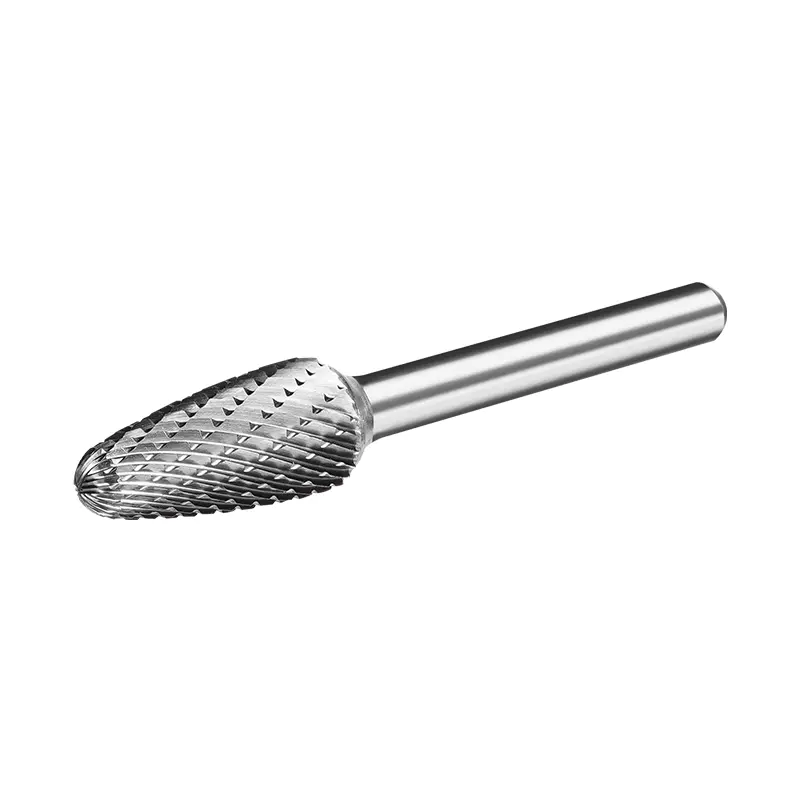
Clogging happens when material builds up between cutting edges and blocks chips from leaving the flutes. Soft, ductile stuff like aluminum is a common culprit—it sticks to cutting edges under the wrong conditions. As gunk covers the edges, the bur stops removing stock effectively. Operators push harder, friction and heat climb, wear accelerates.
Things that contribute to clogging:
Choosing the right cut style is a good starting point. Single-cut burs often work for general stock removal. Double-cut designs give better control and a finer cut in many applications. Actual performance depends on material, tooth geometry, tool design.
Carbide is hard and wear-resistant, but not invincible. Premature wear comes from excessive heat, wrong cutting parameters, vibration, abrasive workpiece materials, poor tool handling.
One frequent cause is running at the wrong rotational speed. Too fast generates heat and accelerates wear. Too slow with heavy pressure means rubbing instead of cutting. The correct range depends on bur diameter, cutter design, workpiece material, equipment.
Excessive pressure creates another problem. Rotary burs remove material through cutting edges. Pushing too hard overloads teeth, damages the cutter, increases chipping risk. Tool quality and workpiece characteristics matter too. Carbide grade, tooth sharpness, manufacturing consistency, material abrasiveness—all influence service life.
| Problem | Common cause | Practical corrective action |
|---|---|---|
| Flutes clogged with material | Poor chip evacuation or unsuitable cut style | Select suitable flute geometry and clear accumulated chips safely |
| Cutting edges become dull quickly | Excessive heat, abrasive material, or unsuitable parameters | Verify the recommended speed and feed conditions |
| Teeth chip or break | Excessive pressure, impact, or vibration | Reduce loading and inspect the setup |
| Tool produces chatter marks | Excessive tool projection, runout, or unstable workholding | Improve rigidity and check tool alignment |
| Surface finish becomes rough | Worn edges, clogging, or inconsistent feeding | Inspect the bur and adopt a controlled finishing pass |
| Bur overheats | Excessive friction or prolonged contact in one location | Adjust speed and pressure according to the manufacturer's guidance |
A bad finish shows up as deep grooves, uneven contours, chatter marks, scratches, localized discoloration. These usually mean tool condition, machine stability, or technique issues. A bur with worn or damaged teeth can't cut consistently. Instead of removing material cleanly, it rubs or leaves irregular marks. Clogged flutes do something similar by interfering with chip removal.
Machine stability is equally important. Excessive runout, a poorly secured shank, worn collet components, insufficient workpiece clamping—all cause vibration. That leaves uneven marks and can damage cutting edges. Finishing technique matters too. Aggressive stock removal in a single pass produces an irregular surface, especially on curved profiles and narrow edges. After removing bulk material, inspect the workpiece and use a suitable finishing approach with controlled pressure.
Different materials need different cutting characteristics. Picking a bur based only on diameter or price leads to unnecessary wear and inconsistent results.
For aluminum and other soft, ductile metals, a geometry that promotes efficient chip clearance helps reduce clogging. Stainless steel and harder alloys may need a suitable carbide grade and cutting pattern that balances stock removal with edge durability. Cast iron and abrasive materials create different wear conditions because chip formation and abrasiveness differ.
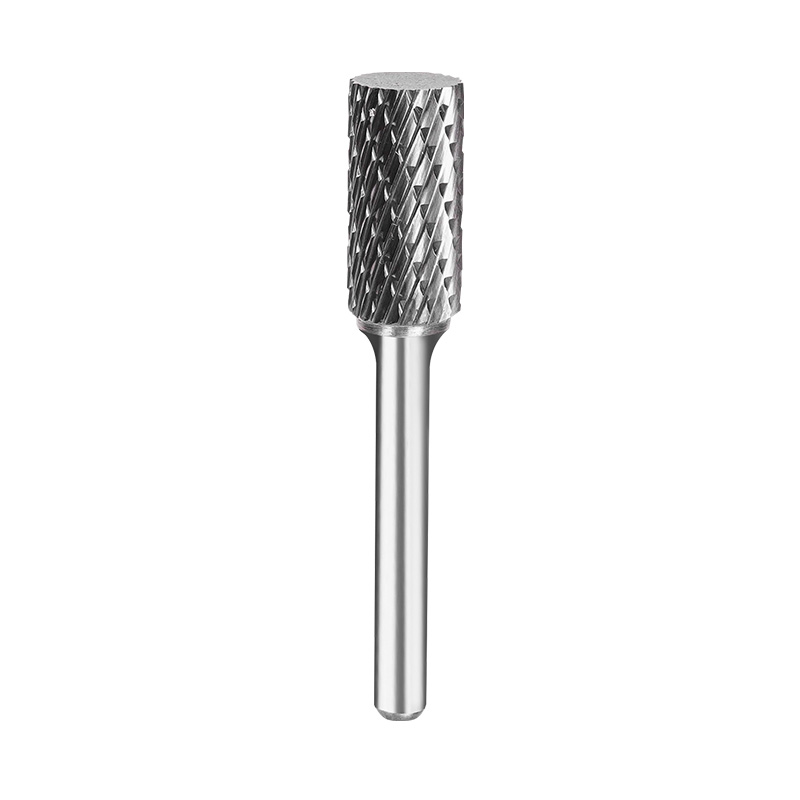
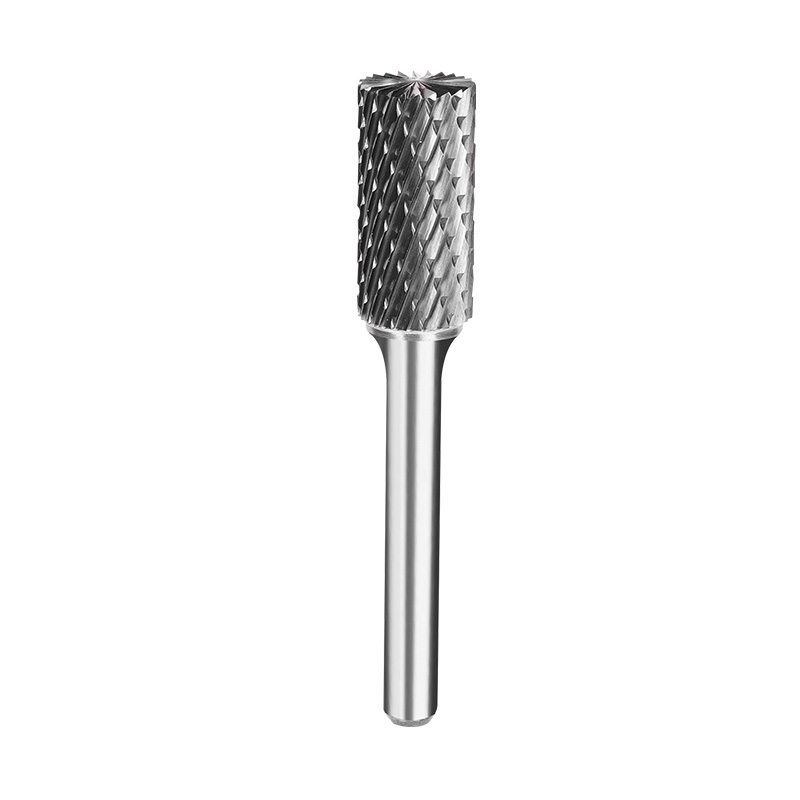
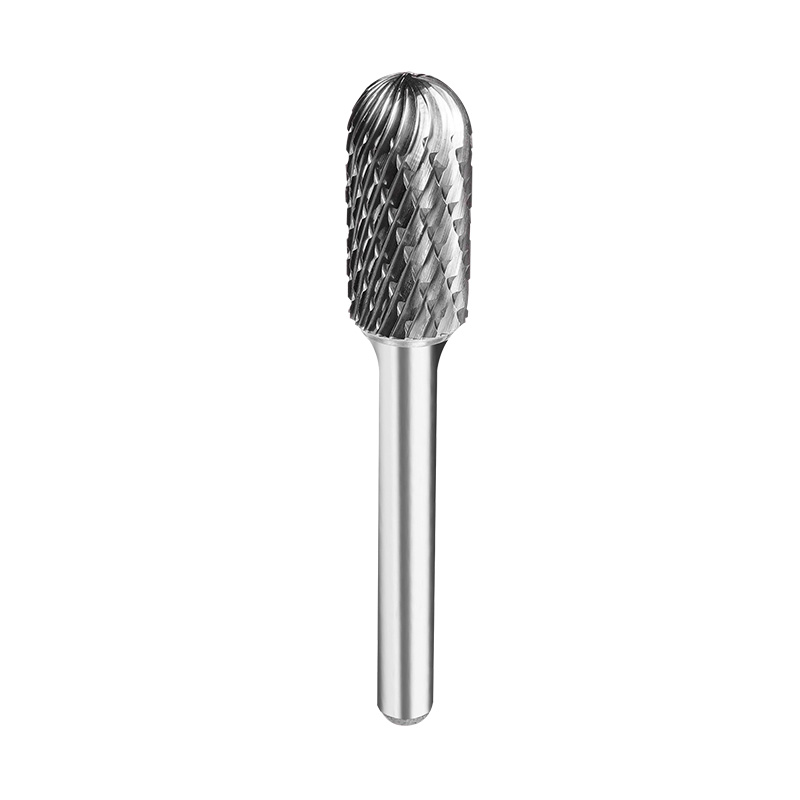
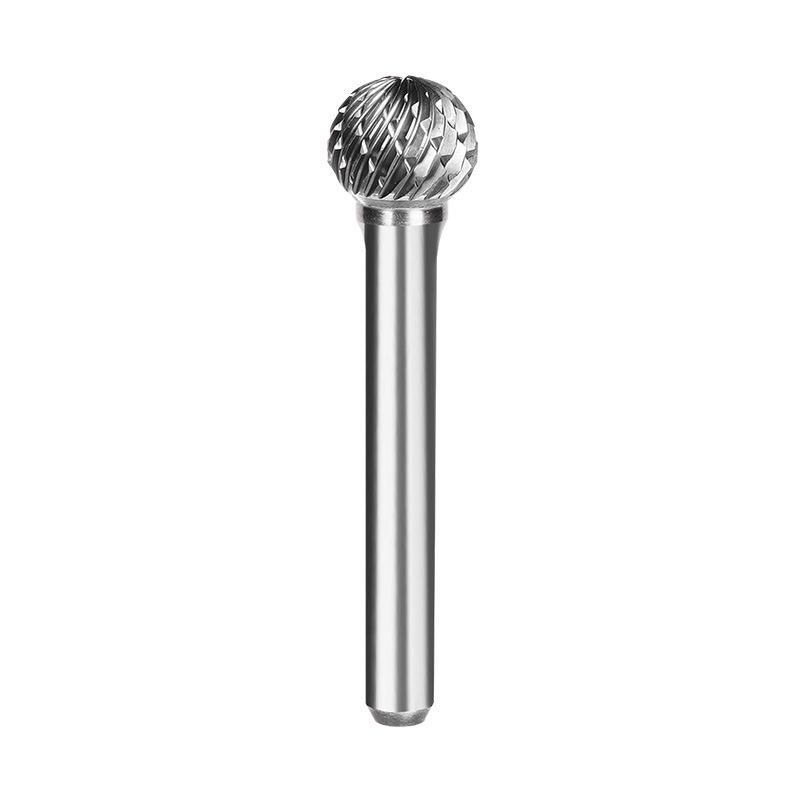
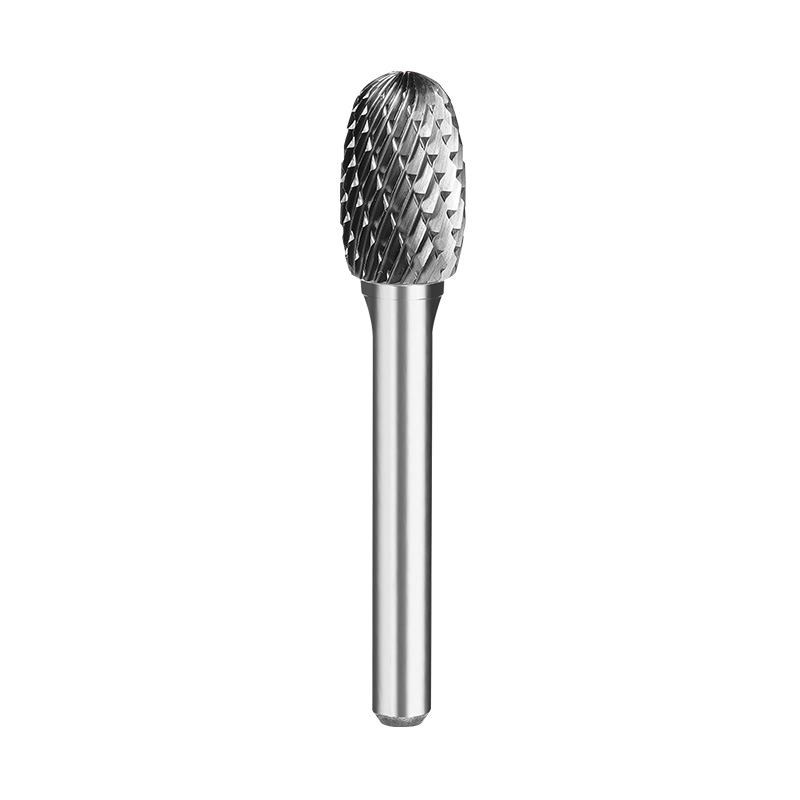
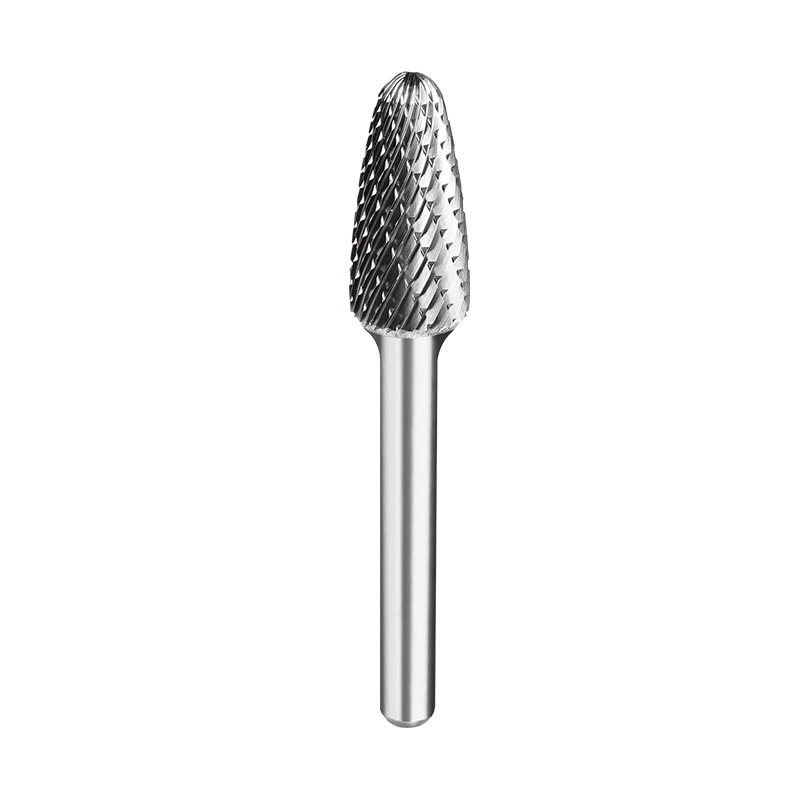
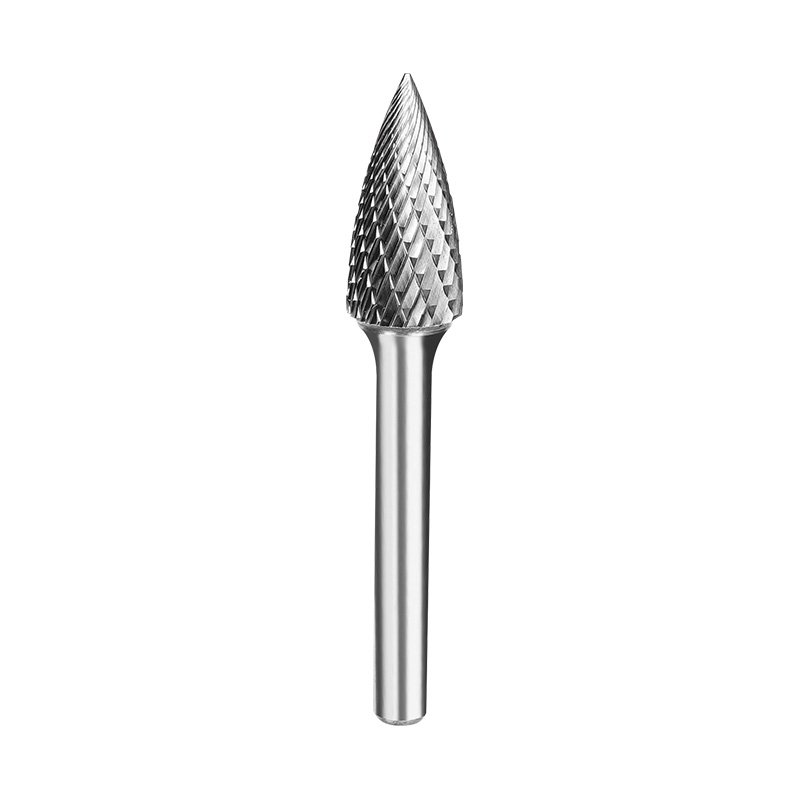
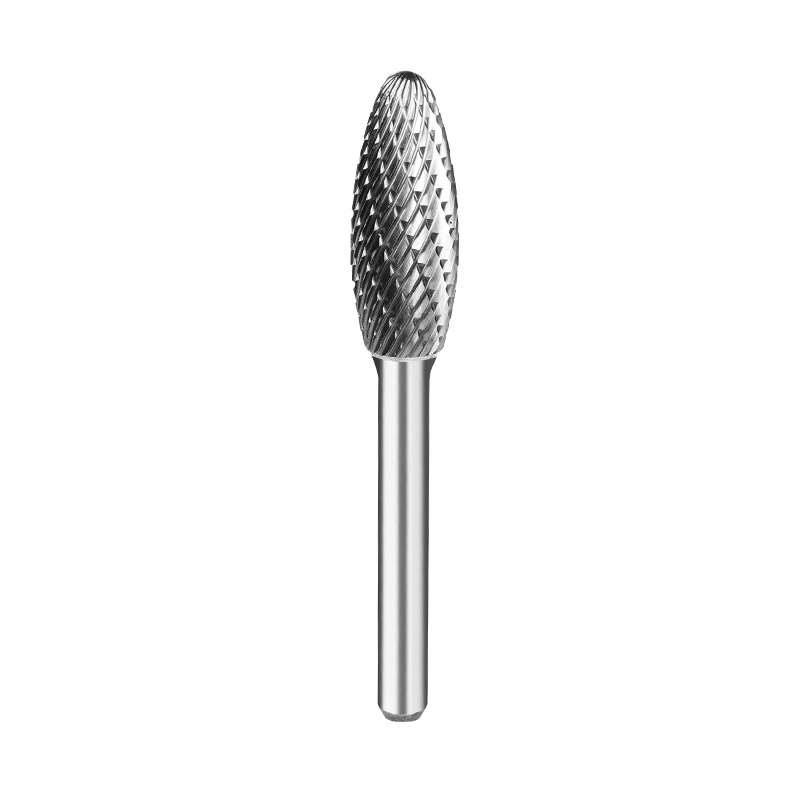
Workpiece shape influences tool selection. A cylindrical bur suits flat surfaces and shoulders. A ball-shaped bur works for curved contours and recessed areas. Flame, tree, and pointed designs provide access to different profiles and restricted spaces. Before buying, compare cutter shape, diameter, cut style, carbide spec, recommended applications. A supplier with clear technical documentation helps you pick an appropriate tool.
Consistent practices prevent many common problems. Check the bur for damaged teeth, built-up material, uneven wear. Confirm the shank is compatible with the tool holder and the collet grips it securely.
Follow the manufacturer's recommended rotational speed for the specific bur diameter and application. Maintain controlled pressure and let the cutting edges do the work. Excessive force damages the tool without proportionally increasing material removal. Keep the workpiece firmly secured. Minimize unnecessary tool projection to reduce vibration.
When clogging occurs, stop the equipment before inspecting or cleaning the cutter. Never remove accumulated material while the bur is rotating. Wear appropriate eye and face protection. Follow the tool manufacturer's safety instructions. Don't exceed the maximum rated speed. A damaged bur should be removed from service if its integrity is uncertain.
Reliable cutting performance comes from matching bur geometry and carbide quality to the workpiece, maintaining suitable operating conditions, using a stable machine setup. Clogging usually points to chip evacuation or material-selection issues. Premature wear and poor finishes may indicate excessive heat, damaged cutting edges, vibration, or incorrect feed pressure. For manufacturers and industrial buyers, reviewing product specs, application guidance, quality consistency, supplier support helps reduce tooling problems. Regular inspection and controlled operating practices further improve surface quality and tool life across repetitive machining operations.
Cooperate with us now
contact Us
Characteristic Industrial Park, Furong Town, Yueqing City, Zhejiang Province, China.
+86-13757799073
+86-13587713956

Wholesale Carbide Rotary Burs Factory