 English
 Español
 Inquiry
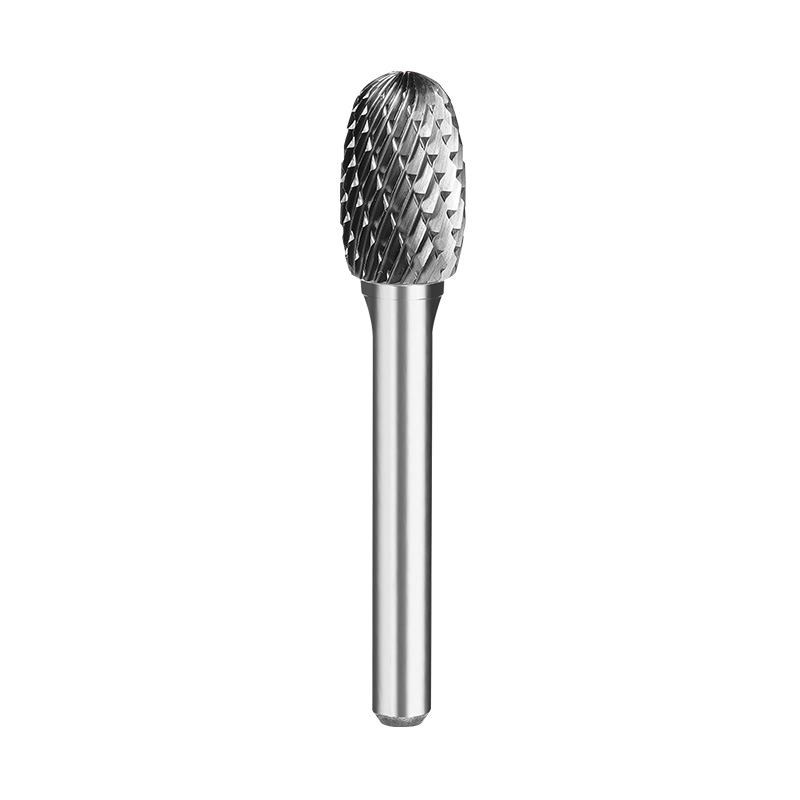
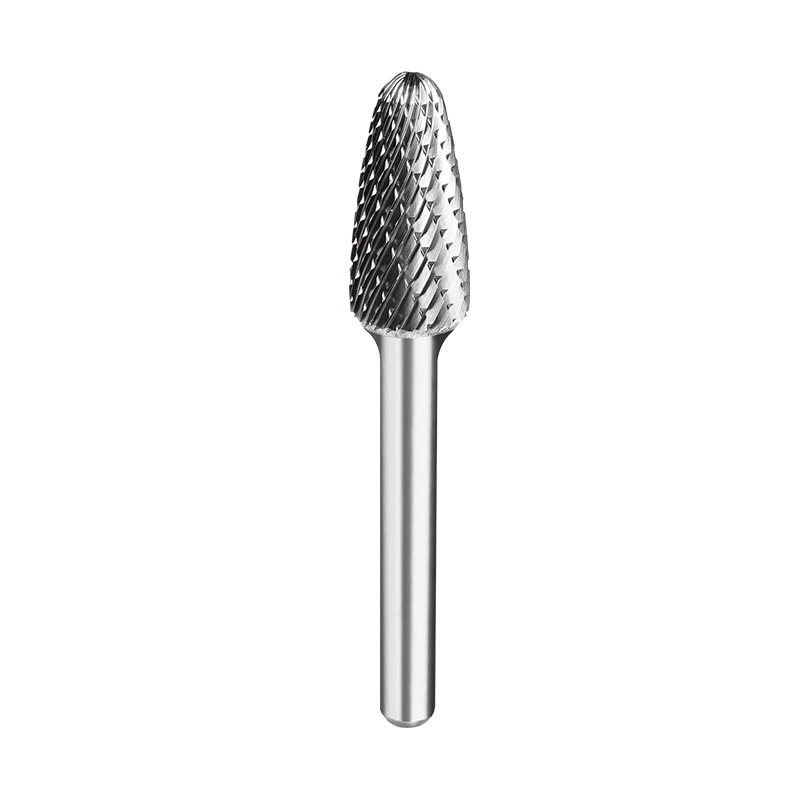
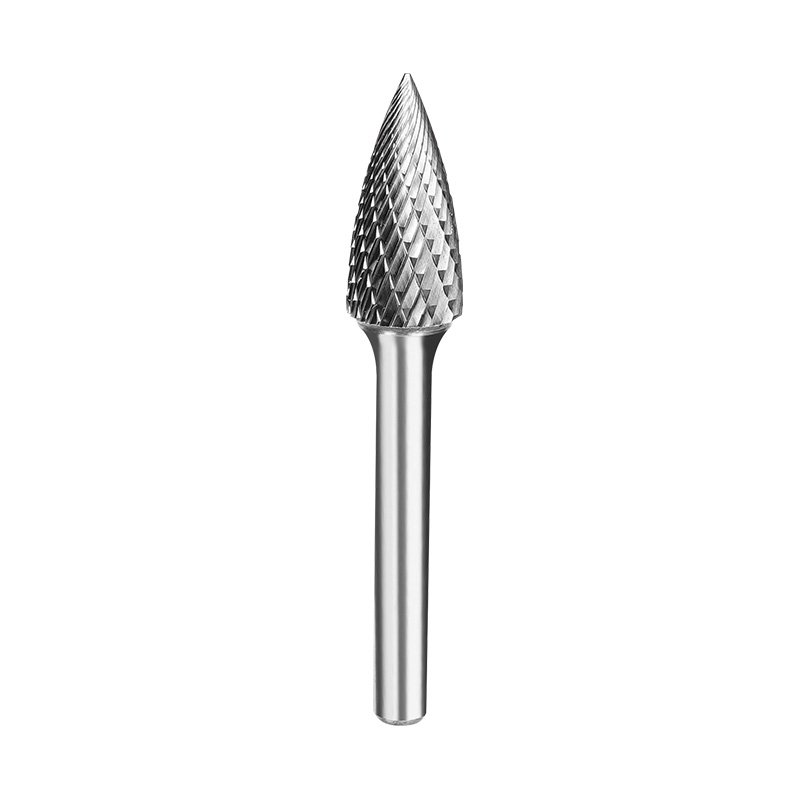
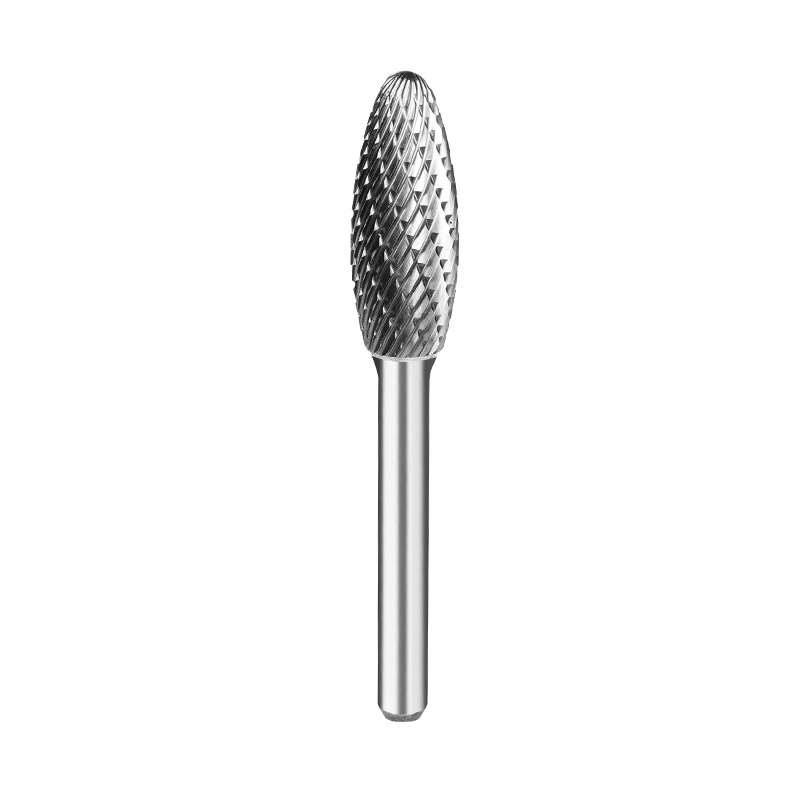
Endmills are used for far more than cutting slots. Depending on their shape, they can machine pockets, form profiles, follow curved surfaces, and remove large amounts of stock. The cutter chosen for a job affects the finish, dimensional accuracy, machining time, and how long the tool lasts.
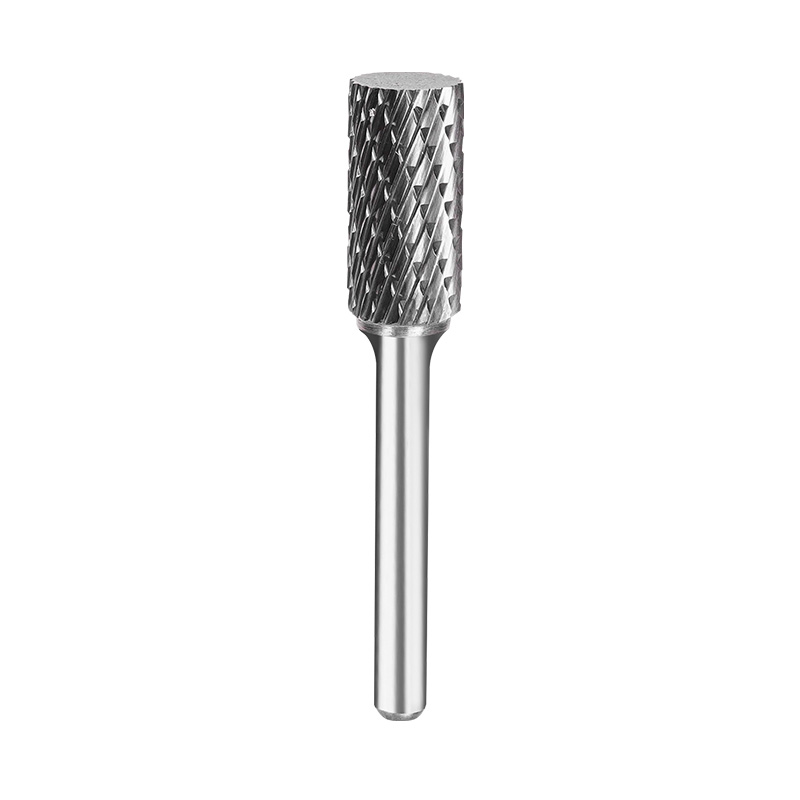
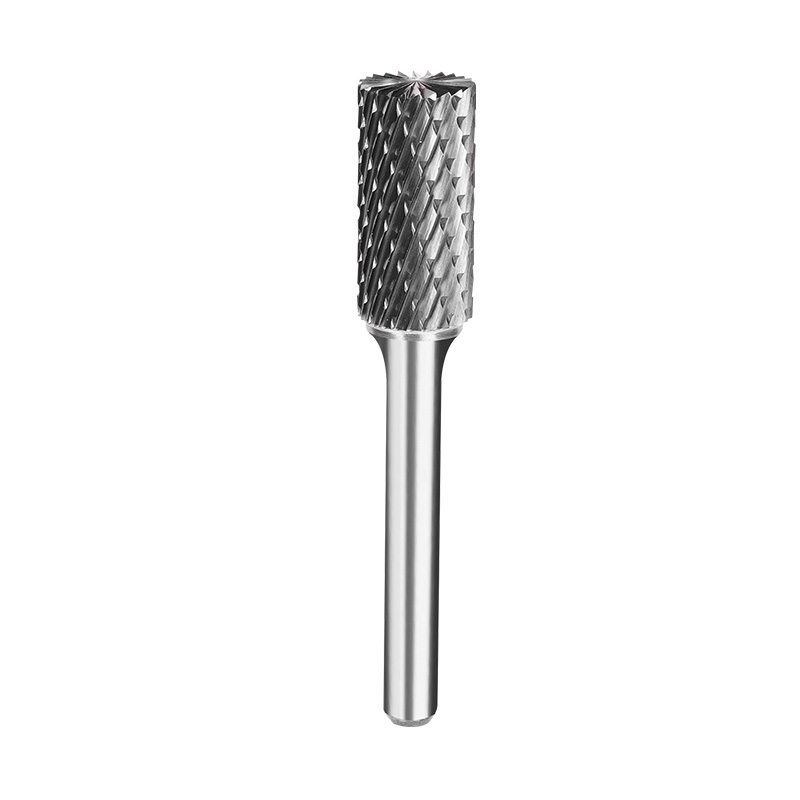
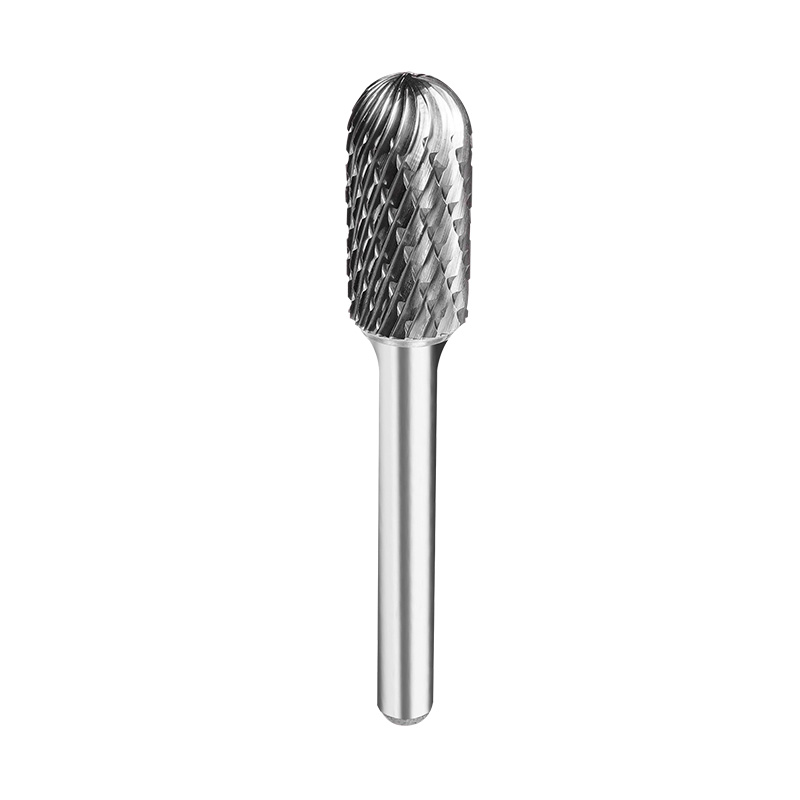
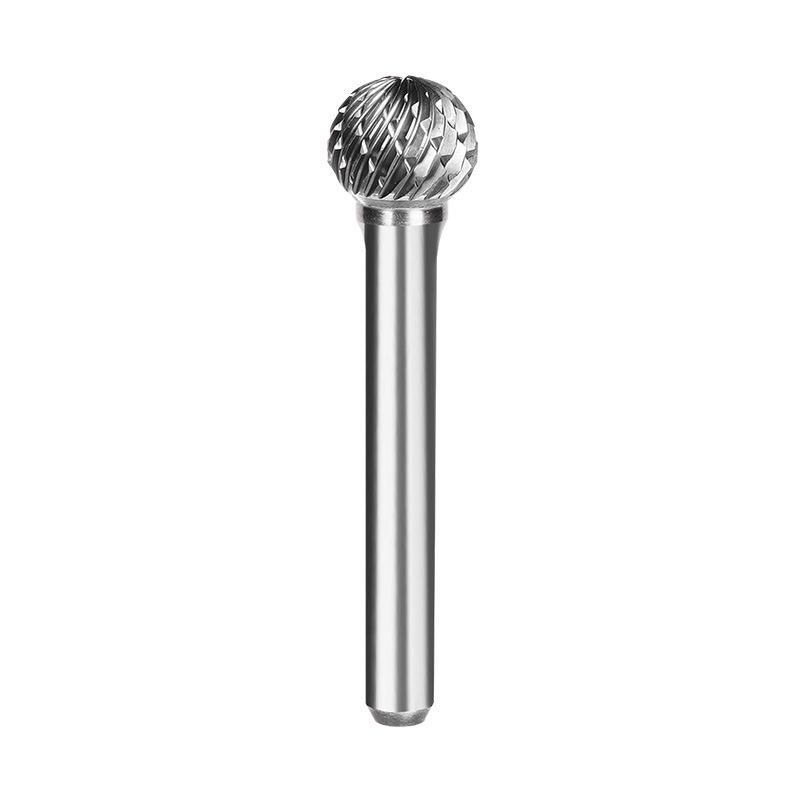
The main Types of Endmills differ in their cutting ends, flute geometry, and intended use. Knowing these differences makes tool selection easier, whether the job involves general milling, mold making, or high-volume production.
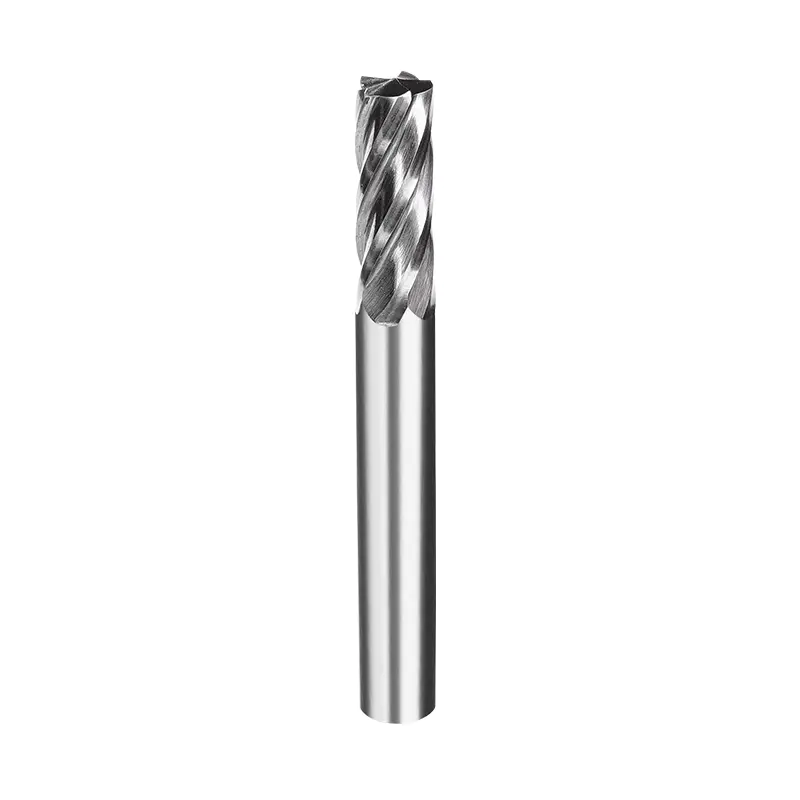
Flat Endmills for General CNC Milling
Flat endmills, also called square endmills, have a flat tip and square cutting corners. They are commonly used for everyday milling work, particularly where the part requires flat surfaces or sharp internal corners.
Flute count affects how the cutter handles chips and cutting loads. Two-flute tools leave more space for chip removal and are often used on softer materials such as aluminum. Four-flute designs provide more cutting edges and are commonly used when machining steel and other harder materials.
Ball Nose Endmills for Curved Surfaces
Instead of a flat tip, a ball nose endmill has a rounded cutting end. This makes it suitable for curved surfaces, blended transitions, and complex three-dimensional shapes.
Mold and die work is a common application, as are sculpted components and contoured surfaces. The rounded tip follows the programmed toolpath without leaving the sharp transitions associated with a flat cutter.
One detail to account for is cutting speed at the tool tip. The effective speed approaches zero at the center of the radius. Stepover, toolpath direction, and cutting parameters all influence the resulting surface finish.
Corner Radius Endmills for Stronger Cutting Edges
A corner radius endmill has a small radius where the bottom and side cutting edges meet. Unlike a square endmill, it does not have a sharp corner that is as vulnerable to chipping under cutting loads.
These cutters are used for profiling, milling steel and stainless steel, and jobs where repeated cutting puts stress on the tool corners. The radius also needs to match the part drawing; using the wrong size can leave an unwanted edge on the finished component.
Roughing Endmills for Faster Material Removal
Roughing endmills have serrated or wavy cutting edges. Rather than producing long, continuous chips, the teeth break material into smaller sections during cutting.
They are useful when removing large amounts of stock from a workpiece. However, the machined surface is generally not ready for the final finish. A separate pass with a finishing cutter is often needed.
When choosing one, pay attention to tooth geometry, flute count, coating, and the manufacturer's cutting recommendations for the material being machined.
Tapered Endmills for Angled and Deep Features
A tapered endmill becomes narrower toward its tip. The shape gives the tool added rigidity and allows it to reach angled walls and certain deep or narrow features.
These cutters are often found in mold and die work, precision engraving, and components with sloped surfaces. Taper angle and cutting length need to correspond to the part geometry. A mismatch can affect the finished dimensions or prevent the tool from reaching the required area.
Compare the Main Types of Endmills
| Endmill type | Main geometry | Typical applications |
|---|---|---|
| Flat endmill | Flat cutting tip | Slots, pockets, shoulders |
| Ball nose endmill | Rounded cutting tip | 3D contours and curved surfaces |
| Corner radius endmill | Rounded cutting corners | Durable profiling and milling |
| Roughing endmill | Serrated cutting edges | High-volume material removal |
| Tapered endmill | Angled cutting body | Sloped walls and deep features |
Select Endmill Materials and Coatings for the Workpiece
Tool geometry is only part of the selection. The substrate and coating also affect how a cutter performs.
High-speed steel (HSS) endmills are relatively economical and offer useful toughness in certain lower-speed applications. Solid carbide cutters are harder and retain hardness at higher temperatures, making them widely used in CNC machining.
Common coatings include TiN, TiAlN, and AlTiN. Their performance depends on the workpiece, cutting temperature, coolant conditions, and machining parameters. Aluminum, for example, generally calls for sharp cutting edges and flute designs that allow chips to clear without sticking. Steel machining may call for greater wear resistance and a coating suited to higher cutting temperatures.
Choose the Right Endmill for Better CNC Results
Each cutter has a different job. Flat endmills handle slots and general milling, ball nose tools follow curved surfaces, corner radius cutters reduce corner wear, roughing endmills remove stock, and tapered designs reach angled features.
Before ordering, check the cutter diameter, flute count, cutting length, shank dimensions, substrate, and coating. Supplier recommendations are useful, but a production trial gives a more realistic indication of how the tool will perform. Surface finish, dimensional accuracy, chip removal, and tool life can then be assessed on the actual machine and workpiece.
Cooperate with us now
contact Us
Characteristic Industrial Park, Furong Town, Yueqing City, Zhejiang Province, China.
+86-13757799073
+86-13587713956

Wholesale Carbide Rotary Burs Factory