 English
 Español
 Inquiry
In many production spaces, small rotating tools carry a quiet but steady role. Among them, carbide rotary tools stand out for their ability to shape, refine, and adjust surfaces with control. Their designs are not random. Each form reflects a specific way of working with material, whether the goal is to remove, smooth, or reshape.
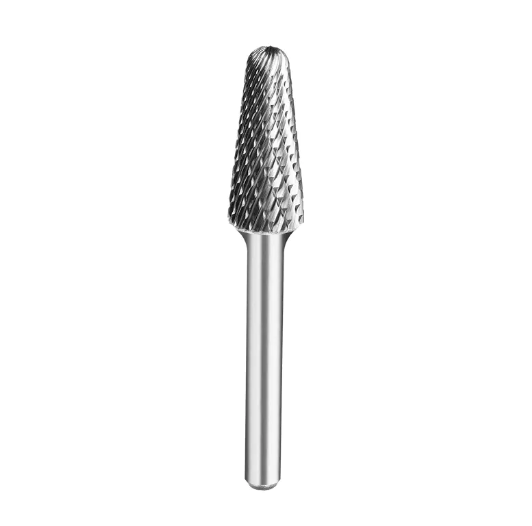
The variety of designs seen today did not appear all at once. They developed as users searched for better control, easier handling, and more consistent results. A closer look at these designs shows how subtle changes in shape can influence how a tool behaves in real use.
A design is more than the outer shape. It includes the form of the cutting head, the arrangement of the edges, and the overall balance of the tool. These elements work together during rotation.
The head shape determines contact with the surface. Edge patterns guide how material is removed. The length and thickness of the body influence stability. Even small differences can change how a tool feels during use.
Design is often a response to practical needs. When a task requires access to narrow areas, the tool becomes slimmer. When a surface needs gentle shaping, the edges are arranged differently. This link between need and design drives the variety seen in factories and workshops.
Shape controls movement. A tool with a rounded head behaves differently from one with a flat end. The way it touches the surface affects both speed and control.
Workers often choose shapes based on the task at hand. A narrow form can reach into tight spaces. A wider form can cover larger areas with fewer passes. Some shapes allow smooth transitions between surfaces, which is useful when working on curves.
Different shapes also affect how pressure is applied. A pointed design concentrates force in a small area. A broader design spreads it out. This can change the final surface without altering the overall process.
Although many variations exist, several shapes appear more frequently. These designs have become familiar because they match common tasks.
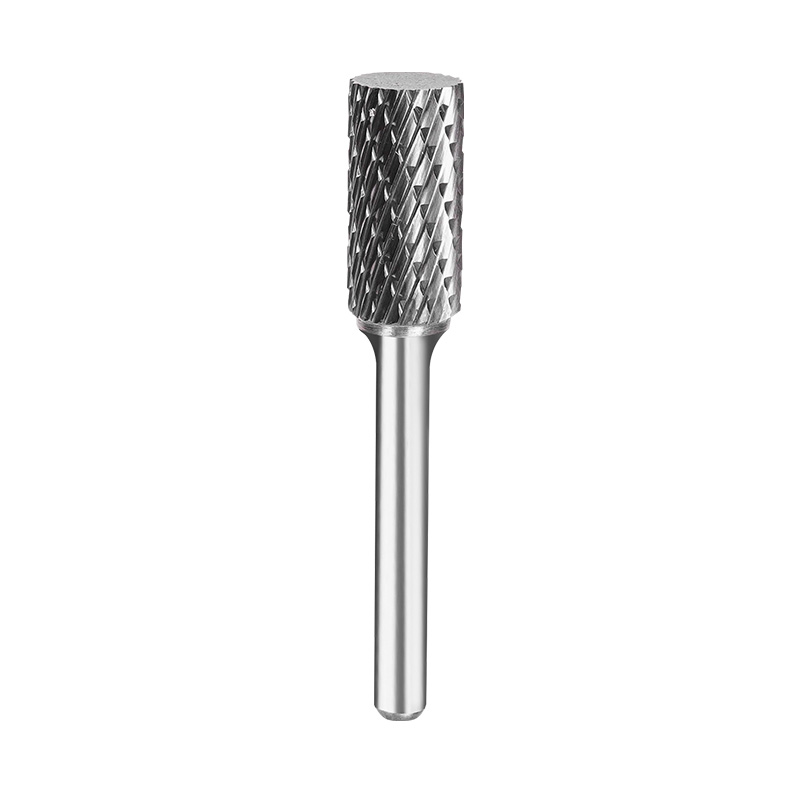
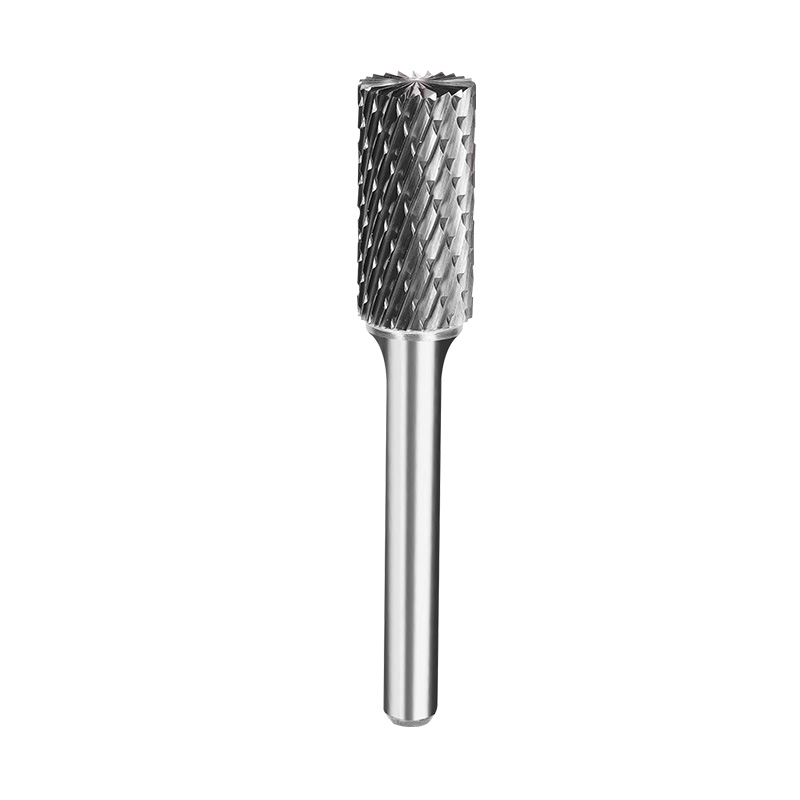
1.Cylindrical shape
This design has straight sides and a flat or slightly rounded end. It is often used on flat surfaces or along straight edges. The shape allows steady contact and controlled movement.
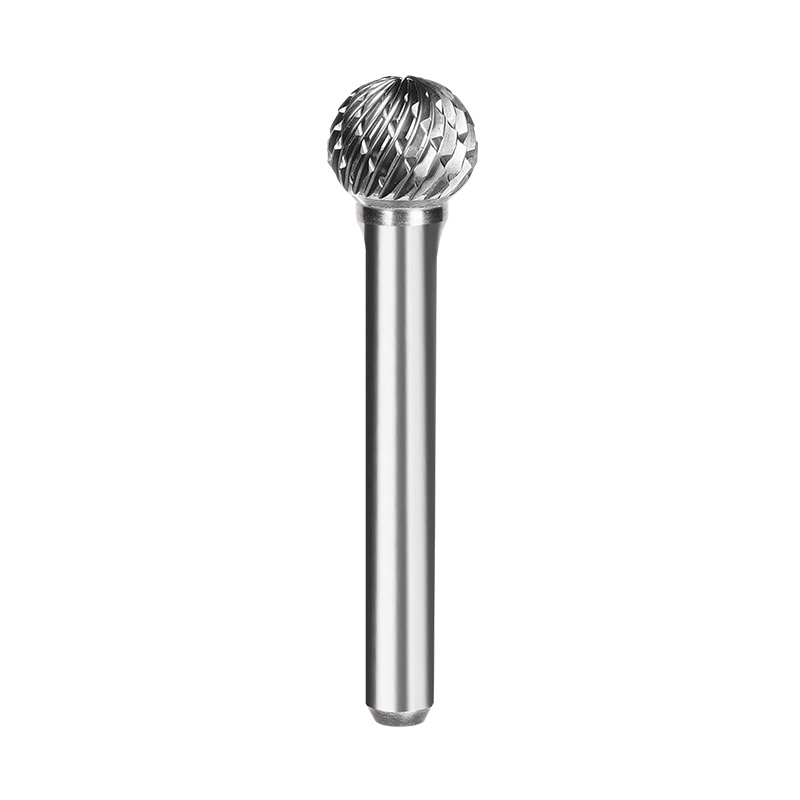
2.Ball shape
A rounded head creates smooth contact with curved surfaces. It is useful for blending edges and creating gradual transitions. The movement feels more fluid compared to sharper forms.
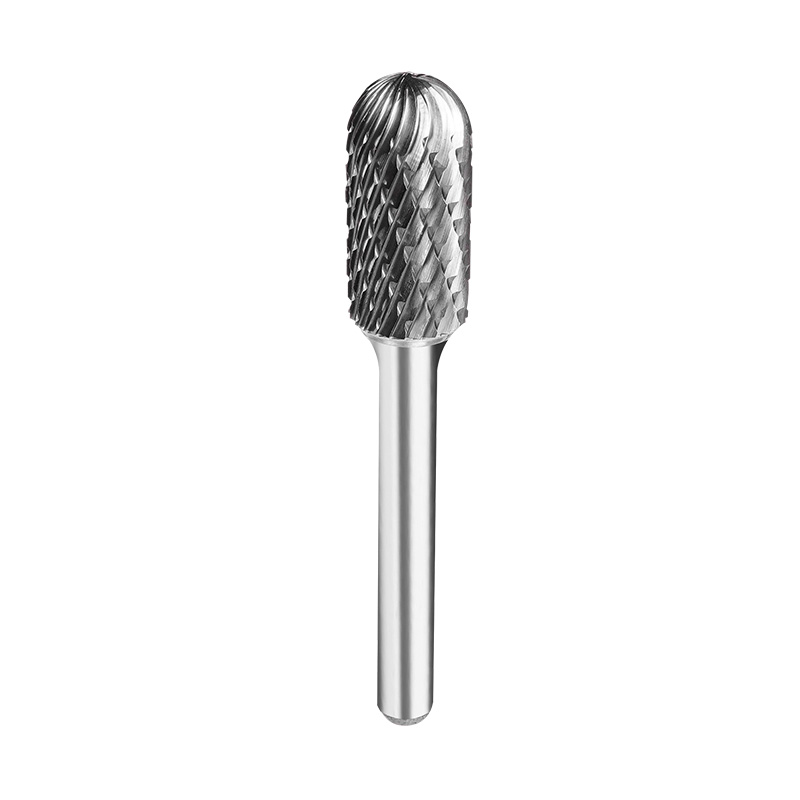
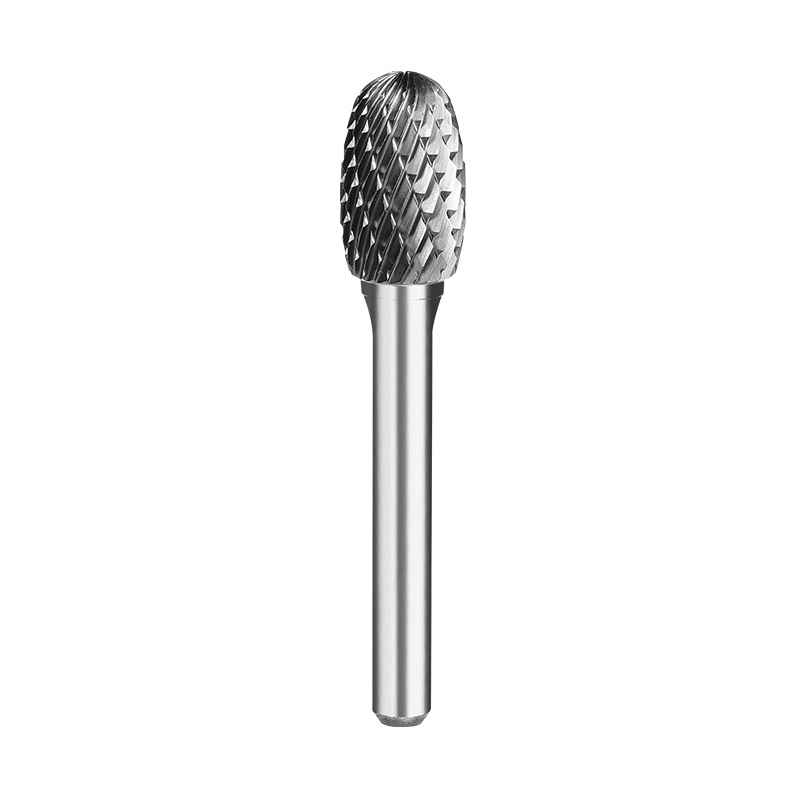
3.Oval shape
This form combines features of rounded and elongated designs. It can reach into spaces while still maintaining a smooth cutting action. It is often chosen for areas that require both access and gentle shaping.
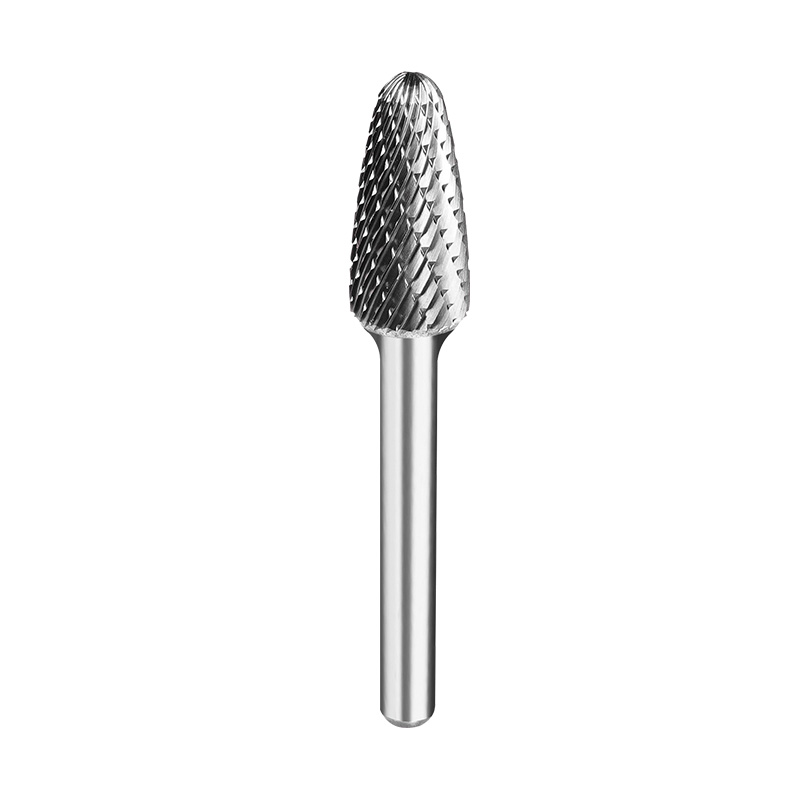
4.Tree shape
The profile tapers toward the tip. This allows the tool to enter narrow openings and expand the working area gradually. It is commonly used for shaping internal contours.
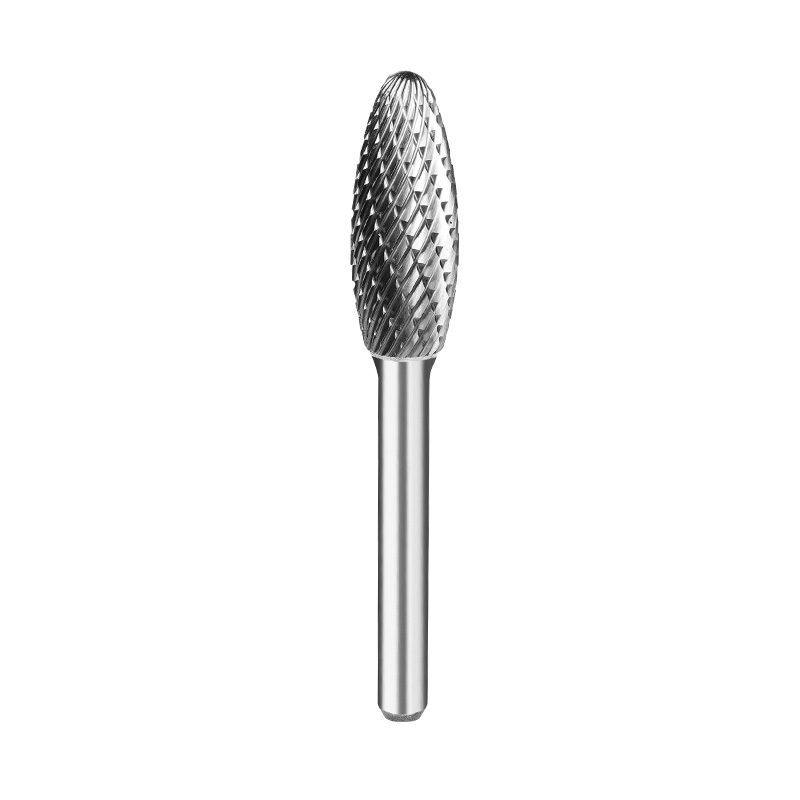
5.Flame shape
The design narrows at one end and widens toward the middle. It offers a balance between precision and coverage. The form is suitable for refining edges and working along curves.
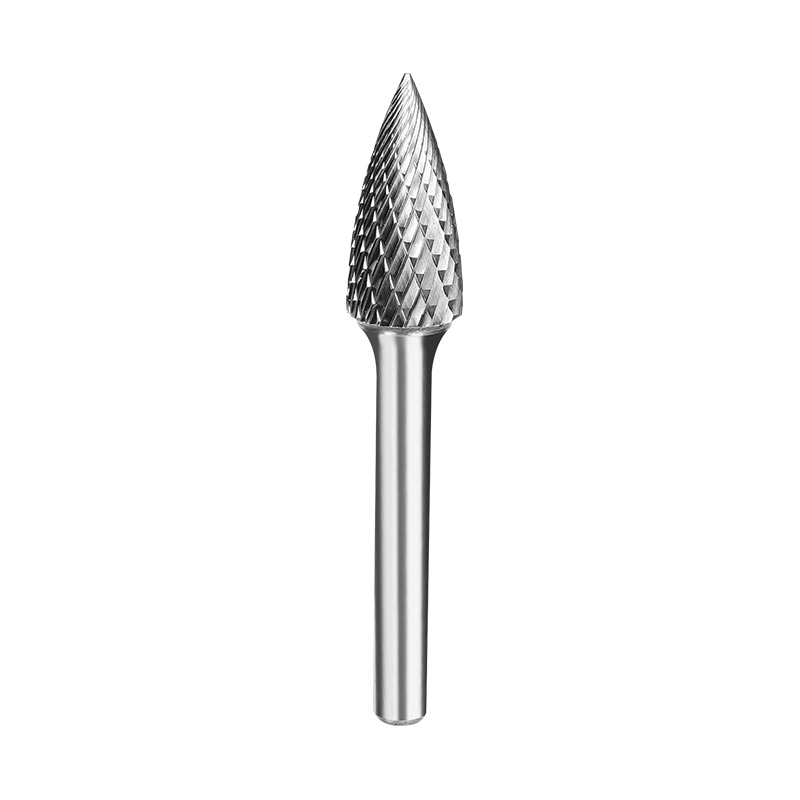
6.Cone shape
A straight taper leads to a pointed end. This design focuses on detail work. It can reach deep or narrow areas where other shapes may not fit.
7.Inverted cone shape
The wider section sits near the tip, creating a different contact pattern. This shape is often used for creating undercuts or refining edges in a controlled way.
These shapes are not isolated choices. Many users switch between them during a single task. The ability to change tools based on need adds flexibility to the process.
While shape defines contact, edge patterns guide how material is removed. The arrangement of cutting edges affects both the feel of the tool and the finish it leaves behind.
Some patterns are spaced to remove material quickly. Others are arranged more closely, producing a smoother surface. The direction of the edges also plays a role. It can influence how the tool moves across the surface and how debris is cleared.
Below is a simple comparison of general edge pattern types:
| Edge Pattern Type | General Effect on Use | Surface Result |
|---|---|---|
| Open pattern | Faster material removal | Rougher texture |
| Balanced pattern | Moderate removal and control | Even surface |
| Fine pattern | Slower removal | Smoother finish |
| Cross pattern | Multi-directional cutting | Consistent shaping |
These patterns are selected based on the desired outcome. A rough stage may call for faster removal, while a finishing stage may require more control.
The cutting head receives most of the attention, yet the rest of the tool also matters. The shank connects the tool to the machine, and its design influences stability.
A straight and well-aligned shank helps reduce vibration. This leads to smoother operation and more predictable results. Length also plays a role. A longer body may reach deeper areas but can feel less stable. A shorter one offers better control but may limit access.
Balance is another factor. When a tool rotates, uneven weight can cause movement that affects the surface. Factories work to ensure that each tool maintains steady rotation during use.
Standard shapes cover many needs, yet some tasks require more focused designs. These specialized forms often emerge from repeated challenges in production environments.
A tool may be adjusted to fit a narrow groove. Another may be shaped to follow a unique contour. In some cases, the edge pattern is modified to handle a particular type of surface.
Development often involves trial and observation. Workers and designers share feedback based on real use. Over time, these adjustments become part of regular production, expanding the range of available designs.
Choice of design is not only technical. It is also shaped by how a tool feels in use. Two tools may perform similar tasks, yet one may offer better control or comfort.
Experienced users often develop preferences based on past work. They may select a shape that matches their handling style. This personal aspect influences how designs are used in practice.
Training also plays a role. New users may start with more forgiving shapes that allow gradual control. As skill develops, they may shift to designs that offer greater precision.
Not all surfaces respond the same way. Some require gentle contact, while others allow more direct cutting. Tool design helps bridge this difference.
A smoother edge pattern may be used where surface finish is important. A more open pattern may be chosen when removal is the focus. Shape also interacts with material behavior. Rounded forms can reduce marks on sensitive surfaces, while sharper forms can shape harder areas more directly.This adaptability allows tools to be used across a wide range of situations without relying on a single design.
Design does not exist separately from production. The way a tool is made affects how closely it matches its intended form.
Factories follow structured processes to shape and refine each tool. Precision in forming the head and edges ensures that the design performs as expected. Small variations can change how the tool behaves during rotation.
Inspection is part of this process. Tools are checked to ensure that shape, balance, and edge patterns remain consistent. This helps maintain reliability across different batches.
Production also allows room for adjustment. When new designs are introduced, factories adapt their processes to support them. This connection between design and manufacturing keeps the range of tools evolving.
Carbide rotary tool designs reflect a balance between shape, edge pattern, and usability. Each variation responds to a specific need, whether it involves access, control, or surface quality. The diversity of these designs allows users to approach tasks with greater flexibility, adapting their tools as the work changes.
Cooperate with us now
contact Us
Characteristic Industrial Park, Furong Town, Yueqing City, Zhejiang Province, China.
+86-13757799073
+86-13587713956

Wholesale Carbide Rotary Burs Factory