 English
 Español
 Inquiry
In many workshops, small tools shape the final result more than large machines. Rotary files belong to that quiet group. They are often seen as simple cutting tools, yet their role is tied closely to how surfaces are formed, smoothed, or adjusted. As manufacturing continues to evolve, interest in how these tools are made has grown. The factory behind them is no longer just a place of repetition. It reflects choices about materials, design, and consistency.
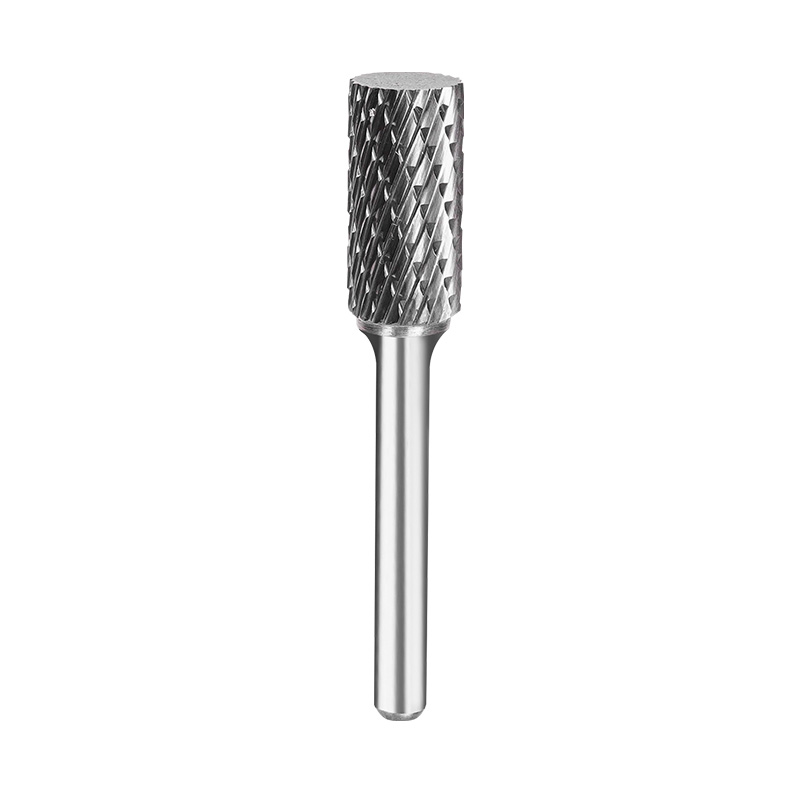
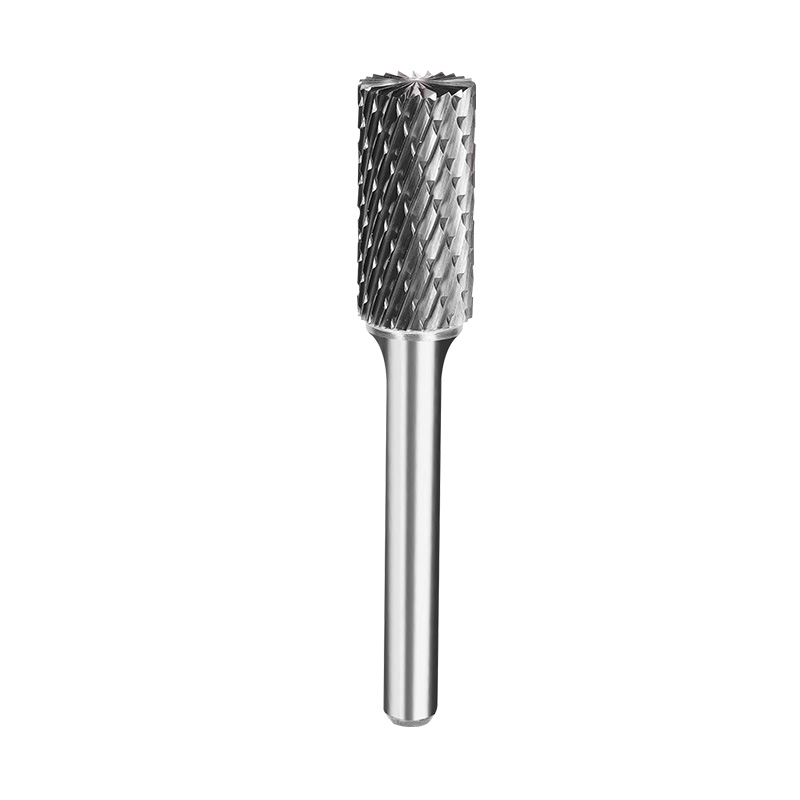
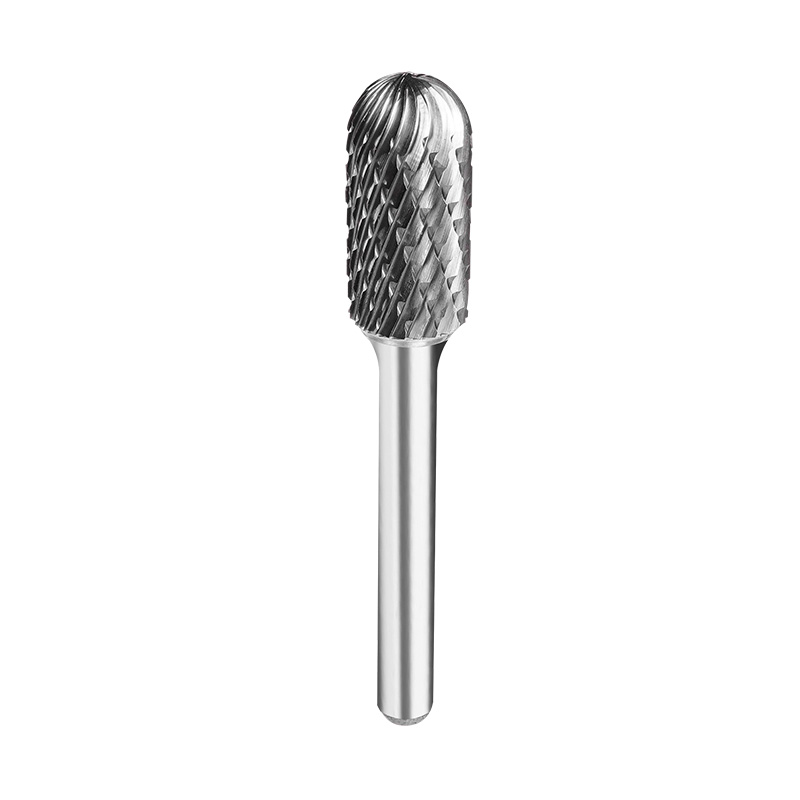
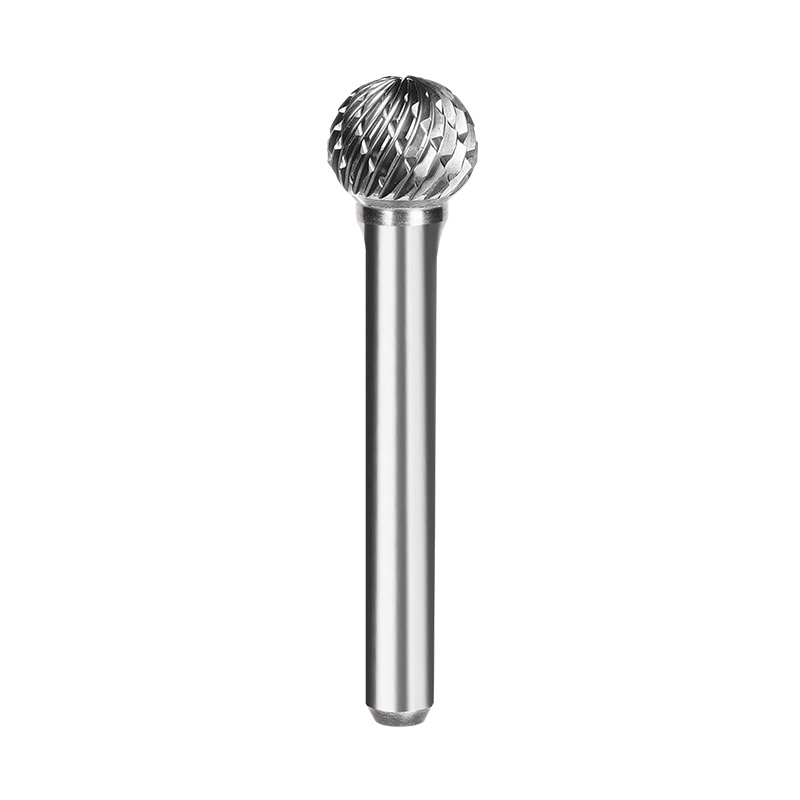
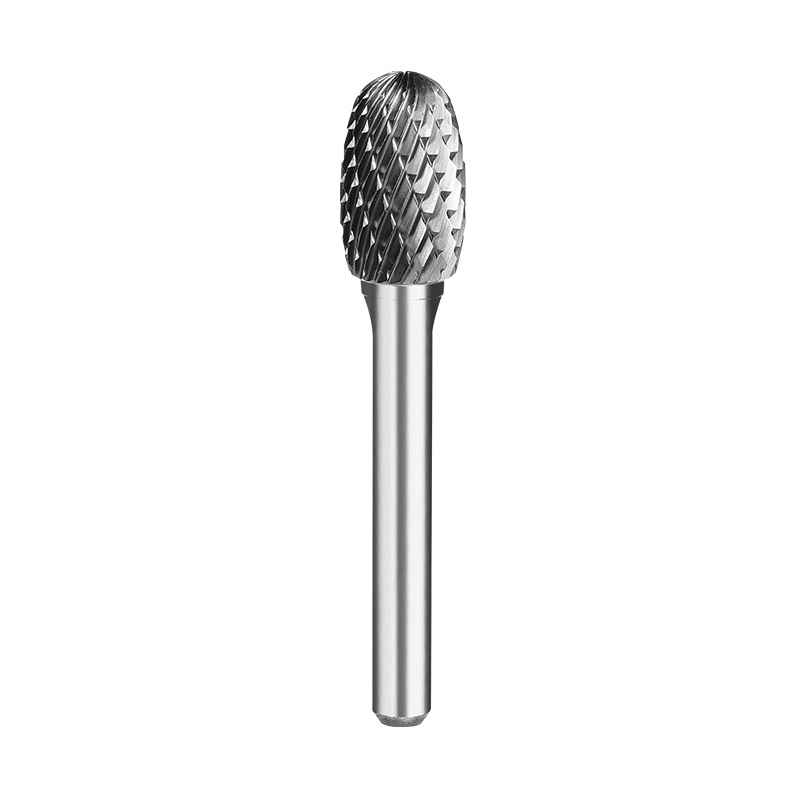
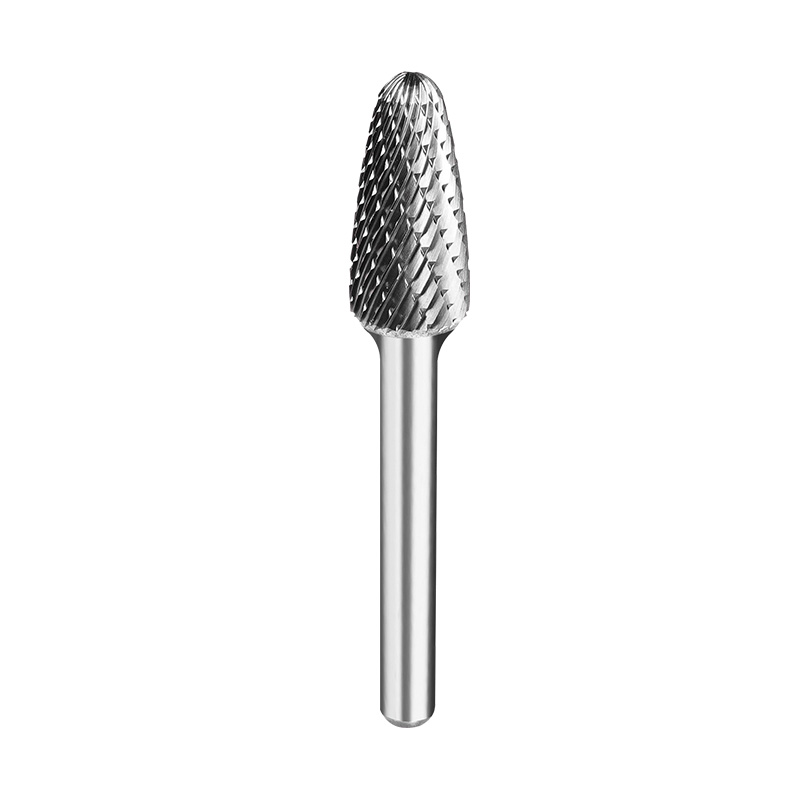
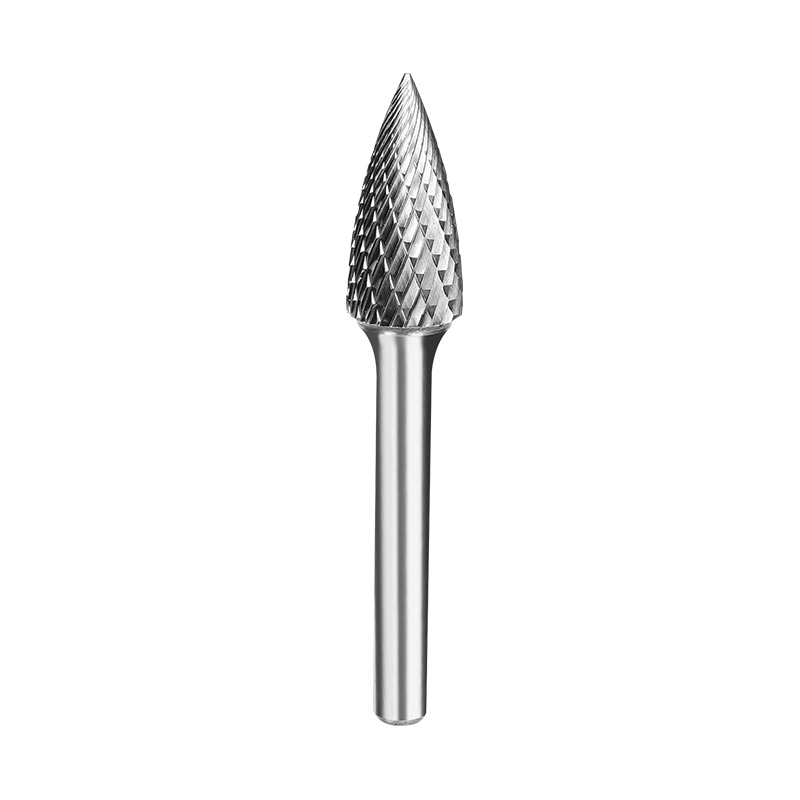
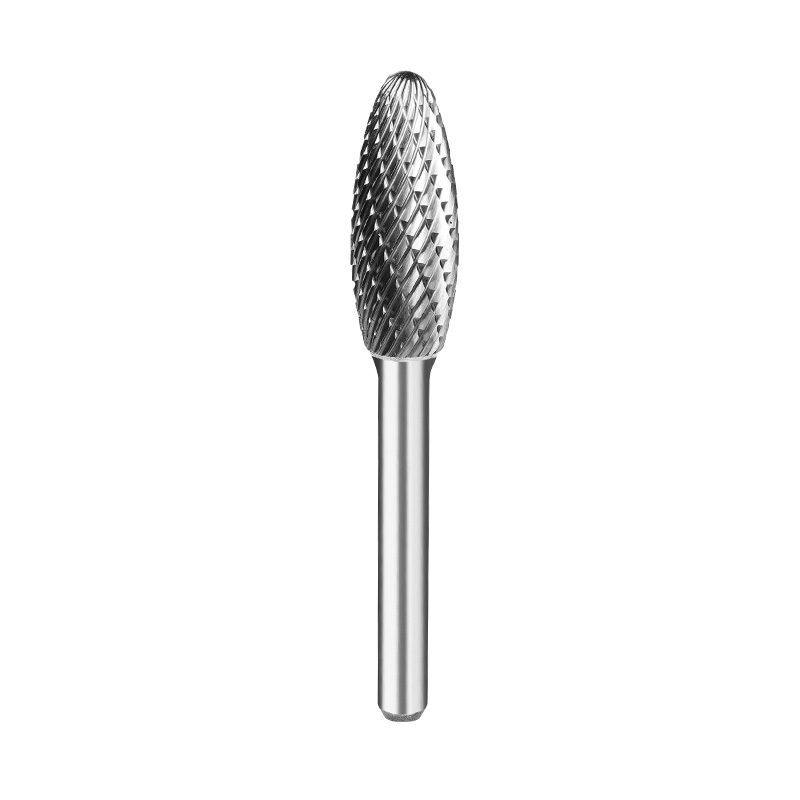
Rotary files are cutting tools that work with rotating motion. They are usually attached to powered equipment, allowing them to remove material from a surface through controlled contact. The shape of the tool determines how it interacts with the workpiece. Some are narrow and pointed, while others are rounded or cylindrical.
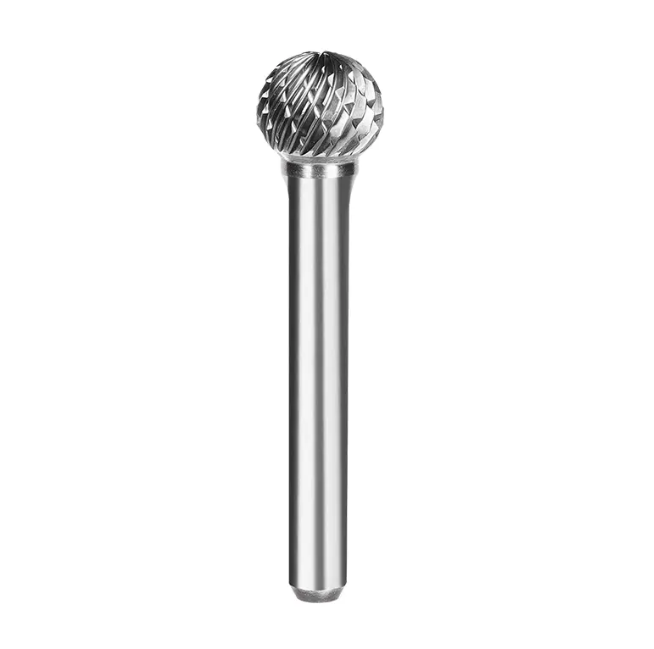
They are commonly used for shaping, smoothing, enlarging openings, and refining edges. In practice, they help adjust details that larger tools cannot handle with precision. This makes them useful in both early shaping and final finishing stages.
Their flexibility comes from their design. A single tool can work on different surfaces depending on how it is handled. This adaptability is one reason they remain widely used across different fields.
Even as automated systems become more common, rotary files continue to hold a place in production lines and workshops. Their value lies in control. They allow operators to respond quickly to small variations in a workpiece.
Machines often perform large-scale shaping. Rotary files step in where adjustment is needed. They are useful when a surface needs correction after a machining process or when fine details must be refined.
Another reason is accessibility. These tools are relatively easy to use and can be applied in both large facilities and small workshops. Their role is not limited to one stage of production, which keeps them relevant.
Material selection plays a central role in how a rotary file performs. Factories choose materials based on durability, resistance to wear, and the ability to hold a cutting edge.
Below is a general overview of commonly used materials:
| Material Type | General Characteristics | Typical Use Context |
|---|---|---|
| Hardened alloys | Strong, resistant to deformation | General-purpose cutting |
| Treated steels | Balanced strength and flexibility | Versatile applications |
| Coated materials | Improved surface resistance | Extended use in demanding tasks |
| Composite blends | Lightweight with stable structure | Specialized or precision work |
Each option brings a different balance of strength and flexibility. Factories often adjust their choices depending on the intended use of the tool.
Design is closely linked to performance. The shape of the head, the pattern of the cutting edges, and the length of the shaft all influence how the tool behaves.
A pointed design may reach into narrow spaces. A rounded shape allows smoother transitions on curved surfaces. Cylindrical forms are often used for straight edges or flat areas.
The pattern of the cutting edges also matters. Some designs remove material quickly, while others focus on producing a smoother finish. Factories develop these patterns carefully, balancing cutting efficiency with control.
Small changes in design can lead to noticeable differences during use. This is why production involves precise shaping rather than rough forming.
The manufacturing process involves several connected stages. Each step contributes to the final quality of the tool. While methods may vary between factories, the general flow remains consistent.
1.Material preparation
Raw material is selected and prepared. It may be cut into smaller sections suitable for shaping.
2.Initial shaping
The basic form of the tool is created. This includes forming the head and shaft.
3.Heat treatment
The material is treated to improve strength and durability. This step affects how well the tool holds its cutting edges.
4.Cutting edge formation
The working surface is shaped. Patterns are created to define how the tool removes material.
5.Surface finishing
The tool is refined to improve smoothness and reduce irregularities.
6.Assembly and alignment
Components are adjusted to ensure balance during rotation.
7.Inspection
Each tool is checked for consistency. Irregular pieces are removed from the production flow.
8.Packaging
Finished tools are prepared for storage or shipment.
This sequence shows how the process moves from raw material to a finished product. Each stage builds on the previous one, creating a continuous workflow.
Consistency is a key concern in tool manufacturing. Even small variations can affect how a rotary file performs. Factories rely on controlled processes to manage this.
Standardized procedures help ensure that each stage produces predictable results. Equipment is adjusted regularly to maintain uniform output. Workers also follow set guidelines when handling materials and tools.
Inspection plays an important role. Tools are checked at different stages rather than only at the end. This allows issues to be identified early, reducing waste and maintaining quality.
Consistency is not only about precision. It also involves repeatability. A factory must be able to produce tools with similar characteristics over time.
Despite automation, manual work remains part of the process. Skilled workers often handle stages that require careful adjustment or observation.
For example, shaping fine details or inspecting cutting edges may involve human judgment. Machines can follow patterns, but they may not always detect subtle variations.
Manual work also allows flexibility. When production needs to adapt to new designs or small batch runs, human involvement becomes more important.
Rather than replacing workers, automation often changes their role. They oversee processes, make adjustments, and ensure that production stays within expected limits.
Factories do not produce a single universal design. Rotary files are developed for different uses. This involves adjusting shape, size, and cutting patterns.
Some tools are designed for faster material removal. Others focus on smoother finishes. Certain shapes are intended for narrow spaces, while others are suited for broader surfaces.
Adaptation also depends on the type of material being worked on. A tool that performs well on one surface may behave differently on another. Factories consider these factors during design and production.
This variation allows rotary files to be used in a wide range of tasks without requiring entirely different tools for each situation.
The environment within a factory affects production in subtle ways. Cleanliness, organization, and workflow design all play a role.
A well-organized layout reduces delays between stages. Materials move smoothly from one process to the next. This helps maintain efficiency and reduces the risk of damage.
Temperature and handling conditions can also influence material behavior. Factories manage these factors to keep processes stable.
The environment is not only physical. It includes how tasks are structured and how workers interact with equipment. Together, these elements shape the final outcome.
Rotary files may appear simple at first glance, yet their production reveals a layered process. From material selection to final inspection, each step shapes how the tool performs in real use. Factories continue to refine these processes, balancing consistency with the need for adaptation.
Cooperate with us now
contact Us
Characteristic Industrial Park, Furong Town, Yueqing City, Zhejiang Province, China.
+86-13757799073
+86-13587713956

Wholesale Carbide Rotary Burs Factory