 English
 Español
 Inquiry
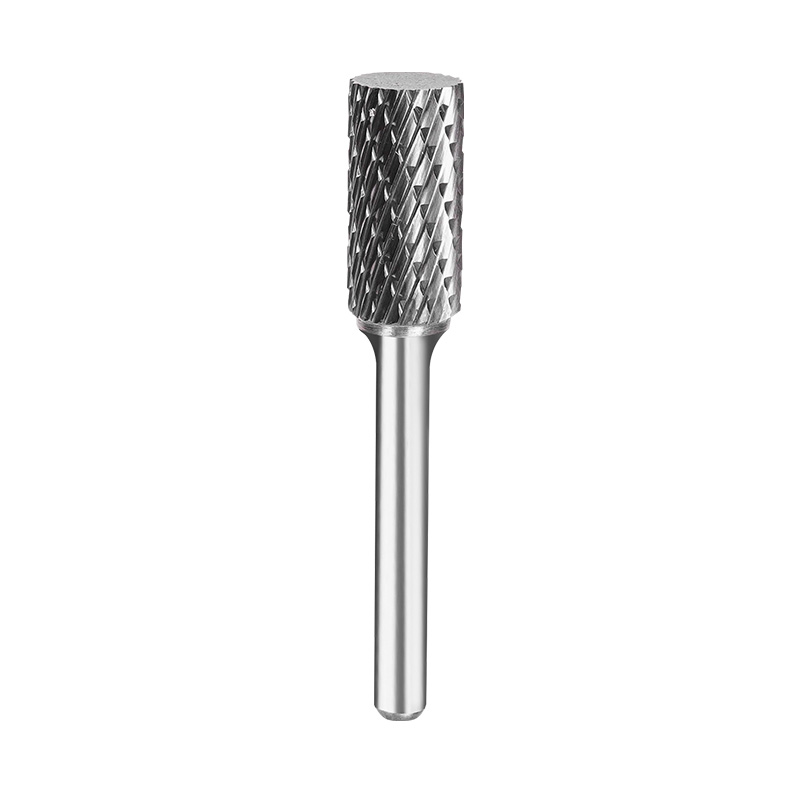
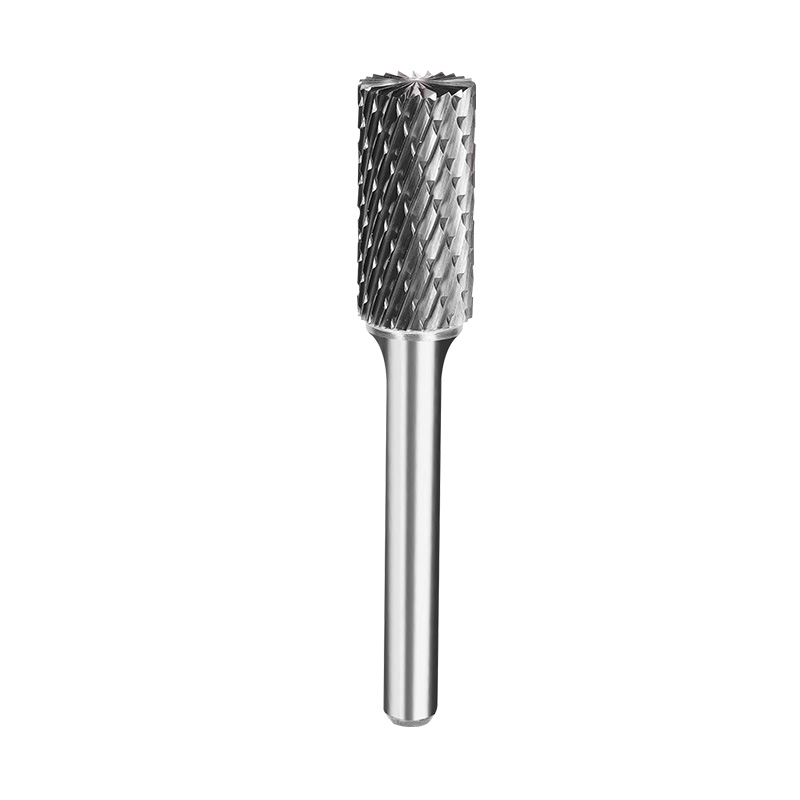
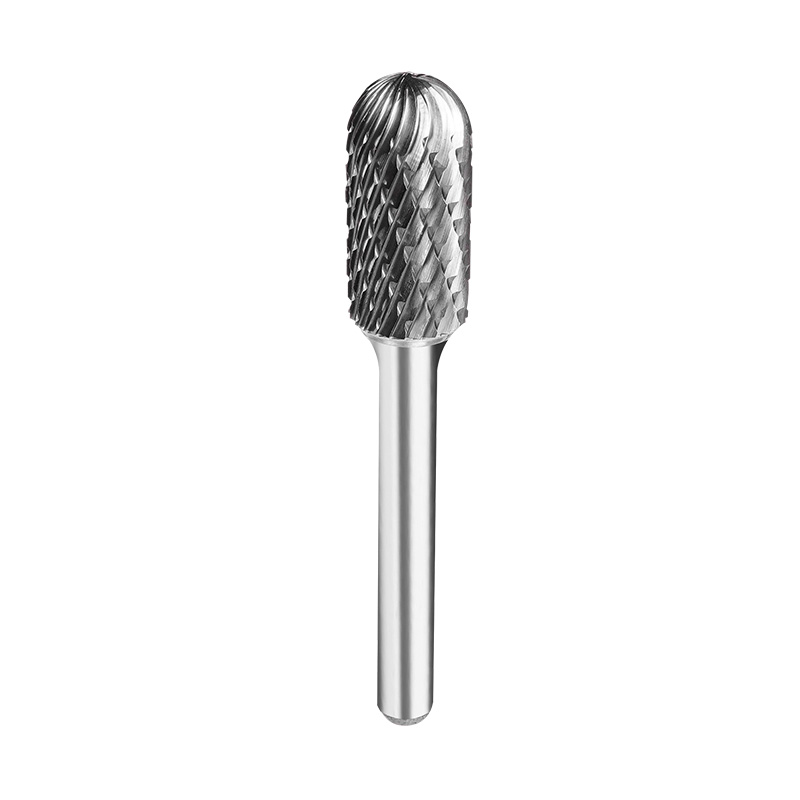
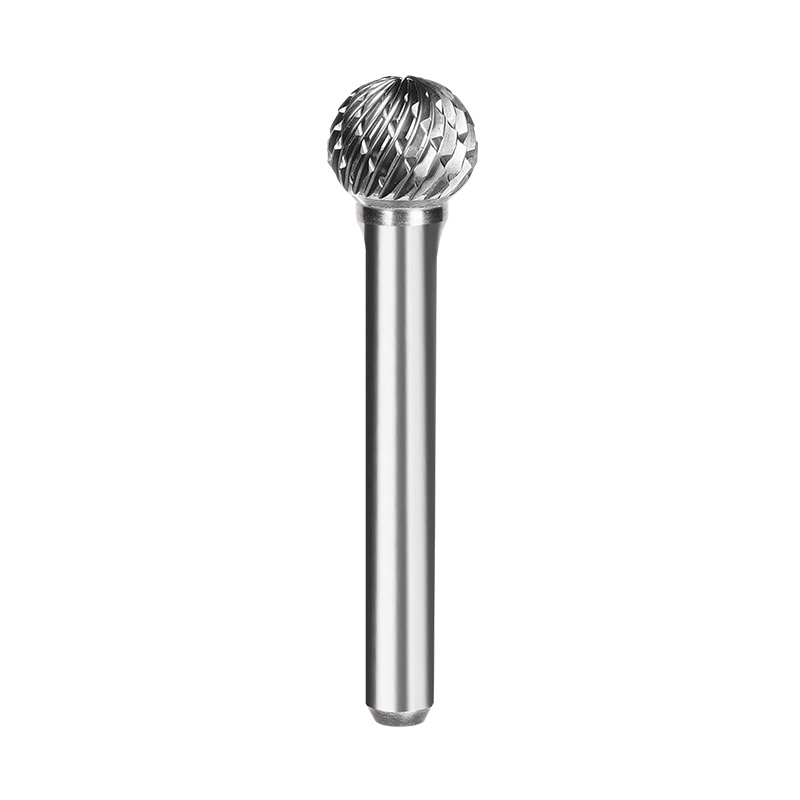
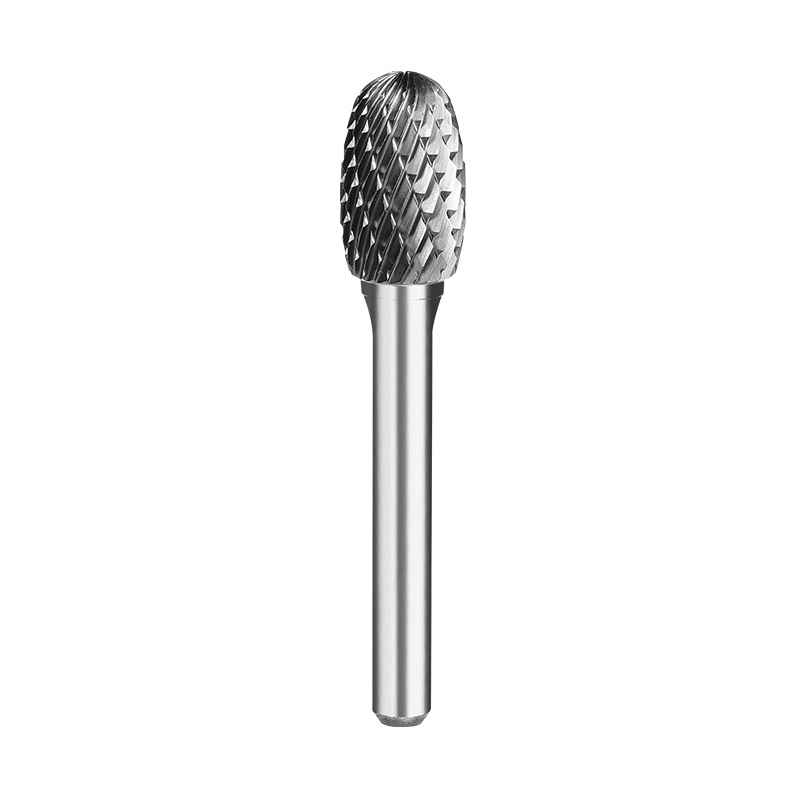
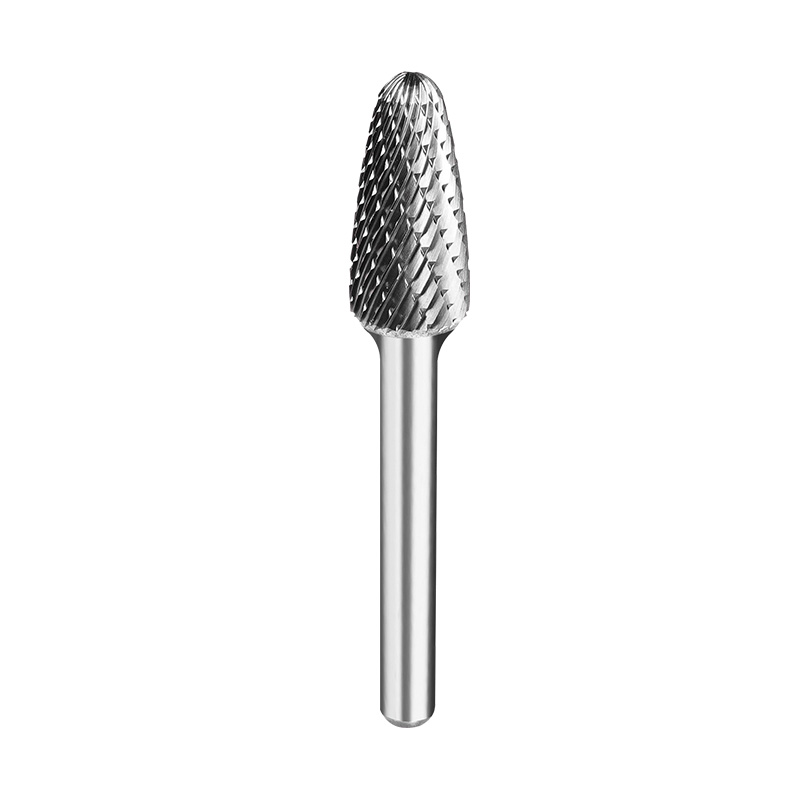
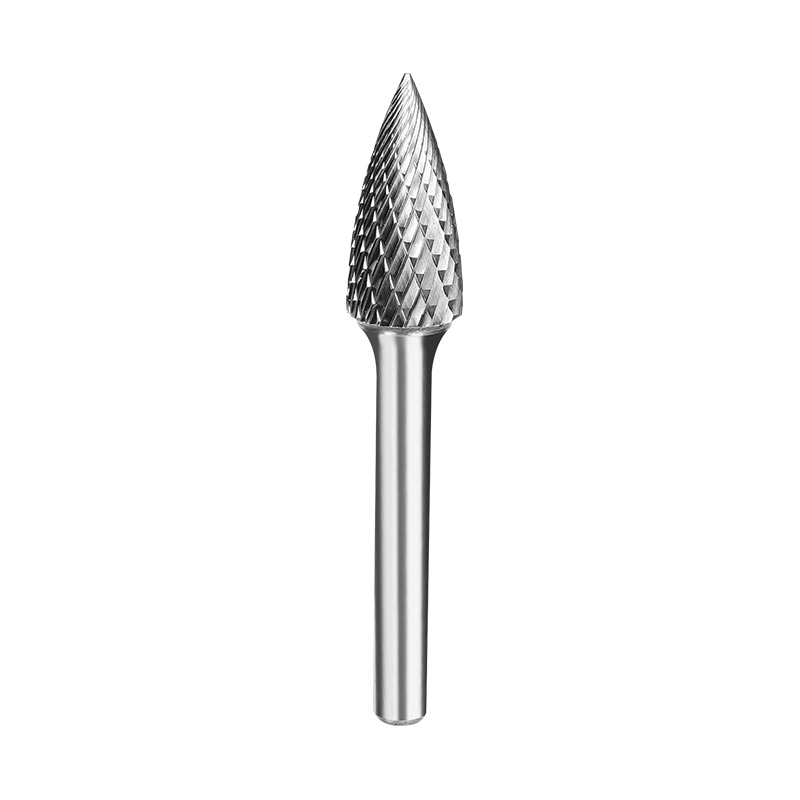
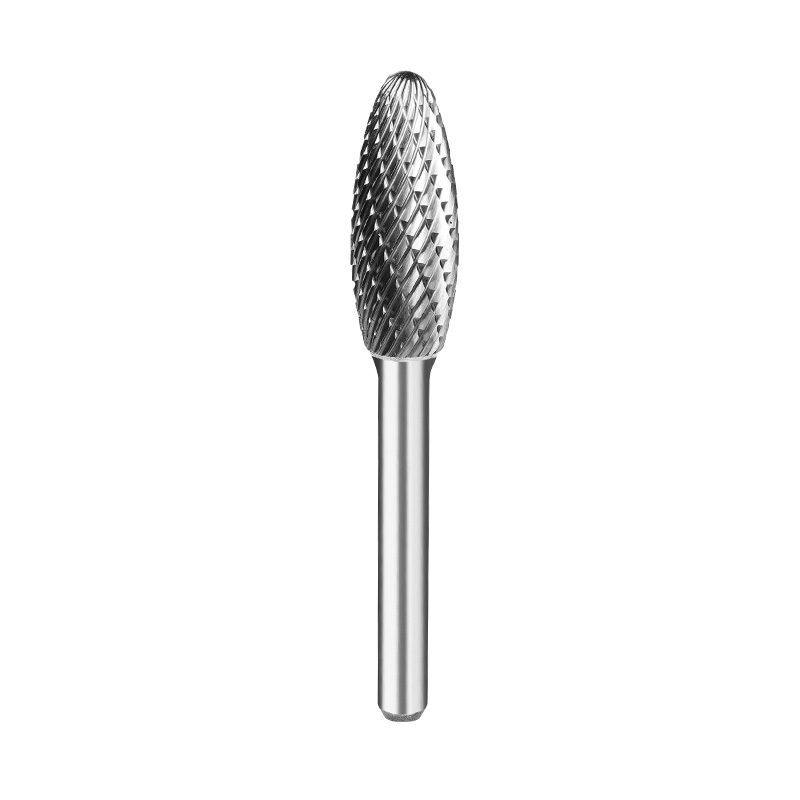
A Carbide Rotary Tool Factory often emphasizes versatility as a key feature of modern carbide rotary tools. These tools are widely used in metalworking, jewelry making, dental laboratories, and precision engineering due to their durability and high cutting performance. However, achieving suitable results requires adjusting cutting methods depending on the type of metal. Different metals—such as steel, aluminum, brass, or copper—have unique hardness, thermal conductivity, and ductility characteristics, which affect the cutting process.
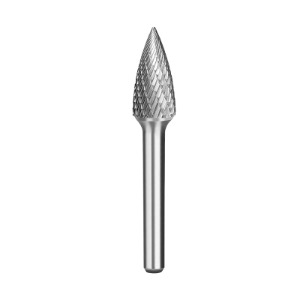
When working with hard metals such as stainless steel or hardened alloys, the cutting method must prioritize slower feed rates and higher precision. Hard metals generate more heat during cutting, which can wear down the tool rapidly if handled improperly. Using a carbide rotary tool at a controlled speed with intermittent cutting motions allows heat to dissipate and reduces the risk of tool damage. Additionally, applying a cutting lubricant or coolant helps reduce friction and extend tool life. Selecting the correct tool geometry, such as fine-pitched flutes, ensures efficient chip removal and smooth surfaces.
Soft metals such as aluminum, brass, and copper are more malleable and can deform if cut aggressively. In these cases, the cutting method should use higher rotational speeds but lower feed pressure to prevent material smearing or tearing. Soft metals often stick to the tool, so frequent clearing of chips and proper lubrication are essential. Carbide rotary tools with a coarser flute pattern or multi-flute design work, as they allow faster material removal while maintaining precision. Adjusting the cutting angle to match the material’s grain and hardness also improves efficiency and surface finish.
The cutting angle and depth of engagement are critical parameters when adjusting the cutting method for different metals. For hard metals, shallower cuts prevent excessive stress on the tool and improve accuracy. For softer metals, slightly deeper cuts combined with faster rotational speeds allow efficient material removal without sacrificing surface quality. Operators must monitor the tool’s performance and make real-time adjustments to angle, depth, and pressure to achieve suitable results.
Feed rate, or the speed at which the tool advances into the material, is another key factor in metal-specific cutting methods. Hard metals require slower feed rates to avoid overheating and premature wear, while softer metals can tolerate faster feeds for higher productivity. Monitoring vibration and surface finish helps determine the ideal feed rate. A properly adjusted feed rate ensures consistent cutting performance, reduces tool wear, and maintains dimensional accuracy across multiple metal types.
Using appropriate cooling and lubrication techniques is essential for cutting metals effectively. Hard metals benefit from coolant fluids that dissipate heat, while soft metals require lubrication to reduce adhesion and prevent clogging. Proper cooling also improves chip evacuation, which enhances cutting efficiency and prolongs tool life. Carbide rotary tools can maintain high-speed performance when paired with a well-planned cooling and lubrication strategy.
A Carbide Rotary Tool Factory must consider metal-specific cutting adjustments to optimize performance. By modifying feed rate, rotational speed, cutting depth, tool angle, and applying proper cooling or lubrication, operators can achieve efficient, precise, and durable cutting across hard and soft metals. Understanding the properties of each metal type and adjusting cutting methods accordingly ensures high-quality results, longer tool life, and improved productivity in metalworking, dental, jewelry, and precision applications.
Cooperate with us now
contact Us
Characteristic Industrial Park, Furong Town, Yueqing City, Zhejiang Province, China.
+86-13757799073
+86-13587713956

Wholesale Carbide Rotary Burs Factory