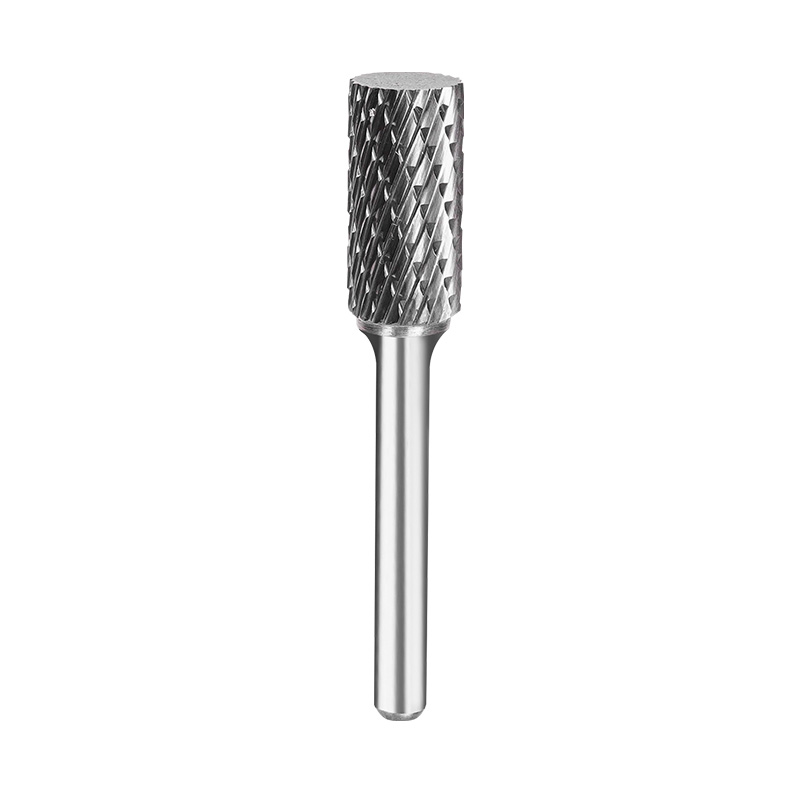
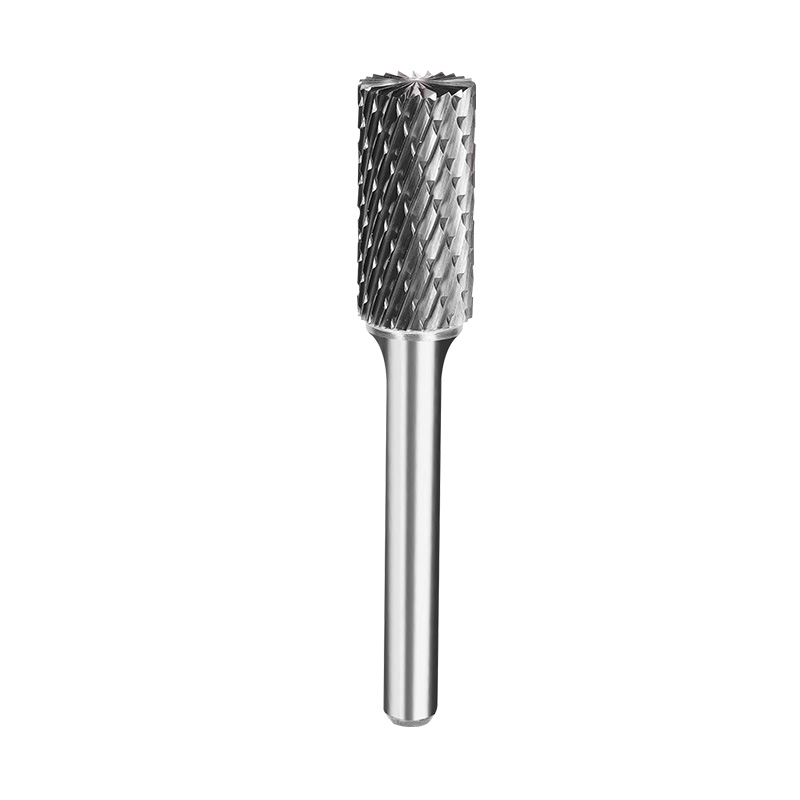
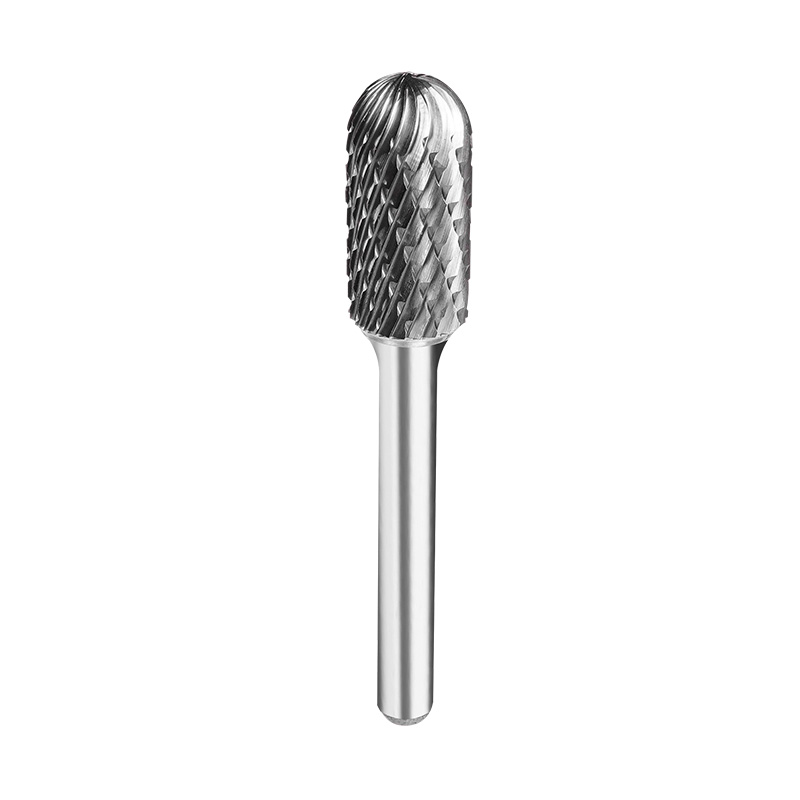
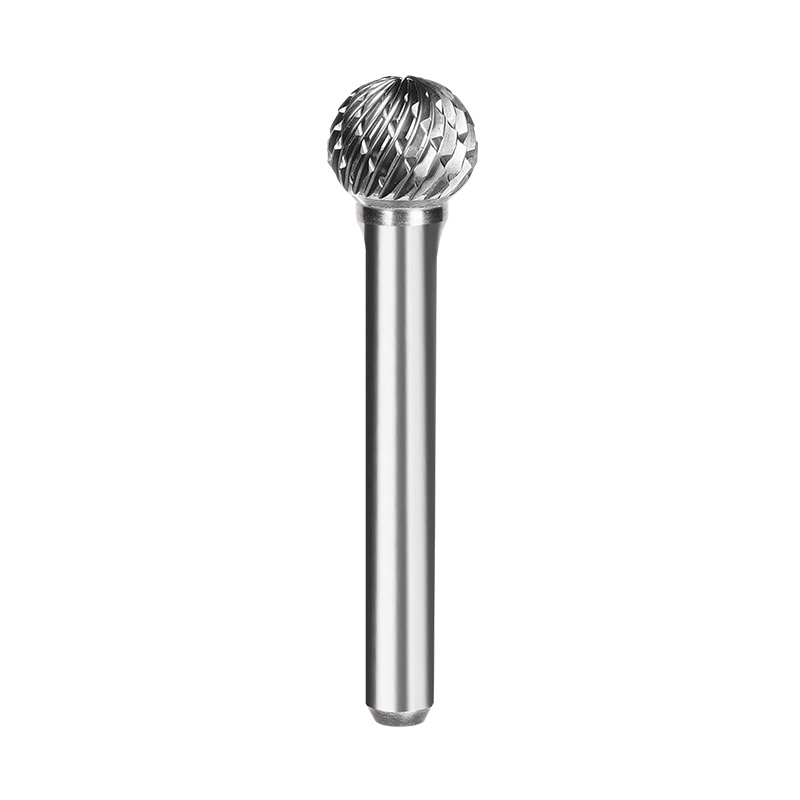
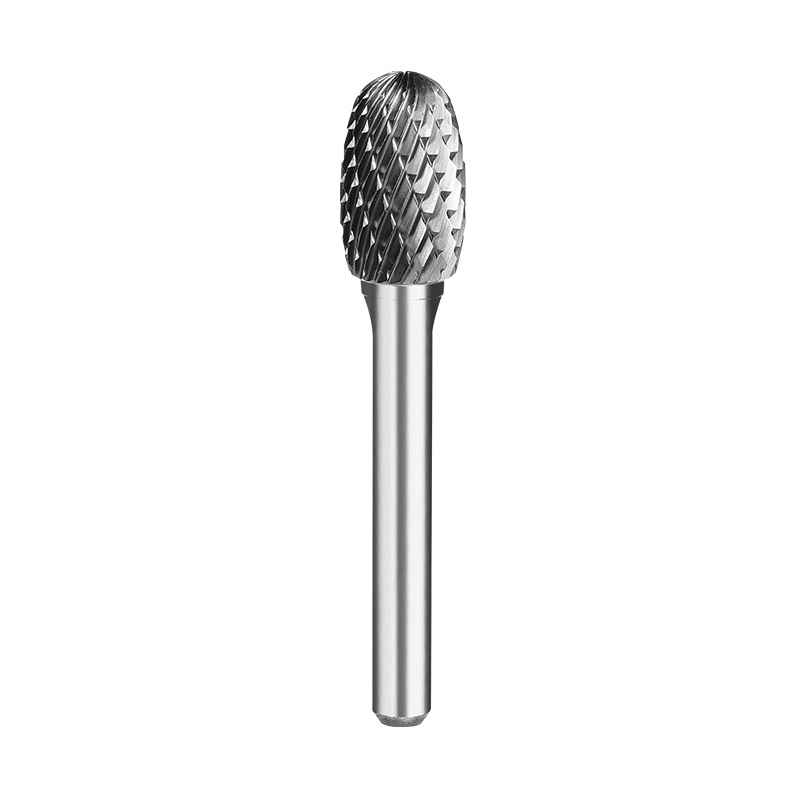
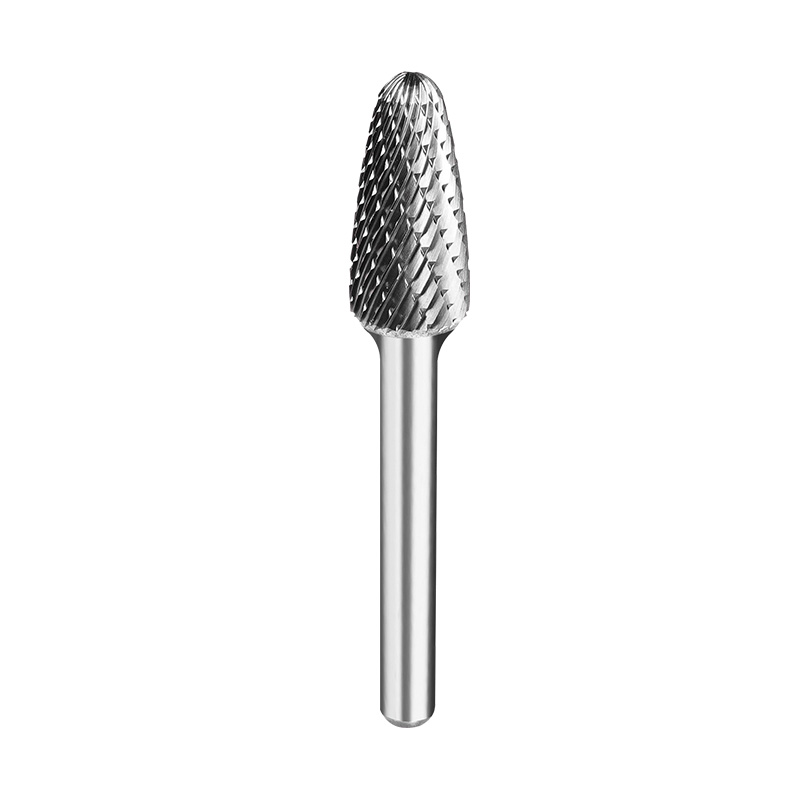
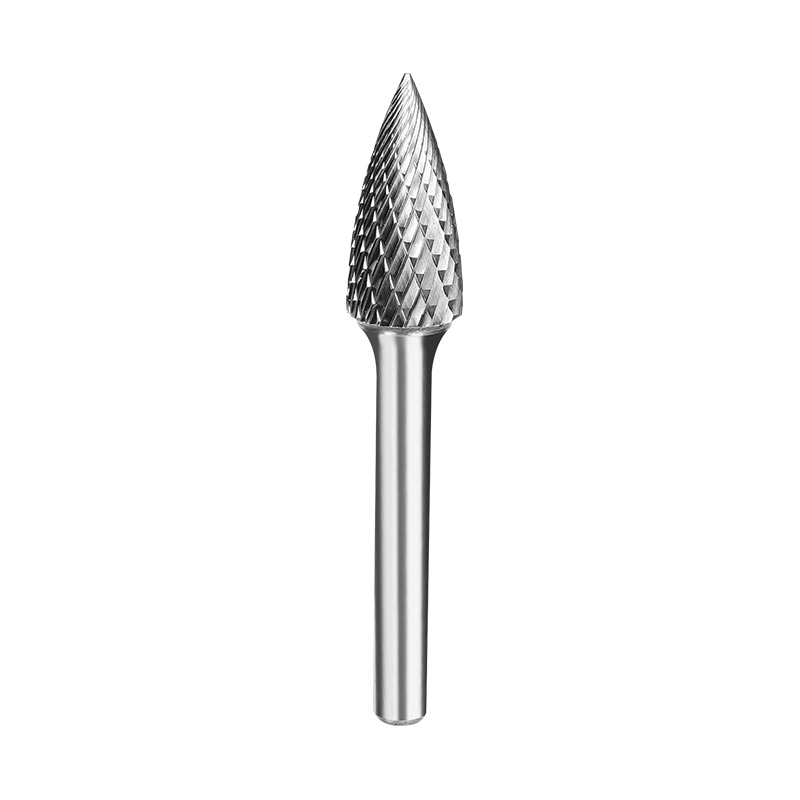
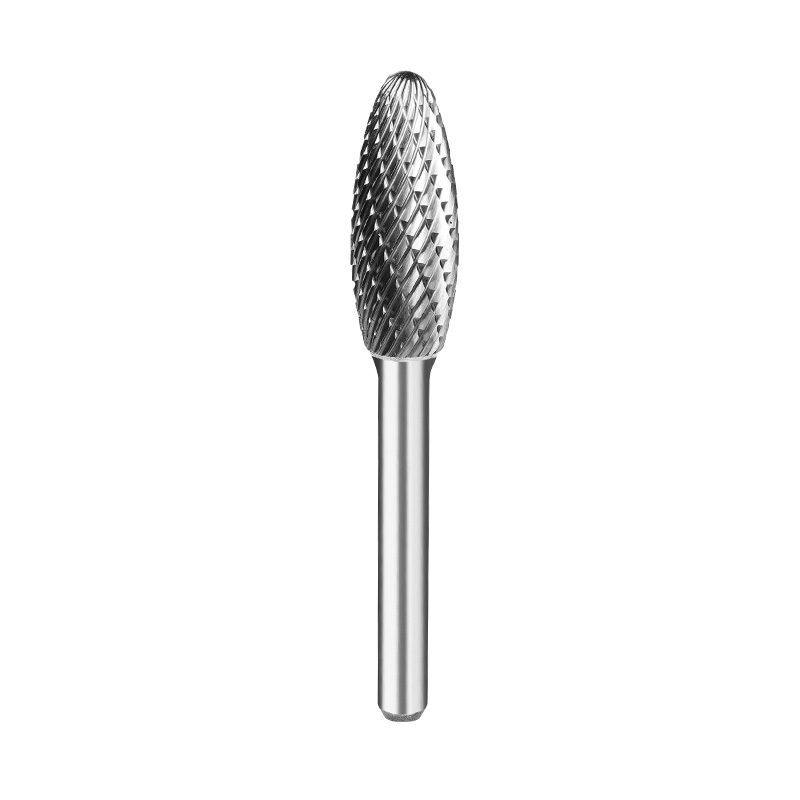
Choosing the right cutting tool is critical for machining accuracy, surface finish, and tool life.
Among the many factors involved, spindle speed and tool diameter play a decisive role in performance.
Understanding how these two variables interact helps machinists avoid premature wear, tool breakage, and inefficient cutting.
In machining guidelines and process planning, Carbide Endmills are often optimized by carefully balancing rotational speed with tool size to match material and application requirements.
Why Speed and Diameter Matter in Milling
Cutting mechanics:
- Spindle speed determines how fast the cutting edges engage the material.
- Tool diameter affects the contact area and chip load per tooth.
Heat generation:
- Higher speeds increase heat, which can damage tools if not controlled.
- Larger diameters dissipate heat differently than smaller tools.
Surface quality:
- Improper speed-to-diameter ratios can cause chatter or poor surface finish.
- Correct matching improves consistency and dimensional accuracy.
Understanding Spindle Speed Fundamentals
Definition of spindle speed:
- Measured in revolutions per minute (RPM).
- Indicates how fast the tool rotates during cutting.
Material dependency:
- Harder materials generally require lower speeds.
- Softer materials allow higher rotational speeds.
Tool material influence:
- Carbide tools tolerate higher speeds than high-speed steel.
- Proper speed selection improves cutting efficiency without overheating.
Role of Tool Diameter in Cutting Performance
Larger diameters produce higher surface speed at the same RPM.
Smaller diameters require higher RPM to achieve effective cutting speed.
Larger tools offer greater rigidity and resistance to deflection.
Smaller tools are more flexible and require careful speed control.
Large diameters are ideal for roughing and heavy material removal.
Small diameters excel in precision work and detailed features.
Relationship Between RPM and Tool Diameter
1. Inverse relationship:
As the tool diameter increases, the recommended RPM decreases.
Smaller diameters demand higher RPM to maintain proper cutting speed.
2. Balancing efficiency and safety:
Excessive RPM on large tools can cause vibration or tool failure.
Insufficient RPM on small tools causes rubbing instead of cutting.
3. Formula-based approach:
Machinists often calculate RPM using surface speed and tool diameter.
This ensures consistent cutting conditions across different tool sizes.
Selecting Proper Speed for Small-Diameter Endmills
Higher RPM requirements:
- Small-diameter tools need higher spindle speeds to cut effectively.
- Insufficient speed increases tool wear and reduces accuracy.
Feed rate considerations:
- Feed must be adjusted to prevent excessive chip load.
- Light, consistent feeds reduce breakage risk.
Machine limitations:
- Ensure the machine can achieve the required RPM ranges.
- High-speed spindles are essential for micro-milling applications.
Selecting Proper Speed for Large-Diameter Endmills
Lower RPM operation:
- Large tools require lower speeds to avoid excessive surface speed.
- Lower RPM helps maintain stability during heavy cuts.
Higher material removal rates:
- Larger diameters allow deeper cuts and wider passes.
- Optimized speed prevents overheating while maintaining productivity.
Tool stability:
- Reduced RPM reduces vibration and spindle load.
- Enhances tool life and cutting consistency.
Matching Speed and Diameter to Material Type
Steel and stainless steel:
- Moderate speeds combined with appropriate tool diameters.
- Balance heat control and cutting force.
Aluminum and non-ferrous metals:
- Higher speeds with larger diameters are often effective.
- Prevent chip welding with proper speed selection.
Hard alloys and tool steels:
- Lower speeds and smaller step-downs reduce tool stress.
- Emphasize precision over aggressive cutting.
Impact on Tool Life and Cost Efficiency
Optimized cutting conditions:
Correct speed-to-diameter matching reduces edge wear.
Extends overall tool lifespan.
Reduced downtime:
Fewer tool changes improve production efficiency.
Less risk of unexpected tool failure.
Cost control:
- Longer tool life offsets higher initial tooling costs.
- Efficient machining reduces scrap and rework.
Common Mistakes to Avoid
- Running large tools at excessive RPM.
- Using low RPM with small-diameter tools causes rubbing.
- Ignoring machine spindle speed limits.
- Failing to adjust the feed rate when changing the tool diameter.
Practical Guidelines for Machinists
- Always calculate the recommended RPM based on tool diameter.
- Start with conservative speeds and gradually optimize.
- Monitor heat, sound, and vibration during cutting.
- Adjust parameters when changing materials or tool sizes.
- Use manufacturer recommendations as a baseline for setup.
Conclusion
- Selecting the correct spindle speed based on tool diameter is essential for efficient and safe machining.
- Proper matching improves surface finish, extends tool life, and enhances productivity.
- By understanding how speed and diameter interact, machinists can make informed decisions and avoid common pitfalls.
- When applied correctly, Carbide Endmills deliver consistent performance across a wide range of machining applications, making them a reliable choice for modern manufacturing.

 English
 Español
 Inquiry