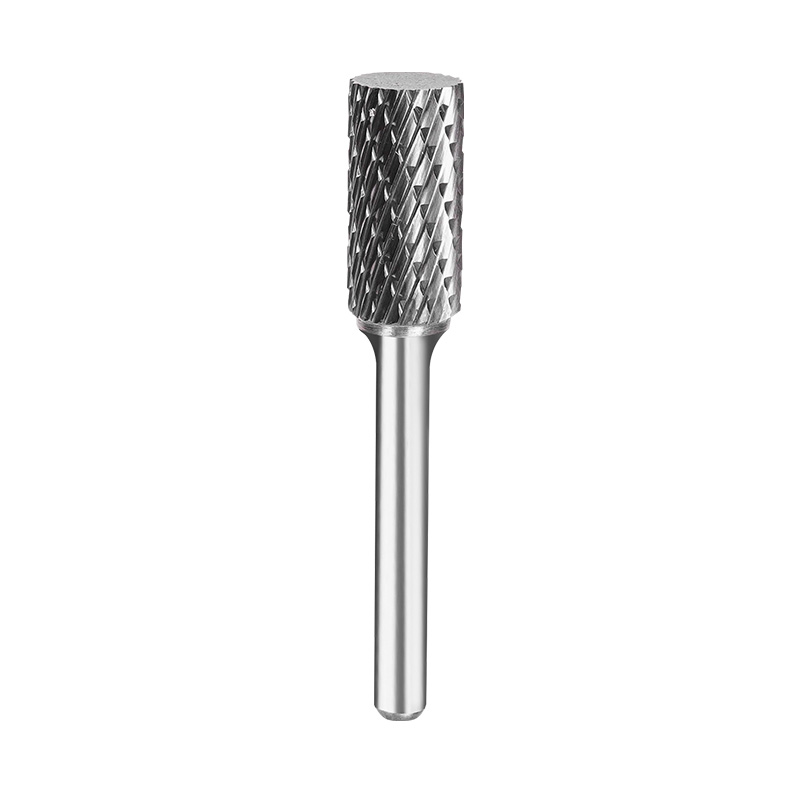
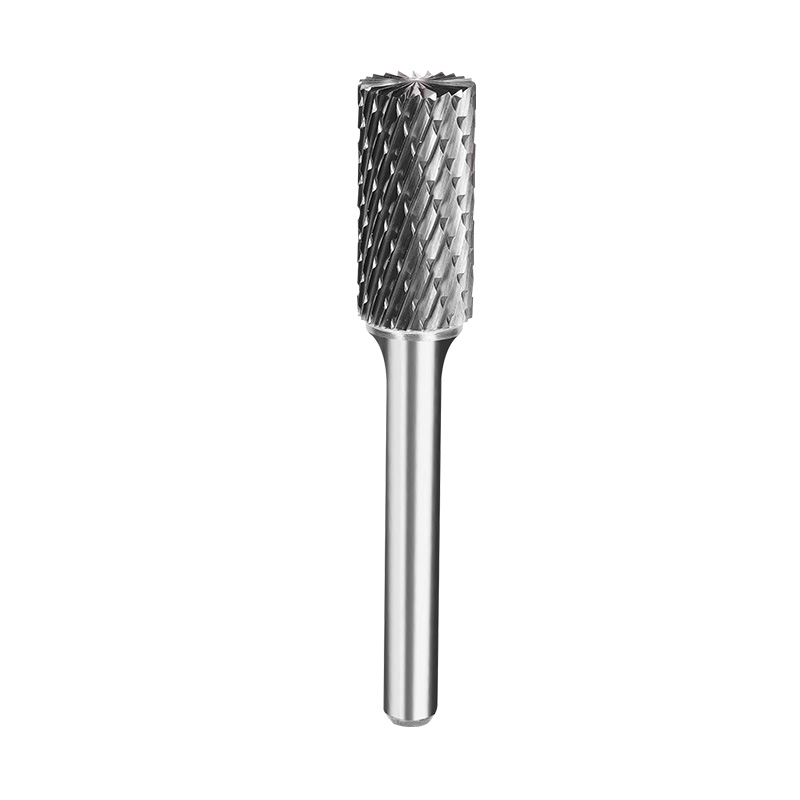
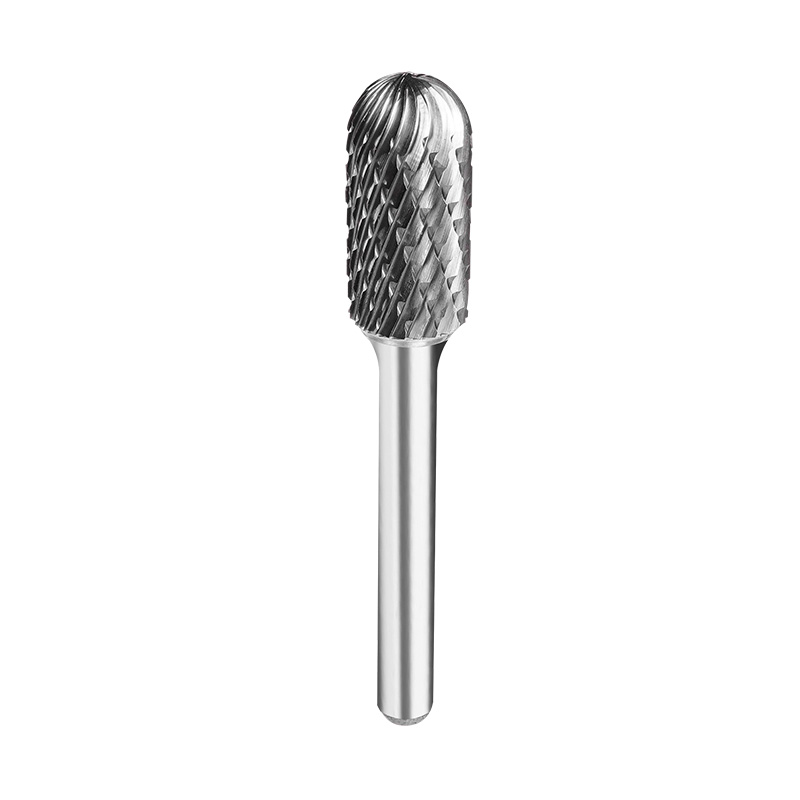
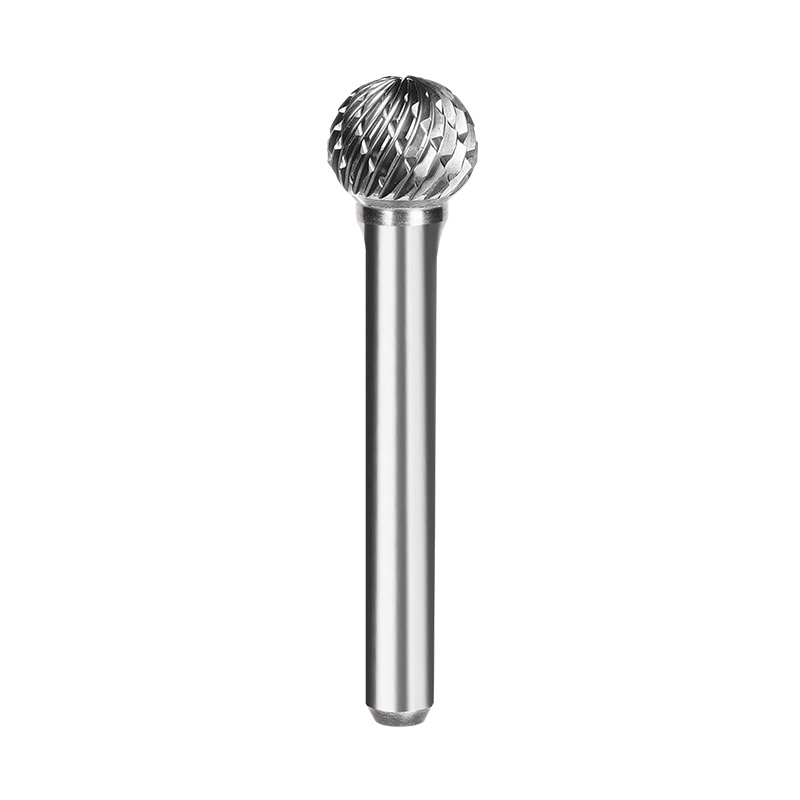
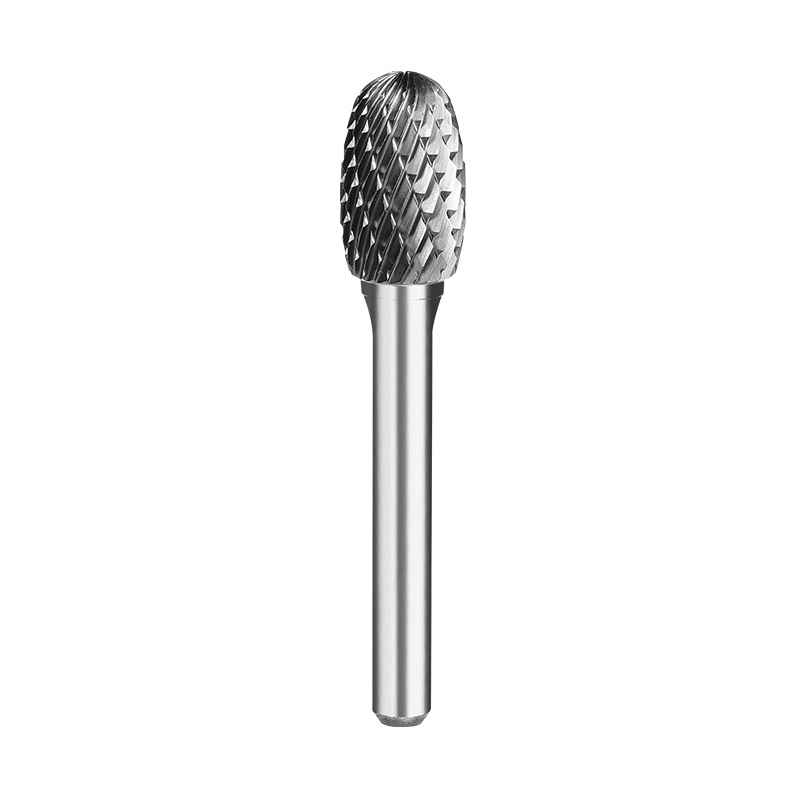
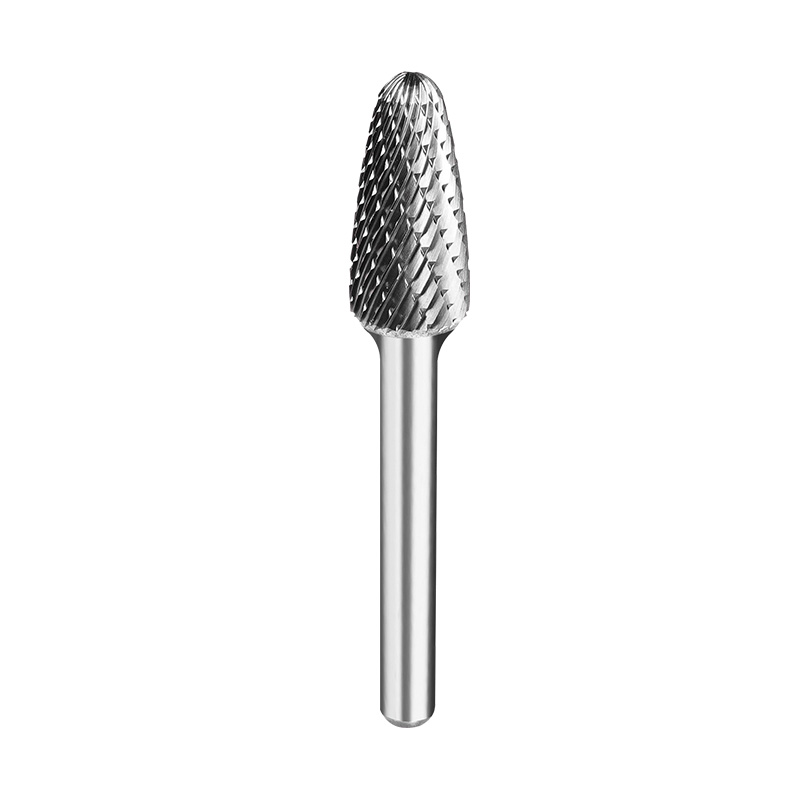
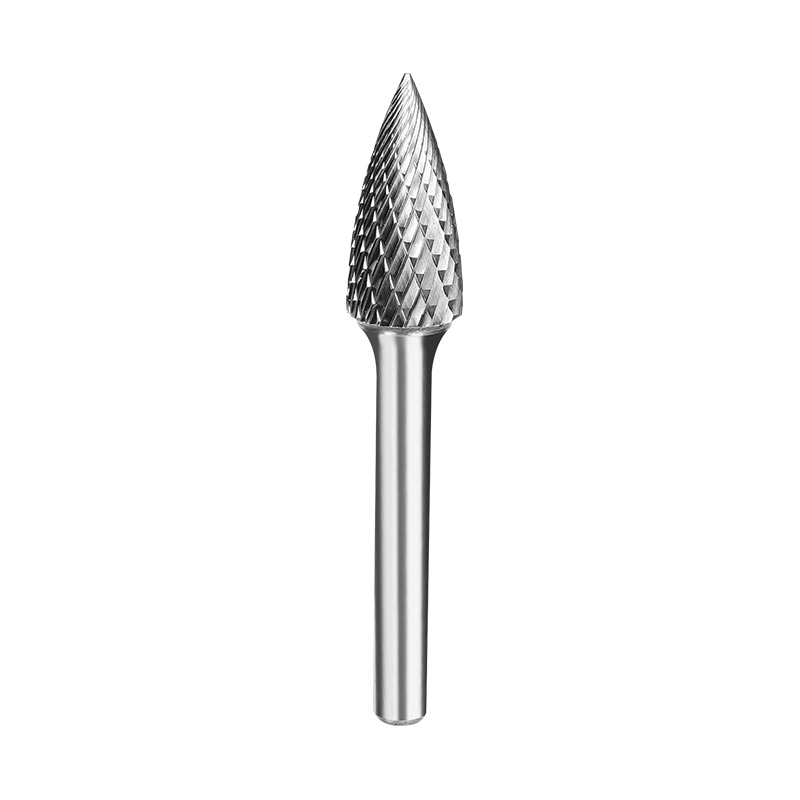
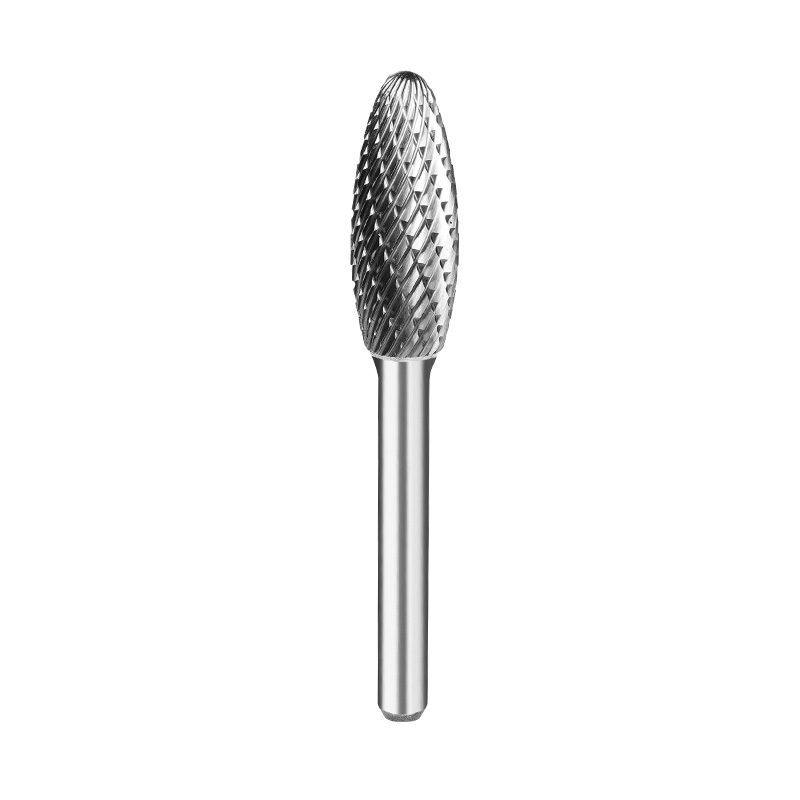
Solid carbide cutting tools play a vital role in modern metalworking industries.
These tools are manufactured from a single piece of carbide material rather than being welded or brazed.
Their monolithic structure delivers consistent performance and good durability.
In metal fabrication, machining, and finishing operations, Solid Carbide Burs are often selected for tasks that demand precision and reliability.
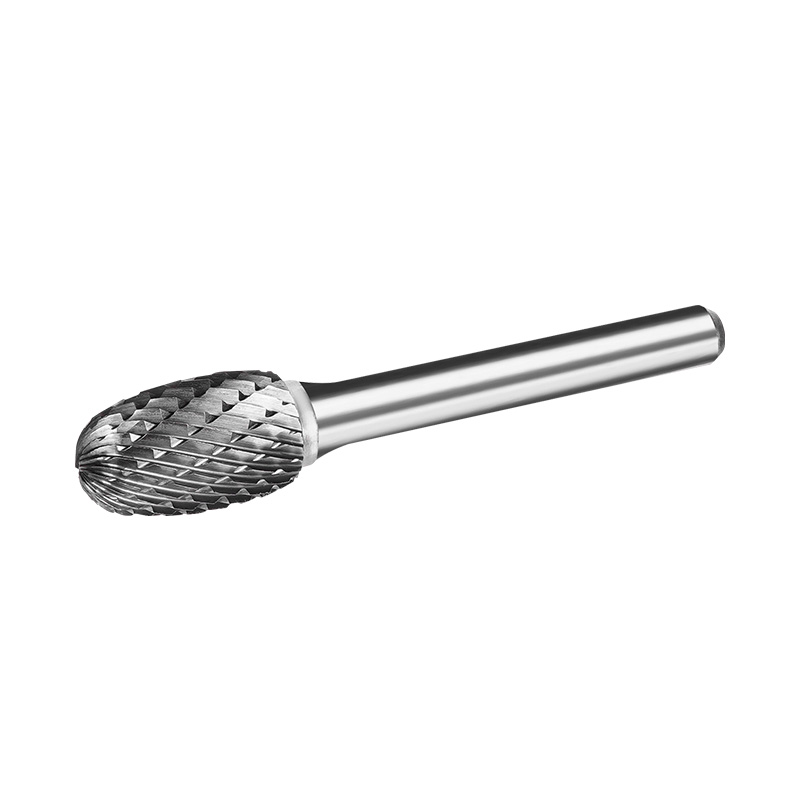
Good Hardness and Wear Resistance
High material hardness:
- Carbide material is significantly harder than high-speed steel.
- Maintains sharp cutting edges even when machining hardened metals.
Abrasion resistance:
- Performs reliably on abrasive materials such as cast iron and alloy steels.
- Reduces edge rounding and premature dulling.
Extended tool life:
- Longer lifespan compared with conventional cutting tools.
- Ideal for continuous or repetitive metalworking operations.
Good Cutting Efficiency
High material removal rate:
- Sharp edges and rigid structure enable aggressive cutting.
- Removes metal quickly without excessive force.
Stable cutting performance:
- Maintains accuracy even at high rotational speeds.
- Reduces chatter and vibration during operation.
Consistent results:
- Uniform material composition ensures predictable cutting behavior.
- Reduces the need for rework or secondary finishing.
Good Performance on Hard and Tough Metals
Suitable for steel, stainless steel, cast iron, titanium alloys, and hardened materials.
Handles demanding applications where softer tools fail quickly.
Strong cutting edges resist chipping and deformation.
Ensures smooth and controlled material removal.
Maintains precise geometry under heavy cutting loads.
Supports tight tolerances in precision metal components.
Improved Surface Finish Quality
1. Clean cutting action:
Produces smooth surfaces with minimal burr formation.
Enhances both functional and visual quality of machined parts.
2. Reduced secondary processing:
Less grinding or polishing is required after machining.
Saves time and labor in production workflows.
3. Controlled chip formation:
Efficient chip evacuation prevents surface scratching.
Reduces heat buildup during prolonged cutting.
Heat Resistance and Thermal Stability
High-temperature tolerance:
- Retains hardness even at elevated operating temperatures.
- Performs consistently in high-speed machining environments.
Thermal stability:
- Resists deformation caused by heat accumulation.
- Maintains tool geometry during extended use.
Operational safety:
- Lower risk of sudden tool failure due to overheating.
- Improves overall machining reliability.
Structural Integrity and Safety Benefits
One-piece construction:
- Eliminates weak joints or brazed connections.
- Reduces the likelihood of breakage under stress.
Improved balance:
- Uniform structure reduces vibration at high speeds.
- Enhances operator control and cutting accuracy.
Reduced tool failure risk:
Increases safety for operators during high-speed metalworking.
Versatility Across Metalworking Applications
Deburring and edge finishing:
Removes sharp edges and surface imperfections efficiently.
Weld seam cleaning:
Smooths welded joints and transition areas.
Surface shaping and contouring:
Enables precise profiling and shaping of metal components.
Industrial applications:
Widely used in automotive, aerospace, mold making, and maintenance industries.
Cost Efficiency Over the Long Term
- Lower replacement frequency: Longer tool life reduces the need for frequent replacements.
- Reduced downtime: Fewer tool changes improve productivity.
- Better return on investment: Higher initial cost is offset by durability and performance.
- Inventory optimization: One tool can handle multiple materials and tasks.
Compatibility With Modern Machining Equipment
- High-speed rotary tools: Perform reliably in electric and pneumatic grinders.
- CNC and automated systems: Suitable for precision-controlled machining environments.
- Consistent performance: Maintains accuracy across various machine platforms.
Practical Tips for Maximizing Performance
- Select an appropriate cutting speed based on material hardness.
- Apply steady pressure to avoid excessive tool stress.
- Keep cutting surfaces clean to maintain efficiency.
- Match the bur shape and size to the specific metalworking task.
Conclusion
- Solid carbide cutting tools offer clear advantages in metalworking, including good hardness, cutting efficiency, heat resistance, and durability.
- Their ability to machine hard metals while maintaining precision makes them indispensable in modern manufacturing.
- Although the initial investment may be higher, the long-term benefits in productivity, safety, and surface quality make them a cost-effective choice.
- By understanding their strengths and applying them correctly, metalworking professionals can achieve results and improve operational efficiency.

 English
 Español
 Inquiry