 English
 Español
 Inquiry
High-speed machining has become a standard practice in modern manufacturing due to its ability to improve efficiency and surface quality.
In this environment, tool performance is critical, as cutting speeds, rotational forces, and thermal loads are significantly higher than in conventional machining.
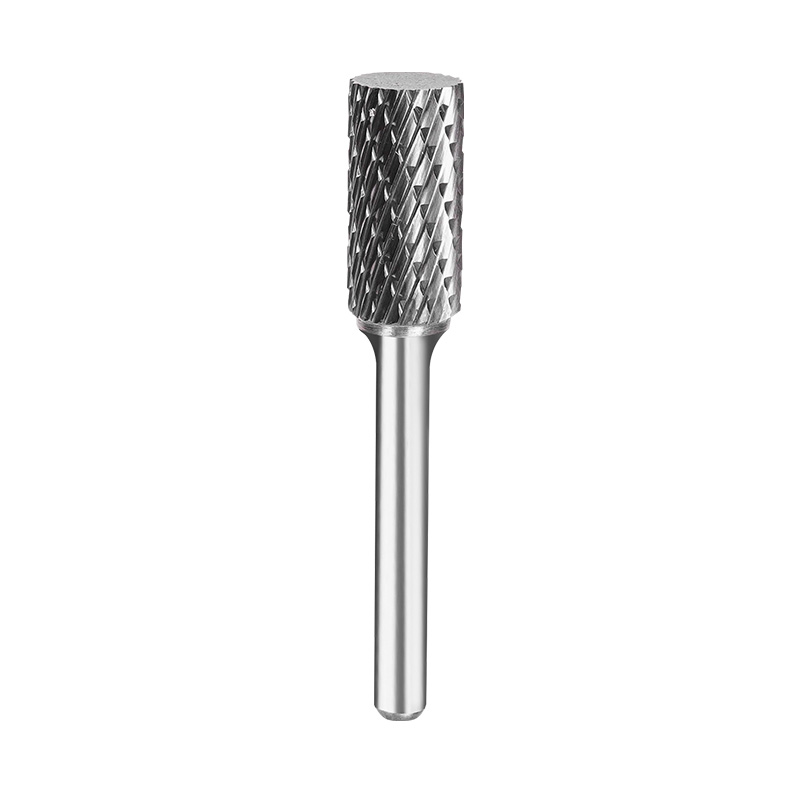
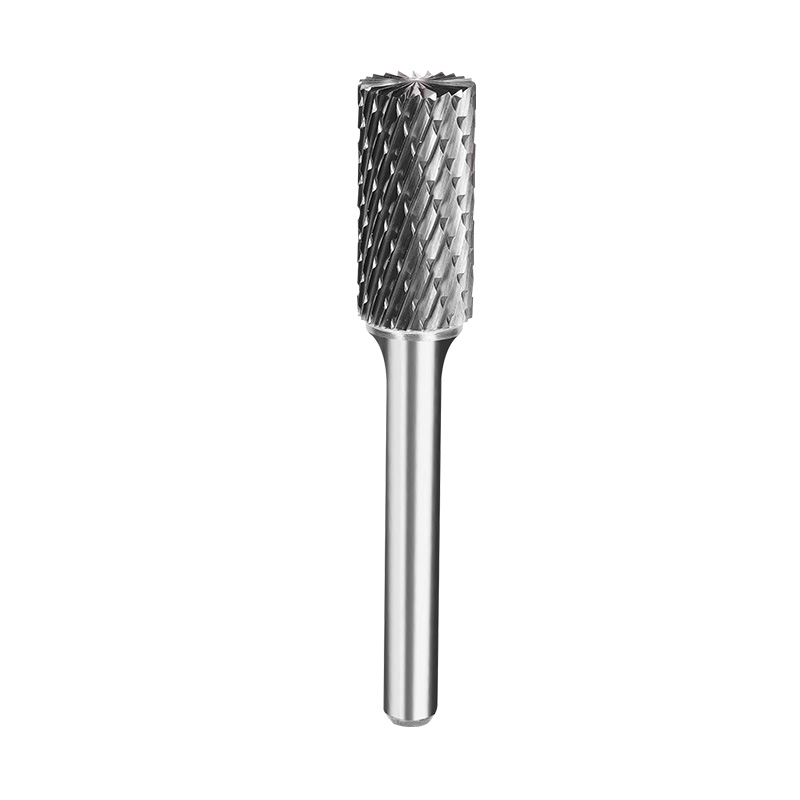
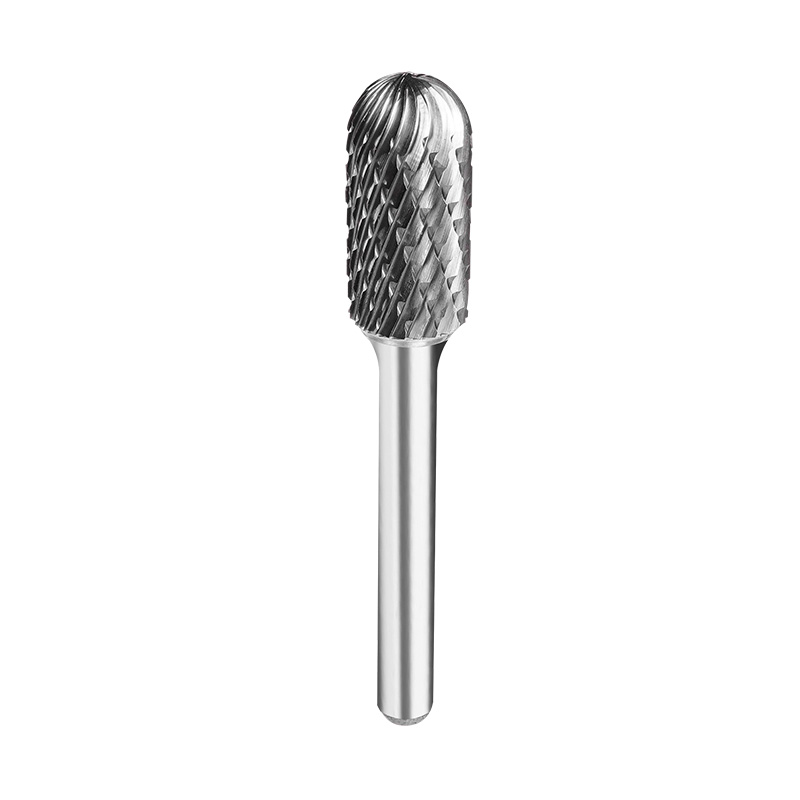
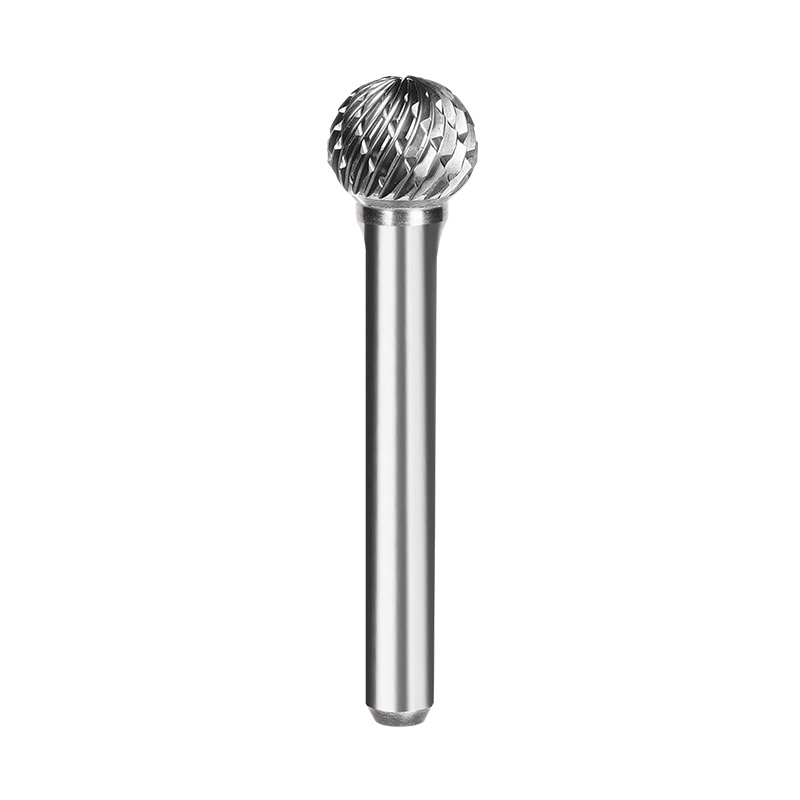
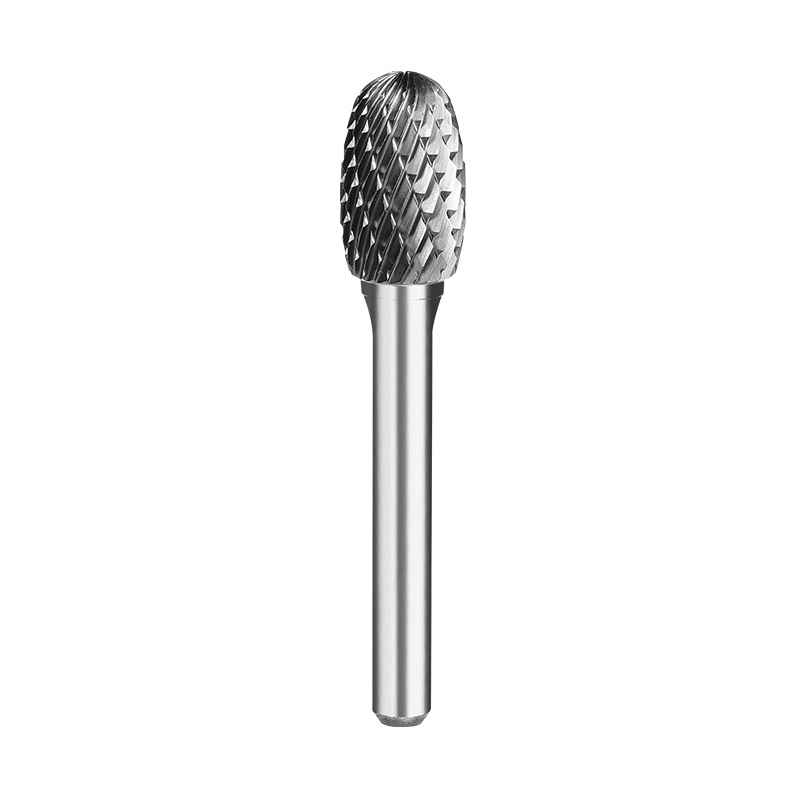
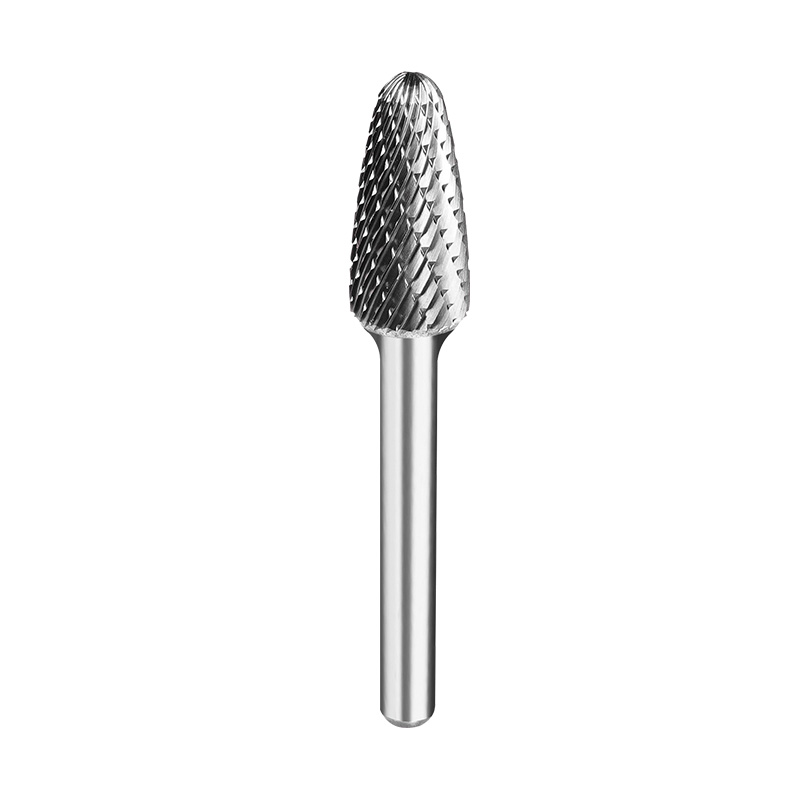
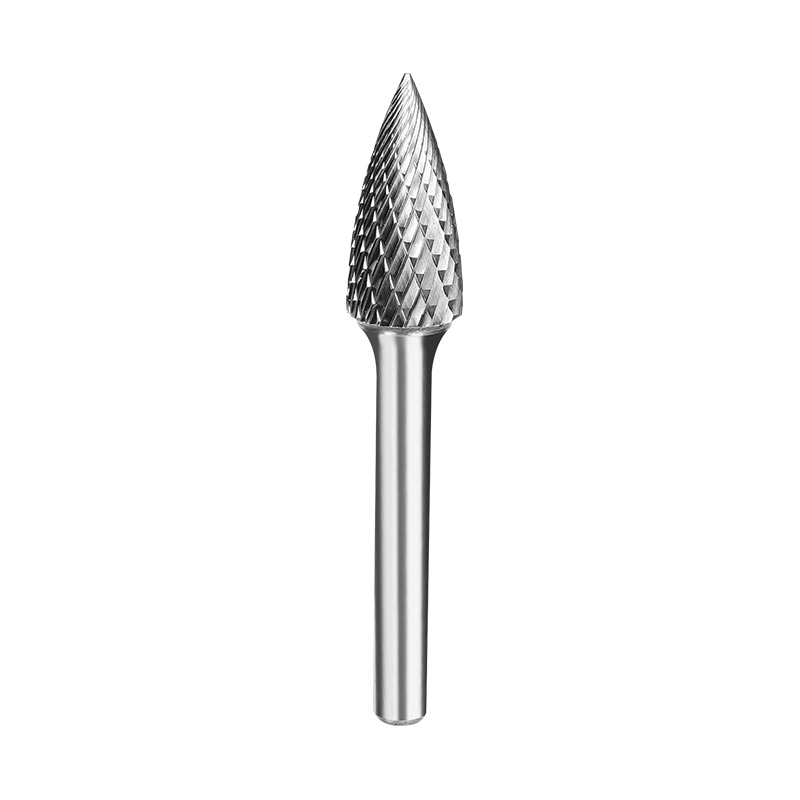
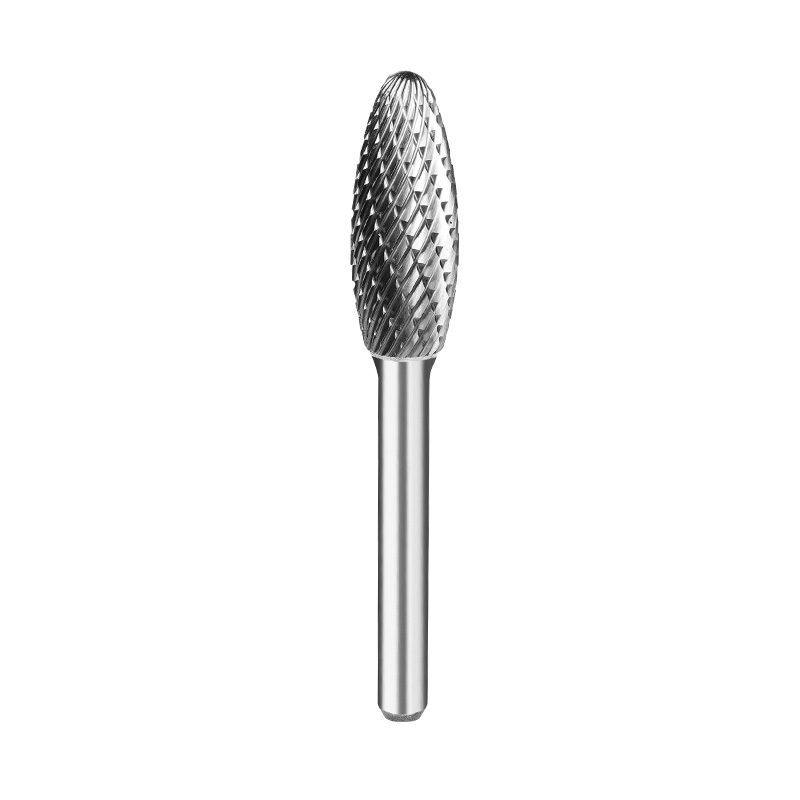
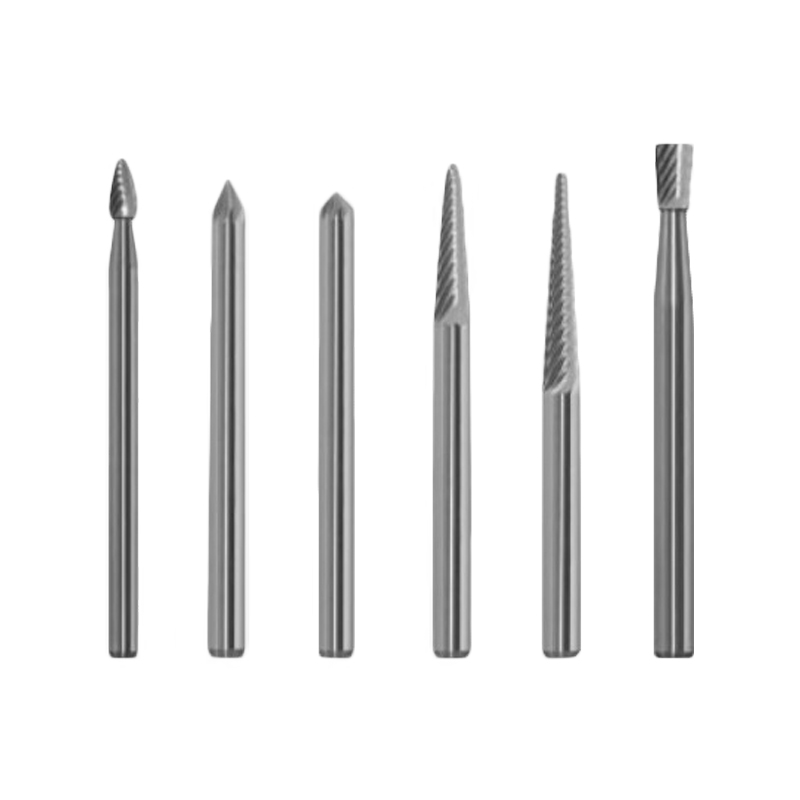
A Precision Rotary Tool is specifically designed to operate under these demanding conditions, offering stability, accuracy, and consistent cutting results.
Understanding how such tools perform on high-speed machines helps manufacturers optimize productivity and maintain machining quality.
Extremely high rotational speeds:
Increased thermal load:
Demand for precision:
Tight dimensional tolerances ensure consistent geometry and balance.
Reduces centrifugal force effects during high-speed rotation.
Well-balanced tools reduce chatter and harmonic resonance.
Improves surface finish and reduces stress on the spindle.
Stable tools allow high-speed machines to operate closer to their performance limits safely.
1. Consistent cutting paths:
Maintains accurate tool engagement with the workpiece.
Reduces deviation during complex contouring operations.
2. Repeatability:
Ensures uniform results across multiple production cycles.
Essential for precision components with tight tolerances.
3. Reduced deflection:
Rigid tool structure limits bending under high rotational and cutting forces.
Enhances reliability in fine-detail machining.
Heat-resistant materials:
Efficient heat dissipation:
Improved tool life:
Stable thermal behavior reduces micro-cracking and edge breakdown.
Smooth cutting action:
Reduced tool marks:
Consistency across materials:
Maintains surface quality on metals, alloys, and composite materials.
Higher material removal rates:
Reduced downtime:
Longer tool life decreases the frequency of tool changes.
Improves machine utilization rates.
Process reliability:
Consistent tool behavior supports automated and unmanned machining operations.
Uniform wear patterns:
Resistance to chipping:
Lower overall tooling cost:
Extended service life offsets higher initial tool investment.
Finishing and deburring:
Ideal for high-precision finishing of complex geometries.
Micro-machining:
Supports detailed work on small or intricate components.
Multi-material machining:
Performs effectively on steel, aluminum, titanium alloys, and non-ferrous metals.
Industry adoption:
Commonly used in aerospace, automotive, medical, and mold-making industries.
Cooperate with us now
contact Us
Characteristic Industrial Park, Furong Town, Yueqing City, Zhejiang Province, China.
+86-13757799073
+86-13587713956

Wholesale Carbide Rotary Burs Factory