 English
 Español
 Inquiry
An end mill isn't just another drill bit. Drills mostly make round holes. End mills cut sideways, follow contours, clear out enclosed areas, and machine surfaces at different depths. That's why they show up constantly in CNC shops—mold making, automotive parts, precision components, all of it.
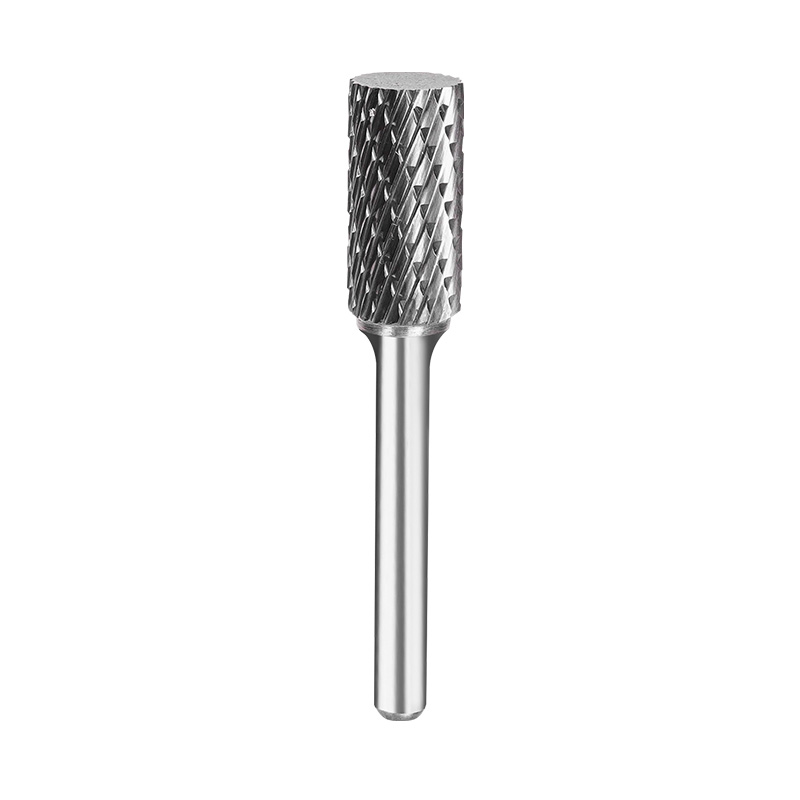
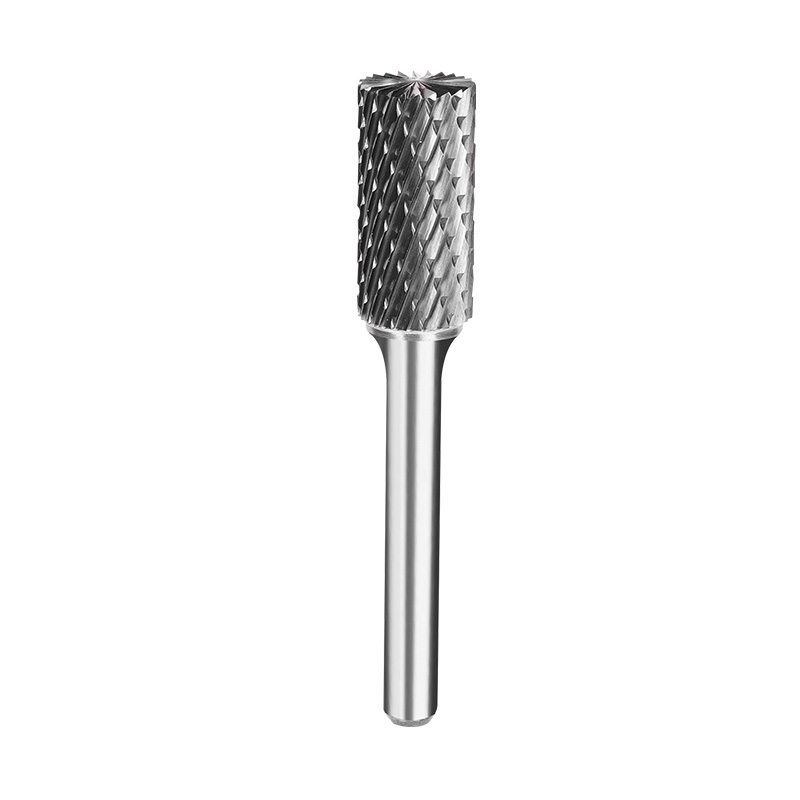
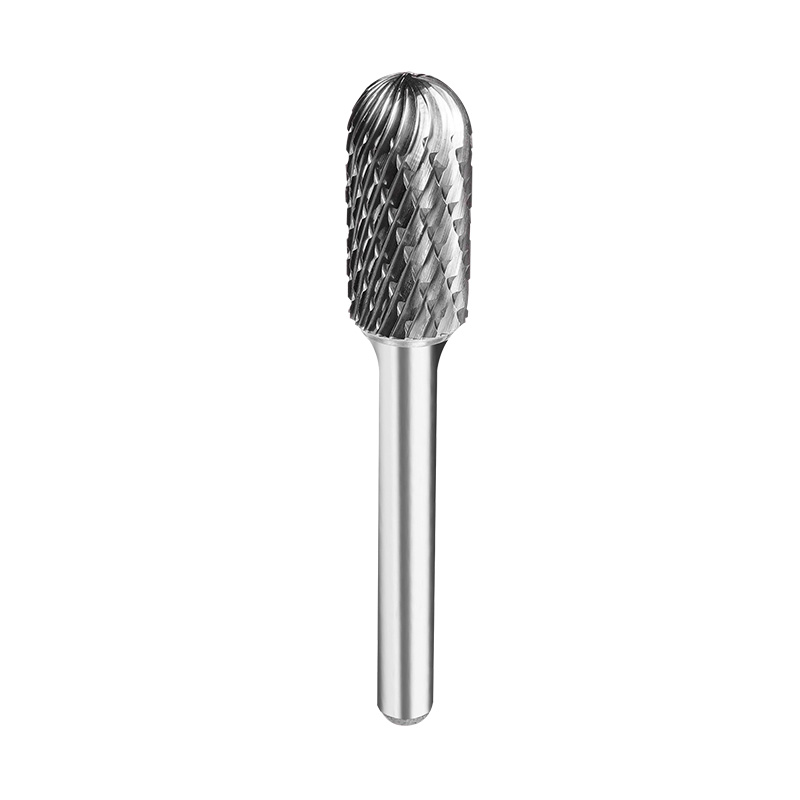
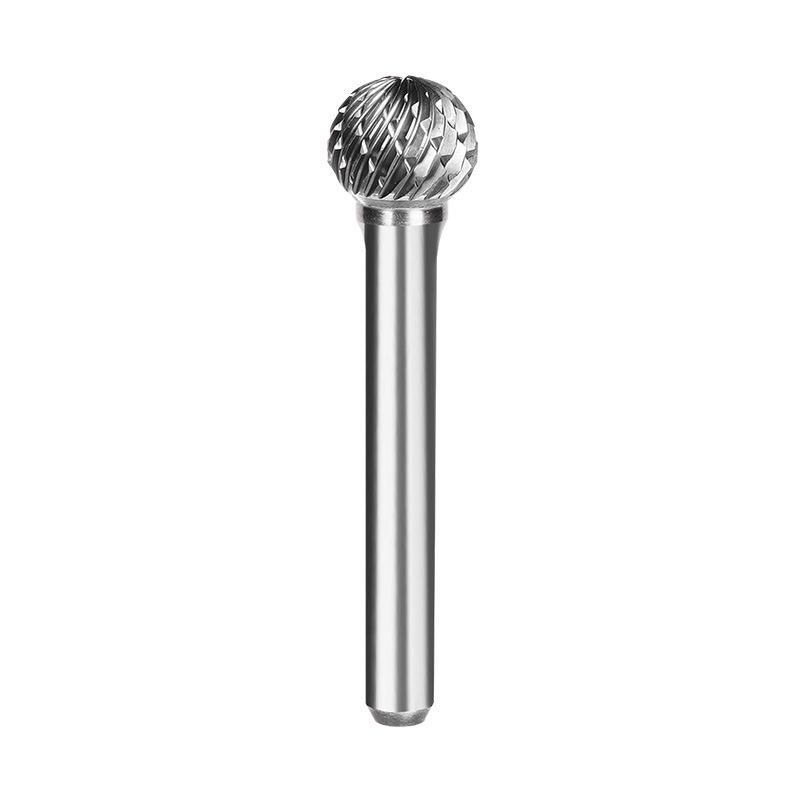
The cutter's shape decides what it can do. A flat cutter gives you a different result than a ball nose or tapered tool. Choosing between them starts with the part geometry.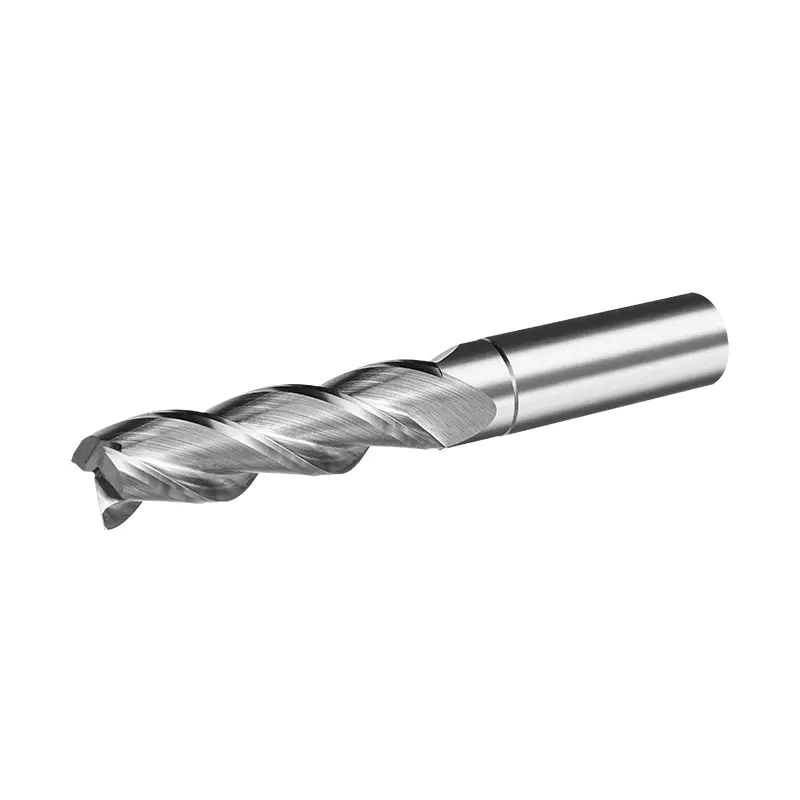
Different End Mill Shapes for Different Cutting Jobs
End mills have cutting edges on their circumference and, depending on design, at the tip. That lets the machine remove material vertically and horizontally.
The usual suspects:
The cutter needs to match the finished shape. Use a ball nose where a flat floor is required and you're signing up for extra finishing work.
Slotting: Making Grooves with Controlled Dimensions
End mills cut keyways, mounting grooves, narrow channels, slots in metal components. Slot width tracks closely with cutter diameter, so tool selection has to account for the drawing tolerance. Even a little tool runout can throw off a narrow slot.
Chip removal is the other headache. During full-width slotting, the cutter is surrounded by workpiece on both sides. Chips have limited room to escape and can get caught between cutting edges and material. That creates heat and can damage the tool.
For deep slots, machinists often remove material in several passes rather than cutting full depth at once. The final pass brings width and surface finish within tolerance.
Pocket Milling: Machining Recesses and Cavities
Pocket milling is common in mold production, aluminum housings, machine frames, tooling plates. The process removes material from an enclosed area, leaving a recessed floor and surrounding walls. The pocket may be rectangular, circular, or follow an irregular outline. CNC programmers select the toolpath according to shape and depth. Spiral and adaptive clearing paths remove the bulk, followed by finishing passes along walls and floor.
Internal corners complicate tool selection. A cutter can't produce an internal radius smaller than its own geometry allows. Using a very small tool to reach tight corners may increase machining time and make the cutter more prone to deflection. Deep pockets also need effective chip removal—compressed air or coolant, depending on material and process.
Other Operations That Use End Mills
End mills handle jobs that would otherwise need several different tools. Profile milling follows the component's outline to produce external or internal shape. Shoulder milling creates vertical walls alongside flat surfaces, often on machine parts and mounting components. Face milling removes material from broad surfaces, depending on cutter geometry and machine setup. Chamfering produces angled edges for assembly or removes sharp edges after machining. 3D contouring uses ball nose cutters to machine curved features in molds, dies, complex components. These operations let machinists produce several features without repeatedly removing and repositioning the workpiece.
Comparing End Mills for Slotting and Pocket Milling
| End mill type | Typical operation | Advantage | Limitation |
|---|---|---|---|
| Flat end mill | Slots and flat-bottom pockets | Produces flat floors and defined edges | Cannot produce sharp internal corners |
| Ball nose end mill | Curved surfaces and 3D contours | Follows complex shapes | May leave scallop marks |
| Corner-radius end mill | Pockets and shoulder milling | Stronger cutting corners | Leaves a rounded corner |
| Roughing end mill | Heavy material removal | Breaks chips and speeds up roughing | Requires finishing afterward |
| Tapered end mill | Angled cavities and mold details | Machines tapered profiles | Needs accurate toolpath control |
Cutting Parameters Affect Tool Life and Accuracy
A suitable cutter can still produce poor results when spindle speed, feed rate, or cutting depth is off. Excessive cutting engagement causes vibration and tool deflection. Too little feed creates rubbing instead of proper cutting—heat climbs, edge wear accelerates. Tool overhang deserves particular attention. A long cutter extending far beyond its holder is more likely to bend under cutting pressure, especially in deep slots or narrow cavities. Coatings like TiAlN and AlTiN help with wear and heat resistance in suitable applications. But match the coating to the workpiece material. A coating designed for steel may not perform well on aluminum.
What to Check When Purchasing End Mills
Catalogue specs don't always reveal how consistently a cutter performs. Grinding accuracy, concentricity, flute geometry, heat treatment all influence the finished tool.
When comparing suppliers, examine:
For production use, test different cutter sizes on the materials they'll machine. Check finished slot width, pocket depth, wall quality, surface roughness. A tool that works well on aluminum may behave quite differently on stainless steel or hardened materials.
The point of choosing an end mill isn't to have the biggest tool selection. It's to have the right cutter geometry for the features being machined—without sacrificing accuracy or wasting time on extra finishing operations.
Cooperate with us now
contact Us
Characteristic Industrial Park, Furong Town, Yueqing City, Zhejiang Province, China.
+86-13757799073
+86-13587713956

Wholesale Carbide Rotary Burs Factory